
Polhena Diving Center
Google 4.8/5 (232 reviews)
Sri Lanka · Indian Ocean
Sheltered Polhena reef, rocky formations around Madiha, boat dives towards Navy Island and regular sea turtles shape a shore-based stay on Sri Lanka’s south coast.
For subtitles in English: start the video firstthen click the gearat the top right of the video, select “Subtitles/CC”, then “Auto-translate” and choose “English”.
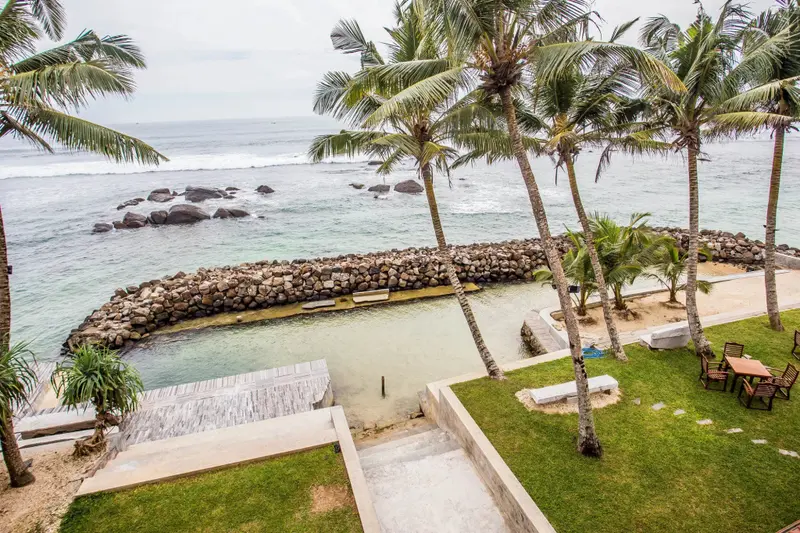
Polhena’s sheltered bay is the practical heart of diving around Matara, with beach entries, gentle training conditions and regular turtle sightings. Madiha adds rocky coastal formations and local boat outings, while Navy Island provides another focus for days when a boat is worthwhile. This is a shore-based Sri Lankan stay rather than a liveaboard itinerary: dive in the morning, snorkel or swim in Polhena, then use non-diving days for Matara and the southern coast.
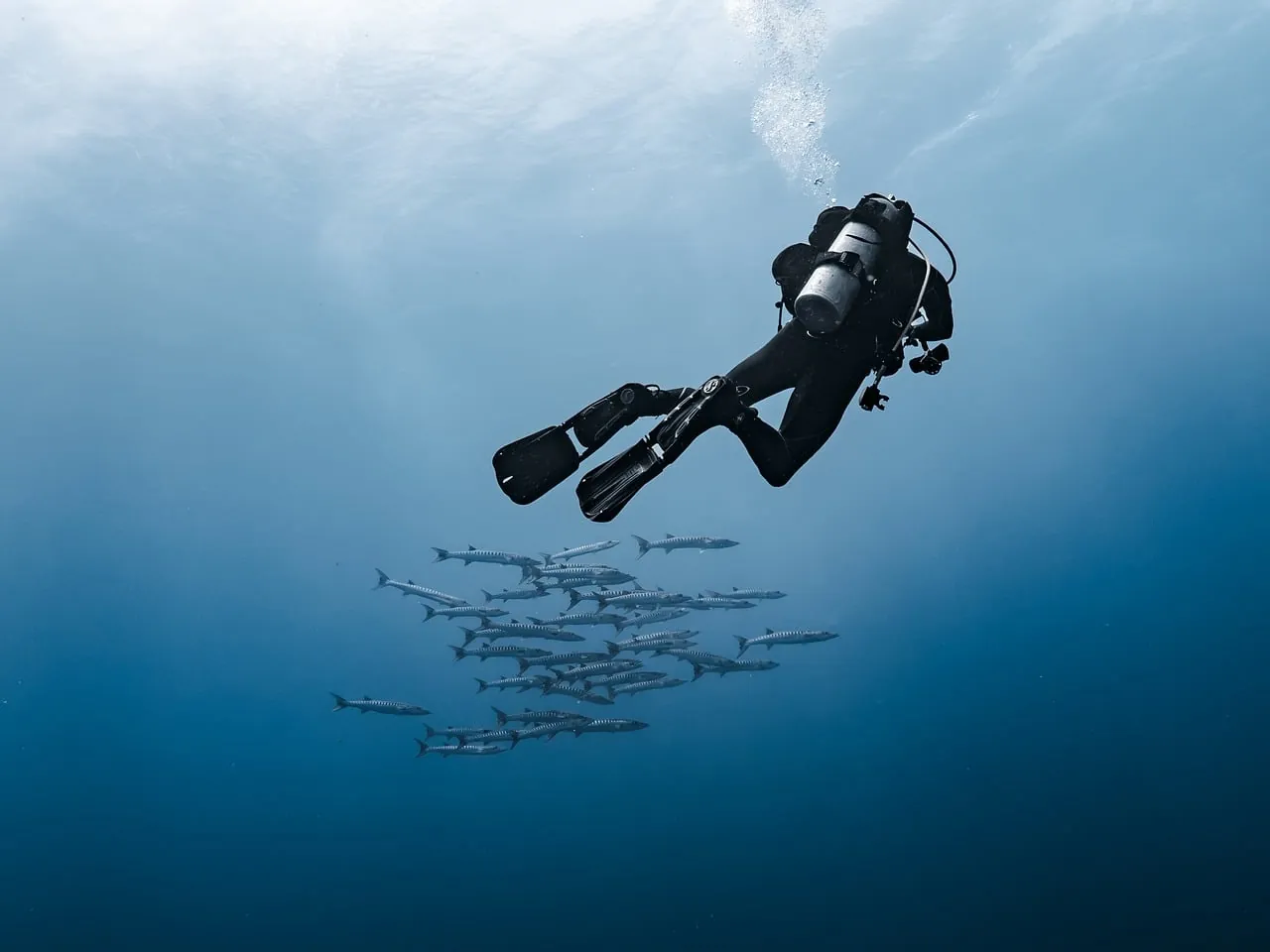
The diving stays close to the coast, alternating between Polhena’s sheltered reef, rocky formations around Madiha and boat-launched sites towards Navy Island. Polhena is the straightforward place to begin, with a protected setting and gentle current used for training. Elsewhere, current strength is variable, so a site that feels simple on one day may demand more attention on another. Entries can be from the beach or by local boat, and the outing is generally a short coastal operation rather than a full-day expedition. Visibility is not a constant here: monsoon swell, rain and coastal run-off can all reduce it, particularly outside the southern season. Expect uncomplicated reef and rock diving, not a destination built around technical profiles, wreck penetration or dramatic downcurrent and drift dive routes.
Sea turtles are the encounter that gives Matara its particular pull. Around Polhena and Madiha, they are reported throughout the year, so a turtle can turn an otherwise modest reef dive into a memorable one. The sensible approach is to treat them as a regular possibility rather than a scheduled part of every descent. Polhena’s reef also gives a useful setting for watching the coast at an easy pace, whether diving, snorkelling or swimming. Turtle sightings should not be mistaken for proof that the reef is untouched. Polhena has a history of heavy degradation linked to sedimentation and uncontrolled exploitation, and the underwater experience can reflect that pressure. The animals are a reason to visit, while the reef itself deserves a measured assessment.
Plan a Matara diving holiday between October and April, when the southern coast is in its more workable operating season. From May through September, the south-west monsoon can bring rougher coastal conditions, poorer visibility and less reliable diving. April is a changeable month, as the monsoon transition can unsettle the sea before the seasonal pattern is firmly established. Build flexibility into the programme rather than fixing every dive in advance, particularly around that transition. The same seasonal shift explains why southern operations become less suitable later in the year, while the coast’s beaches and inland attractions still make a land-based stay worthwhile.
Matara suits beginners as well as qualified divers. Polhena’s sheltered reef is used for training and introductory dives, making it a sensible setting for a first underwater experience or a refresher after time out. Divers qualified through PADI, SSI or BSAC can keep the diving straightforward, while experienced guests should come for the coastal reef, rock formations and turtles rather than demanding technical objectives. Current is variable, so even an easy-looking site calls for a proper local briefing and some willingness to adjust the plan.
From London Heathrow, London Gatwick or Manchester, the journey to Matara is an air journey followed by a road transfer. Once in Sri Lanka, reach the south-coast area by road from Colombo or from other towns along the southern coast. No ferry or domestic flight is needed for the final approach. Around Matara, the practical base is the coastal strip between Madiha and Polhena. Stay close to the diving and you may walk to it; otherwise allow for a short local road journey. There is no single standard shuttle serving the whole destination, so arrange each local transfer around the day’s diving rather than assuming that hotel transport is included.
Keep spare days in the programme. Around April, the monsoon transition can change coastal conditions, and a fixed run of dives leaves little room when visibility or sea state turns against you. Staying near Madiha or Polhena cuts out unnecessary road journeys and makes early starts less wearing. For a first dive or a course session, use Polhena’s sheltered water, then leave the bay for days when conditions suit. Polhena is also the useful gap-filler for a non-diving morning, with swimming and snorkelling close at hand. Do not book Matara expecting a technical or wreck-focused trip, because the local offer centres on reef, rock, training and coastal boat diving. Finally, do not read the turtles as evidence of an intact marine sanctuary: Polhena’s reef has suffered serious degradation, and there is no confirmed managed marine park, quota or no-take arrangement to rely on. Treat the site accordingly and leave room for the conditions.
Allow five to seven days for Matara, with several local diving days separated by weather reserves and time ashore. Staying around Madiha or Polhena keeps the beach entries and local operations close, sometimes within walking distance. Polhena works well for alternating diving with swimming and snorkelling, while Matara and the wider southern coast provide worthwhile land days. The format is a flexible coastal holiday, not a liveaboard schedule, so companions have plenty to do between dives.
Hello, I'm Marina, DivingDeal.com's AI assistant. I guide you through destinations, areas and countries.
Thinking about the whole trip and the flights? Talk it over with Edith →
Marina is an AI. Some links are affiliate links: DivingDeal may earn a commission, at no extra cost to you. Bookings are made with the partner.
Plan your Matara diving holiday between October and April, when the southern coast has its more workable operating season. From May through September, the south-west monsoon can bring rougher seas, reduced visibility and less reliable diving. April can be changeable, so keep your programme flexible around the monsoon transition.
Matara suits beginners, qualified divers and people returning after time out. Polhena’s sheltered reef offers gentle conditions for training, introductory dives and refreshers. Qualified PADI, SSI and BSAC divers can enjoy straightforward coastal diving, while all divers should follow local briefings because current strength varies between sites and days.
In Matara, you can explore Polhena’s sheltered reef, rocky coastal formations around Madiha and boat-launched sites towards Navy Island. Sea turtles are reported around Polhena and Madiha throughout the year, though sightings remain a possibility rather than a scheduled event. Expect reef and rock diving, with snorkelling also available at Polhena.
Plan Matara as a flexible, shore-based coastal holiday rather than a liveaboard itinerary. Stay near Madiha or Polhena for convenient beach entries and local operations, and leave spare days for weather or visibility changes. Alternate diving with swimming, snorkelling and time around Matara and the wider southern coast.