
Sri Lanka Diving Tours
Google 4.9/5 (122 reviews)
Sri Lanka · Indian Ocean
Negombo brings boat-dived wrecks, rocky reefs, reef fish and occasional turtles within easy reach of this west-coast coastal town.
For subtitles in English: start the video firstthen click the gearat the top right of the video, select “Subtitles/CC”, then “Auto-translate” and choose “English”.
Wrecks lie at the heart of Negombo’s appeal, alongside shallow rocky and coral reefs reached by boat from the coast. It is a practical, land-based stop rather than a liveaboard destination, particularly useful at the beginning or end of a Sri Lankan diving itinerary. Beginners can use the shallower reef outings, while experienced divers can ask about the wrecks. Allow three to five days, giving the sea room to disrupt a planned departure.
Negombo’s underwater landscape switches between coastal rock, coral reef and wreck. The reefs are generally shallow, while the wrecks provide the more distinctive diving and may involve very different depths, conditions and levels of access. Currents are variable, so a calm reef circuit one day does not guarantee the same feel on a wreck. Some outings may suit a straightforward descent and exploration, while others call for more careful briefing, particularly if a downcurrent or a drift dive is possible. Visibility is equally changeable. The water can be affected by swell, and some wrecks may have poor visibility rather than the clear water suggested by promotional descriptions. All recreational diving is normally organised as a boat trip from the coast, with morning departures often preferable before the wind builds. Ask what is actually running on the day, not simply whether the programme lists reefs and wrecks.
Reef fish are the dependable background to a Negombo dive from December to April, occupying the rocky and coral surfaces rather than appearing as a guaranteed big-animal spectacle. Rays and marine turtles are possible in the same season, but they are occasional encounters, not a reason to expect every outing to produce one. Nudibranchs are a rarer find and reward a slow look around the reef rather than a rushed wreck tour. The underwater interest is therefore split between watching ordinary reef life and examining the character of the wreck itself. On a quieter reef dive, take time around crevices and broken rock. On a wreck, keep the visibility and the agreed route in mind, since searching for small animals can quickly separate divers from the group.
The most reliable period is December to April, when the west coast is in its drier season and the sea is generally calmer. That matters in Negombo because the dive sites are reached by boat, and a rougher surface can cancel the outing before the dive begins. The south-west monsoon makes May to October less dependable, bringing more swell and poorer visibility, including charged water around some wrecks. November and the edges of the season can work, but they are less predictable. Build the diving around the calmer December to April window rather than treating Negombo as an all-year stop.
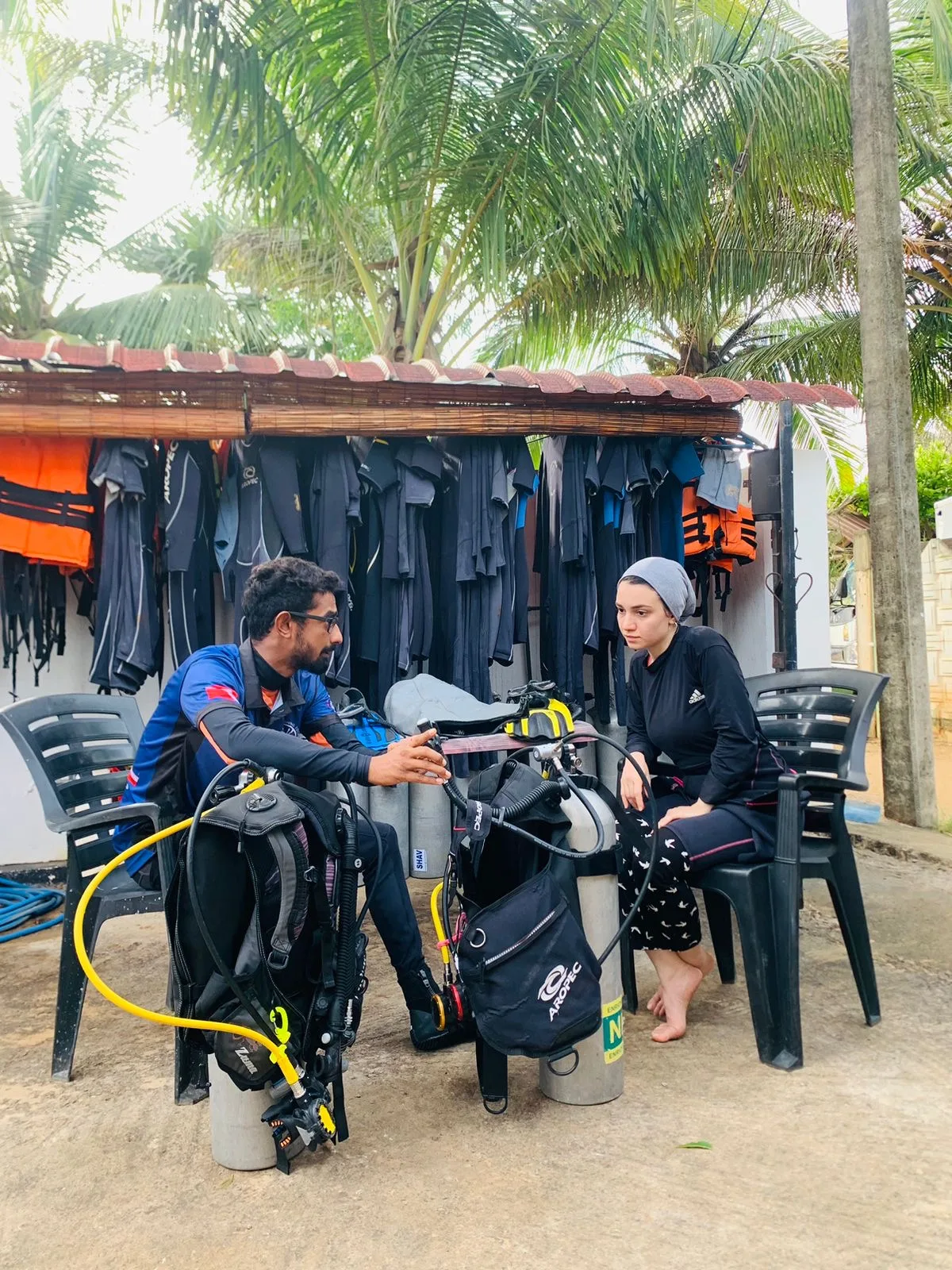
Negombo can suit beginners on its shallower reef outings, provided the day’s sea conditions and the chosen site match their experience. The wrecks need a separate conversation: depth, condition and any proposed penetration should be checked before booking. A Wreck Diver qualification is useful for dedicated wreck days, while PADI, SSI and BSAC divers should confirm how their existing training is matched to the planned dive. Variable current and visibility reward sound basic skills, even when the site itself is not technically demanding.
From London Heathrow, London Gatwick or Manchester, arrange the international journey to Sri Lanka and allow sensible time for any connection. Once you arrive near Negombo, the destination is reached by road, with no ferry, domestic flight or sea crossing required. That simple final transfer is the main logistical advantage of the area. Negombo’s coastal dive centres are then reached from local accommodation on foot in some cases, or by a short taxi or tuk-tuk journey in others. Any centre transfer should be agreed in advance rather than assumed. The boat departure is a separate local journey from the shore, organised around the day’s sea conditions.
Treat Negombo as a wreck-and-coastal-reef stop, not as a guaranteed coral-garden holiday. Before committing to a day, ask which wreck is actually accessible for your qualification, its depth, whether penetration is proposed, and what visibility is usual there. Do not read “crystal clear” as a promise, especially when swell or the monsoon has affected the water. Compare programmes between local centres by the exact nature of the outing, not by the words reef and wreck alone. Check equipment sizes and the availability of wreck training before travelling, particularly if you need less common kit. Keep a spare day in the itinerary because a boat trip can be postponed by the sea. Group the diving towards the beginning of the stay, leaving the final part free before flying. Morning departures are worth favouring where available, as conditions may become less manageable once the wind rises. Never squeeze a last boat dive against the flight home.
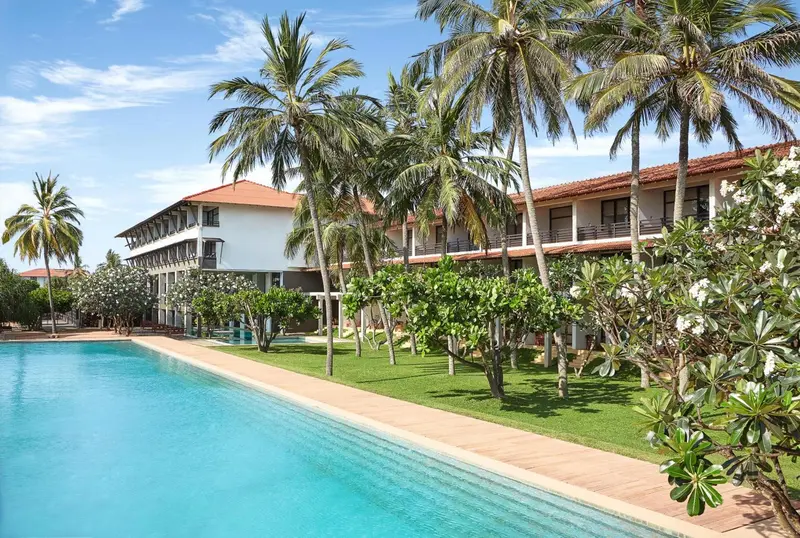
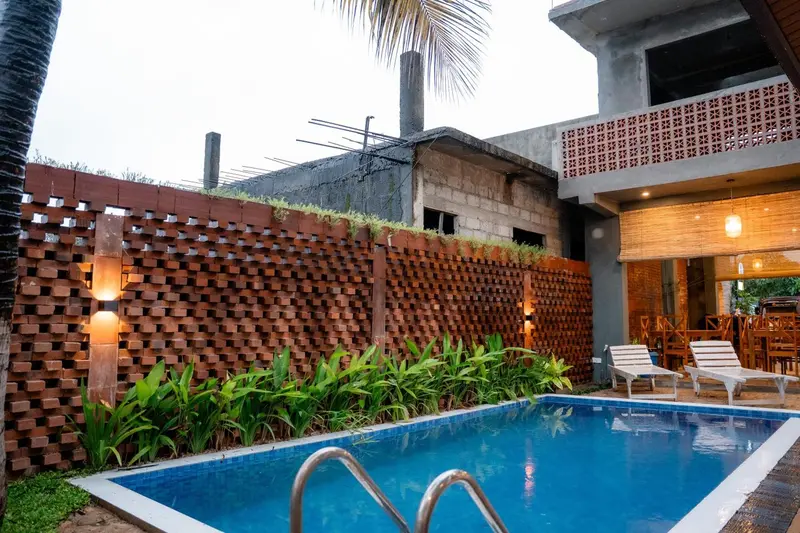
A three- to five-day stay works well as a land-based diving break, with several boat outings and enough flexibility for a weather delay. Accommodation near the coastal centres can make the start simple, although a taxi or tuk-tuk may be needed. Non-divers have the lagoon, mangroves, fishing activity and fish market, as well as beaches, churches and nearby wetlands for birdwatching. Negombo also combines neatly with other Sri Lankan diving regions rather than needing to carry the whole trip.
Hello, I'm Marina, DivingDeal.com's AI assistant. I guide you through destinations, areas and countries.
Thinking about the whole trip and the flights? Talk it over with Edith →
Marina is an AI. Some links are affiliate links: DivingDeal may earn a commission, at no extra cost to you. Bookings are made with the partner.
Choose Negombo between December and April, when the west coast is generally drier and the sea calmer for boat trips. Reef fish are dependable during this period, while rays and marine turtles may appear occasionally. November and the season’s edges can work, but May to October is less dependable because of swell and poorer visibility.
Negombo can suit beginners on shallower reef outings when sea conditions and the chosen site match their experience. Experienced divers can ask about the wrecks, whose depths, conditions and access may vary. Check whether penetration is proposed, and confirm that your training matches the planned dive, especially for dedicated wreck days.
Negombo combines coastal rock, coral reef and wrecks. Reef fish provide regular life from December through April, while rays and marine turtles are occasional encounters in season. Nudibranchs are rarer and reward a slow search around reef crevices and broken rock. Above water, lagoons, mangroves, fishing activity and nearby wetlands add variety.
Plan Negombo as a land-based stop with boat departures from the coast, allowing three to five days so the sea has room to disrupt plans. Favour morning outings, keep a spare day for delays, and avoid a final boat dive before flying. Ask about the actual wreck, visibility, equipment, transfers and training.