
Pelagos diving center, Denis Rukavina
★ 4.9/5 (184 reviews)
7.8 km away as the crow flies
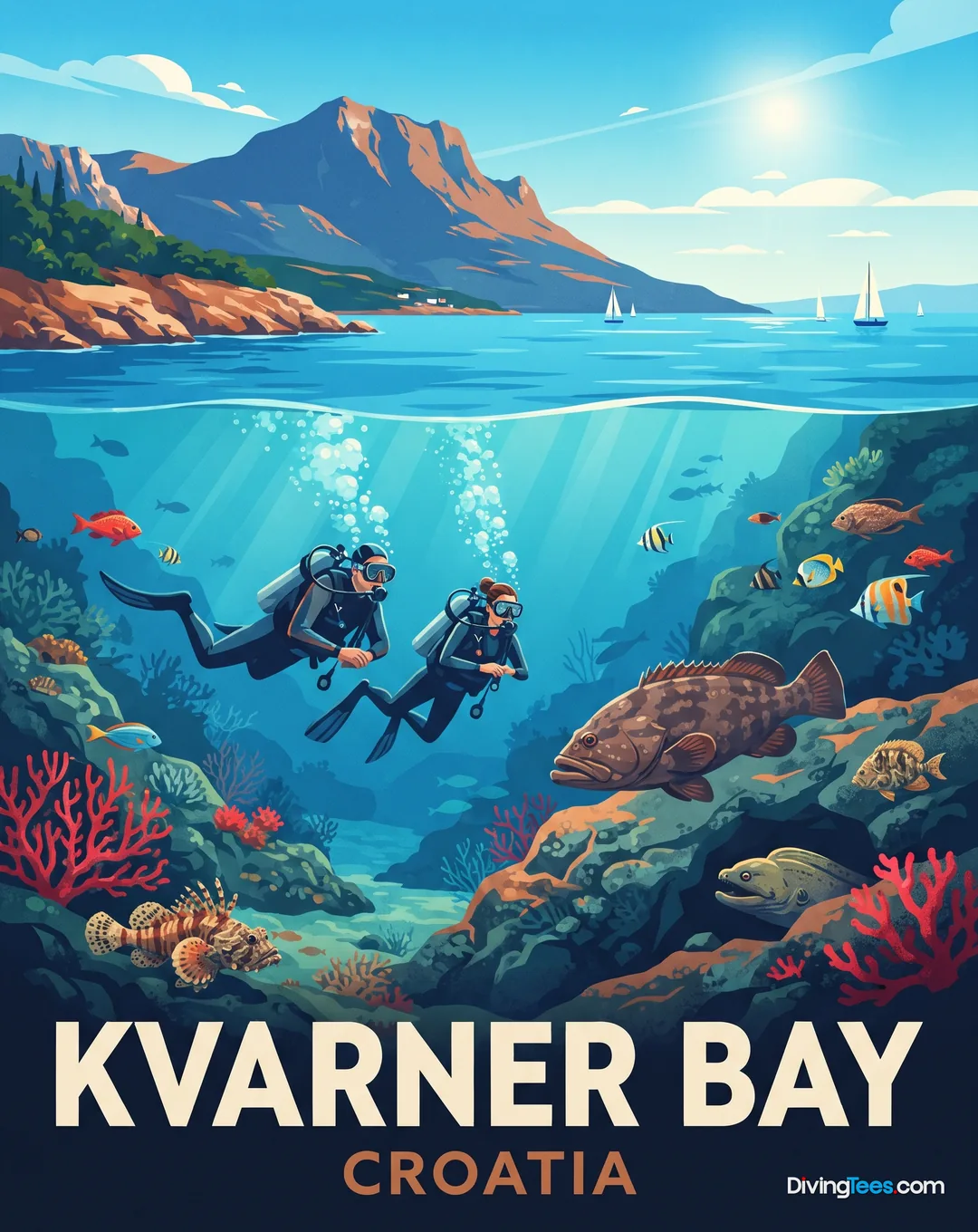
Kvarner Bay · Croatia · Mediterranean
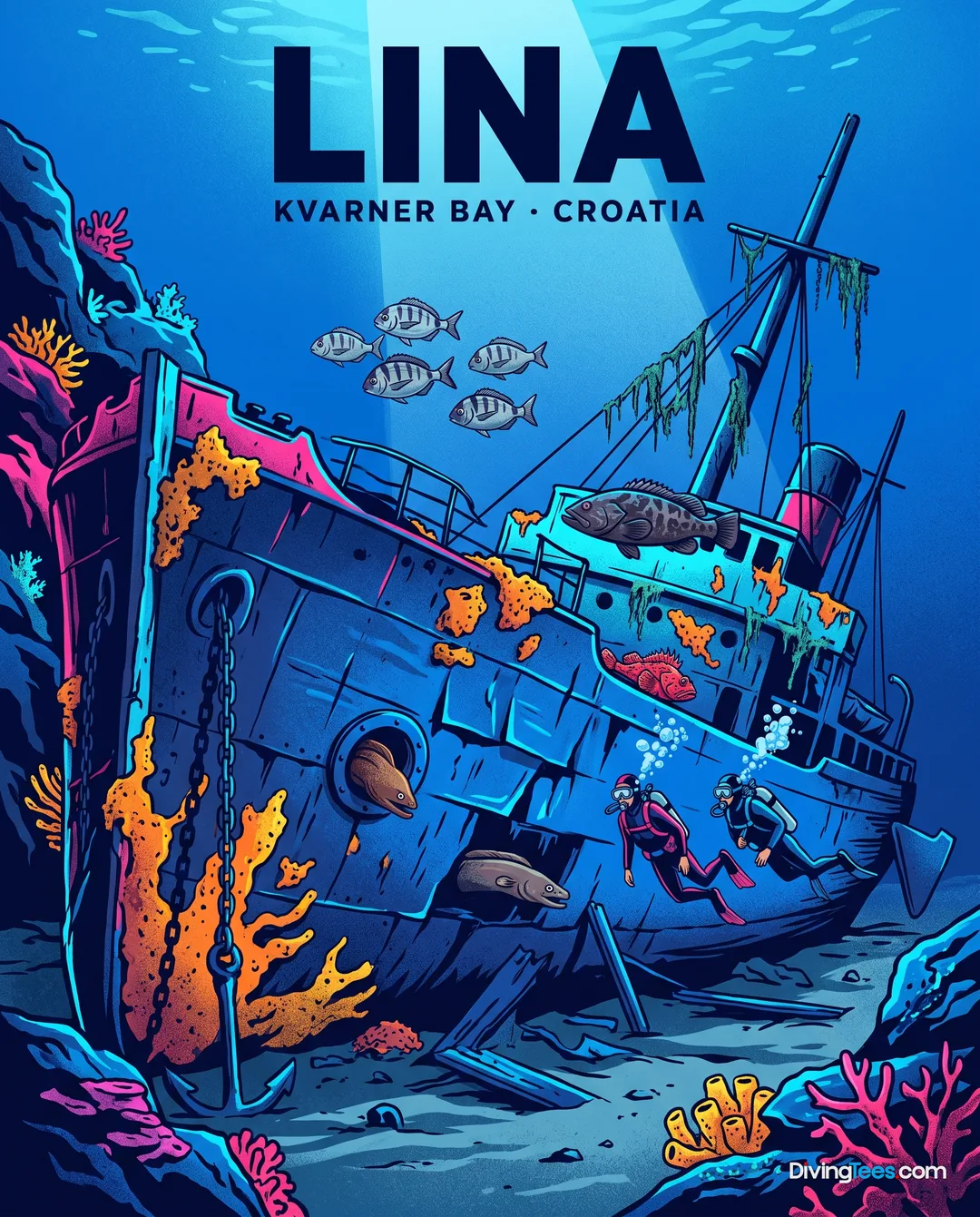
Max. depth · 32 mDescend onto the Peltastis, a Greek cargo ship swallowed by the Adriatic, resting upright with its holds open for exploration between 7 and 32 metres.
For subtitles in English: start the video firstthen click the gearat the top right of the video, select “Subtitles/CC”, then “Auto-translate” and choose “English”.
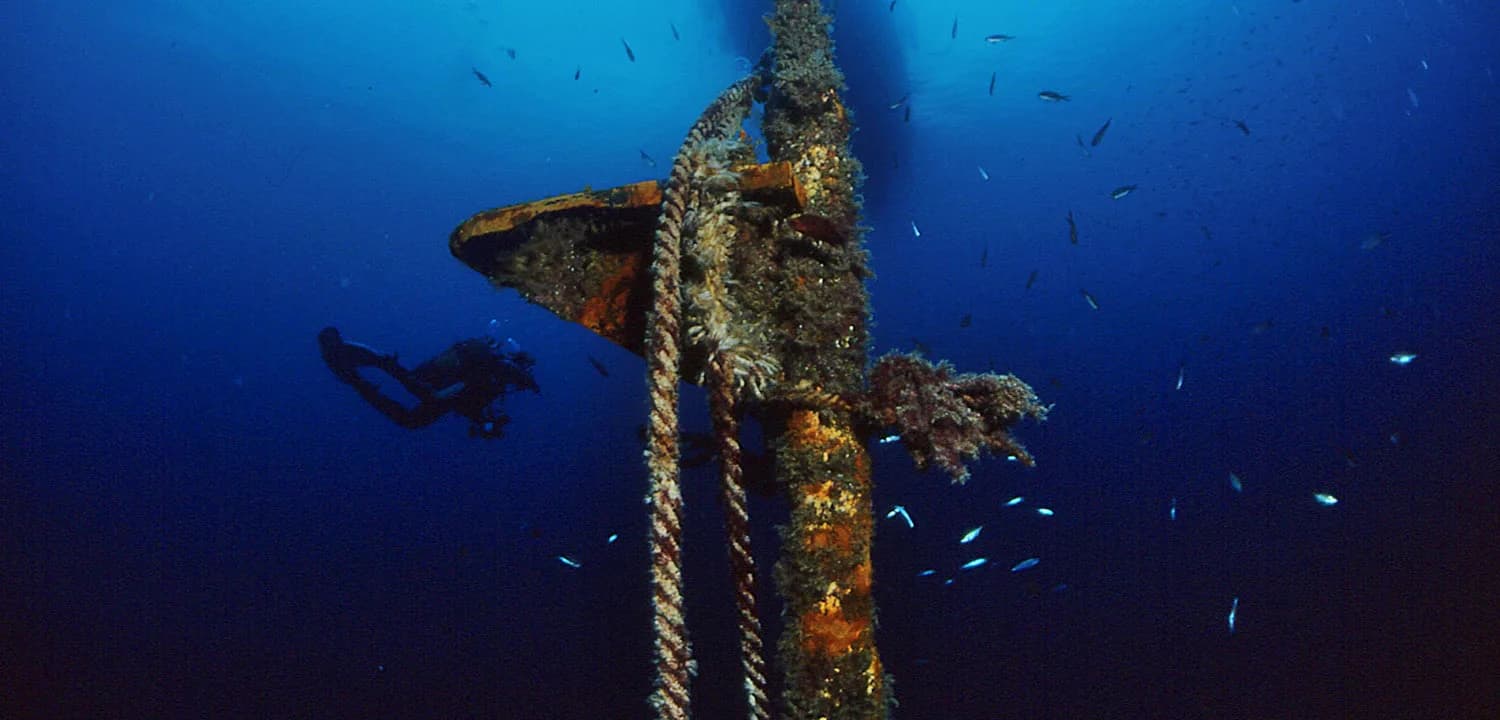
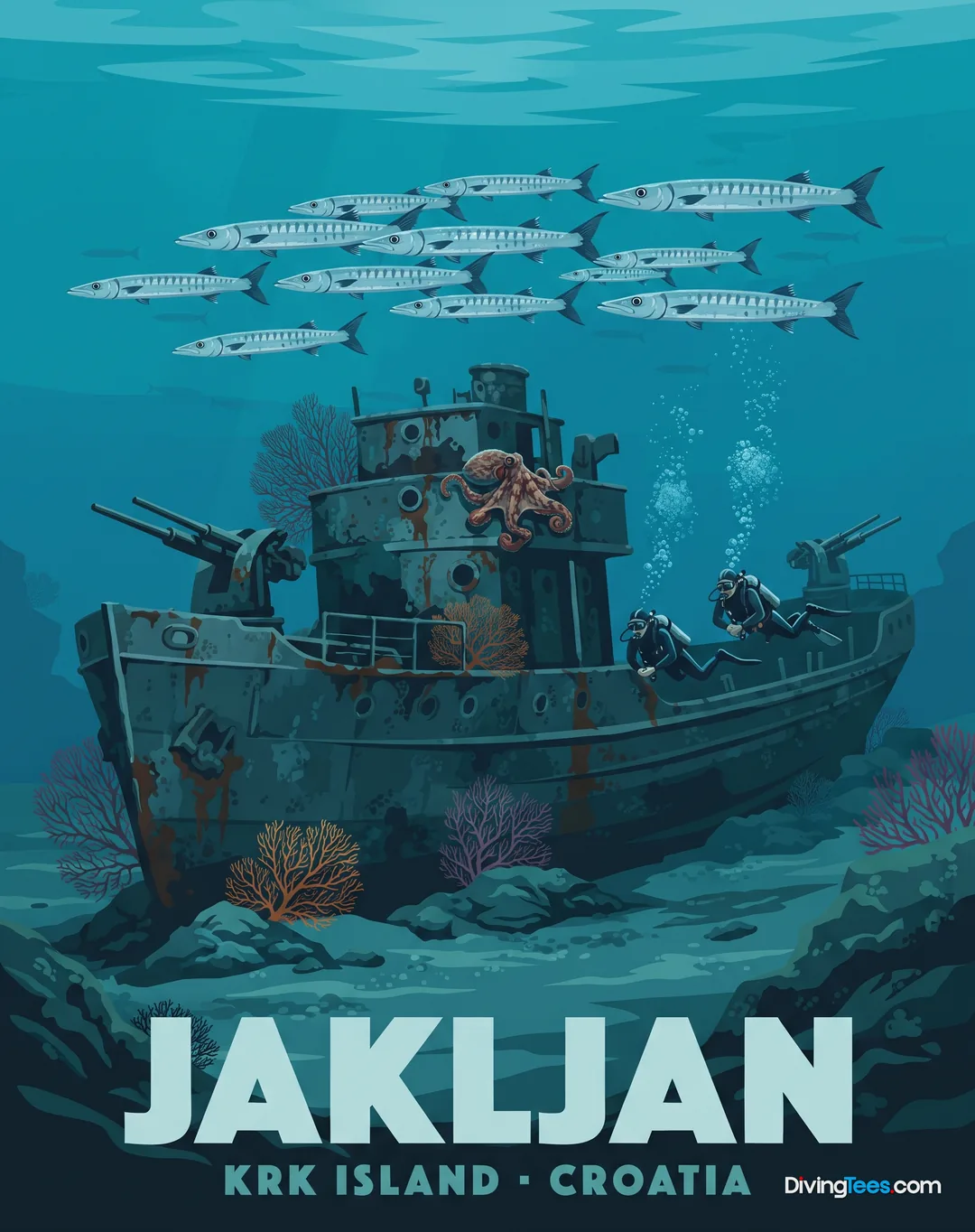
The Peltastis, a Greek ore carrier, now rests upright in Kvarner Bay, having gone down during a strong winter storm in January 1968. This vessel is not just a pile of scattered debris; it’s largely intact, making it a compelling dive for those who appreciate wrecks with clear structural integrity. You’ll find it holding its vertical position from 7 metres down to a maximum depth of 32 metres, making different sections accessible depending on your comfort and certification level. The wreck acts as a substantial artificial reef, providing shelter and a feeding ground for local marine inhabitants.
Navigating the Peltastis begins with a descent often guided by mooring lines attached to the stern superstructure or the central mast. The bow of the wreck starts at about 18 metres, providing a clear point of reference as you approach. The main holds are particularly inviting, sitting at depths between 23 and 27 metres. These areas are free of obstruction, presenting a straightforward penetration for those with appropriate training and experience. The bridge and captain’s cabin also offer accessible entry points, allowing for overhead environment practice.
The wrecks’ superstructure, particularly towards the bow, remains remarkably well-preserved. These intricate sections provide numerous hiding spots, and if you take your time and look closely, you will find scorpionfish (Scorpaena scrofa) tucked into the crevices. Look for various species of crabs (Brachyura) scuttling within these structures. The density of these smaller creatures showcases how quickly artificial reefs integrate into the local ecosystem, providing both shelter and hunting grounds.
Beyond the smaller inhabitants, the Peltastis is known for the large schools of fish that congregate around it. These shoals move in unison, creating dynamic patterns against the silhouette of the ship. Observing their behavior around the wreck, you get a sense that this site is indeed a sanctuary, undisturbed by fishing activity. This constant presence of schooling fish adds a significant layer to the dive, creating a vibrant, living environment around the sunken steel and offers opportunities for photographers.
The marine growth on the Peltastis has transformed the vessel into a complex ecosystem. Various soft corals and sponges now coat the metal, adding colour and texture to the wreck’s surfaces. While exploring the holds, keep an eye out for larger resident species. Conger eels (Conger conger) are occasionally spotted, massive and watchful, blending into the shadows of the deeper sections of the wreck. Night dives on the Peltastis are particularly rewarding, as the wreck comes alive with nocturnal activity, highlighting the different behaviours of its inhabitants.
This site is accessible for Advanced Open Water divers due to the maximum depth of 32 metres. The minimum depth is 7 metres. Visibility in Kvarner Bay typically reaches up to 40 metres, though local conditions can vary. The best period to dive the Peltastis is from May to mid-July and again from mid-September through October, when conditions are generally most favorable.