
Kron Diving, Andreas Kron
Google 4.8/5 (175 reviews)
Croatia · Mediterranean
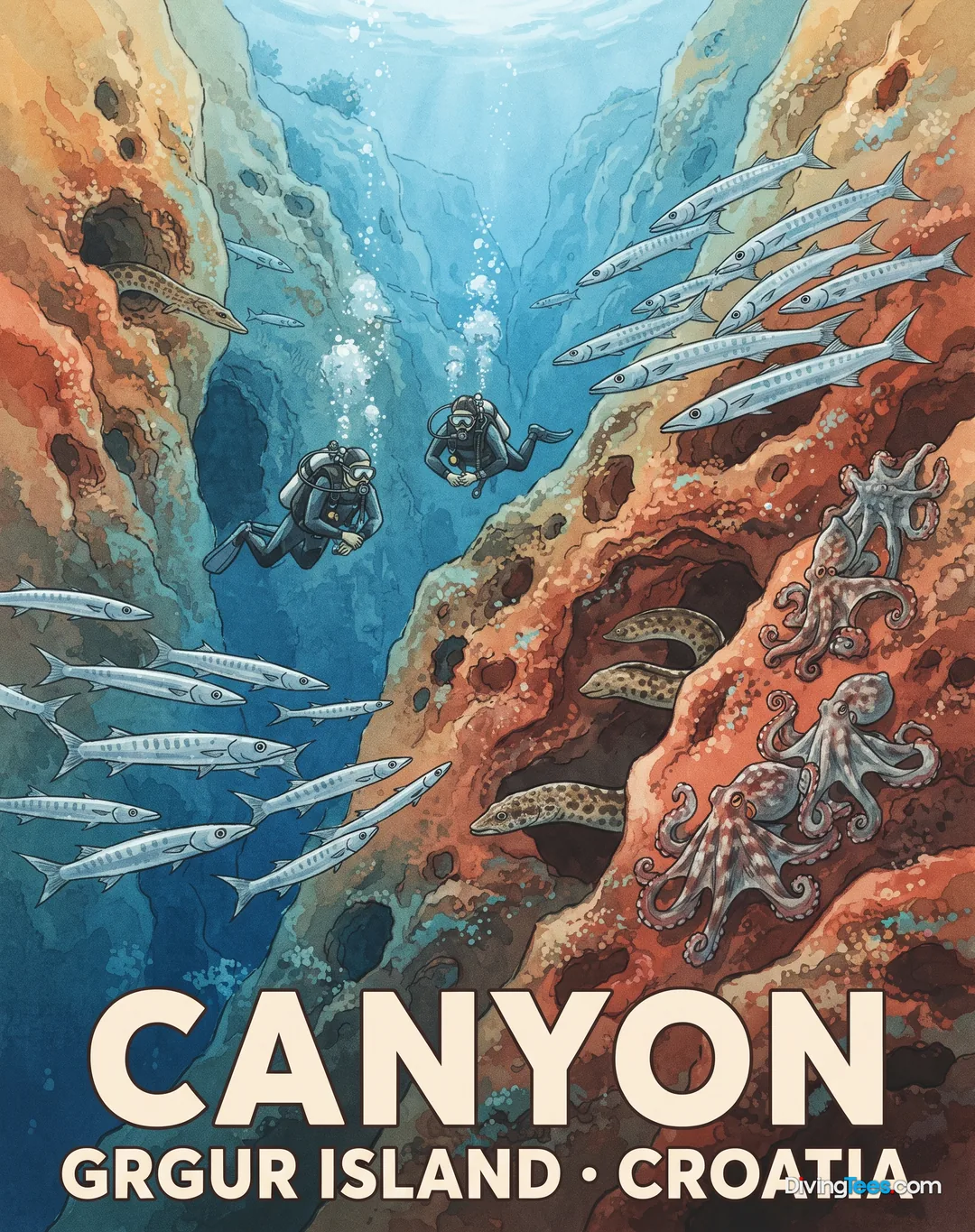
Rab puts rocky walls, natural tunnels and wreck dives within a boat trip of the island, with Canyon dropping from three metres to twenty-eight.
For subtitles in English: start the video firstthen click the gearat the top right of the video, select “Subtitles/CC”, then “Auto-translate” and choose “English”.
Canyon gives Rab its clearest underwater picture: a shallow start at three metres, natural tunnels, a wall and deeper caverns leading down to twenty-eight metres. The wider destination is built around boat diving from the island, with rocky sites, offshore rocks and wrecks selected according to the weather. Rab suits a five- to seven-day stay better than a rushed weekend, particularly for divers who want several outings while keeping time for the island itself.
Rab’s diving is about shape and position rather than a single speciality. At Canyon, the profile moves from shallow water into tunnels and grottos, then along a wall towards caverns and smaller holes at depth. Similar outings around Rab, the Velebit sector and neighbouring islets mix rocky walls, offshore rocks and wrecks. Currents are variable, so the boat crew’s choice of site matters more than arriving with a fixed plan. Visibility also depends on sea conditions and local water movement rather than following a dependable published range. Most diving is from boats, with the day’s sea state deciding whether a more exposed site or a sheltered rocky alternative makes sense. Divers should treat the confined sections at Canyon seriously: steady buoyancy and a controlled pace matter when passing through tunnels and around the deeper wall.
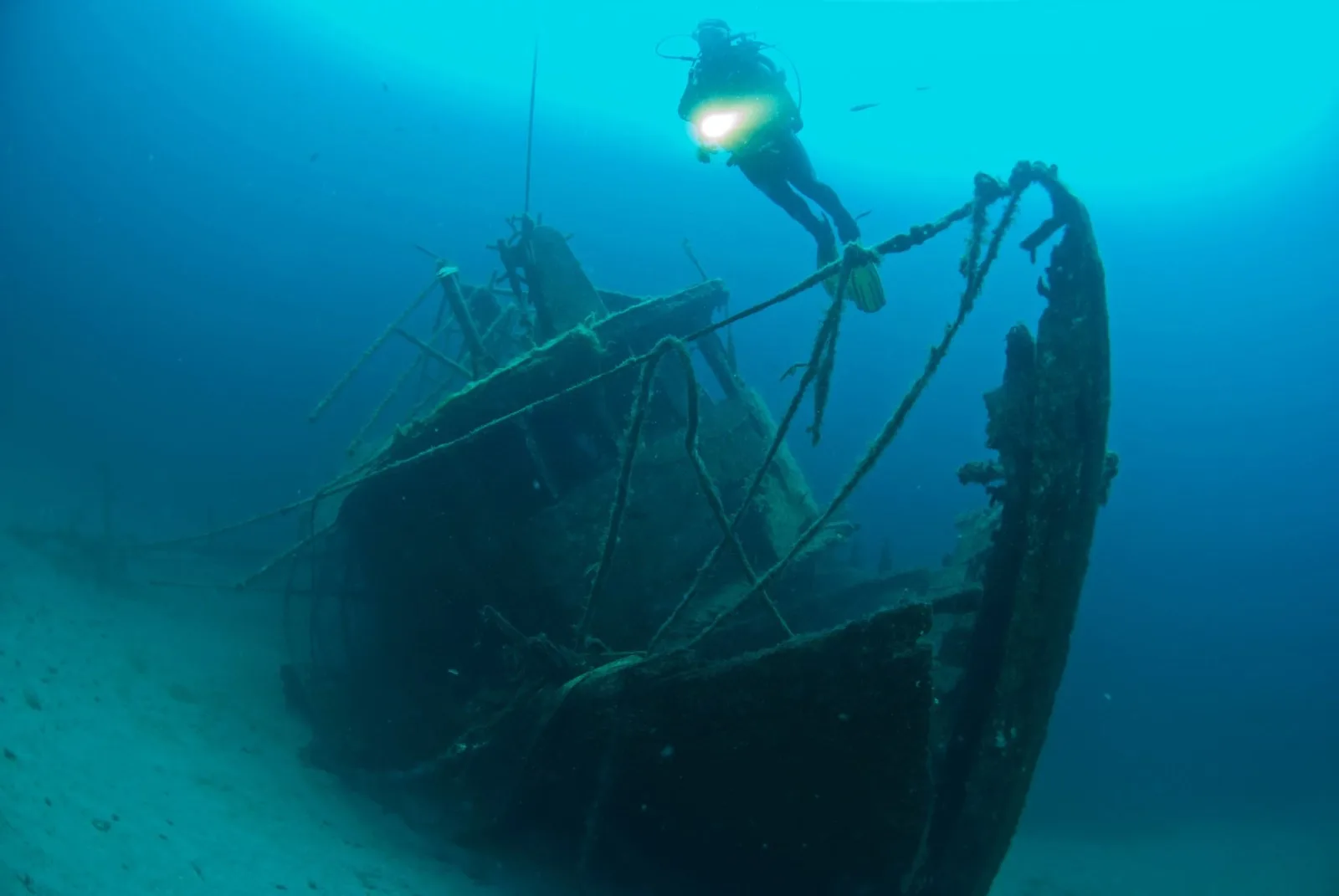
Rab’s underwater encounters are led by the landscape itself. A diver may begin over shallow rock, then move through a natural tunnel before following the wall towards caverns and smaller holes. At Canyon, the changing light and depth provide the main sequence: open, shallow water gives way to darker passages and more enclosed structure down to twenty-eight metres. Elsewhere, boat trips may turn towards offshore rocks or wrecks, where the interest lies in examining the form of the site and the way conditions shape the dive. This is not a destination to choose around a promised seasonal animal encounter. Its appeal is the chance to spend several days exploring different Adriatic structures, with the selected site changing as the sea changes.
The measured calmer-water period runs from April to September, while the practical diving season is concentrated from June through September, when local operations and summer weather are most dependable. April and May can offer a useful shoulder-season window, particularly for travellers combining diving with walking and sightseeing, but the island is quieter. From November through March, winter weather reduces the regularity and appeal of boat outings. Full summer brings the busiest conditions, as beach holidays and dive boats overlap. September is often a sensible compromise for divers who prefer a less crowded island while retaining a good chance of regular diving.
Rab can suit all levels when the site is matched to the diver and the day’s sea conditions. Open Water divers may manage the shallower part of Canyon, but tunnels, the deeper wall and caverns demand calm buoyancy and conservative depth choices. Advanced certification is useful for deeper or more exposed profiles; Nitrox may help with repeated recreational dives, and a Wreck qualification is sensible for relevant outings. The important distinction is not BSAC, PADI or SSI, but whether the diver is comfortable with boat diving and changing plans.
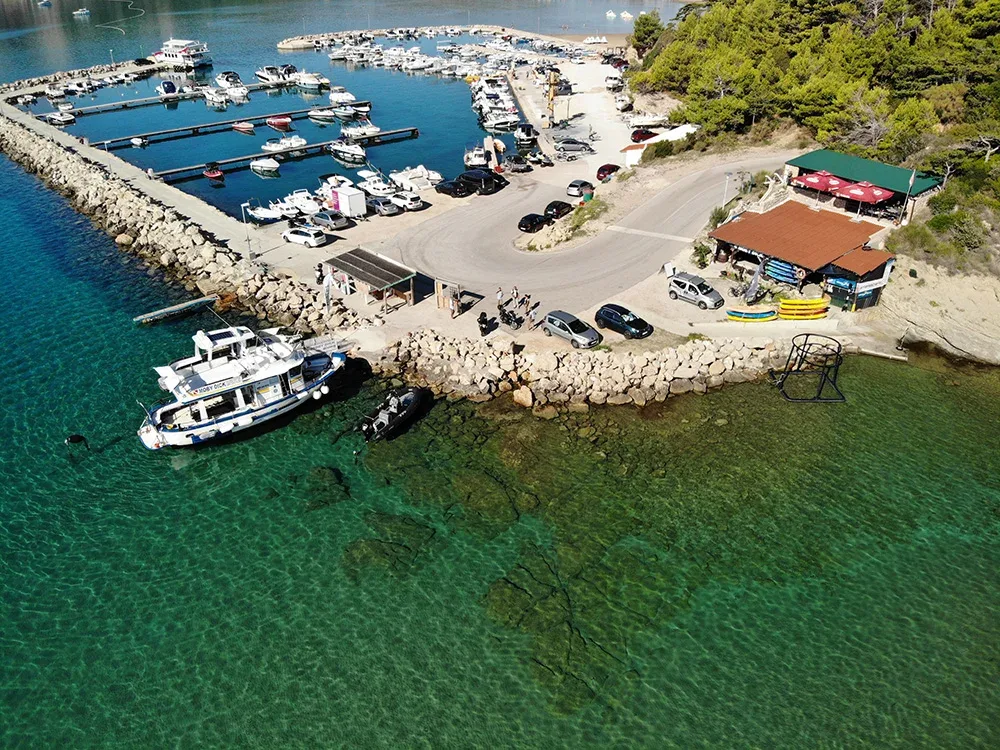
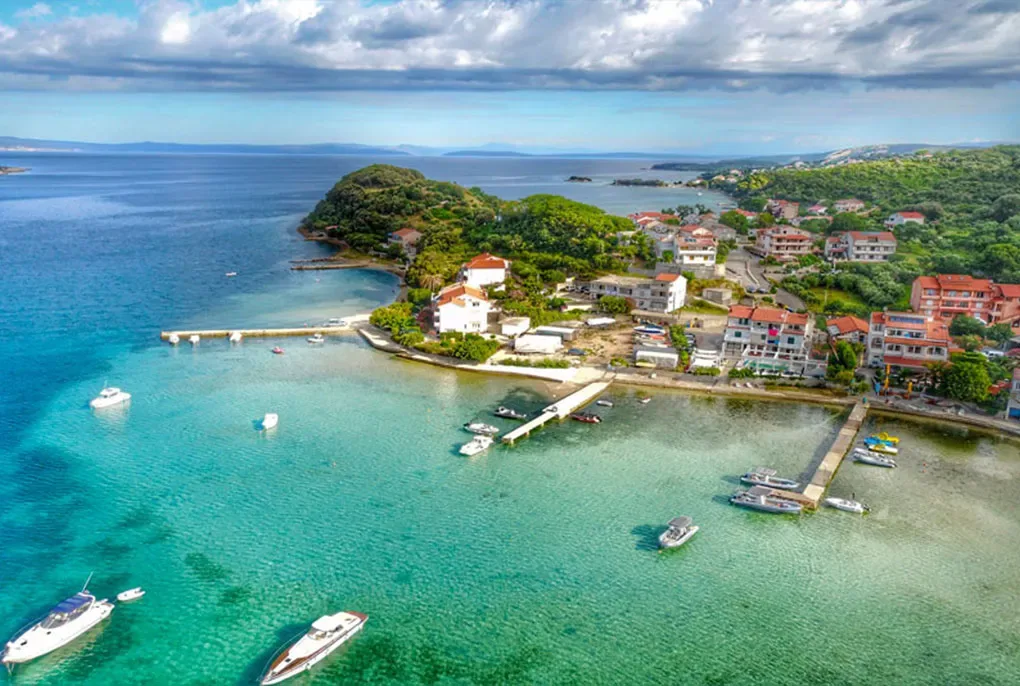
From London Heathrow, London Gatwick or Manchester, the journey is organised around reaching mainland Croatia first, followed by a road transfer and the obligatory ferry to Rab. The island has no bridge, so the ferry is not a minor final hop: sailing times, vehicle queues and sea conditions can affect the whole itinerary. Travellers using an airport need to allow time for the road leg and boarding process rather than planning a tight same-day connection with a dive boat. Once on Rab, accommodation in Rab Town or nearby coastal settlements usually leaves only a short walk, local transfer or brief taxi ride to the diving arrangements, depending on the chosen area.
Rab rewards a block of diving days, not a schedule built around one precious boat departure. Keep slack around the ferry on both the outward and return journeys, and leave a proper margin before the final crossing if the route continues by road on the mainland. Booking several dive days together makes it easier to move a trip when the sea changes. Ask which sites remain worthwhile in moderate conditions, since the day’s selection is more important here than committing to one type of diving. Divers coming specifically for wrecks should confirm the planned depth and qualification requirements in advance; a wreck outing may be more demanding than a standard rocky site. Personal basics such as a mask, computer and small accessories are worth packing, as island hire stock can be less comprehensive than on the mainland. Do not arrive expecting tropical reef colour: Rab’s interest lies in Adriatic rock, walls, tunnels and wreck structure.
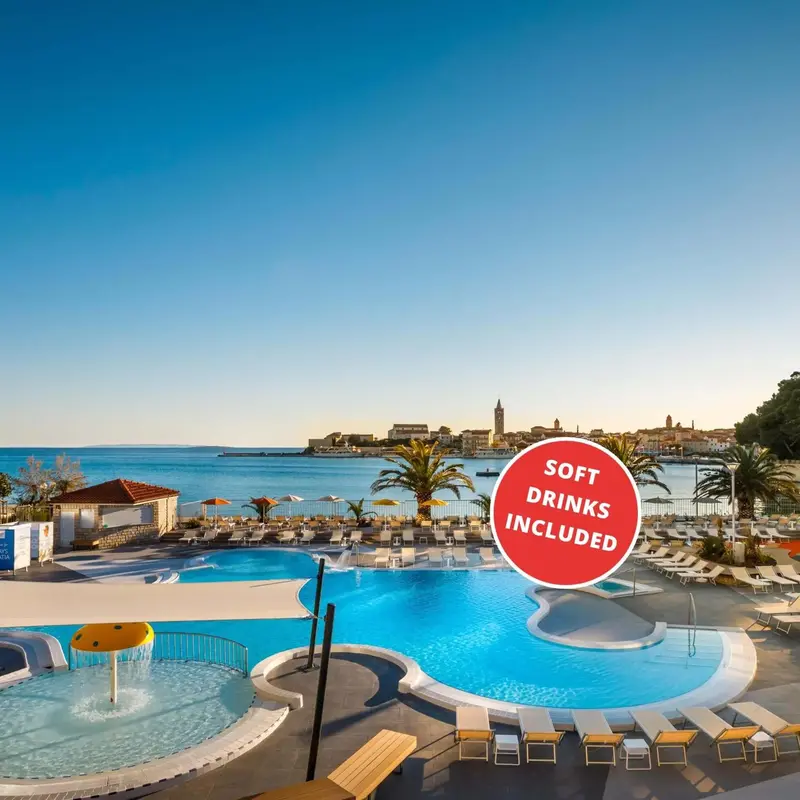
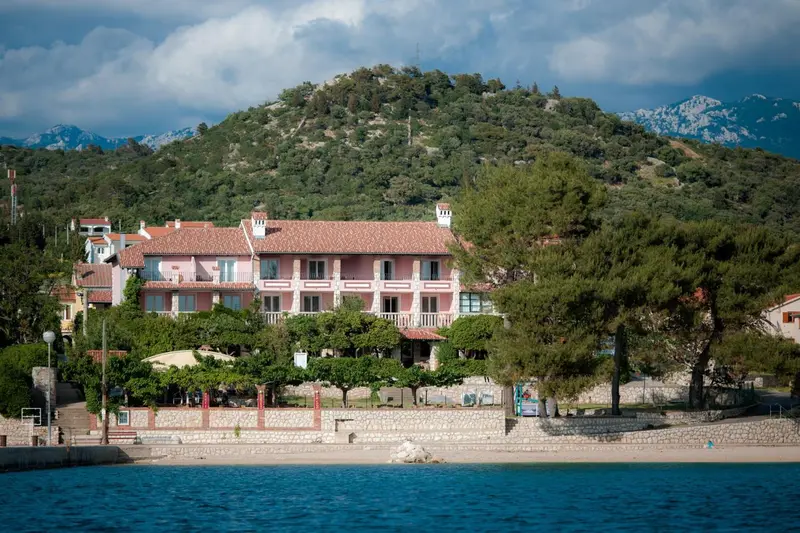
A five- to seven-day stay gives enough room for several boat outings, a weather reserve and the ferry logistics without making the trip feel like a transfer exercise. Rab Town or a nearby coastal settlement works as a base, with short local journeys to the diving arrangements. Non-divers have genuine reasons to come along: Rab Town, coastal villages, walking routes and surface excursions in the neighbouring archipelago fill a cancelled-dive day without needing a second destination.
Hello, I'm Marina, DivingDeal.com's AI assistant. I guide you through destinations, areas and countries.
Thinking about the whole trip and the flights? Talk it over with Edith →
Marina is an AI. Some links are affiliate links: DivingDeal may earn a commission, at no extra cost to you. Bookings are made with the partner.
Choose Rab from June through September, when local operations and summer weather are more dependable. April and May offer a quieter shoulder-season option for combining diving with walking and sightseeing. September can suit you if you prefer fewer crowds. From November through March, winter weather reduces regular boat outings.
Rab can suit you at different levels when the site matches your experience and sea conditions. Open Water divers may manage Canyon’s shallow section, while tunnels, the deeper wall and caverns require calm buoyancy and conservative choices. Advanced, Nitrox and Wreck qualifications are useful for selected deeper, repeated or wreck outings.
You can explore rocky Adriatic walls, natural tunnels, caverns, offshore rocks and wrecks around Rab, the Velebit sector and nearby islets. Canyon begins in shallow water before leading through darker passages and along a wall towards deeper caverns. The attraction is changing rock structure and site form, not tropical reef scenery or promised animal encounters.
Plan a five- to seven-day stay so you have time for several boat outings, weather flexibility and ferry logistics. Reach mainland Croatia first, then allow for the road transfer and ferry to the island. Stay in Rab Town or a nearby coastal settlement, keep margins around both crossings, and book several dive days together.