
Hang-Loose-Diving®
Google 4.9/5 (278 reviews)
15 km away as the crow flies
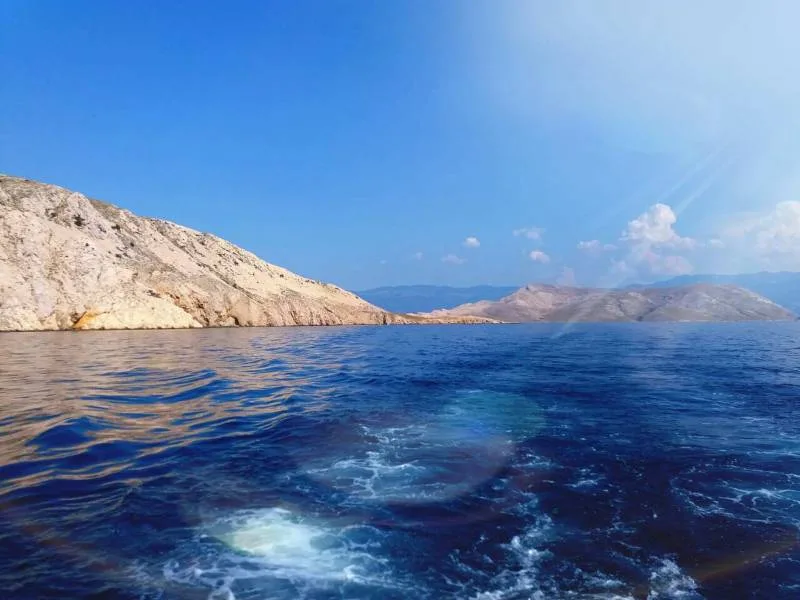
Kvarner Bay · Croatia · Mediterranean
Max. depth · 55 mDescend to the Jakljan, a 45-metre transport ship lying upright at 37 to 55 metres, marked by its distinctive anti-aircraft guns.
For subtitles in English: start the video firstthen click the gearat the top right of the video, select “Subtitles/CC”, then “Auto-translate” and choose “English”.
The Jakljan is a cargo ship, originally built in 1924 in Trieste, measuring 41.1 metres long with a beam of 7.9 metres. Its history took a turn during World War II when it was seized by Italian forces in 1942, renamed 'Adria', and pressed into service as a transport vessel. After the Italian surrender in 1943, the German Wehrmacht took control, supplementing its Croatian crew with soldiers to man two 20 mm Italian Breda anti-aircraft cannons, making it a distinct historical dive.
On April 25, 1944, the Jakljan was tasked with transporting troops and supplies from Senj to Rijeka. Despite the captain's warnings about a severe Bora storm, the order stood, and the ship set sail. The treacherous conditions proved too much, pushing the vessel against the coast where it sank. Tragically, none of the sailors or soldiers aboard survived the sinking, leaving a solemn history in the depths of Kvarner Bay.
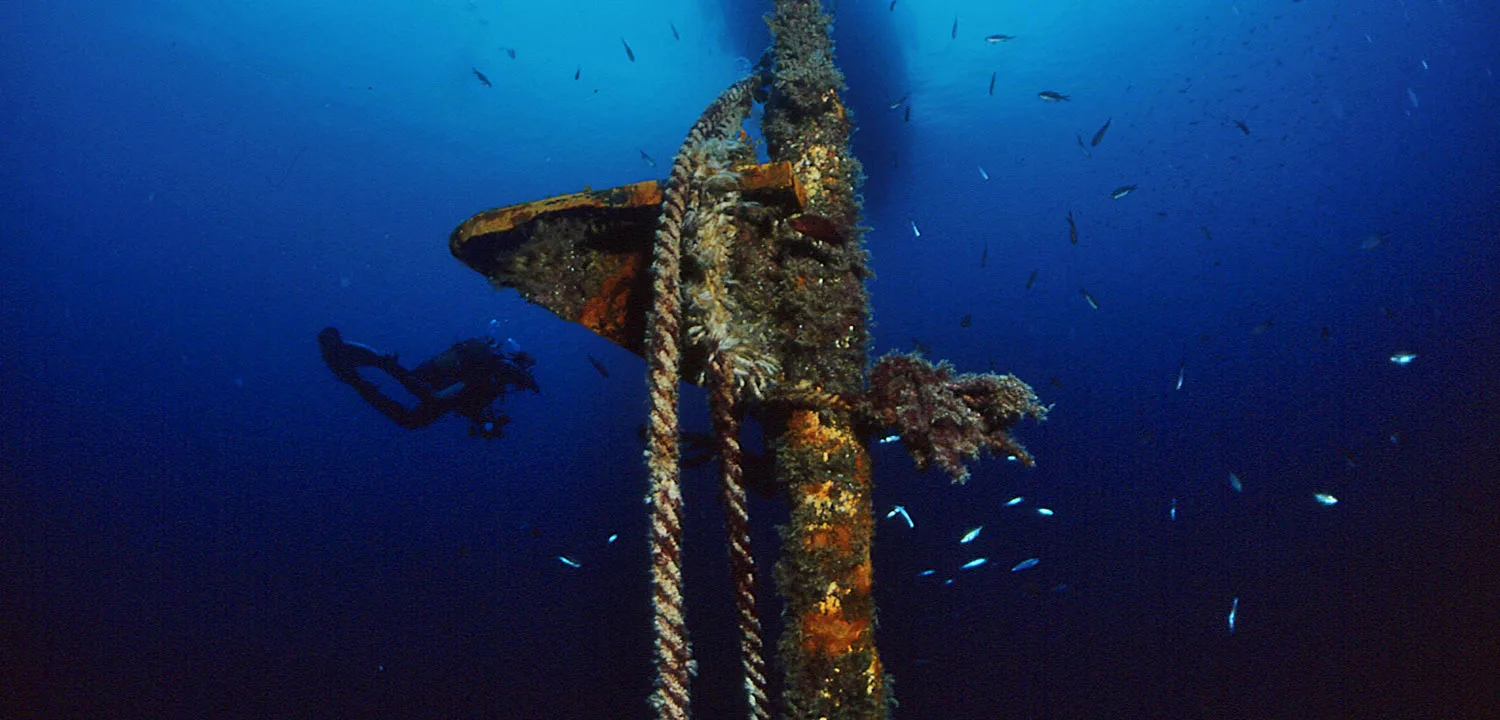
Today, the wreck lies vertically on the sand, approximately 100 metres off the eastern coast of Krk island, at a depth ranging from 37 to 55 metres. The descent to the Jakljan begins in open water, following a line attached to the stern. As you free-fall through the water column, the distinct outlines of the vessel become visible around 25 to 30 metres, revealing its structure as you approach.
The most striking features of the Jakljan are the two anti-aircraft guns positioned at the bow and stern. These armaments offer compelling photographic opportunities and a tangible link to its wartime role. Over the decades, the cargo has long since disappeared, and any Wehrmacht materials like helmets or equipment have fallen victim to salvage, leaving the ship’s structure and its guns as the primary points of interest.
Diving the Jakljan requires a minimum of Advanced Nitrox certification due to the significant depth involved, which necessitates decompression stops. The wreck lies between 37 and 55 metres, placing it firmly in the technical diving range. Visibility can extend up to 40 metres in the Kvarner Bay during the best periods, which typically fall between May and mid-July, and again from mid-September through October. While no specific current information is available for this site, the open-water descent and depth profile demand careful dive planning and adherence to experience levels.
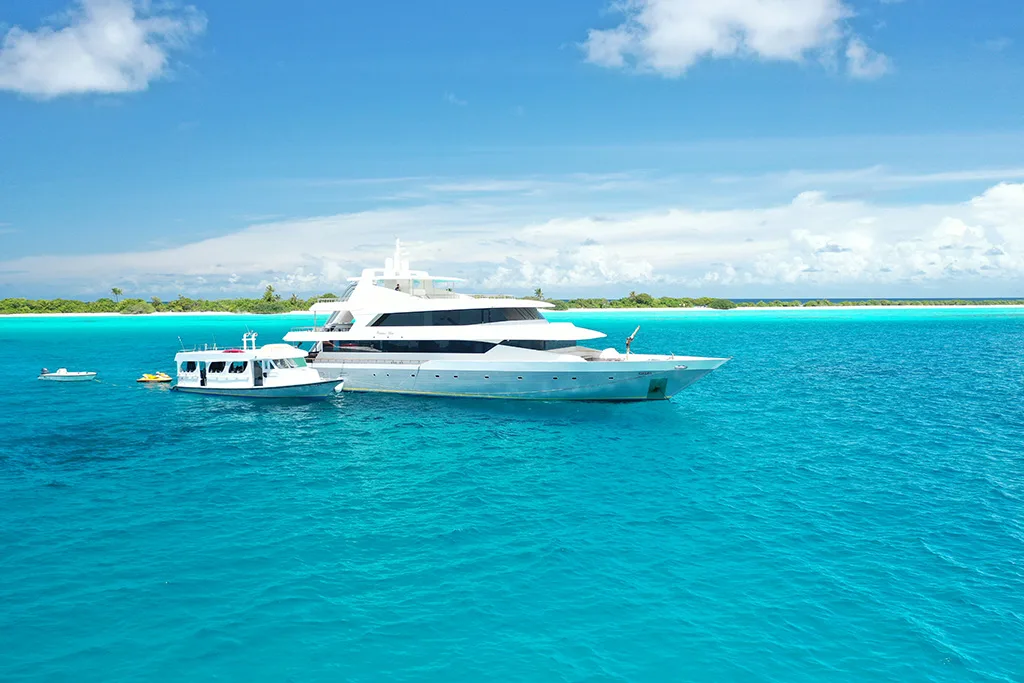
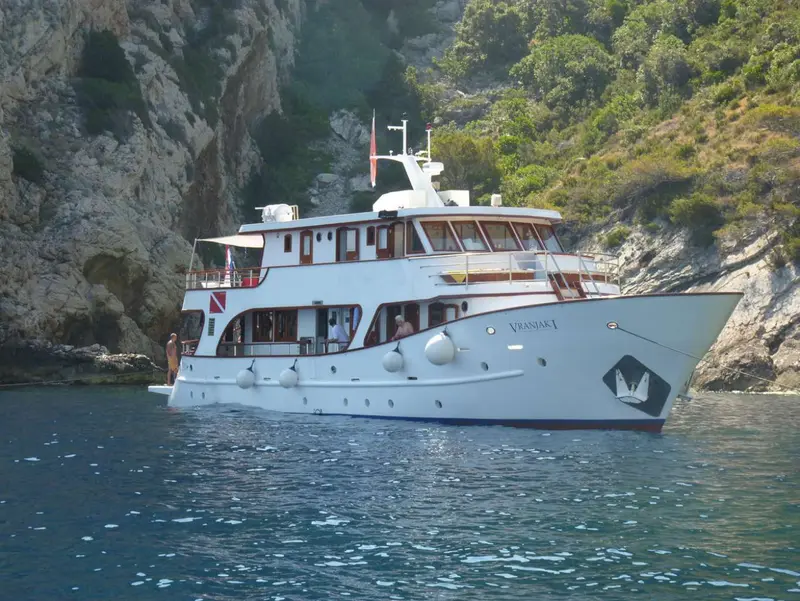
One liveaboard runs trips to Kvarner Bay.
Plan JAKLJAN during the best visibility periods in Kvarner Bay, typically from May through mid-July and again from mid-September through October. Visibility can extend up to 40 metres during these periods, helping you appreciate the wreck’s upright form and wartime features during the open-water descent.
You need at least Advanced Nitrox certification to dive JAKLJAN. The wreck rests between 37 and 55 metres, placing it in the technical diving range, and the depth requires decompression stops. You should therefore plan the dive carefully and follow the experience level required for this demanding profile.
Your descent to JAKLJAN begins in open water along a line attached to the stern. As you free-fall through the water column, the wreck’s outlines appear at around 25 to 30 metres. Continuing downward reveals the ship resting vertically on the sand, approximately 100 metres off Krk’s eastern coast.
JAKLJAN is a World War II cargo transport wreck resting upright on the seabed. Its most distinctive features are the anti-aircraft guns at the bow and stern, which offer historical photographic opportunities. The former cargo and salvaged military equipment are gone, leaving the ship’s structure and guns as the main points of interest.