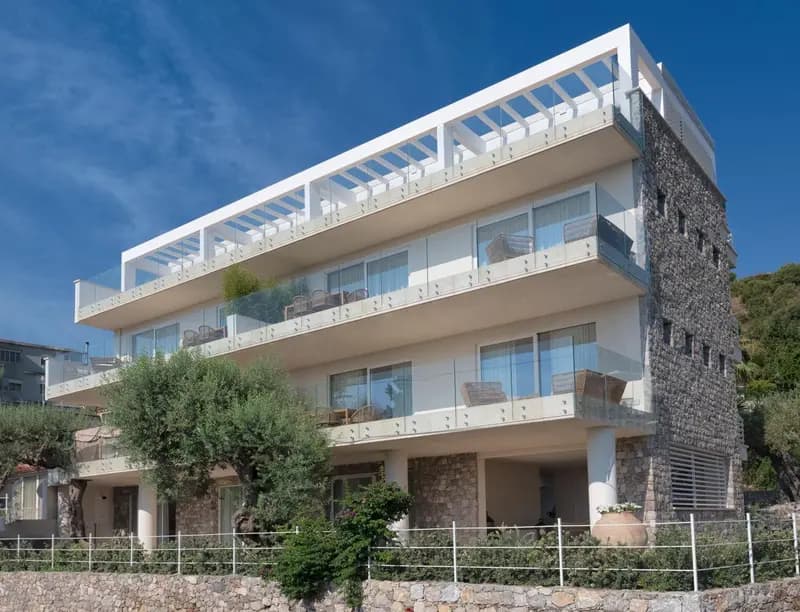
Iancu Charme Apartments
★ 9.7/10 (489 reviews)
74 km away as the crow flies
Dive centre · Sicile · Italy
4.9150 Google reviewsExplore the volcanic canyons and ancient Roman wrecks of the Aeolian Islands from this established PADI 5 Star Dive Resort in Lipari.
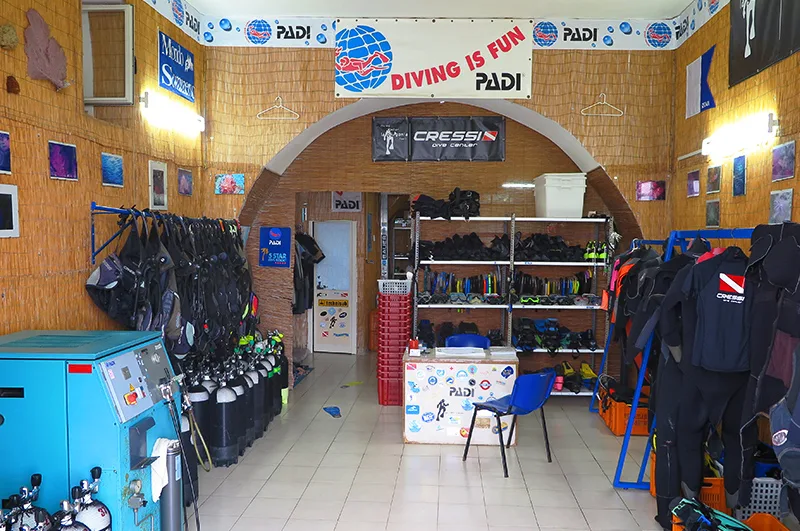
Located on the island of Lipari, the largest in the Aeolian archipelago, Diving Center La Gorgonia sits just a short walk from the central square of Marina Corta. This volcanic landscape has shaped a seabed defined by dramatic vertical walls, deep canyons, and underwater structures formed by ancient eruptions. The proximity to the historic centre and local amenities makes it a practical base for divers exploring these Mediterranean waters.
The centre has been a fixture of the local diving community since 1992. It provides access to a diverse array of underwater environments, ranging from shallow, sun-drenched reefs to deeper, more challenging sites involving steep drop-offs and archaeological remains.
Founded by Giuseppe Vadalà, a local instructor and expert on the Aeolian seabed, the centre is built on decades of experience in these specific waters. The team is experienced in managing a wide variety of diver needs, from those completing their first breaths underwater to professional candidates.
Instruction is available in both Italian and English. The centre is fully equipped for theoretical training with an on-site classroom, ensuring that PADI courses can be conducted efficiently from the initial classroom sessions through to open water training.
As a PADI 5 Star Dive Resort, the centre offers a comprehensive catalogue of training. This spans from the initial Discover Scuba Diving and Open Water Diver courses through to advanced levels such as Advanced Open Water Diver and Deep Diver Specialty.
For those looking to progress professionally, the centre provides training for Divemaster, Assistant Instructor, and beyond. A wide range of PADI specialties are also available, including Nitrox, Wreck Diver, Night Diver, Search and Recovery Diver, Underwater Navigator, and Dry Suit Diver.
The centre operates a 300 HP gommone, a rigid inflatable boat designed to reach the various dive sites around the archipelago. The vessel has a capacity for 15 divers, making it suitable for both small groups and larger batches of divers.
Nitrox is available on board for those looking to extend their bottom time. The boat is used for a variety of dive profiles, including day trips to reefs and walls, as well as dedicated night dives.
The shore-based facilities are designed for efficiency, featuring a dedicated area for recharging air and Nitrox cylinders. The centre provides full kit hire, including BCDs, regulators, wetsuits, and fins, allowing divers to travel light.
There are spacious indoor areas for storing equipment and dedicated basins for rinsing kit after a dive. The centre is well-prepared for various cylinder requirements, offering fills for 10, 15, and 18-litre cylinders, as well as twinset configurations.
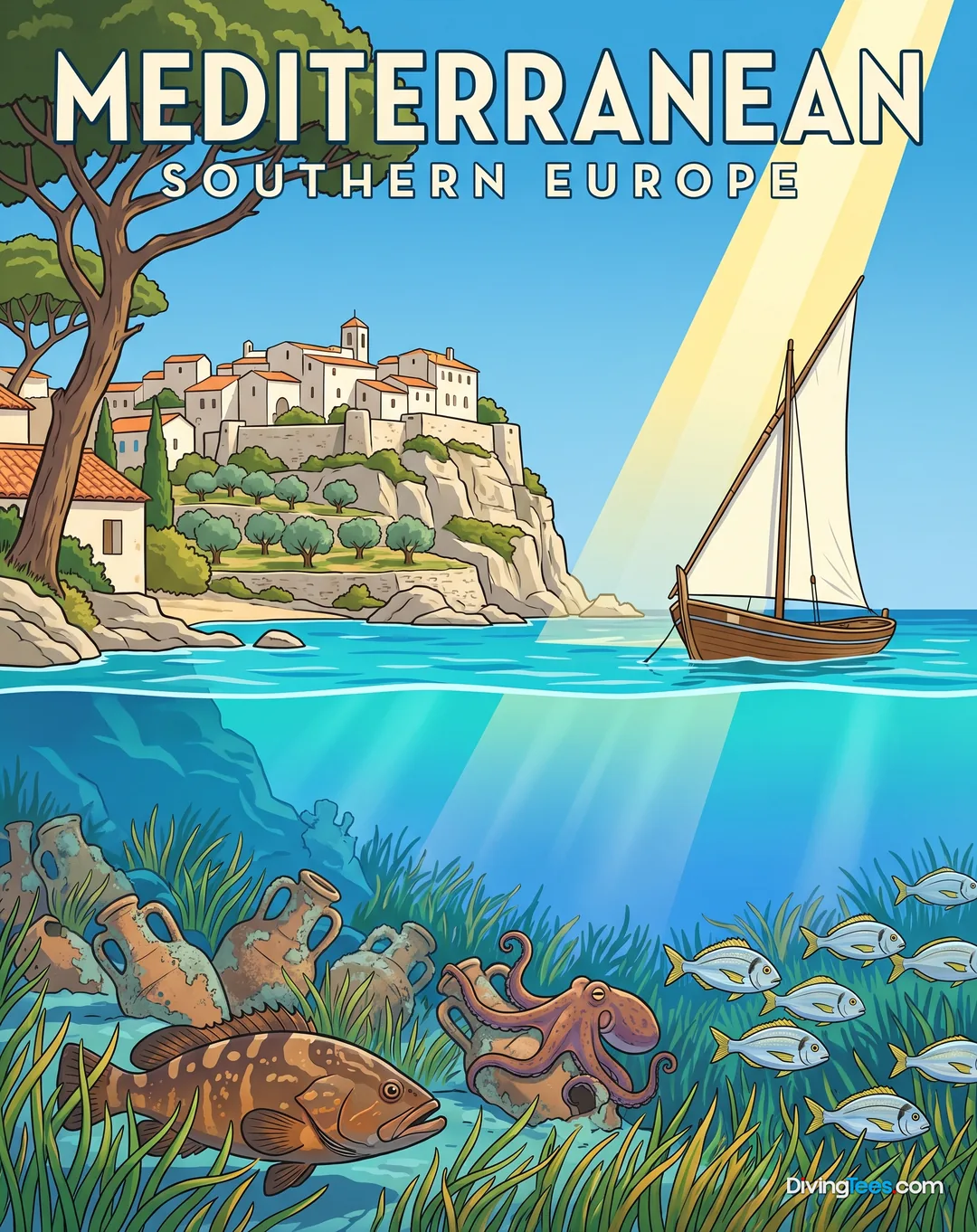
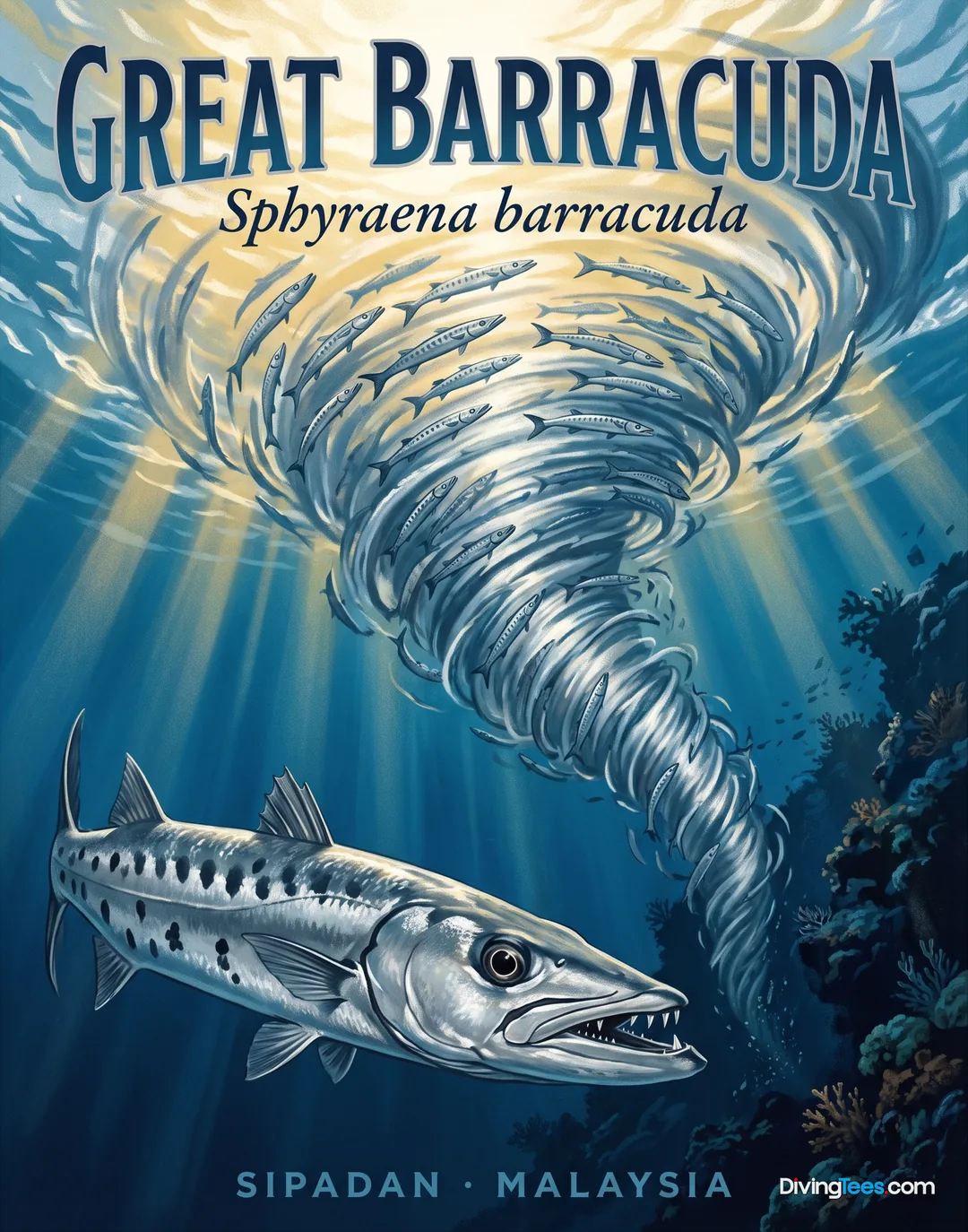
Secca di Capistello is a significant site for those interested in archaeology, featuring a Roman shipwreck dating back to 300 BC. The site sits between 25 and 50 metres and is home to amphorae, large groupers, and barracuda.
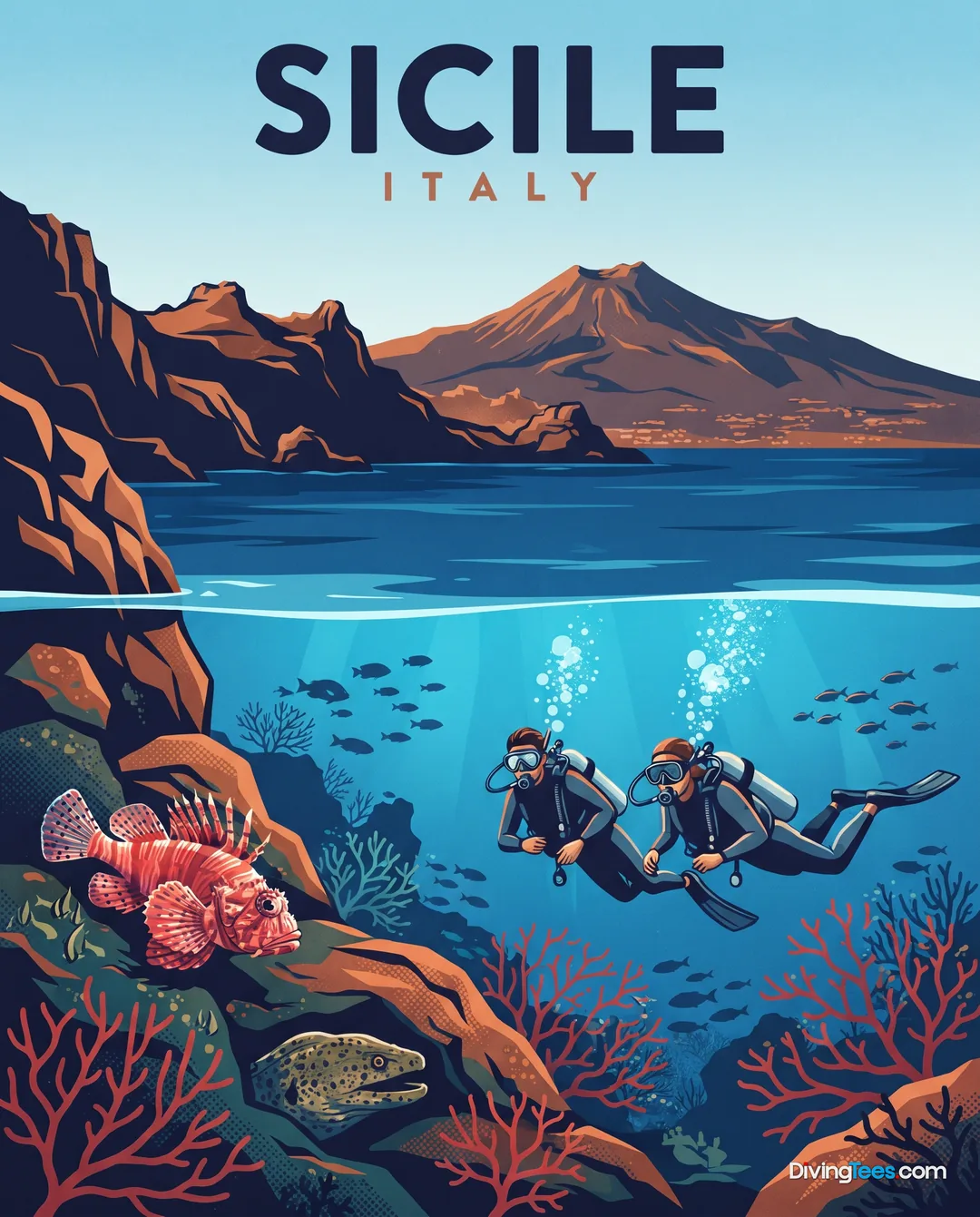
Punta Castagna offers a surreal landscape where a plateau at 10 metres is covered in white pumice dust from ancient volcanic activity. From this white floor, steep canyons cut through the seabed toward vertical walls adorned with red gorgonians.
Scoglio dei Monaci is a striking site where a canyon leads directly to a sheer wall. Descending to 35 metres, divers can follow the drop-off to admire extensive colonies of red gorgonians and find shelter in the rock crevices.
Secca del Bagno is a demanding site formed by three submerged rocks, with the most interesting summit at 22 metres. The walls are highly coloured and populated by red gorgonians and large groupers.
And some of the dive sites the centre runs.
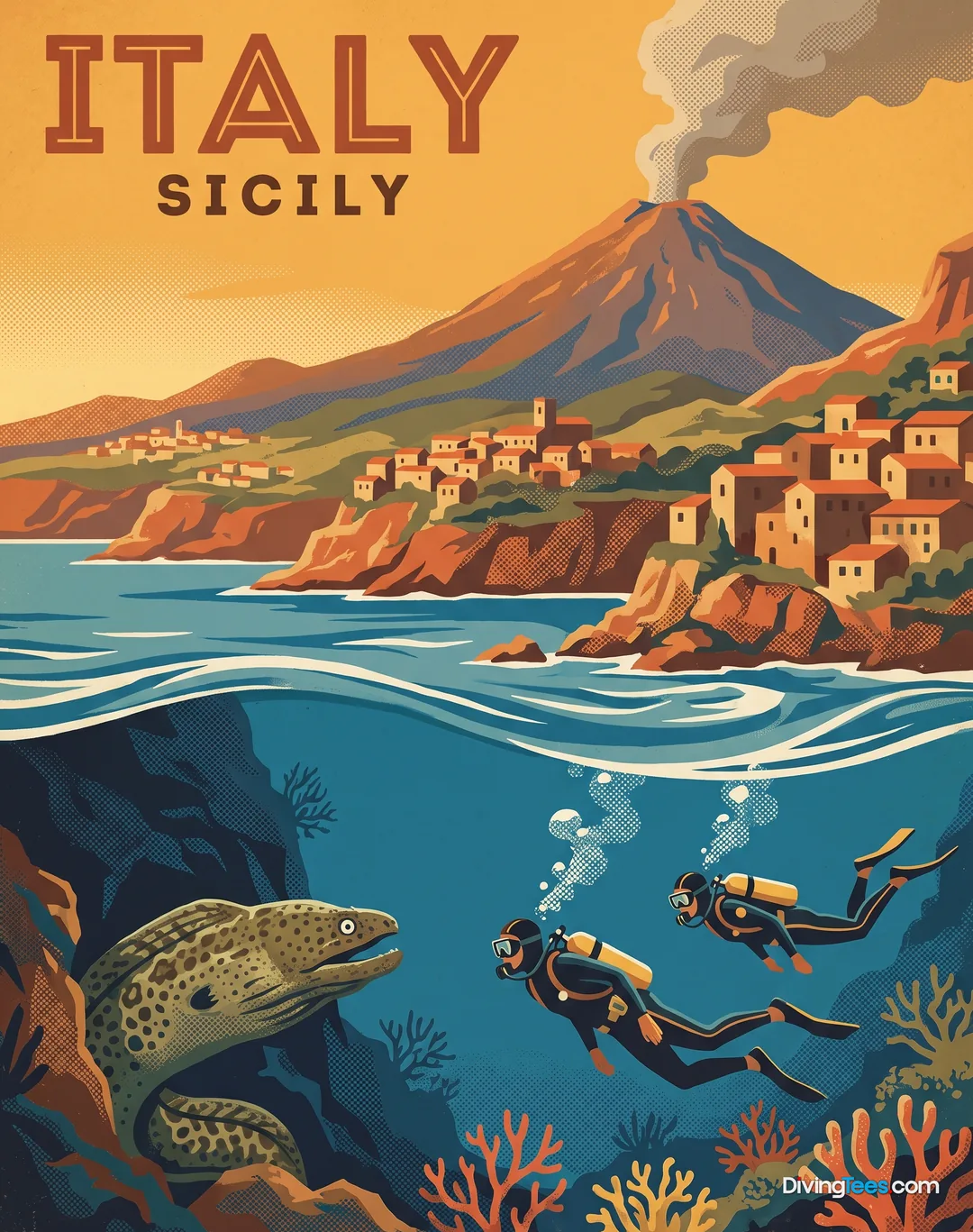
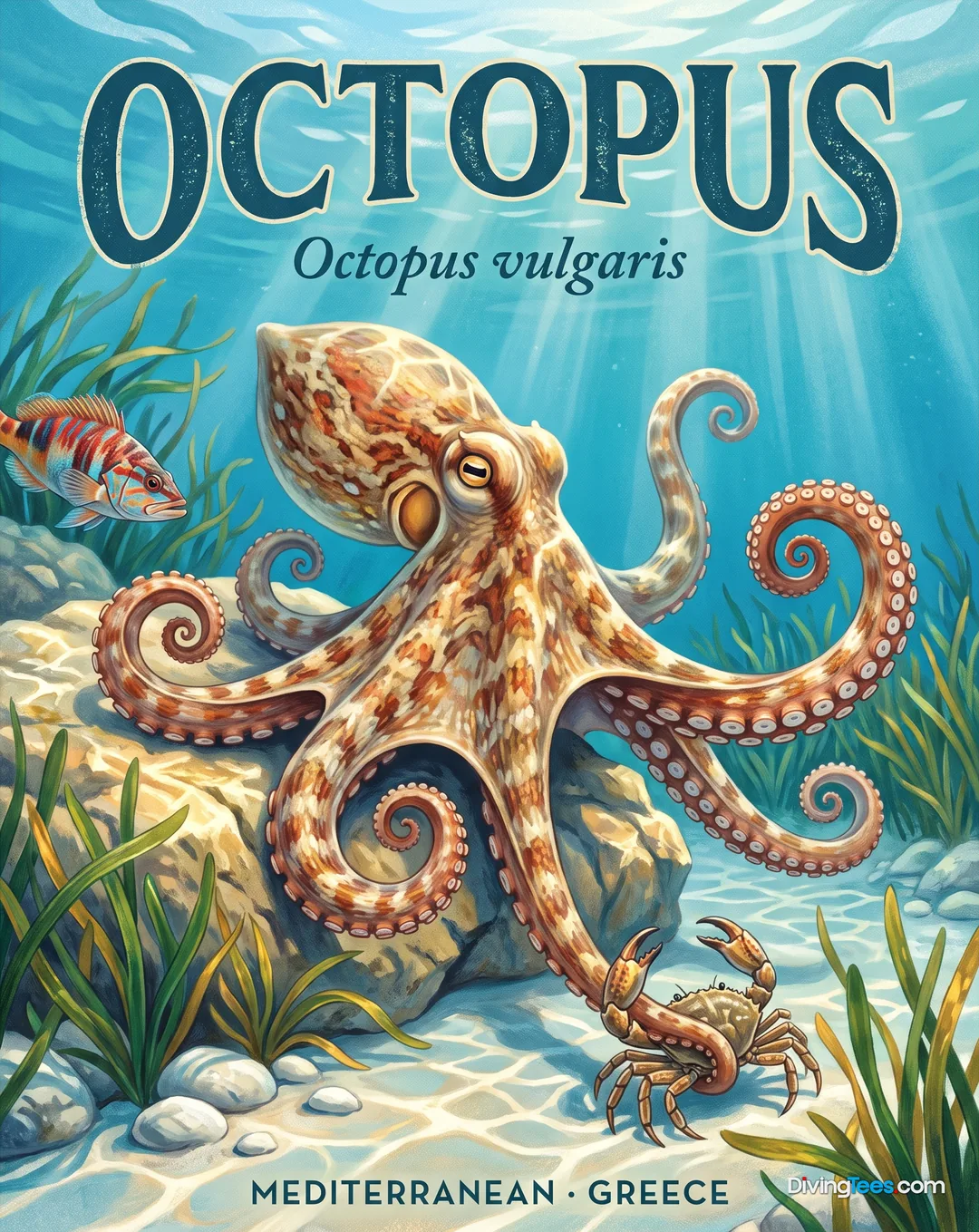
The volcanic reefs and walls are home to a rich variety of Mediterranean life. You will frequently encounter large groupers and barracuda patrolling the structures, while moray eels and octopuses hide within the rocky cracks and caves.
The seascape is defined by its fixed life, particularly the vibrant colonies of red gorgonians that cling to the canyon walls and vertical drops. Sponges and various types of sea anemones provide a colourful backdrop to the deeper sites.
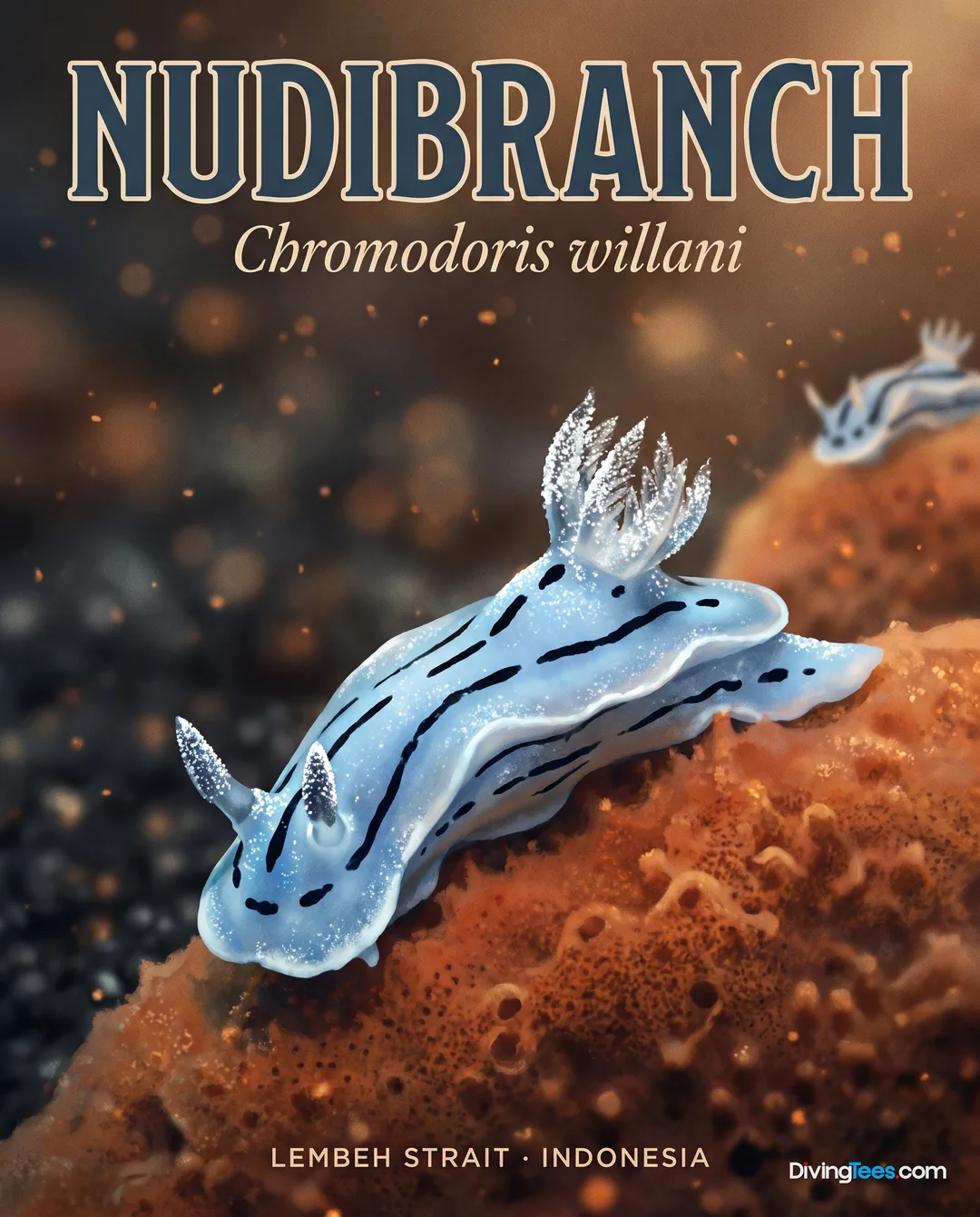
Macro life is abundant throughout the archipelago. Divers can find a variety of nudibranchs, shrimp, and scorpionfish amongst the crevices, as well as colourful parrotfish and various species of crabs and molluscs like pinna nobilis.
In the seagrass meadows and around the rocky outcrops, you will see a steady stream of smaller residents, including damselfish, various species of wrasse, and many types of crustaceans such as lobsters and crayfish.
Diving in the Aeolian Islands is best experienced between April and November. The underwater topography is shaped by volcanic activity, resulting in significant depth changes and vertical features.
The area features various canyon and wall environments which can influence local water movement. Divers should be prepared for different levels of difficulty depending on the site, with some locations requiring more advanced buoyancy control due to the steepness of the terrain.
Hello, I'm Marina, DivingDeal.com's AI assistant. I answer in detail about hotels, dive centres and liveaboards.

Thinking about the whole trip and the flights? Talk it over with Edith →
Marina is an AI. Some links are affiliate links: DivingDeal may earn a commission, at no extra cost to you. Bookings are made with the partner.
★ 9.7/10 (489 reviews)
74 km away as the crow flies
★★★
★ 9.3/10 (1,333 reviews)
188 km away as the crow flies
★★★★
★ 9.7/10 (285 reviews)
145 km away as the crow flies
★★★★
★ 9.4/10 (453 reviews)
60 km away as the crow flies