
Scuba Diving Lovers Lebanon
Google 5/5 (114 reviews)
Lebanon · Mediterranean
Rocky shallows, the upright Alice B cargo wreck, and a sheltered Lebanese bay make Jounieh a practical base for varied Mediterranean diving.
For subtitles in English: start the video firstthen click the gearat the top right of the video, select “Subtitles/CC”, then “Auto-translate” and choose “English”.
Jounieh is a shore-based diving base built around a sheltered bay, where shallow rocky ground and training sites sit alongside boat trips to the Alice B. That range matters for a short break: a beginner or recently qualified diver can stay in manageable water, while an experienced diver can make a properly planned deep wreck dive. The town also works for a mixed holiday, with Beirut and Harissa close enough to give non-divers a worthwhile day ashore.
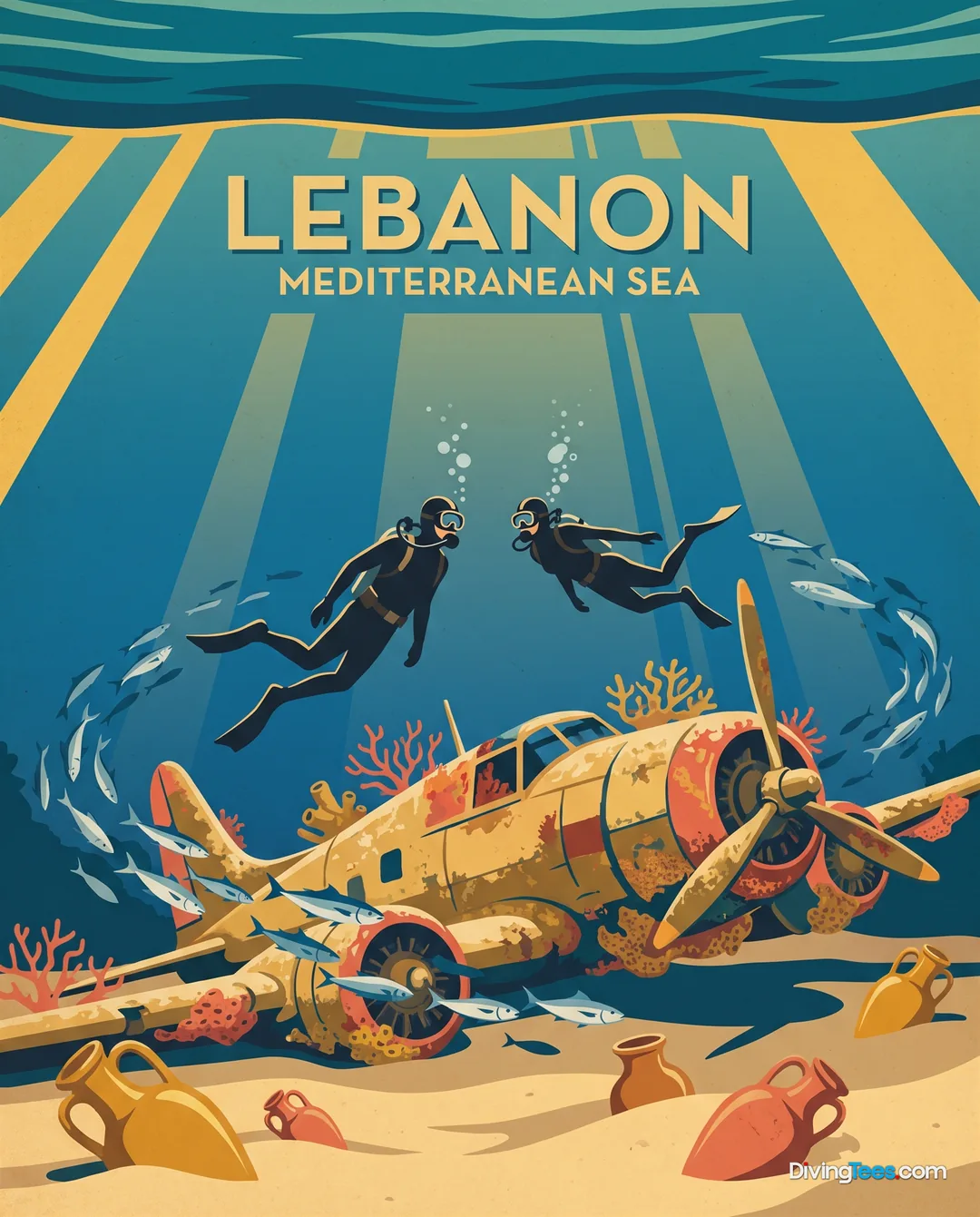
The diving moves between shallow rocky and reef ground in the bay and deeper boat dives on wrecks. The Alice B is an upright cargo ship on sand, with the deck at about 27 metres and the bottom at roughly 37 metres. It is a real depth dive rather than an ordinary sightseeing stop, and the route, gas planning and ascent need to be treated accordingly. Conditions are variable rather than predictably still, although Jounieh can remain usable when more exposed parts of the Lebanese coast are affected by wind or swell. Visibility is commonly around 10 to 20 metres from June to October, but it can fall when weather stirs the water. Plan the wreck for the calmest day, and keep the shallower bay dives available when a boat outing is doubtful.
The regular cast is Mediterranean rather than spectacularly tropical: grouper hold around the rocks, moray eels occupy crevices, and octopus provide the patient diver with something to watch between the larger encounters. Lobster is an occasional April sighting, while tuna and marine turtles may also pass through. The bay's underwater restoration work has placed structures intended to provide habitat and encourage fish to return, with a local no-fishing zone associated with that project. Do not turn those possibilities into a checklist. Jounieh is better approached as a place for close observation of rocky ground and wreck life, with the occasional larger animal adding interest, rather than as a destination built around guaranteed pelagic encounters.
June to October is the sensible window for Jounieh. Summer and early autumn usually bring the calmest, clearest conditions, which matters most when the Alice B is the reason for travelling. Those months also give more flexibility to move a wreck trip around a poor-weather day and use the bay when required. December, January and February are less dependable, as stronger winds, swell and spells of bad weather can disrupt boat plans and reduce visibility. April has the occasional lobster interest, but it does not outweigh the greater weather margin of the main season.
Jounieh suits all levels, provided the dive is matched to the diver. Shallow coastal ground is appropriate for beginners, refresher dives and training, while the Alice B calls for an Advanced Open Water qualification or equivalent, plus recent comfort at depth. BSAC, PADI and SSI divers should check that their certification and logged experience meet the operator's requirements for a wreck with the deck at about 27 metres and the sand at 37 metres.
From London Heathrow, Gatwick or Manchester, arrange the journey to Beirut, then continue by road to Jounieh. The drive is usually about 30 to 45 minutes, but Lebanese traffic can make that estimate optimistic, particularly when a boat departure is fixed. There is no ferry, domestic flight or sea crossing between Beirut and Jounieh. Once in the area, a nearby centre and accommodation may be manageable on foot, but a taxi or local transfer is more realistic for outlying lodging and dive equipment. Boat departures for the Alice B and other more distant sites are arranged from the Jounieh coast, so allow road time before the stated meeting or departure time.
Treat the Alice B as the trip's weather-sensitive appointment, not as something that can simply be fitted in at the end. Put it on the calmest available day and keep a coastal dive as the working alternative. Before travelling across town with kit, ask which parts of the bay are sheltered that day, since a boat cancellation does not necessarily mean that every local dive is lost. Do not mistake the shallow Jounieh sites for preparation for a 37-metre wreck: depth experience and the right qualification matter. Published visibility figures for the Alice B are no guarantee for the whole bay, so plan around the actual weather and site. Leave generous time for the Beirut to Jounieh road journey, and keep a spare day if the wreck is the main objective. That margin is particularly valuable outside the June to October window, when wind and swell can change the programme.
A three- to five-day stay gives enough room for the Alice B, coastal dives and a weather reserve without turning the trip into a liveaboard itinerary. Base yourself close to the diving if possible, as moving equipment through traffic is unnecessary hassle. On a non-diving day, walk the Jounieh waterfront, visit Harissa for its coastal views, or head towards Beirut and the historic and cave sites of Kesrouan. The town also suits companions who want sea views, cultural visits and surface activities.
Hello, I'm Marina, DivingDeal.com's AI assistant. I guide you through destinations, areas and countries.
Thinking about the whole trip and the flights? Talk it over with Edith →
Marina is an AI. Some links are affiliate links: DivingDeal may earn a commission, at no extra cost to you. Bookings are made with the partner.
Choose June through October for clearer conditions and generally calmer weather. This window gives you more flexibility to schedule the Alice B on a suitable day and use sheltered bay dives if wind or swell affects boat plans. Outside this period, weather can be less dependable and visibility may decrease.
Jounieh suits different experience levels when you choose an appropriate site. Shallow coastal ground works for beginners, refresher dives and training. The Alice B is a deep wreck dive requiring an Advanced Open Water qualification or equivalent, recent comfort at depth, and suitable route, gas and ascent planning.
You can explore rocky shallows, reef ground and the upright Alice B cargo wreck resting on sand. Grouper, moray eels and octopus are regular encounters, while lobster may appear in April. Turtles and tuna occasionally pass through the bay, and restoration structures provide additional habitat for returning fish.
Travel to Beirut, then allow road time to reach Jounieh, since traffic can delay transfers to boat departures. Stay near the diving if possible, schedule the Alice B on the calmest day, and keep a coastal dive as an alternative. Allow spare time for weather, and consider Harissa or Beirut for non-diving days.