
Buceo Mantra
Google 5/5 (54 reviews)
Chile · Pacific
Rock walls, caves, the Indus wreck and occasional sea lions make Pichidangui a shore-and-boat destination on Chile’s central coast.
For subtitles in English: start the video firstthen click the gearat the top right of the video, select “Subtitles/CC”, then “Auto-translate” and choose “English”.
The island in front of Pichidangui Bay is the first thing that explains this destination underwater: it gives the inner bay useful shelter while rocky formations, cavities and walls provide the scenery. Diving here is not about coral gardens or a liveaboard itinerary. It is a village-based Chilean coastal trip, with shore dives in the bay and boat outings to deeper ground, cliffs, drop-offs and the Indus wreck. That spread makes Pichidangui workable for mixed-experience groups.
Expect irregular rock rather than a uniform seabed: formations, caverns, cliffs and drop-offs shape the dives, with the island reducing exposure inside the bay. Some sites are reached from the beach, while deeper terrain and the Indus wreck require a boat. Currents are variable, so a calm-looking bay does not make every site equally sheltered, and a downcurrent or drift dive should be treated as a local conditions decision rather than a standard feature. Visibility is often described as reaching about 20 metres, although higher figures are also quoted for some seasons. Treat those numbers as a possibility, not a planning guarantee. Swell can reduce the view and alter which sites are practical. The result is a flexible, cold-water style of diving, with straightforward reef-like rock exploration inshore and more committed boat dives beyond the bay.
Sea lions are the memorable wildlife possibility at Pichidangui, but they are an occasional encounter rather than something to schedule around. Their appearance has no dependable seasonal window, so the sensible approach is to enjoy the meeting if it happens and judge the destination on its rock scenery instead. Underwater, the main visual material is the habitat itself: dark cavities, broken rock, walls and drop-offs that give marine life places to shelter. The Indus adds a different setting, with the interest of exploring a wreck rather than another natural formation. Pichidangui therefore suits divers who enjoy looking closely at temperate coastal structure, while anyone expecting guaranteed large-animal encounters should keep expectations measured.
September to May is the usual preferred window for diving Pichidangui. This covers the warmer part of the local cycle and the period when visitors most commonly plan coastal activities, although summer also brings more people to the village. Winter is quieter and the water colder, but it can offer calmer conditions and, in some accounts, better visibility. There is no rainy season or monsoon pattern shaping the operation. Since the island shelters the bay but not every boat site, the useful rule is to match the season with flexibility: use calm days for exposed outings and keep the sheltered bay for less settled weather.
Pichidangui can suit beginners, with introductory sites and shore diving in the bay, as well as divers who want deeper rock formations and boat work. Open Water, BSAC Ocean Diver or equivalent experience is enough for the easier options, provided local conditions are respected. Advanced Open Water, BSAC Sports Diver or equivalent is sensible for deeper sites. The Indus is described for confirmed divers, so qualification, depth experience and comfort in variable current matter more than simply having logged a certain number of dives.
From London or Manchester, the practical journey ends with a road transfer to Pichidangui. Santiago is the relevant overland starting point, roughly two hours away by road in local estimates, and the coastal road is another approach. Intercity buses serve the area, so compare bus timetables with any flight connection before fixing the diving dates. There is no ferry or domestic flight required for the final approach, and no local airport forms part of the route. Once in Pichidangui, the village-based centres are close to the beach, making walking or a short local transfer realistic for the first leg. Boat departures and other launch points still need checking locally, rather than assuming every dive begins beside your accommodation.
Confirm whether each planned outing is from the shore or by boat before you commit to a full schedule. The two formats do not offer the same shelter, depth or weather tolerance. Ask which sites remain comfortable when swell rises: the island protects the bay, but it does not flatten conditions everywhere. If the Indus or deeper drop-offs are the objective, check the required experience and qualification rather than treating them as an extension of a beginner shore dive. Keep one day flexible for boat work, and group boat dives into the same favourable weather window. Do not build the trip around a promised 20 to 40 metres of visibility, as conditions can change that picture. Check bus and road connections in advance, and take any specialist accessories or equipment you cannot confirm locally. Treat sea lions as a bonus, not a timetable item.
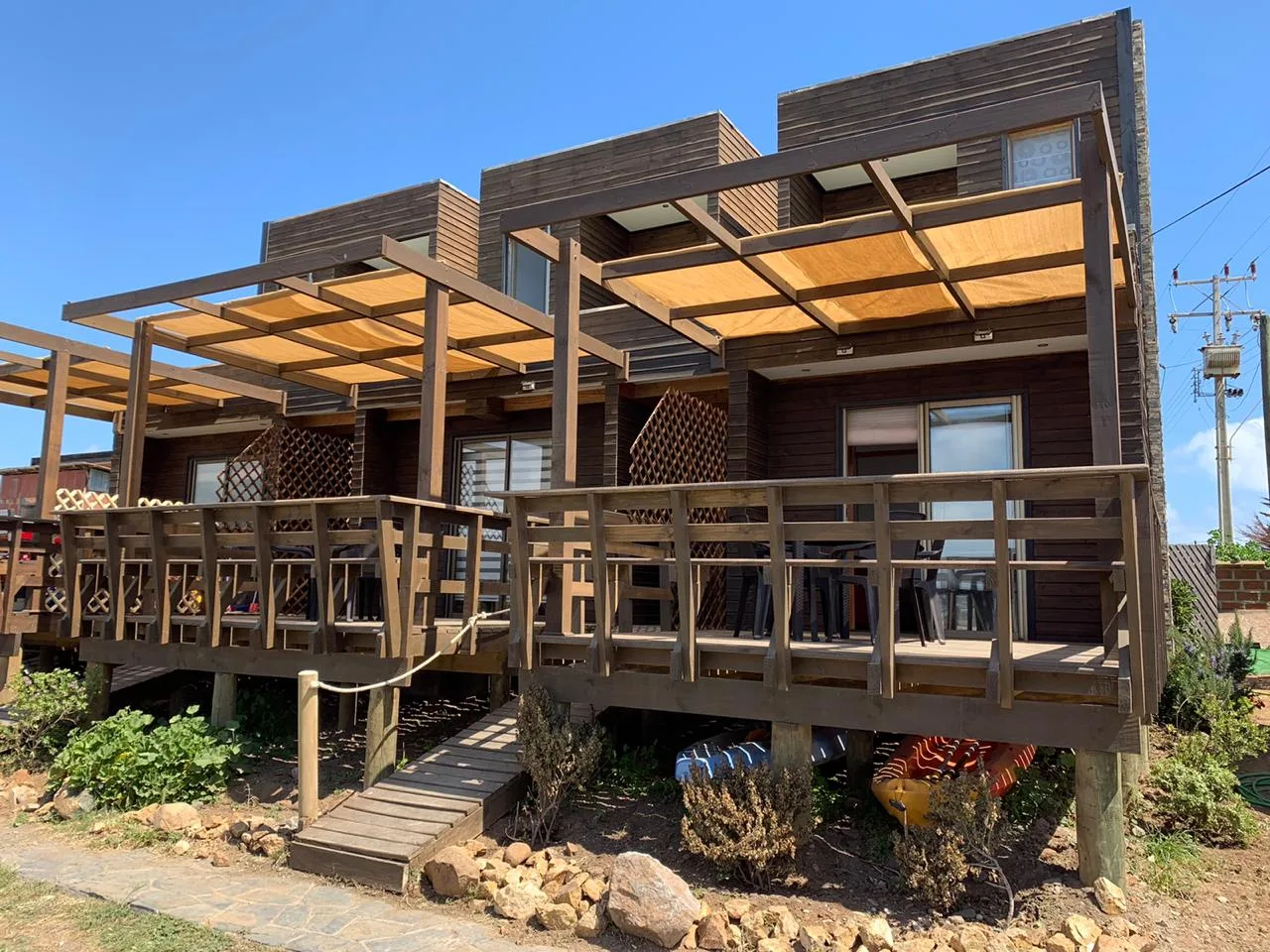
Pichidangui works best as a stay on land, with diving arranged from the village rather than from a liveaboard. Accommodation and diving are close to the beach, so the daily routine can be simple, particularly for shore dives. Use the bay for easier or weather-affected days, then reserve suitable conditions for boat trips to deeper sites and the Indus. Non-divers have the bay, beaches, coastal excursions, snorkelling and non-motorised watersports to fill the surface intervals.
Hello, I'm Marina, DivingDeal.com's AI assistant. I guide you through destinations, areas and countries.
Thinking about the whole trip and the flights? Talk it over with Edith →
Marina is an AI. Some links are affiliate links: DivingDeal may earn a commission, at no extra cost to you. Bookings are made with the partner.
The usual preferred period is from September to May, during the warmer part of the local cycle. Summer brings more visitors to the village. Winter is quieter and colder, but may bring calmer seas and better visibility. Keep your plans flexible, using sheltered bay sites when exposed boat outings are unsuitable.
Pichidangui offers introductory sites and shore diving inside the protected bay, making it suitable for beginners when local conditions are respected. Deeper rock formations, boat dives and the Indus wreck require greater experience. Advanced-level training is sensible for deeper sites, while confirmed divers should assess their qualification, depth experience and comfort in variable current.
You can explore rocky formations, cavities, caves, cliffs, underwater walls and drop-offs, with the island sheltering the inner bay from open-water swell. The Indus wreck provides a different boat-diving setting. Sea lions may appear around coastal sites, but encounters are occasional, so the main attraction is temperate underwater structure.
Plan a village-based stay, arranging shore dives in the bay and boat outings to deeper sites from local centres near the beach. Confirm which dives require a boat, check conditions and qualifications for the Indus, and keep the schedule flexible. Compare road or bus connections from Santiago, while allowing time for non-diving coastal activities.