Africa
Kenya: Watamu, safari country and seasonal diving
Kenya pairs Watamu’s seasonal diving with the safari landscapes of Masai Mara, Amboseli and Tsavo, making the sea only one part of the journey.
What makes this country unique
- Watamu from October through April
- January to April for Watamu diving
- October to December on the Watamu calendar
- Masai Mara safari country beyond the sea
- Amboseli and Tsavo for a safari extension
- Nairobi and Mombasa overland transfer considerations
- Northeast monsoon and morning departures
For subtitles in English: start the video firstthen click the gearat the top right of the video, select “Subtitles/CC”, then “Auto-translate” and choose “English”.
This country for a diver
Kenya is a focused dive country rather than a destination built around several contrasting coasts. Watamu is the named centre, with the country’s diving shaped by the relationship between lagoon, outer reef and marine-park waters. That concentration makes the main decision straightforward: choose the Watamu season first, then plan the rest of the journey around it. Kenya also stands apart because a dive trip can sit alongside safari country, with Masai Mara, Amboseli and Tsavo giving the land portion a very different character from the sea.
How the country divides
Kenya’s dive geography is concentrated around Watamu. It is not a case of choosing between rival coastal regions with opposite underwater characters; the useful division is between the Watamu area and the rest of a wider Kenyan journey, particularly the safari landscapes inland. Watamu is therefore the page to read when the priority is planning diving, working out how the lagoon and outer-reef options fit together, and matching the trip to the October-to-April season. For a traveller combining sea and land, the country works more like a single coastal base with a separate safari chapter than a linked sequence of dive resorts. Masai Mara, Amboseli and Tsavo belong to that landward chapter. This arrangement suits divers who would rather settle the diving around one well-chosen coastal stop than spend valuable time transferring between several underwater regions.
Diving destinations
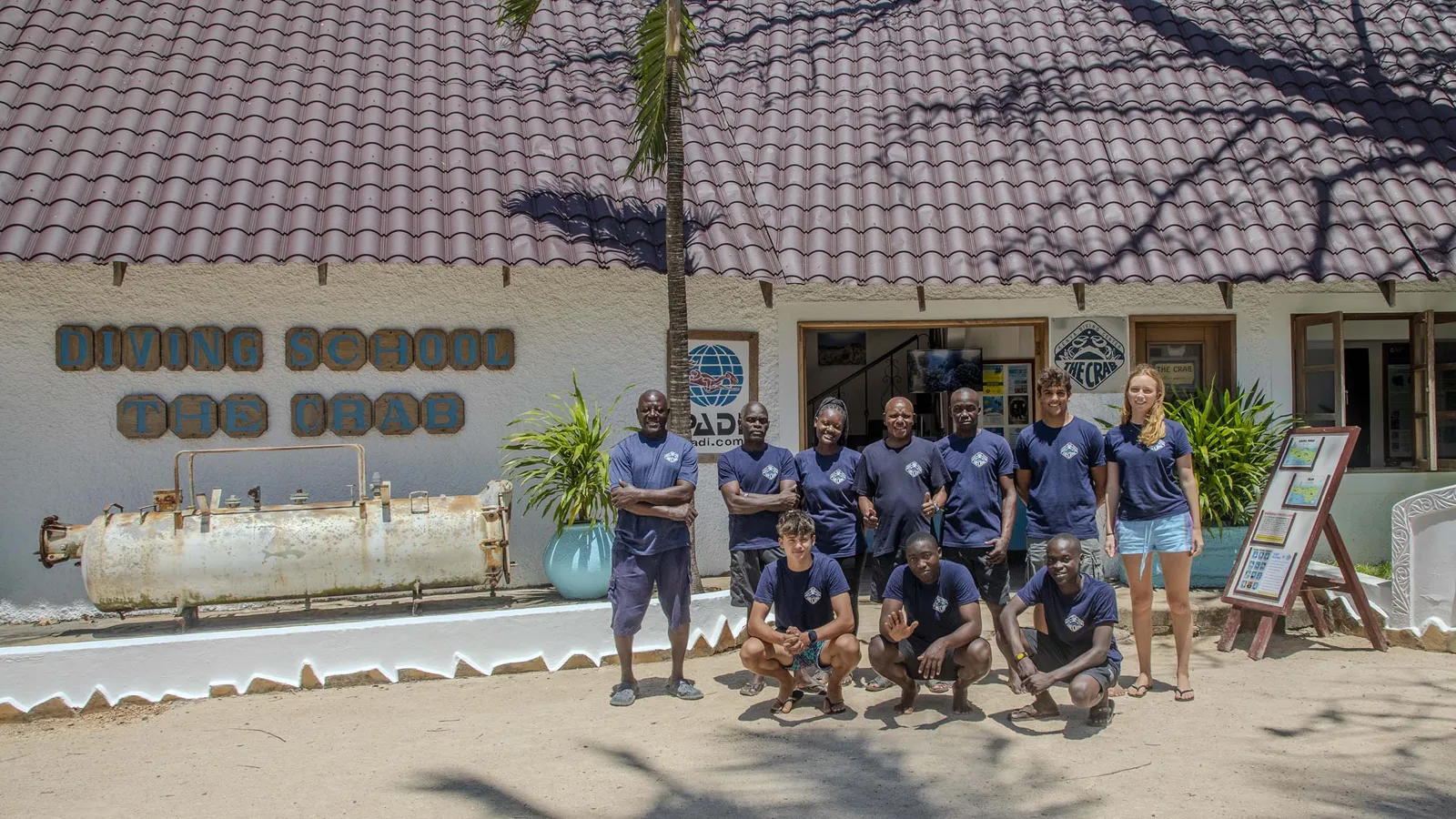
Dive centres


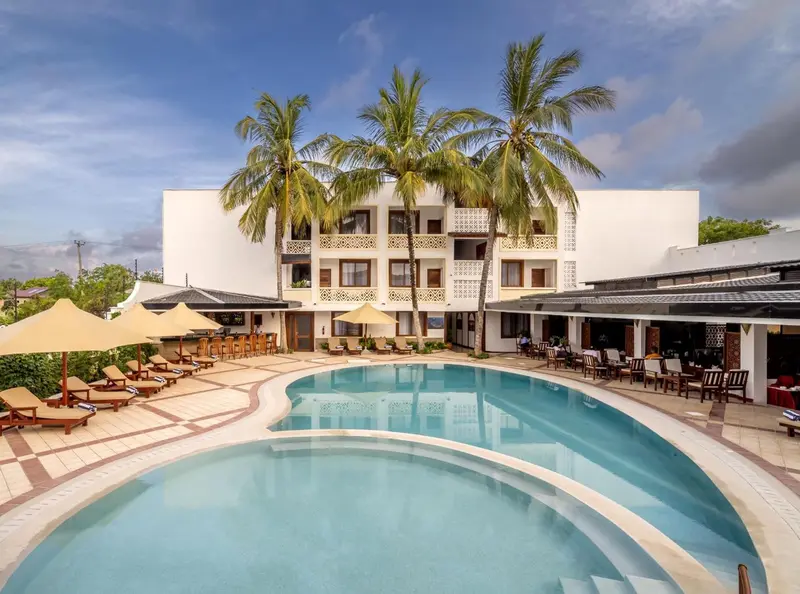
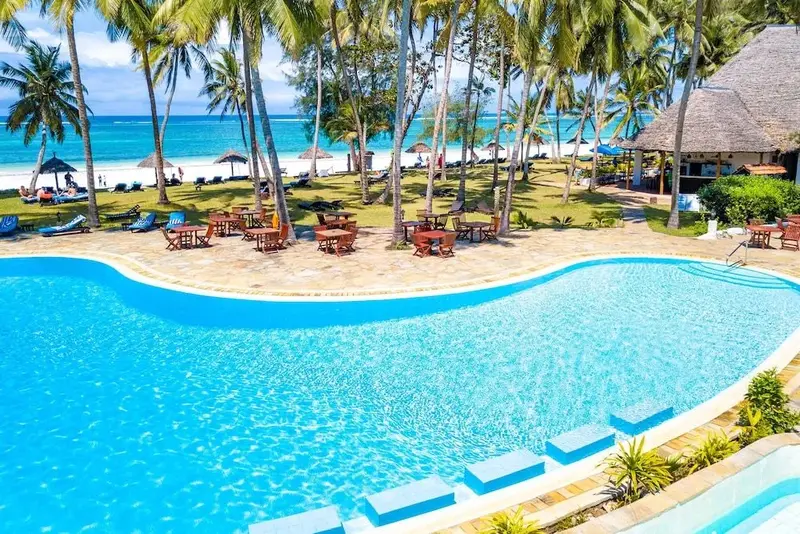
Hotels
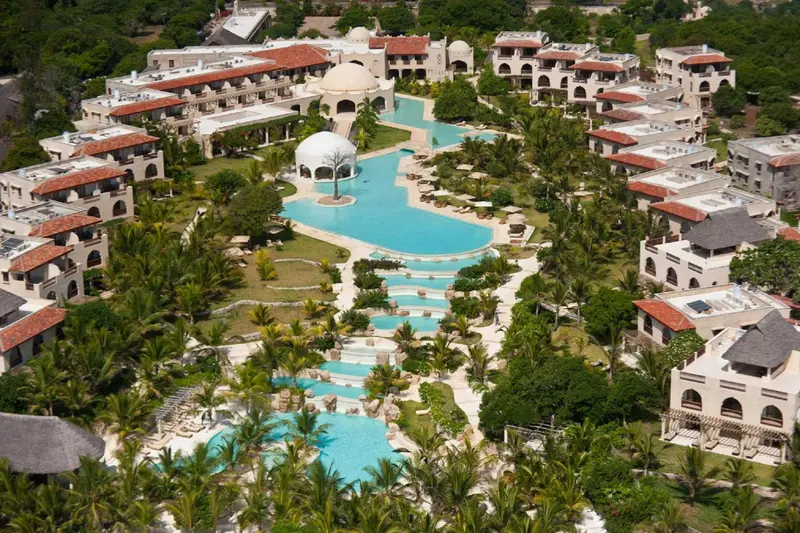
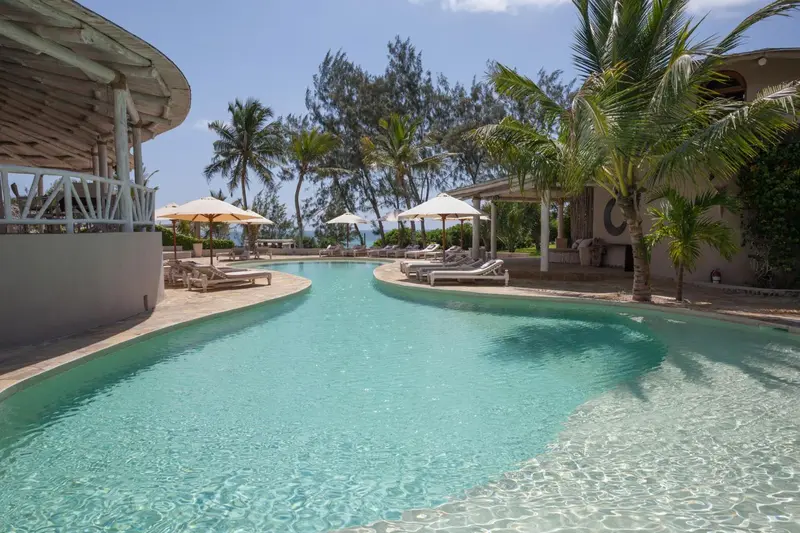
When to go, and where by month
Watamu is in season from October to April. In practical calendar terms, January, February, March and April are Watamu months, followed by a break through May, June, July, August and September. The season opens again in October and continues through November and December. There is no opposing Kenyan coast to substitute when Watamu falls outside that window, so the country’s planning question is not which side has better conditions at the same time, but whether the trip fits the Watamu period. The northeast monsoon is the useful explanation for the strongest part of the pattern, broadly from November to March. Local operators report that afternoon winds more often roughen the surface and reduce visibility, particularly in the lagoon, so morning departures are the sensible bias. October and April sit at the edges of the stated season rather than being treated as interchangeable with its middle.
Marine life, coast by coast
No particular marine animal is identified as a country-wide encounter in Kenya, and no named species is assigned to a separate Kenyan coast or zone. That makes fauna a poor basis for stitching together a multi-stop dive itinerary. Watamu is the named diving focus, but the useful country-level distinction is seasonal and logistical rather than a promised route for rays, sharks or groupers. The landward wildlife story is clearer in the names Masai Mara, Amboseli and Tsavo, all associated with safari rather than with a stated underwater species pattern. A diver can therefore combine marine time with a safari, but should not assume that moving around Kenya will deliver a different, specified marine animal at each stop.
Getting between the areas
There is no multi-zone Kenyan dive chain to combine: Watamu is the country’s named diving base. The meaningful journey is therefore between the coast and the inland safari areas, rather than from one dive region to another. Nairobi and Mombasa are the overland reference points for reaching the coast, and a long transfer from either can affect the first day in the water. Do not schedule a deep outer-reef or canyon dive on arrival after travelling overland. Heat and road time can leave a diver less prepared for currents or blue-water conditions. In a Kenya itinerary, the cost of combining experiences is chiefly transfer time and fatigue, not a sequence of coastal hops.
Take off your mask
Kenya’s identity on land is carried most clearly by safari. Masai Mara, Amboseli and Tsavo are the named park landscapes that give the country its famous contrast with the Watamu coast. They make the non-diving part of a journey about moving from marine space to large protected landscapes, rather than simply extending a beach stay. Nairobi and Mombasa are the practical overland reference points in that transition, linking the coastal chapter with the inland one. The material available here does not attach a named Kenyan dish, restaurant or eating tradition to any of those places, so food cannot be described responsibly in the same concrete way as the safari parks. What can be said plainly is that Kenya offers a land journey with its own weight: Masai Mara, Amboseli and Tsavo are not decorative add-ons to Watamu, but the country’s defining non-marine experience.
What holds true everywhere here
Three practical rules follow across Kenya’s diving coast. Plan the main days within Watamu’s October-to-April season, with the northeast monsoon broadly favouring the period from November to March. Favour morning departures: afternoon winds can chop the surface and reduce lagoon visibility. A marine-park permit is required before entering to snorkel or dive; arriving from the beach with equipment and no permit can mean being turned back or fined by rangers. Finally, treat Nairobi- or Mombasa-based overland travel as a real part of the itinerary. Arrival-day fatigue is a poor match for deep outer-reef or canyon diving, where currents and blue-water conditions demand a properly prepared diver.
Frequently asked questions about Kenya
When should you choose Kenya for diving in Watamu?
Choose Kenya for Watamu diving during the seasonal window from October through April. The Watamu calendar also highlights January through April, while October through December is another marked period. The northeast monsoon and morning departures are part of the local diving context, so consider both season and daily timing when planning.
What marine life can you expect to see when diving in Kenya?
Kenya’s named diving focus is Watamu, but no particular marine animal is identified as a country-wide encounter or assigned to a separate coast or zone. You can plan around the diving setting and season, rather than expecting different specified species at each stop. Marine fauna is not a reliable basis for a multi-stop itinerary.
How can you combine diving in Kenya with a safari stay?
You can make Watamu your marine focus and add safari country beyond the sea. Masai Mara, Amboseli and Tsavo are identified as safari destinations, giving your Kenya trip a landward wildlife component. This combination joins seasonal diving with safari landscapes without relying on a promised underwater species pattern between different locations.
What should you consider when planning a diving stay in Kenya?
Plan your Kenya stay around Watamu for diving, then weigh Nairobi and Mombasa when considering overland transfers. The northeast monsoon and morning departures may shape your daily diving arrangements. If you add a safari extension, allow your itinerary to connect the coastal diving focus with Masai Mara, Amboseli or Tsavo.