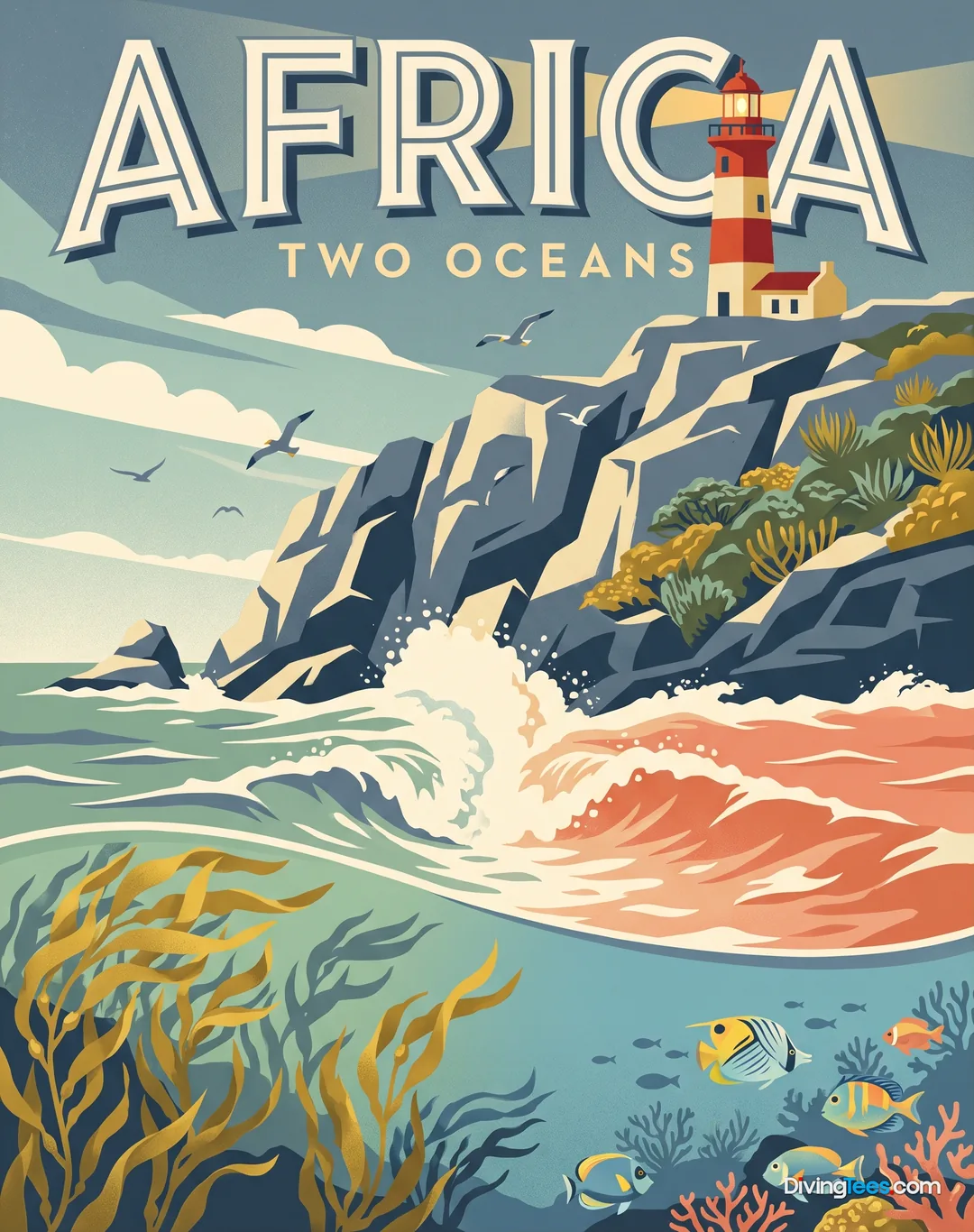
Africa
South Africa: reefs, sharks and regional contrasts
From Cape Town’s kelp forests to Sodwana Bay, South Africa combines blue-water diving with Robben Island, Durban’s bunny chow and the landscapes of iSimangaliso.
What makes this country unique
- KwaZulu-Natal reefs from December through May
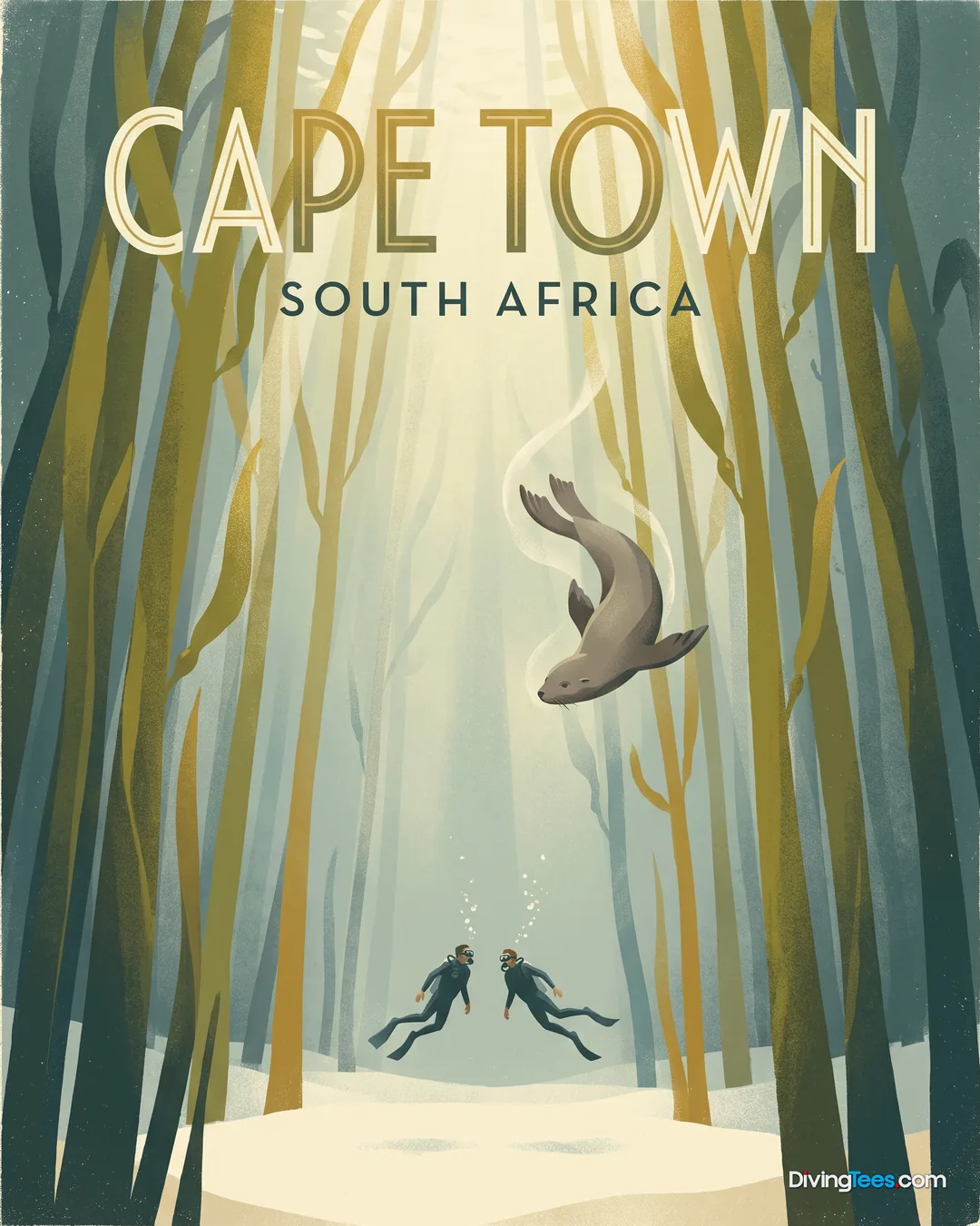
- Cape Town kelp forests and Atlantic shore dives
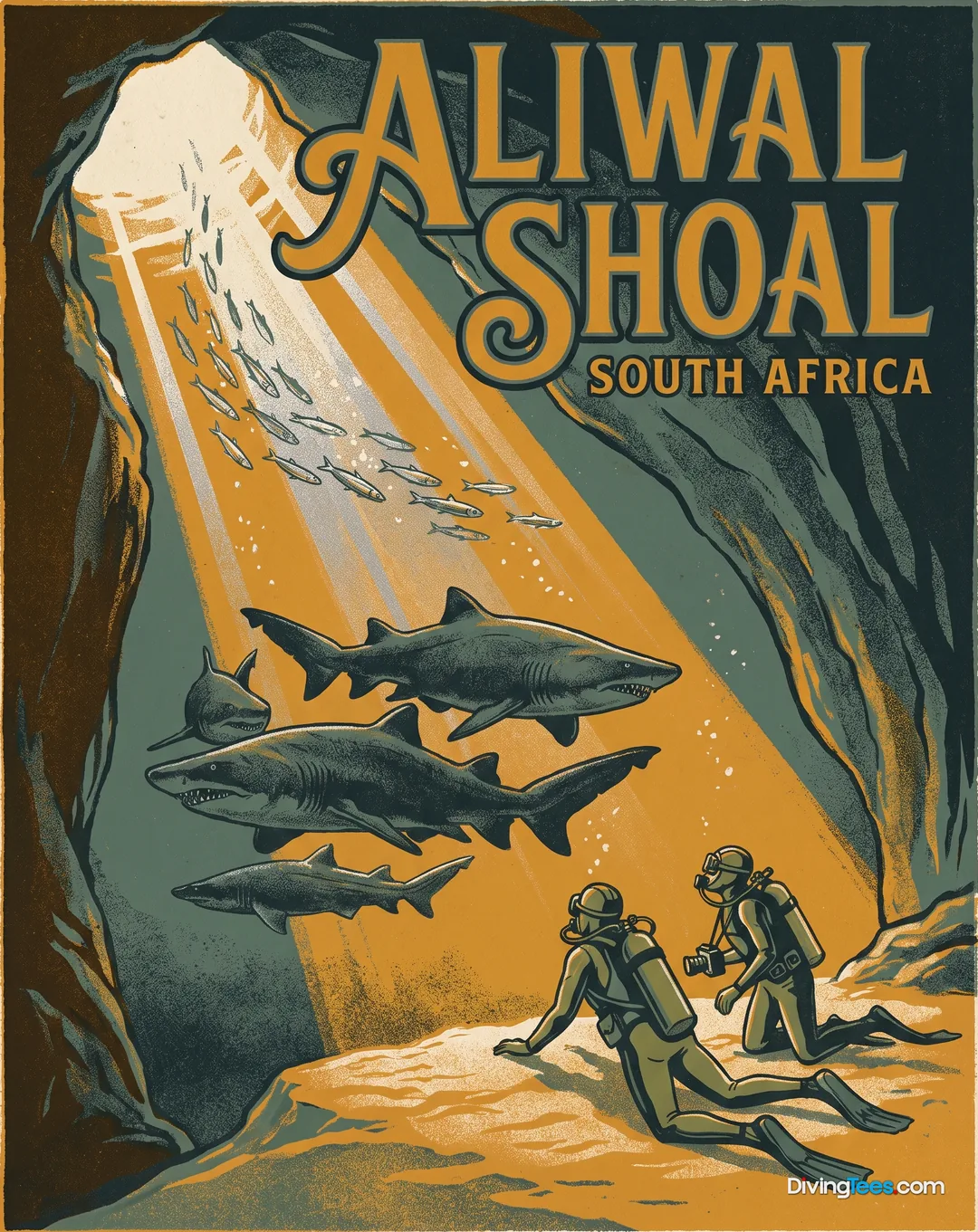
- Tiger sharks around Aliwal Shoal
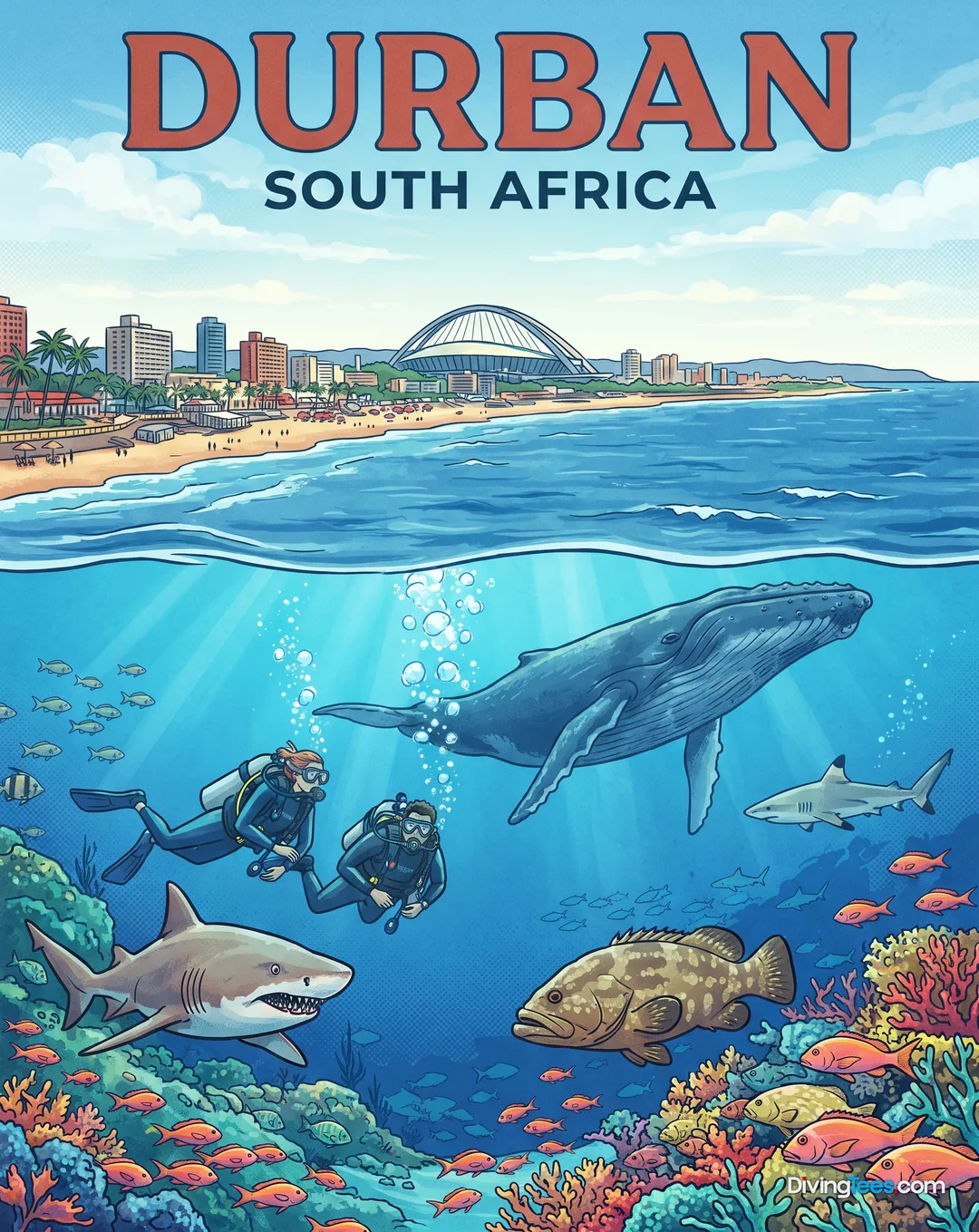
- Bunny chow in Durban
- Robben Island from Cape Town
- Sodwana Bay and iSimangaliso Wetland Park
- Winelands Pinotage near Cape Town
For subtitles in English: start the video firstthen click the gearat the top right of the video, select “Subtitles/CC”, then “Auto-translate” and choose “English”.
This country for a diver
South Africa is not a single-style reef holiday. Its coast runs from Cape Town’s Atlantic kelp forests to the warmer KwaZulu-Natal reefs, with offshore boat diving, changing currents and launch decisions shaped by wind and swell. That exposure is the common thread: even areas classed for all levels can demand sound open-water habits, while Protea Banks and Shelly Beach suit experienced divers. The reward is unusual variety within one country: reef diving, shark encounters, coastal nature, political history and sharply different Cape and Indian Ocean cultures.
How the country divides
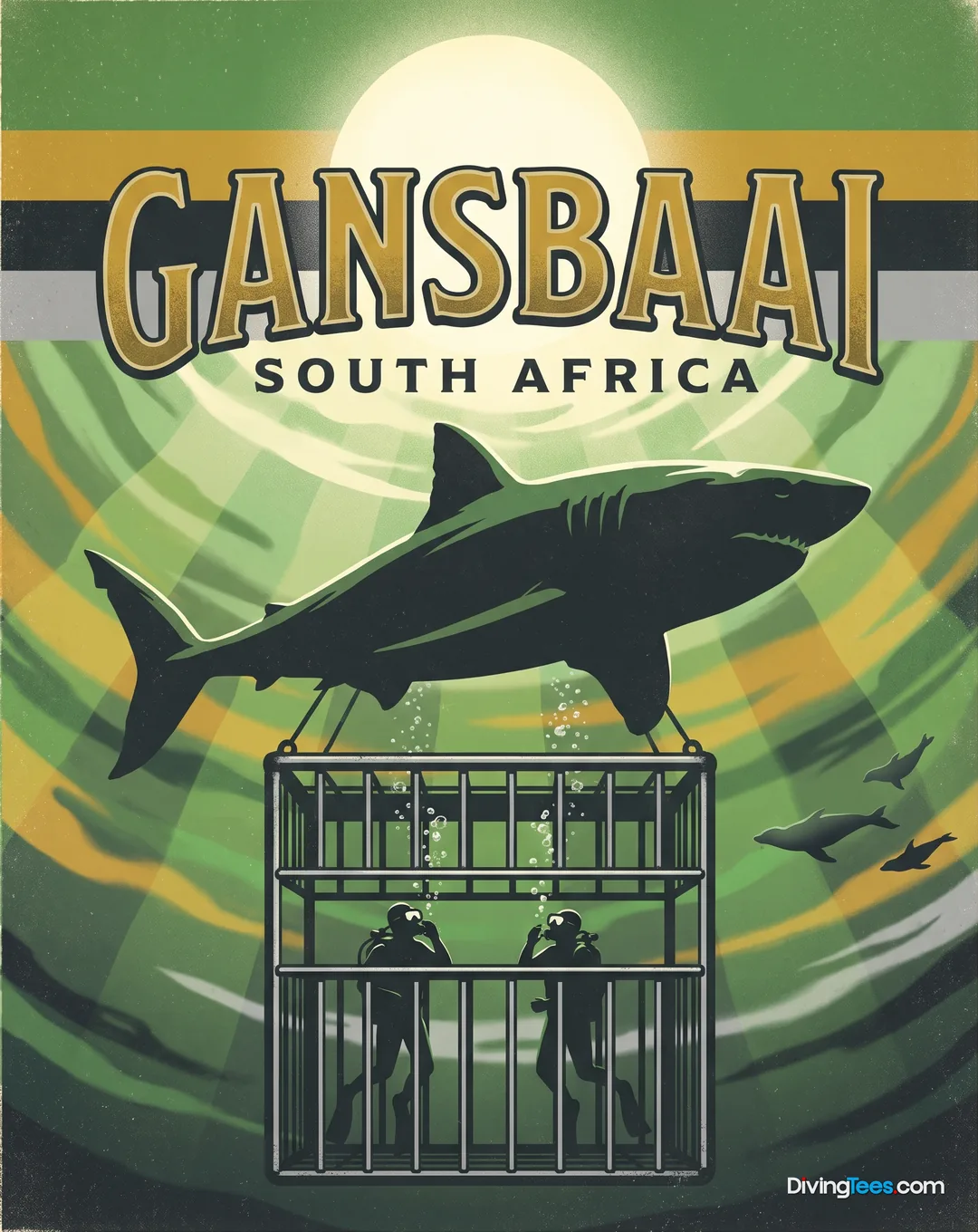
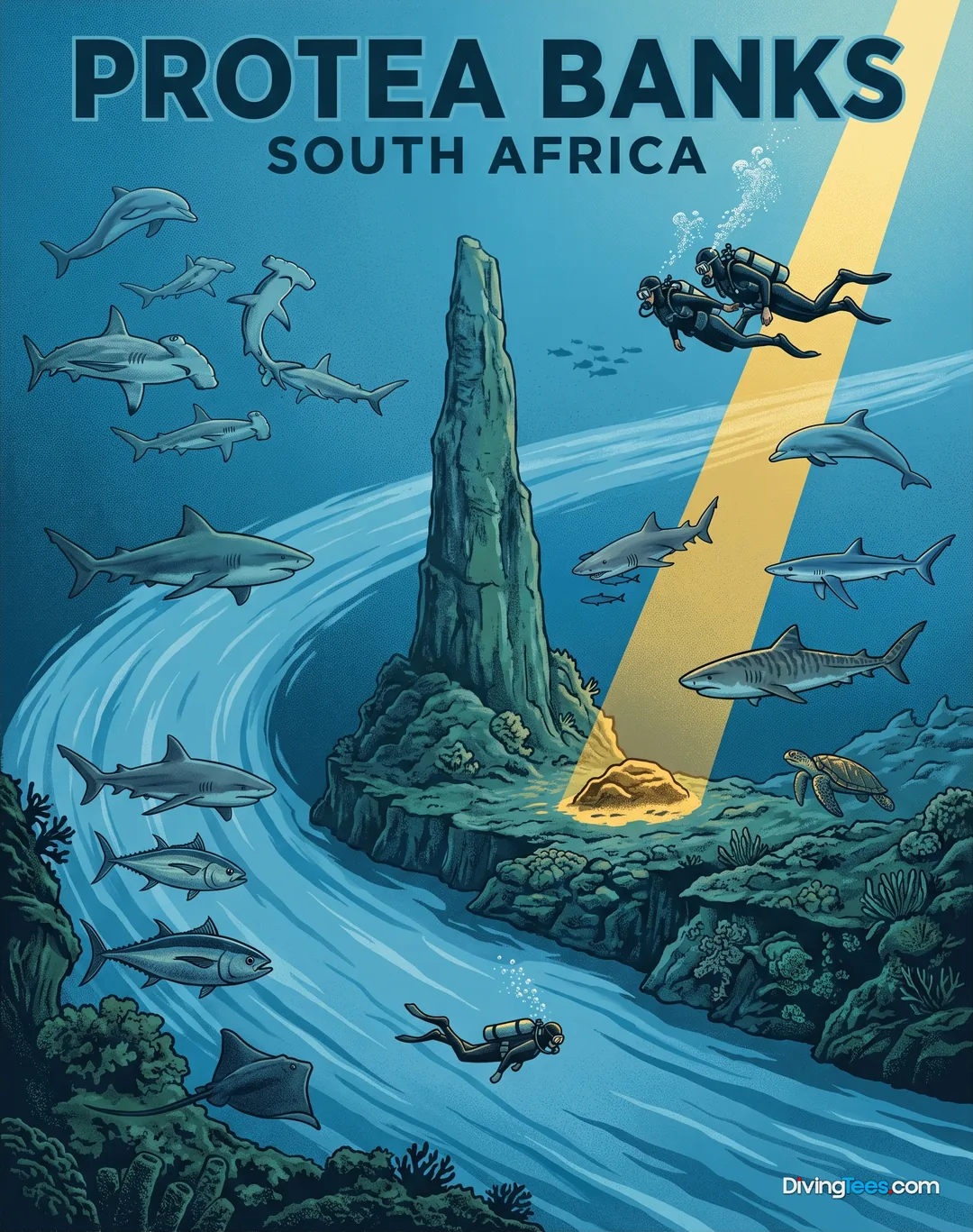
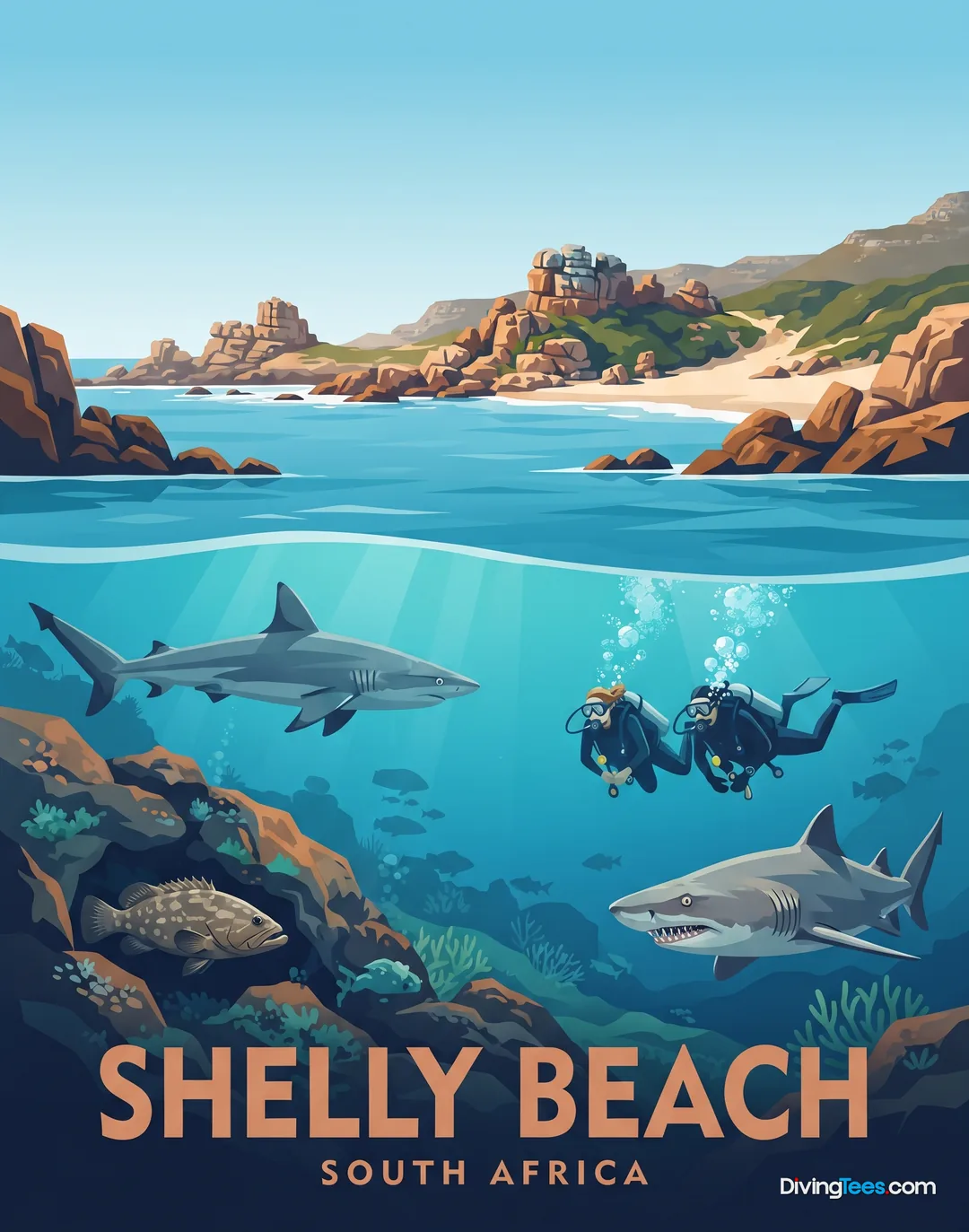
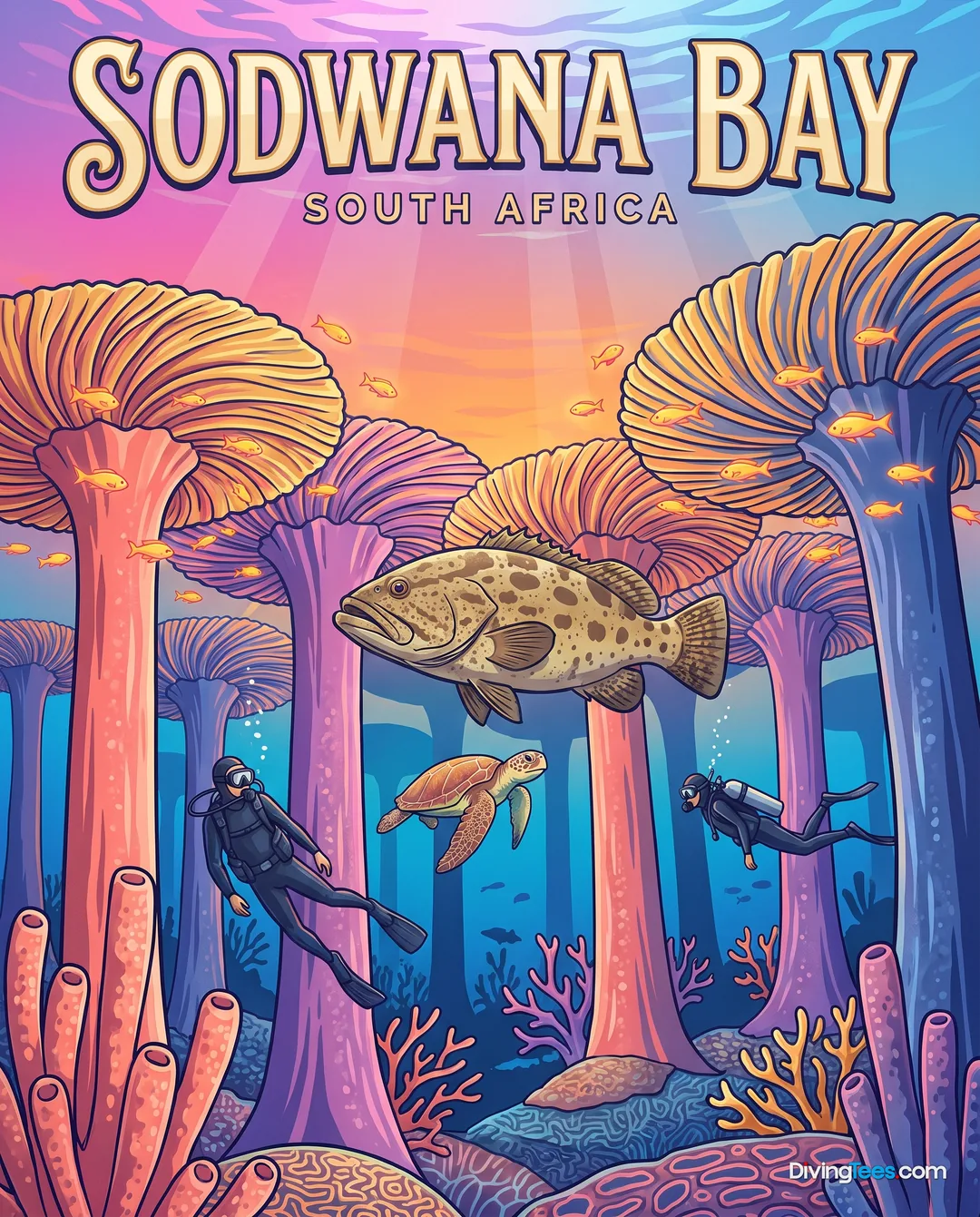
The southern KwaZulu-Natal cluster brings together Aliwal Shoal, Durban, Protea Banks and Umkomaas. These areas are closely linked geographically and share a December-to-May season, but they are not interchangeable: Durban is the urban base, Aliwal Shoal and Umkomaas suit boat-diving itineraries, while Protea Banks is the more demanding choice for experienced divers. Raggies Cave anchors the Aliwal Shoal page; North Sands belongs to Protea Banks and should stay there. Farther north, Sodwana Bay forms its own tropical-reef stop, also open from December to May, with Pinnacles and 2 Mile Reef on its area page. Cape Town and Gansbaai make a western pairing: Cape Town works year-round, while Gansbaai is seasonal from October to April, giving this side a different calendar and a strong Atlantic identity. Shelly Beach stands alone, remains open throughout the year and is best approached as an experienced, offshore boat-diving option rather than a relaxed shore-diving base.
Diving destinations
Dive centres

Hotels
When to go, and where by month
December through May is the broadest window for the KwaZulu-Natal coast, covering the southern reef cluster and Sodwana Bay, while Cape Town, Gansbaai and Shelly Beach can also be selected in December. From January to April, the same eastern and western combinations remain available, so a two-coast itinerary is easier to shape around conditions. May narrows the eastern choice back towards its seasonal close, while Cape Town and Shelly Beach continue. June, July, August and September are the quieter planning months for this country’s diving map: Cape Town and Shelly Beach remain in season, whereas the southern KwaZulu-Natal areas and Sodwana Bay are closed on the seasonal calendar. October and November reopen Gansbaai alongside Cape Town and Shelly Beach. The pattern is not a simple opposite-season swap; it reflects different Atlantic and Indian Ocean operating windows, with wind, swell and launch conditions deciding which side is practical on a particular day.
Marine life, coast by coast
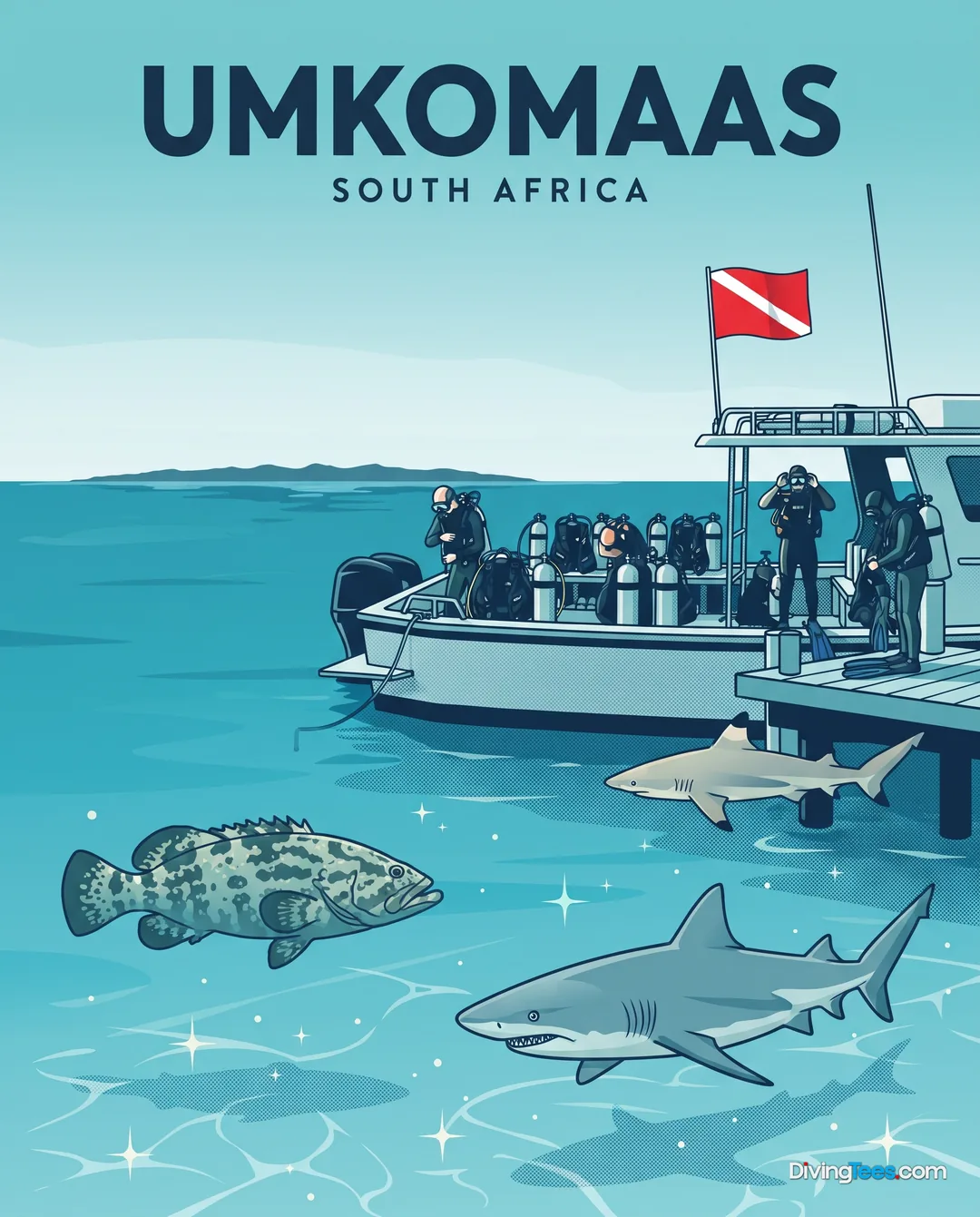
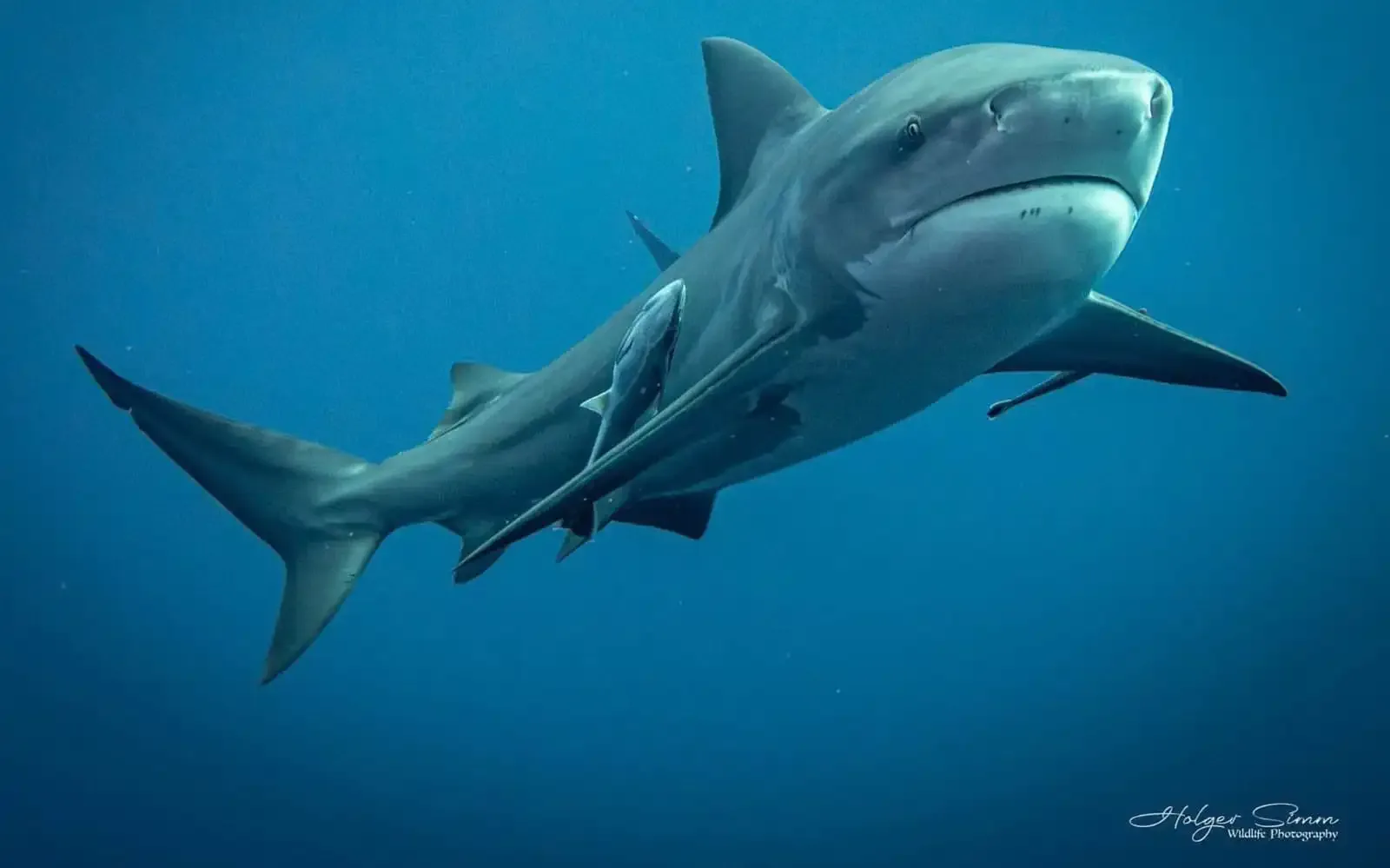
The wildlife picture changes markedly between the eastern reefs and the Cape. Around Aliwal Shoal, Durban, Protea Banks and Umkomaas, the fauna includes tiger sharks, reef sharks, manta rays, dolphins, barracuda, tuna and giant groupers, alongside frogfish, stonefish and fire coral. That is the side for divers building an itinerary around large pelagic encounters as well as reef life. Cape Town and Gansbaai offer a different register, including small sharks, sponges and crustaceans; Dyer Island is the named anchor for Gansbaai. Sodwana Bay adds anemones and cuttlefish to the national picture. These contrasts matter when combining coasts: a Cape itinerary and a KwaZulu-Natal itinerary are not simply two versions of the same wildlife trip.
Getting between the areas
The southern KwaZulu-Natal sites can be linked without turning the holiday into a road expedition. Protea Banks and Umkomaas are fifteen kilometres apart, while Aliwal Shoal and Protea Banks are only sixteen kilometres apart, making a shared base or a short transfer realistic. Durban sits farther from the southern sites but remains a useful urban hinge: Aliwal Shoal and Umkomaas are each about forty-five kilometres away, and Protea Banks about sixty. Cape Town and Gansbaai form the practical western pairing at ninety-nine kilometres. Shelly Beach is a different proposition: reaching it from Protea Banks takes about one hundred and eighty-five kilometres, and the transfer from Durban is roughly two hundred and forty-four. Sodwana Bay lies still farther north, so adding it to a southern itinerary costs a substantial road day. Plan boat dives as a sequence with a weather buffer, not as one immovable outing.
Take off your mask
South Africa’s landward character changes with the coast. Around Cape Town, Robben Island combines a ferry crossing with a guided visit led by former prisoners, while Table Mountain National Park and Kirstenbosch bring mountain, fynbos and peninsula scenery into the same stay. Greenmarket Square, the Watershed at the V&A Waterfront and Bay Harbour Market in Hout Bay cover different sides of local shopping, from African crafts to contemporary design. The Western Cape table leans towards bobotie, malva pudding, Cape Malay flavours and Pinotage in the Winelands around Stellenbosch, Franschhoek and Paarl. Durban is more strongly shaped by its Indian and Zulu identities: Warwick Junction and Victoria Street Market are places for spices and everyday trade, while bunny chow and hot curries are central dishes. Across the country, a braai remains a social institution, accompanied by boerewors, pap and chakalaka. In KwaZulu-Natal, iSimangaliso Wetland Park adds wetlands, forests, safaris and birdlife to the coastal experience, while Heritage Day turns the braai into a national ritual.
What holds true everywhere here
Across South Africa, diving is exposed to the sea rather than arranged around sheltered holiday bays. A boat departure can be sensible one morning and unwise the next when swell or wind changes, so a flexible itinerary is more valuable than a tightly packed sequence. Current is variable nationwide; current-influenced open-water diving, drift dives and blue-water ascents call for certification and experience suited to the plan, whether that comes through BSAC, PADI or SSI. Deep profiles and repeated boat dives make Nitrox worth considering, particularly when several dives are planned across consecutive days. The country is not built around a liveaboard cruise: access to a competent launch operation matters more than choosing accommodation for its own sake. Early departures, a proper safety stop and a spare day are practical parts of the South African pattern.
Frequently asked questions about South Africa
When should you visit South Africa for diving?
For South Africa’s KwaZulu-Natal reefs, plan your diving trip from December through May. Cape Town offers kelp forests and Atlantic shore dives, while eastern sites such as Aliwal Shoal, Protea Banks and Umkomaas provide a different coastal experience. You can also include Sodwana Bay in that eastern itinerary.
What kind of diving can you plan in South Africa?
South Africa lets you choose between blue-water diving, reef life and Atlantic shore dives. KwaZulu-Natal sites suit itineraries focused on large pelagic encounters as well as reefs, while Cape Town and Gansbaai offer a different setting with small sharks, sponges and crustaceans. Sodwana Bay adds another reef environment.
What marine life can you see while diving in South Africa?
South Africa’s eastern reefs may bring encounters with tiger sharks, reef sharks, manta rays, dolphins, barracuda, tuna and giant groupers. You can also find frogfish, stonefish and fire coral. Cape Town and Gansbaai feature small sharks, sponges and crustaceans, while Sodwana Bay adds anemones and cuttlefish.
How should you plan a stay in South Africa around diving?
Build your South Africa stay around one coast or combine Cape Town with KwaZulu-Natal, remembering that they offer different wildlife experiences. Add Robben Island and the Winelands near Cape Town, Durban’s bunny chow, and Sodwana Bay with iSimangaliso Wetland Park to connect diving with regional attractions.