The Villa Luxury Suites Hotel
★★★★
★ 9.2/10 (362 reviews)
4.6 km away as the crow flies
Dive centre · Diani · Kenya
4.6163 Google reviewsDive the historic Funguo wreck or drift along the reefs of Chale Island with a PADI 5 Star IDC centre established in 1985.
For subtitles in English: start the video firstthen click the gearat the top right of the video, select “Subtitles/CC”, then “Auto-translate” and choose “English”.
Located at Diani Beach, Diving the Crab has been a fixture of the Kenyan diving scene since 1985. Founded by the renowned boat builder Mario Scianna, the centre has built a reputation for professional service and a deep commitment to local marine conservation.
Operating from two bases, the centre provides access to a wide variety of environments. The Diani Beach base is situated at the Nomad Beach Bar, while the Chale Island base is reserved exclusively for guests staying on the island. From these locations, you can reach 29 different dive sites within a 40-minute boat ride.
The centre is run by a professional team of five instructors, supported by experienced captains and a welcoming reception staff. This team is capable of conducting training in English, German, French, and Swahili, making it an accessible choice for international divers.
Beyond standard recreational diving, the centre is deeply involved in environmental stewardship. They work alongside the Local Ocean Trust (LOT) on sea turtle protection initiatives and maintain a turtle hatchery at the Nomad Beach Resort.
As a PADI 5 Star IDC centre, the facility offers a comprehensive curriculum ranging from Discover Scuba Diving for beginners to professional Instructor Development. You can work through the full progression of Open Water Diver, Advanced Open Water Diver, and Rescue Diver.
Specialty courses are also widely available, including PADI Deep Diver, Wreck Diver, and Peak Performance Buoyancy. For those looking to extend their technical or gas-management capabilities, Enriched Air Nitrox courses are available, and the centre offers combined course packages to streamline your training.
The centre provides access to Nitrox for divers looking to extend their bottom time. On board the boats, you will find drinking water, tea, coffee, and fruit to keep you refreshed between dives.
For those looking to stay close to the action, the centre has strong ties with local accommodation. Staying at Hibiscus House & Apartments offers a direct discount on diving, while the Nomad Beach Resort is located just a few metres from the Diani base.
Alpha Funguo Wreck is a 45-metre long fishing trawler sunk in 2002, with the summit sitting at 18 metres. It is a premier site for both macro photography and seeing larger residents like barracuda and sweetlips.
Papa Mashilingi is a reef site known for gentle drift dives and incredible coral variety. Between October and March, this site offers the chance to encounter whale sharks and manta rays.
Shimo La Samaki is a smaller site perfect for macro enthusiasts, featuring a landscape of caves, canyons, and overhangs. It is an ideal spot to search for moray eels, shrimps, and nudibranchs.
Msambweni provides a more challenging experience for advanced divers, featuring a reef corner that drops to a wall between 25 and 28 metres. This site is known for its high density of fish life.
And some of the dive sites the centre runs.
The reefs around Diani and Chale Island support a vast array of pelagic life. You may encounter large schools of barracuda, jackfish, and snapper, as well as eagle rays and various species of sharks, including whitetip reef sharks. Between October and March, the presence of whale sharks is a significant highlight of the season.
In the shallower reef areas, you will find a diverse range of fish such as parrotfish, triggerfish, groupers, and Napoleon wrasse. Turtles, including green and hawksbill species, are frequently seen across many of the sites.
The macro life is exceptionally rich, particularly around sites like Shimo La Samaki and Igloo. Divers can find a wide variety of nudibranchs, seahorses, ghost pipefish, and frogfish, alongside various species of shrimp and crabs.
Invertebrates and smaller residents are everywhere, from garden eels and anemones to octopuses, cuttlefish, and various species of moray eels. If you look closely at the reef structure, you may also spot mantis shrimp, sea cucumbers, and various scorpionfish.
The diving environment is generally characterised by gentle currents, which are ideal for drift diving. However, the months of July and August are known for having the strongest winds in the region.
Seasonal planning is important, as the rainy season in May and June can lead to reduced visibility. The best time to visit for optimal conditions and specific sightings, such as whale sharks, is between October and March.
Hello, I'm Marina, DivingDeal.com's AI assistant. I answer in detail about hotels, dive centres and liveaboards.

Thinking about the whole trip and the flights? Talk it over with Edith →
Marina is an AI. Some links are affiliate links: DivingDeal may earn a commission, at no extra cost to you. Bookings are made with the partner.
★★★★
★ 9.2/10 (362 reviews)
4.6 km away as the crow flies
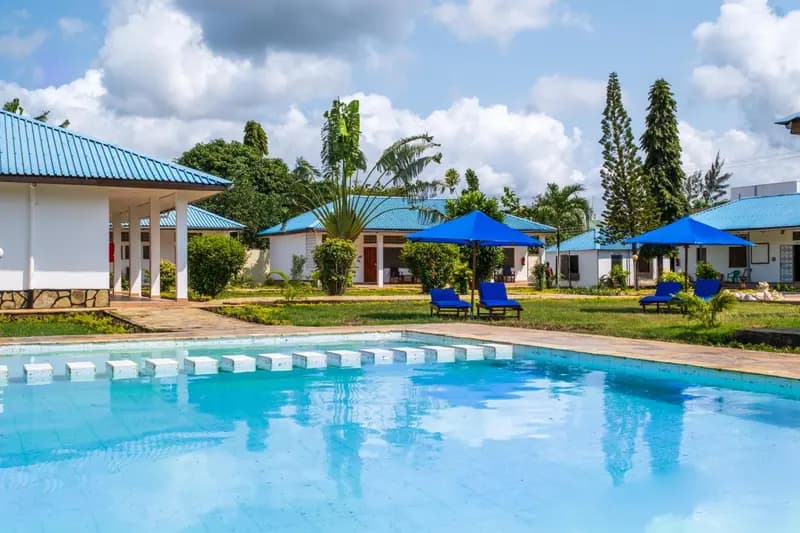
★ 9.3/10 (167 reviews)
4.3 km away as the crow flies
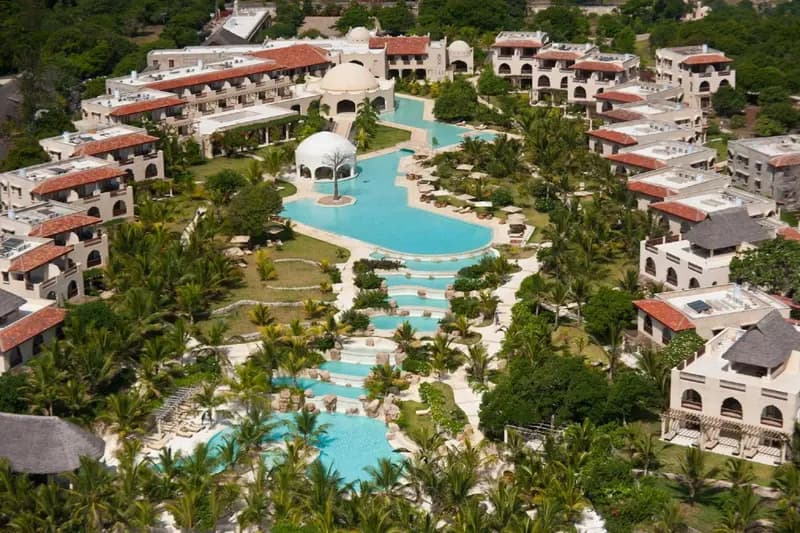
★★★★★
★ 8.6/10 (1,102 reviews)
4.1 km away as the crow flies
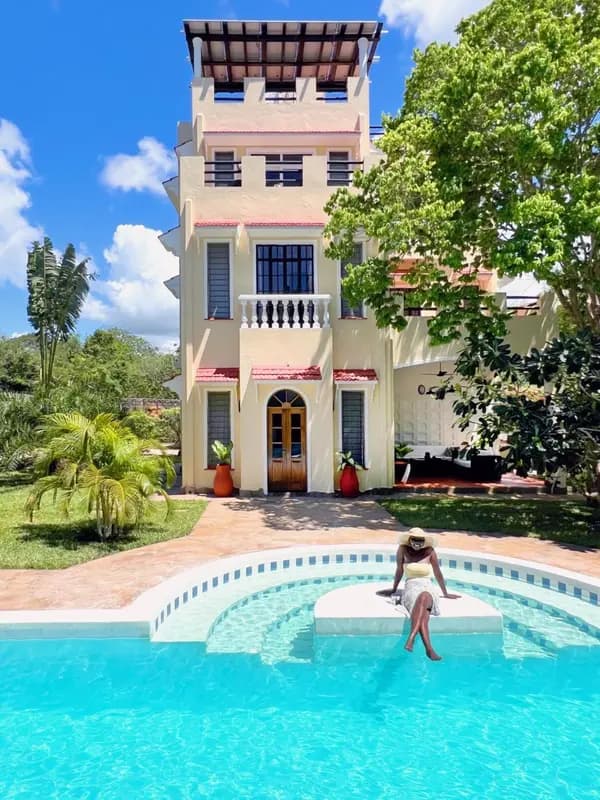
★ 9.9/10 (64 reviews)
1.9 km away as the crow flies