 Dive centre in the hotel
Swahili Beach
★★★★★
Google 4.4/5 (3,650 reviews)
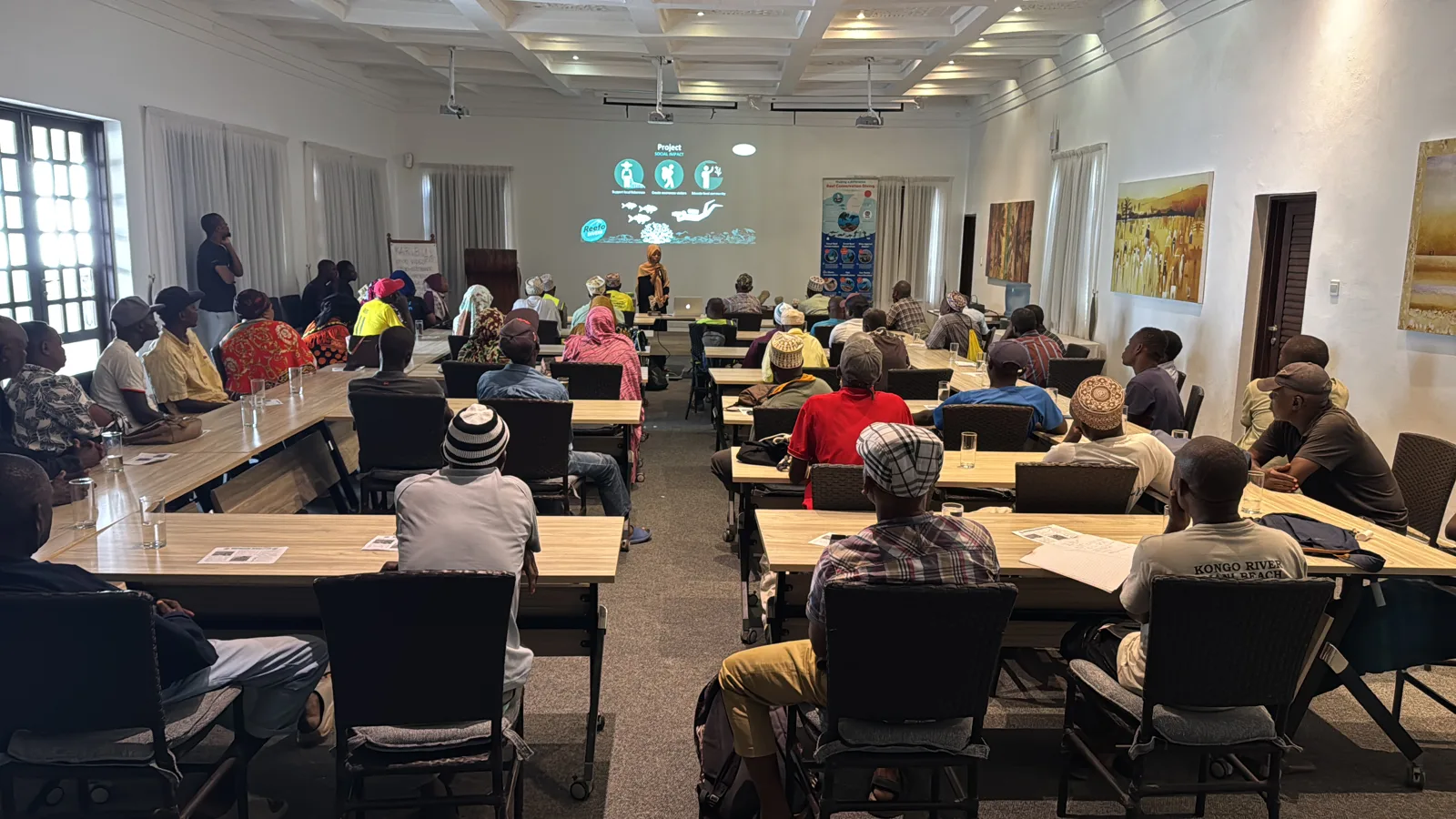
The dive centre
ReefoDivers Diani
PADI
Google 5/5 (15 reviews)
Dives: Swahili Nurseries dive site, Kisite-Mpunguti National Marine Park
Kenya · Africa
Coral gardens, drop-offs, pinnacles and a wreck lead from Diani towards Kisite-Mpunguti, where turtles, dolphins and denser reef life may appear.
For subtitles in English: start the video firstthen click the gearat the top right of the video, select “Subtitles/CC”, then “Auto-translate” and choose “English”.
Diani is a shore-based Kenyan diving holiday built around boat trips to coral gardens, drop-offs, pinnacles and a wreck. The nearby reefs suit training and straightforward recreational dives, while Kisite-Mpunguti adds a longer day on protected reefs with denser fish life and the possibility of turtles, dolphins or a whale shark. It works particularly well for divers who want several days underwater without committing to a liveaboard, and for travelling companions who prefer beaches, boats, forest and coastal excursions.
Most diving is from boats, either on the reefs close to Diani or on the longer run south towards Kisite-Mpunguti. Expect coral gardens, isolated pinnacles, drop-offs and a wreck rather than one fixed style of dive. Nearshore sites can accommodate training and relaxed recreational diving, while the drop-offs and deeper profiles reward recent experience. Current is variable and may change with the tide, so a drift dive or a downcurrent section is a possibility rather than a certainty. Visibility is commonly around 10 to 30 metres, best from October to March, but it can fall after rain, with swell or during the less settled monsoon transition. Early departures usually offer calmer boat conditions and better light. Kisite is a full-day outing combining road travel, a boat journey and several marine activities, not simply another local dive.
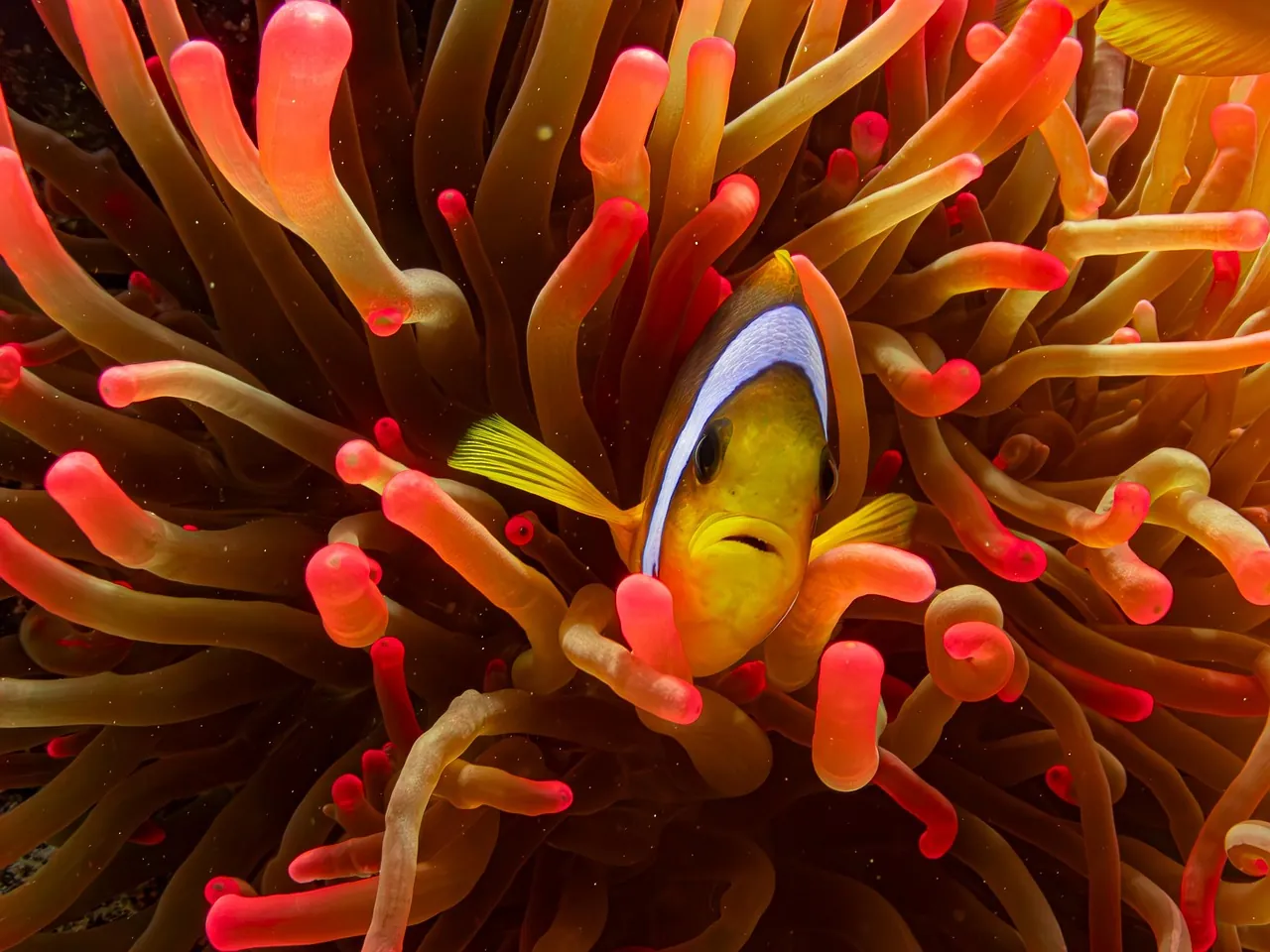
The close reefs bring the usual movement of coral gardens and reef fish, with pinnacles and drop-offs providing more structure to explore. Kisite-Mpunguti is the place to expect a stronger sense of protection and, generally, denser fish life than on the more pressured coastal reefs. Turtles are among the realistic attractions, while dolphins are seen occasionally, especially from the boat during the journey south. Whale sharks are seasonal visitors, mainly between October and March and most often reported from November to February, but encounters are occasional rather than dependable. Manta rays are possible in the broader season from November to April, though sightings are rare. The practical attraction is the mix: small-scale reef diving near Diani, then a longer protected-reef day where the journey itself can produce wildlife.
October to March is usually the most settled period for diving around Diani. The Kaskazi, the north-east monsoon, generally brings calmer water and clearer conditions, with visibility commonly reaching 10 to 30 metres. It also overlaps with the more favourable window for occasional whale-shark sightings, although no encounter is assured. May and June are the awkward months, when the rainy season, swell and changing monsoon conditions can make visibility and boat travel less predictable. Diving and training remain possible, but the itinerary needs more slack. A three-millimetre wetsuit suits most dives, with lighter protection enough for divers who do not feel the cold when the water is warmest.
Diani suits beginners as well as experienced recreational divers. Local reefs offer suitable depths for try-dives, training and uncomplicated leisure dives, while drop-offs and deeper sites are better matched to divers with recent experience. Advanced Open Water is useful if the planned programme includes deeper profiles or drop-offs. A drift-diving speciality may be relevant when the centre and conditions call for it, but it is not a blanket requirement. Certification through PADI, SSI or BSAC should be matched to the actual profile and current on the day.
From London Heathrow, London Gatwick or Manchester, the journey normally runs by air to Nairobi or Mombasa, followed by a domestic flight to Ukunda or a road transfer from Mombasa. Diani has no international airport. The road option involves the Likoni ferry, a structural part of the route rather than a minor detour, and the total journey can take several hours depending on the wait. Allow for connection time at Nairobi or Mombasa, particularly if separate tickets are involved. Once in Diani, accommodation is not always within walking distance of the dive centres. Use a centre shuttle where offered, or arrange a local taxi and confirm the collection point before travelling.
Treat Kisite-Mpunguti as a separate expedition in the programme. Ask whether a booking is for Diani’s nearby reefs or for Kisite, because the names are often used interchangeably even though the second involves a road transfer, an early boat departure and a full day. Keep a spare day for weather, and do not place Kisite immediately before the flight home. Book local morning dives first, then the long southern outing, so a change in sea conditions does not remove the most transport-heavy day. Check whether the excursion is snorkelling or scuba, and what depth is actually planned. Confirm the marine-park permit and fee arrangements, follow its no-fishing and no-touching rules, and use moorings rather than anchoring where provided. Bring sun and spray protection for the boat, and check locally for a suitable wetsuit, hood or other small kit before arrival.
Allow seven to ten days on the ground, with several days for local diving, one complete day for Kisite-Mpunguti and a reserve day for unsettled sea conditions. Diani works as a conventional beach stay rather than a liveaboard base, so non-divers can use the beach, go snorkelling, visit Kaya Kinondo forest or explore Mombasa. Shimoni and Wasini provide further coastal excursions, while the boat trip itself may offer dolphin sightings without guaranteeing them.
Hello, I'm Marina, DivingDeal.com's AI assistant. I guide you through destinations, areas and countries.
Thinking about the whole trip and the flights? Talk it over with Edith →
Marina is an AI. Some links are affiliate links: DivingDeal may earn a commission, at no extra cost to you. Bookings are made with the partner.
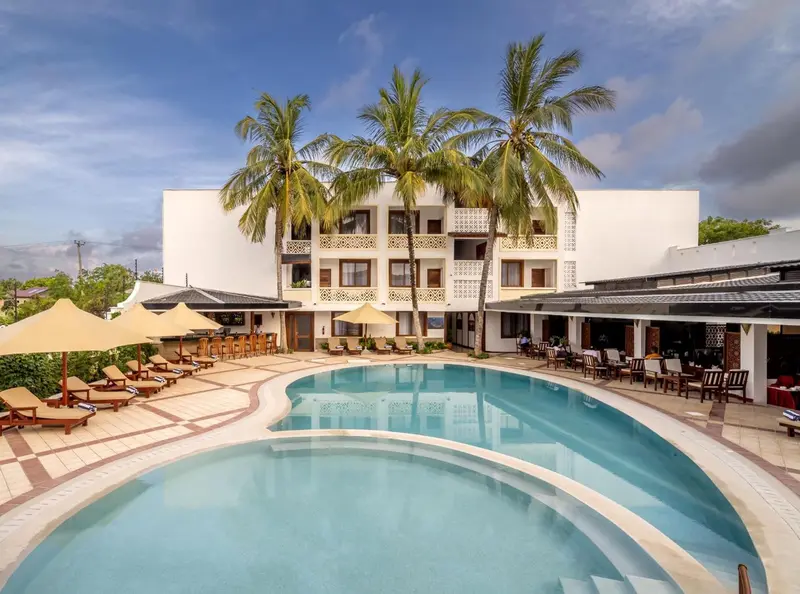
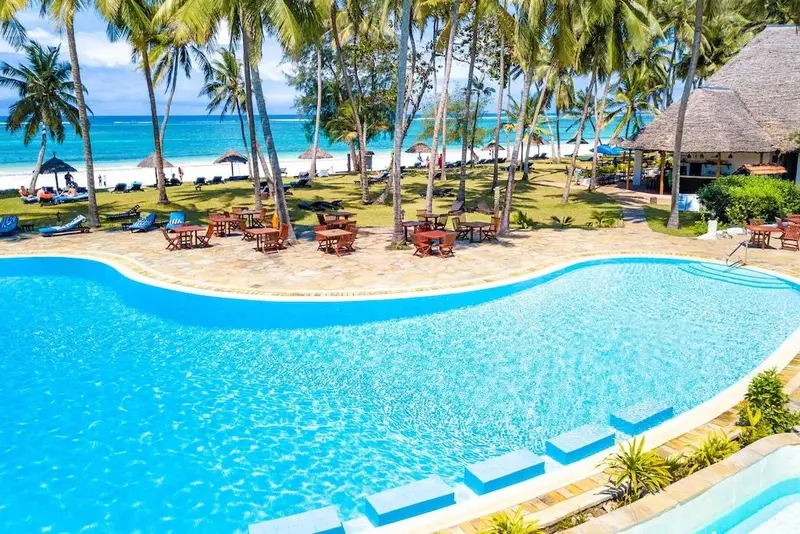
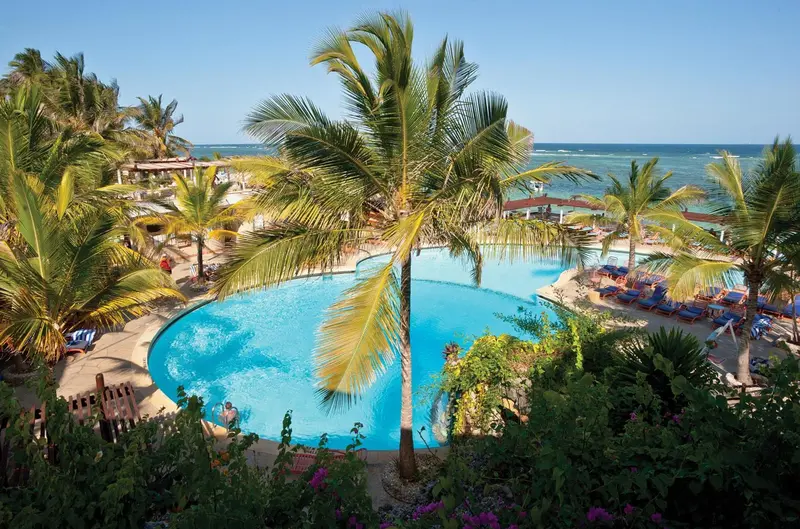
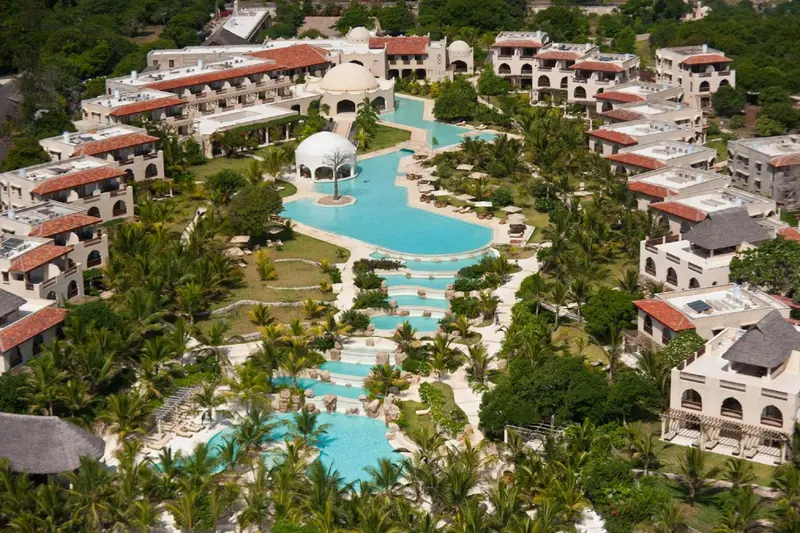
In each one, the dive centre is inside the hotel: step out of your room and go diving.
Dive centre in the hotel★★★★★
Google 4.4/5 (3,650 reviews)
The dive centre
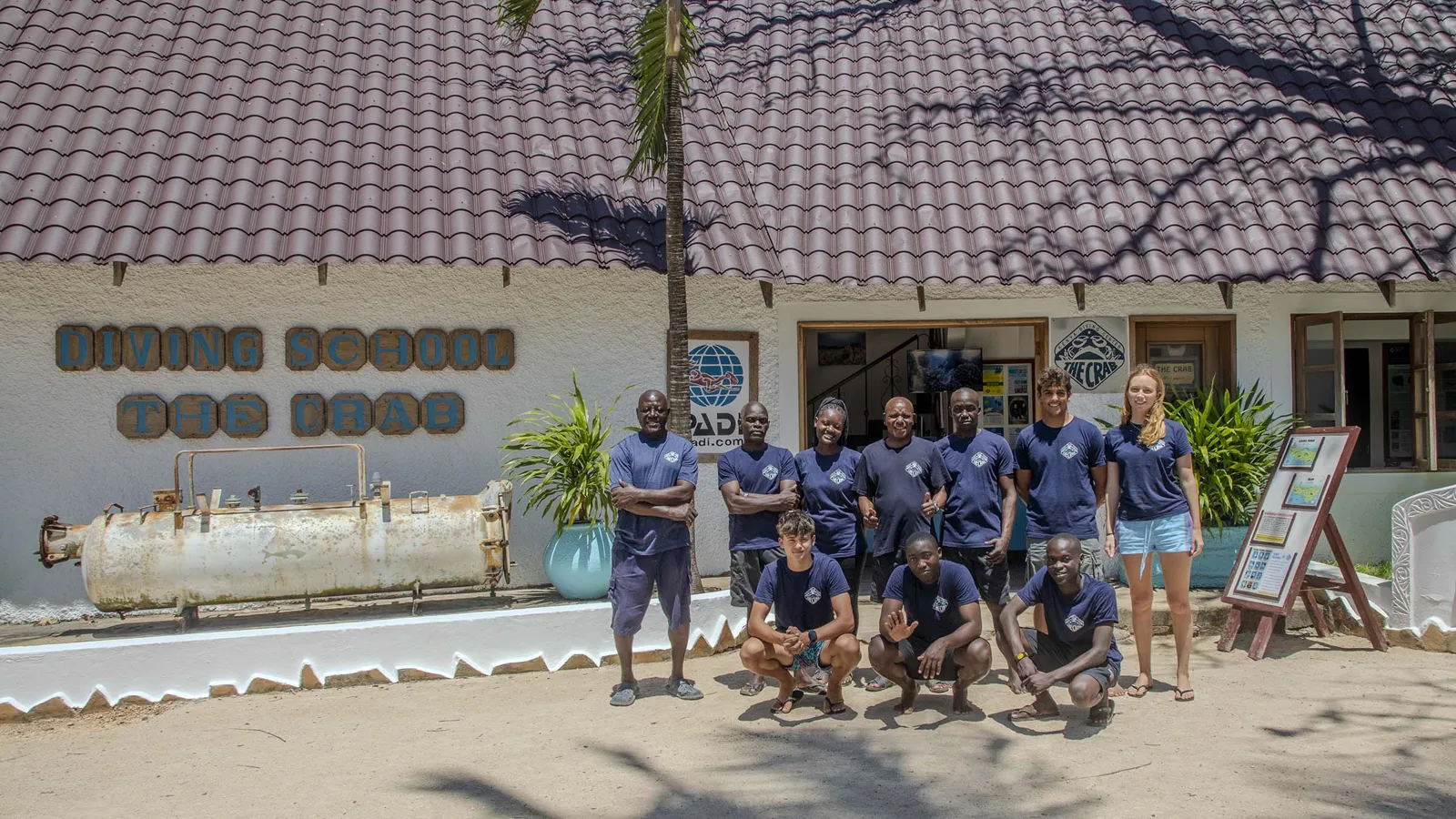
ReefoDivers Diani
PADI
Google 5/5 (15 reviews)
Dives: Swahili Nurseries dive site, Kisite-Mpunguti National Marine Park
Plan Diani for October through March, when the Kaskazi generally brings calmer water and clearer conditions, with visibility commonly reaching ten to thirty metres. Whale sharks may also appear during this period, though sightings are occasional. May and June can bring rain, swell and less predictable boat travel, so allow flexibility.
Diani suits beginners and experienced recreational divers. Nearby reefs accommodate try-dives, training and relaxed recreational dives, while drop-offs and deeper sites are better for divers with recent experience. Advanced Open Water is useful for deeper profiles or drop-offs, and a drift-diving speciality may help when currents and the planned dive require it.
Diani offers coral gardens, isolated pinnacles, drop-offs and a coastal wreck, with reef fish moving through the close reefs. Protected Kisite-Mpunguti generally has denser fish life and may bring turtles. Dolphins can appear during the boat journey, while whale sharks and manta rays are seasonal, occasional sightings rather than dependable encounters.
Build Diani around local morning boat dives, then reserve a separate full day for Kisite-Mpunguti, including road travel, an early boat departure and marine activities. Keep a spare weather day and avoid scheduling Kisite immediately before flying home. Confirm the dive area, excursion type, planned depth, transport, permits, fees and collection arrangements.