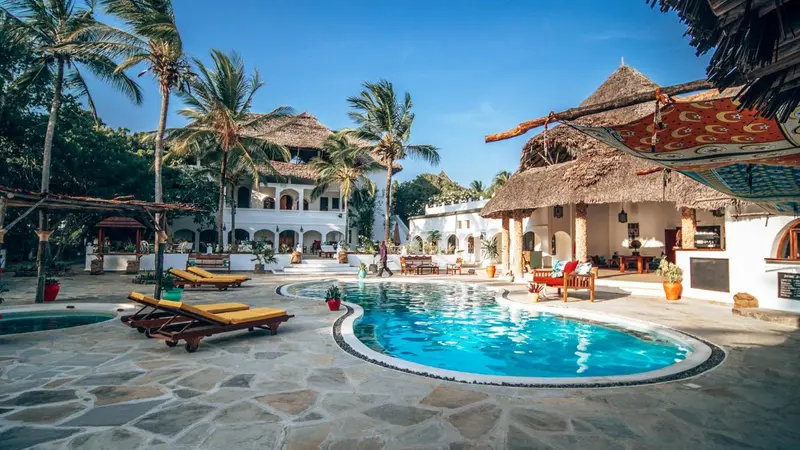
 Dive centre in the hotel
Temple Point Resort
★★★★
Google 4.3/5 (793 reviews)

The dive centre
Extra Divers Temple Point
SSI
Google 4.3/5 (822 reviews)
Kenya · Africa
Shallow Turtle Reef, anemone fields at Drummers Reef, black coral down to 40 metres, and seasonal whale sharks define Watamu’s boat-diving days.
For subtitles in English: start the video firstthen click the gearat the top right of the video, select “Subtitles/CC”, then “Auto-translate” and choose “English”.
Turtle Reef begins the Watamu story in only eight to ten metres, with a gentle inner-reef circuit where turtles are a regular sight. From the same beach base, boats reach Drummers Reef, Oktopus Reef, Moray Reef and the deeper outer sites of Watamu Marine National Park. The setting suits a mixed-age group well: sheltered water for training and relaxed reef dives, more demanding walls and canyons for experienced divers, and a land-based routine rather than a liveaboard schedule.
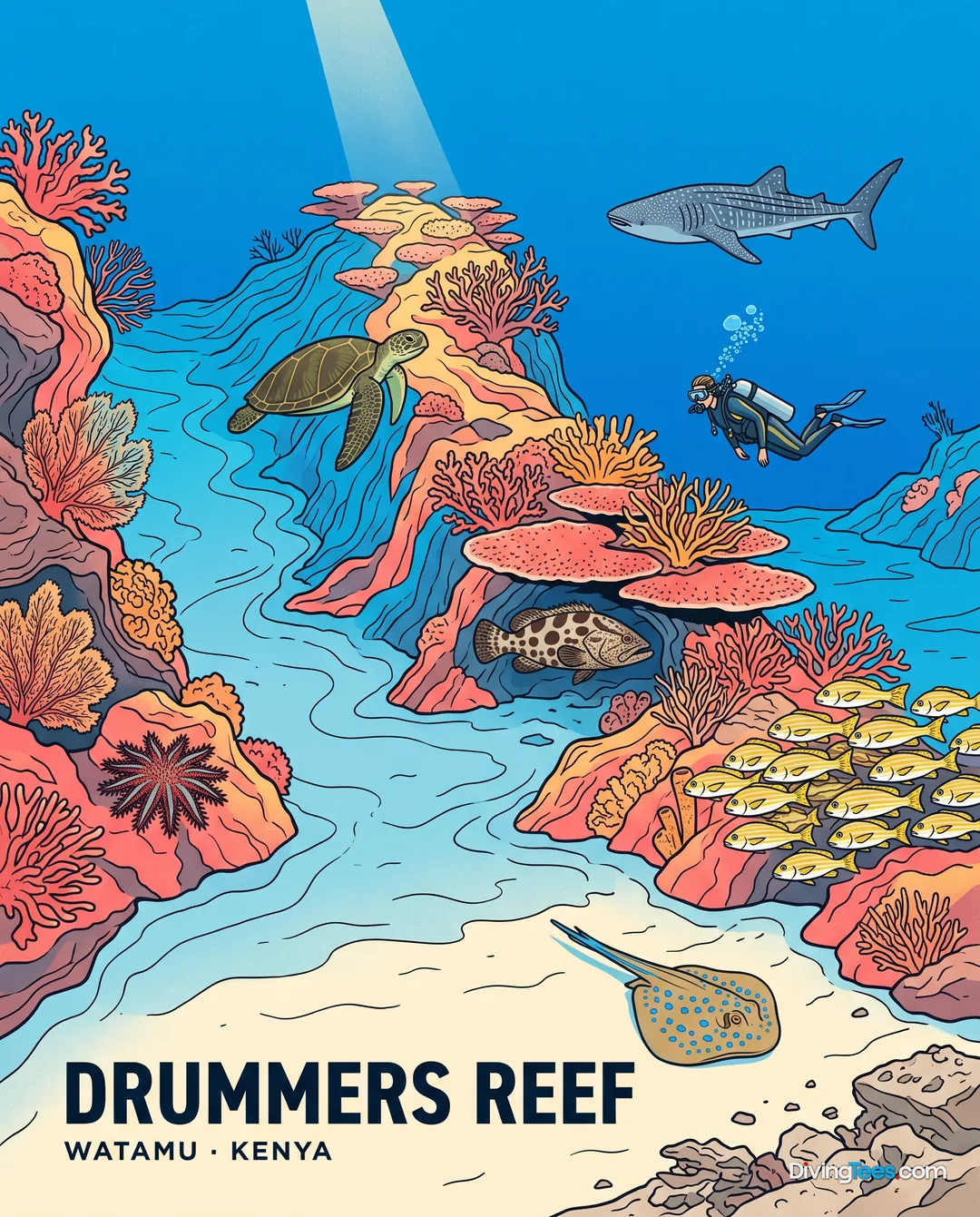
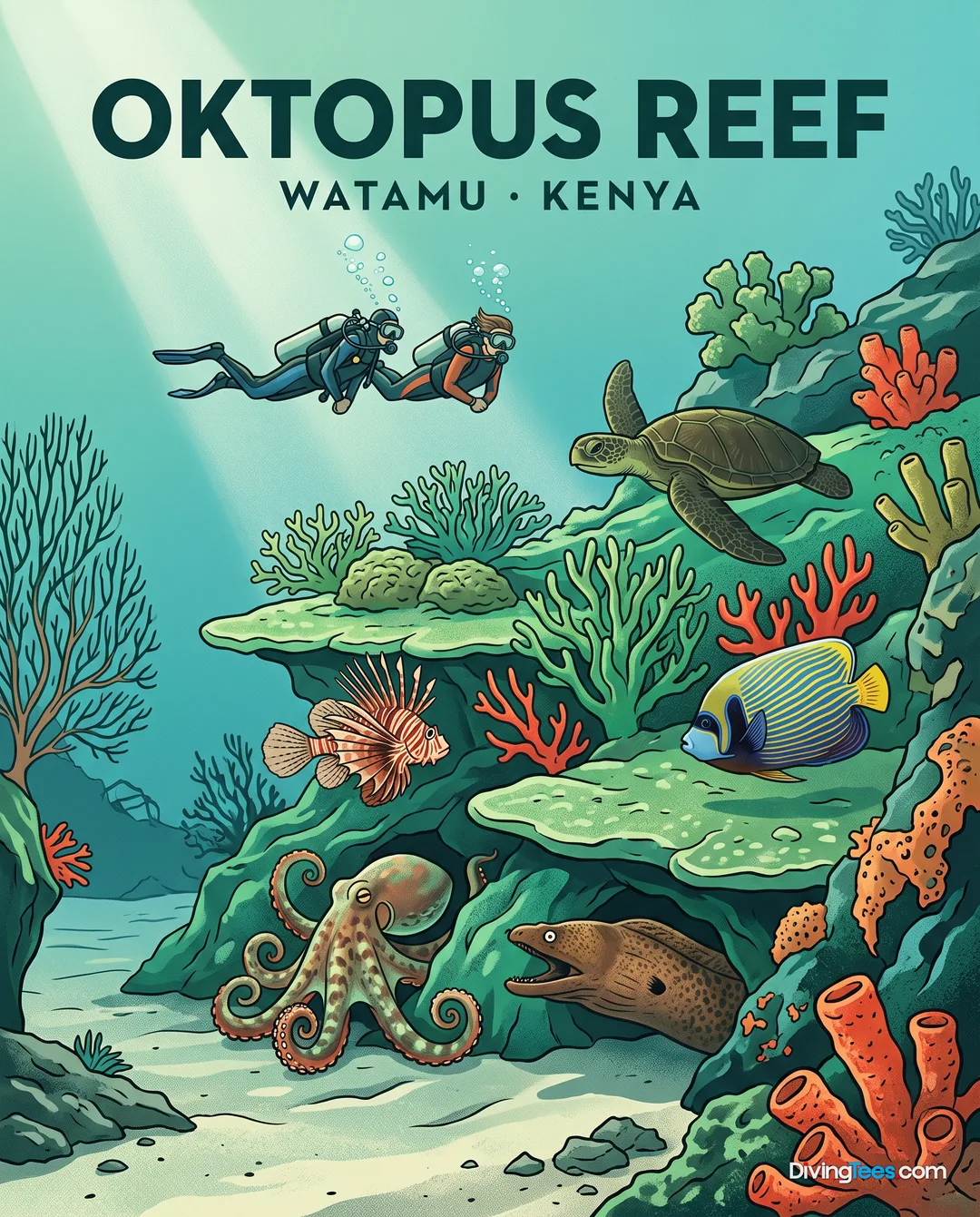
Watamu’s diving moves from shallow lagoon gardens to reef slopes, channels and exposed outer formations. Drummers Reef starts in a natural channel before opening onto anemone fields between 12 and 25 metres. Oktopus Reef and Moray Reef descend from about 10 to 27 metres, while Secret Garden’s brain coral, red anemones and ghost morays reward slower looking. Black Coral is the serious deep option, reaching 40 metres among black corals and giant basket sponges. Inside the reef, current is usually light; channels and canyon sites can produce moderate to stronger drift. Visibility is commonly 15 to 25 metres in the better months, with offshore sites generally clearest from November to March. Afternoon wind can roughen the surface and stir lagoon sand, so morning departures make practical sense.
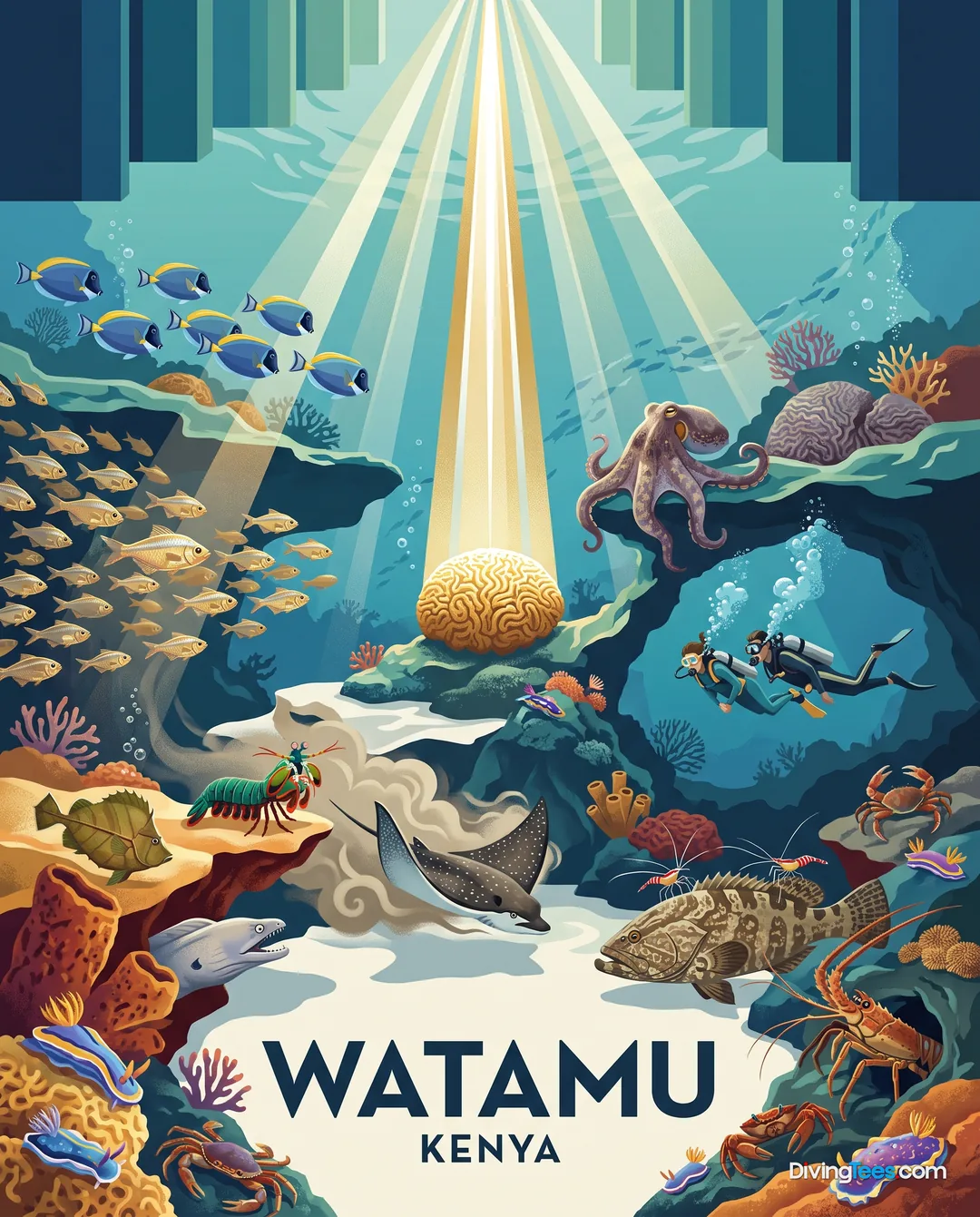
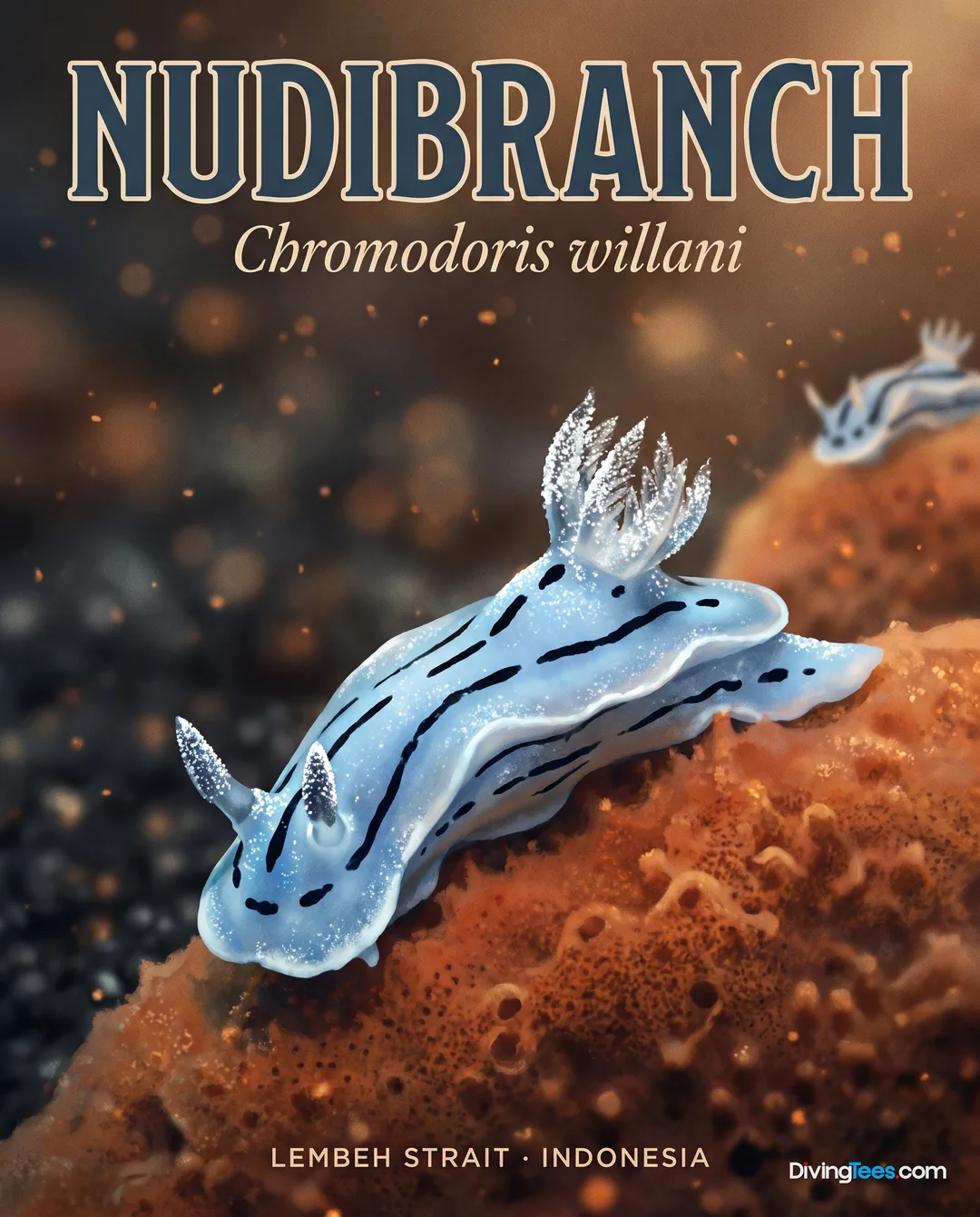
Turtles are Watamu’s dependable calling card. Green sea turtles feed in the area throughout the year, with nesting activity roughly from April to September, while hawksbill turtles can be encountered year-round. Turtle Reef is the obvious place to slow down and watch rather than chase, but turtles also feature around Oktopus Reef and Moray Reef. Reef fish include surgeonfish, blue-striped snappers and fusilier, with lobster and shrimp tucked into the structure. Macro divers can look for nudibranchs, while Secret Garden adds ghost morays and red anemones. Whale sharks are the seasonal bonus, usually offshore between October and February and most often reported from November to January. They are regular visitors, not a guaranteed appointment.
The measured calmest period runs from October to April, with the lightest rainfall in January and February. For regular reef diving, November to March is the safer planning window: northeast-monsoon conditions generally leave the sea calmer, visibility better and outer-reef boat trips more dependable. October and April can still work, but conditions are more transitional. The long rains and southeast monsoon from April to June bring rougher seas, runoff and poorer visibility, and some centres close for part of that period. Whale-shark trips fit the October-to-February window, but they run offshore and remain weather-dependent. December and January are busier, so late February and March offer a quieter balance of settled conditions and workable visibility.
Watamu works for all levels because the inner reef offers shallow, relatively calm water for training and easy first dives. Open Water divers can use Turtle Reef, while outer walls, canyons and deeper sites require more experience and careful assessment of the day’s current. Advanced Open Water training is useful for Black Coral and other deeper profiles. A Drift Diver qualification helps on channel and canyon dives, and Nitrox makes sense for repetitive reef days, provided the diver is properly trained and the planned depths suit the mix.
From London Heathrow, Gatwick or Manchester, the journey normally runs through Nairobi or Mombasa, followed by a domestic flight or a road transfer to Watamu. The final approach is by paved coastal road; from Mombasa or Malindi, the road leg is typically about two to three hours. That makes the last connection more than a formality, particularly after a long international journey. Reaching Watamu after dark can make the rural and coastal approach harder to navigate, so arrival timing deserves attention. Once there, most dive centres sit on or near the main beach. Divers staying nearby can generally walk to the departure point; tuk-tuks or taxis cover the short local transfers, and boats leave from the beach or small jetties around the bay.
Put the important dives into the morning. The afternoon breeze can chop up the bay and reduce visibility, especially over the shallow lagoon, while the exposed canyon and wall trips are more vulnerable to a change in sea state. Ask on the previous day whether the plan is for the sheltered inner reef or the outer wall; Turtle Reef can remain workable when canyon trips are postponed. Check the tide before planning very shallow lagoon diving or snorkelling, as some coral-garden areas nearly dry at low water. Carry a surface marker buoy and audible signalling device: glass-bottom boats and fishing vessels use the bay. Confirm the Kenya Wildlife Service permit before entering the park, including for shore-based snorkelling. Do not make a deep outer-reef dive the first activity after a long overland arrival. For whale sharks, allow an early offshore outing without treating the sighting as guaranteed, and keep coral contact and anchoring out of the plan.
A week to ten days suits Watamu better than a rushed long weekend. A land-based stay allows several morning boat trips across the lagoon, inner reefs and outer sites, with flexibility if wind or rain interrupts a day. Keep one day free for Mida Creek’s mangroves, birdwatching or an inland safari. Non-divers have beaches, snorkelling and glass-bottom boat trips to fill the same schedule, while Turtle Reef provides an easy shared option for mixed-experience groups.
Hello, I'm Marina, DivingDeal.com's AI assistant. I guide you through destinations, areas and countries.
Thinking about the whole trip and the flights? Talk it over with Edith →
Marina is an AI. Some links are affiliate links: DivingDeal may earn a commission, at no extra cost to you. Bookings are made with the partner.
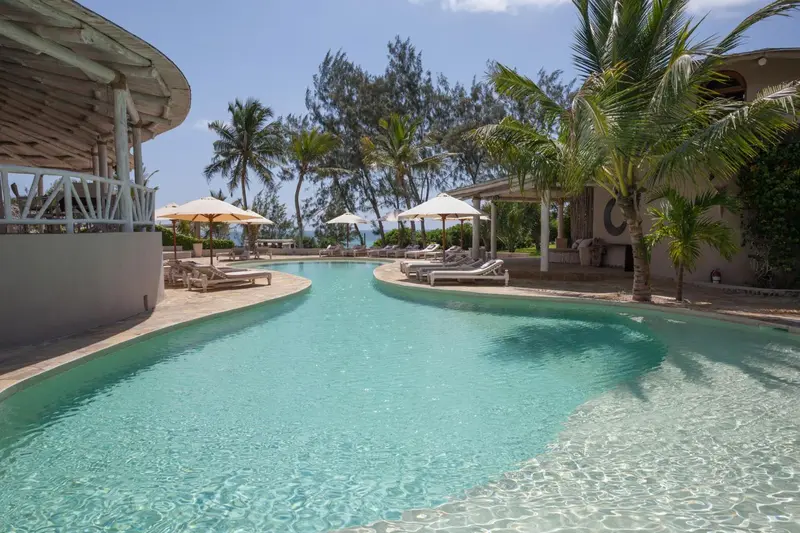
In each one, the dive centre is inside the hotel: step out of your room and go diving.
Dive centre in the hotel★★★★
Google 4.3/5 (793 reviews)
The dive centre
Extra Divers Temple Point
SSI
Google 4.3/5 (822 reviews)
Your last day stays dry: no diving in the 18-24 hours before a flight, the perfect window to see the destination from another angle.
 Nature
⏱ 8 h · ★ 4.0 (4 reviews)
from £114$153€136
see on Viator ↗
 Culture
⏱ 2 h · ★ 5.0 (4 reviews)
from £38$51€45
see on Viator ↗
 Culture
⏱ 8 h · ★ 5.0 (3 reviews)
from £99$132€118
see on Viator ↗
Ratings and reviews collected by Viator and Tripadvisor.
Plan regular reef diving from November to March, when northeast-monsoon conditions generally bring calmer seas, better visibility and more dependable outer-reef trips. October and April can work but are transitional. Avoid the rougher, wetter period from April to June where possible. Whale sharks are usually offshore from October to February, with sightings weather-dependent.
Watamu suits every level. Open Water divers can enjoy Turtle Reef’s shallow, relatively calm circuit, while training and relaxed reef dives work well inside the reef. Outer walls, canyons and deeper sites require more experience and current assessment. Advanced Open Water training helps for Black Coral, while Drift Diver training supports channel and canyon dives.
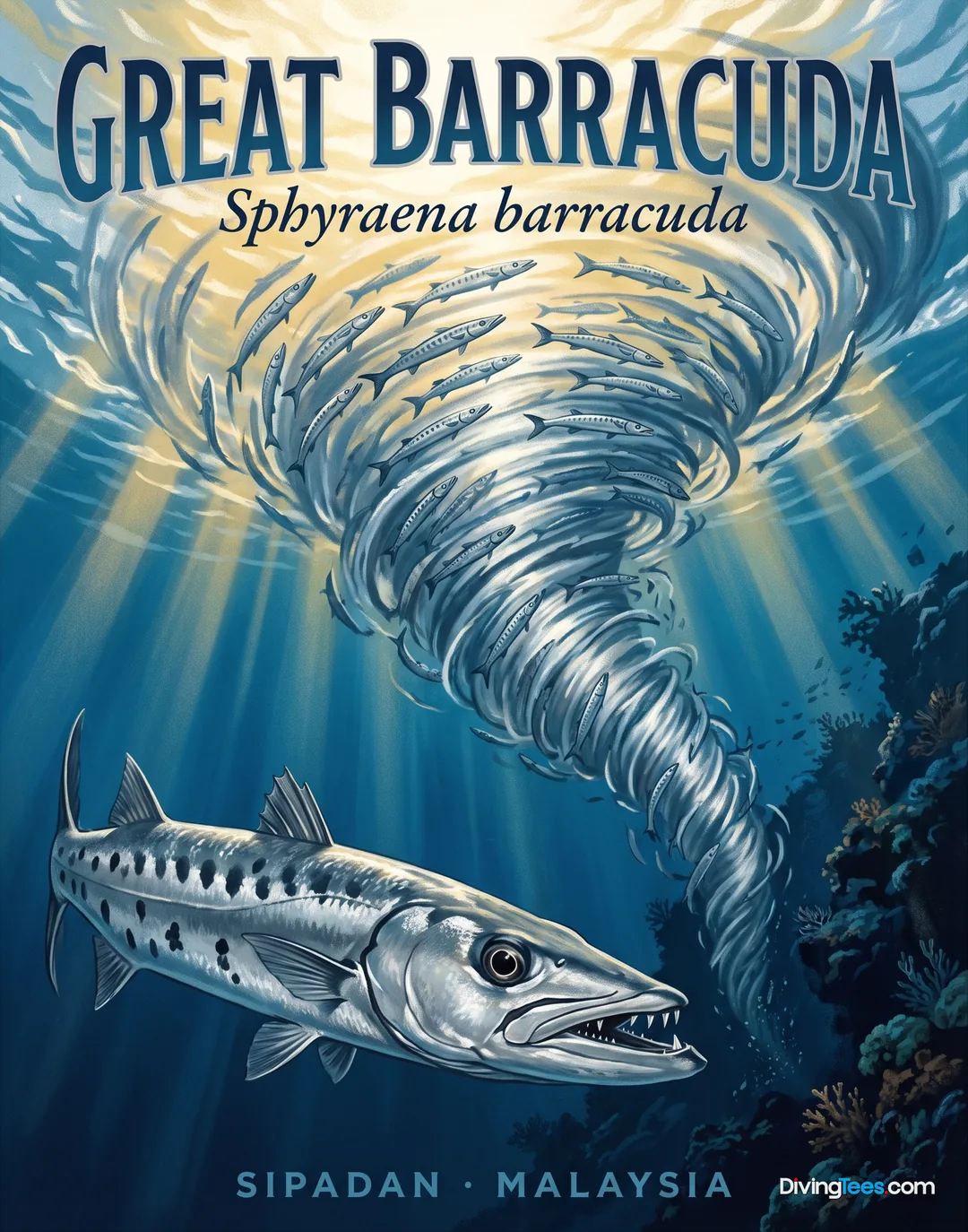
You can see green turtles throughout the year, with hawksbills also encountered year-round. Reef life includes surgeonfish, blue-striped snappers, fusiliers, lobster, shrimp and nudibranchs. Secret Garden has brain coral, red anemones and ghost morays, while Black Coral reaches deep reef habitat. Whale sharks may visit offshore from October to February.
A week to ten days allows several morning boat trips and flexibility when wind or rain interrupts diving. Choose a land-based stay near the beach, keep a day for Mida Creek’s mangroves or an inland safari, and plan arrival connections carefully through Nairobi or Mombasa. Confirm the Kenya Wildlife Service permit before entering the park.