Blue Reef Sport & Fishing Lodge and Bungalows
Google 4.4/5 (273 reviews)
Tanzania · Africa
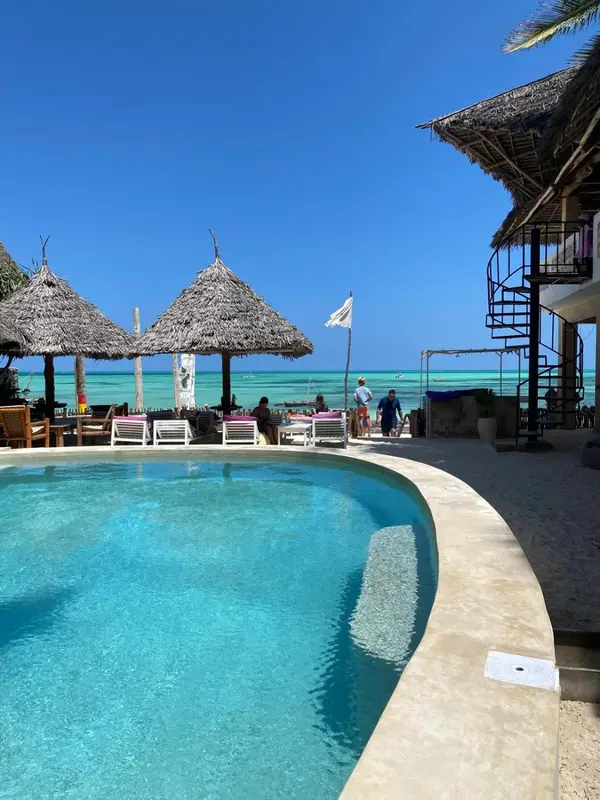
A tidal lagoon, an offshore barrier reef and coral restoration projects shape calm, shore-based diving on Zanzibar’s south-east coast at Jambiani.
Jambiani is a quiet, shore-based base for boat dives on the barrier reef off Zanzibar’s south-east coast. The lagoon usually takes the edge off the swell, making local outings workable for beginners as well as experienced independent divers when conditions cooperate. This is a place to combine a few diving days with beach time, tidal-lagoon exploring, marine-life activities and village culture, rather than to build a holiday around a liveaboard or long daily transfers.
Most diving takes place from a boat on the offshore barrier reef, with short local outings from Jambiani or the neighbouring Paje area. The lagoon behind the reef is generally more sheltered than the exposed outer sections, although tides, wind and the state of the sea decide how comfortable the trip will be. Currents are variable rather than a defining feature of every dive. Visibility is commonly around fifteen to thirty metres in the better season, but rain runoff, wind and swell can reduce it quickly. Expect half-day or day trips, with the boat ride and the actual departure point worth confirming beforehand. Jambiani suits divers who enjoy straightforward reef diving and a flexible schedule, not those seeking a tightly packed programme of distant sites.
Jambiani’s underwater subject is the reef itself: coral structures, the changing light across the barrier reef and the marine life gathered around it. The lagoon adds a second setting, particularly for snorkelling and surface exploration when the tide leaves shallow water and tidal pools. On land, algae farming and fishing provide a useful glimpse of the coastal life connected to the water, rather than a resort built solely around diving. There is no particular seasonal wildlife spectacle to organise the trip around, so plan for reef encounters whenever the sea allows. Coral condition is mixed, with local monitoring, artificial reef work and mooring initiatives alongside pressures from bleaching, illegal fishing and anchor damage.
June to October is the most dependable window, when the dry season usually brings steadier seas and clearer water. Visibility is at its most useful for reef diving then, often reaching fifteen to thirty metres. April and May are the months to treat with caution: the rainy season can bring runoff, swell and turbidity, and may disrupt boat departures as well as underwater views. December to February remains diveable, but monsoon winds can make the ride and exposed reef sections rougher. A flexible itinerary matters more than a rigid run of consecutive dive days.
Jambiani can suit a newly qualified diver, provided the sea is settled and the planned reef dive matches current ability. Local trips are presented for all levels, while autonomous divers can enjoy the same boat-based reefs without needing technical qualifications. PADI, SSI and BSAC divers should bring their usual certification evidence and logbook, and discuss recent experience if they have been out of the water. Variable current, wind and swell are the real considerations, not demanding specialist training.
From London Heathrow, London Gatwick or Manchester, the practical route is a flight to Zanzibar followed by a road transfer to Jambiani. Allow roughly one to one and a half hours for that drive, depending on traffic and the exact starting point. No domestic flight is needed after landing on Zanzibar. If travelling by ferry from Dar es Salaam instead, the ferry arrives at Stone Town and the journey continues by road, with no regular direct ferry to Jambiani. Once in the village, accommodation near a local dive centre is often walkable, otherwise a short taxi or road transfer is needed. Confirm the actual embarkation point, as a booking sold under Jambiani may leave from nearby Paje.
Treat the tide as part of the dive plan. Ask which departure point is being used, how long the boat ride takes and whether the trip leaves from Jambiani or Paje, rather than assuming every Zanzibar dive is nearby. Keep the programme loose enough to move a dive when monsoon wind or swell makes an exposed reef uncomfortable. If a sheltered reef outing is the priority, say so when arranging the days. Check that the boat uses a mooring buoy or another method that avoids dropping an anchor onto coral. Do not book Jambiani expecting automatic access to Zanzibar’s northern highlights, as that can turn a quiet base into a series of long road transfers. Leave a non-diving day before the flight, since the return drive crosses the island and traffic can be unpredictable. April and May deserve extra flexibility because rain can affect both visibility and departures.
Allow five to seven days for several possible diving days without having to force a trip in poor sea conditions. Seven to ten days works if Jambiani is combined with another part of Zanzibar. Stay near the village or beach, where the dive centre may be walkable, and keep time for the lagoon at low tide, snorkelling, algae-farm visits and village activities. Non-divers have genuine alternatives, from beach days and marine-life outings to cultural excursions, although longer trips across Zanzibar need transport time.
Hello, I'm Marina, DivingDeal.com's AI assistant. I guide you through destinations, areas and countries.
Thinking about the whole trip and the flights? Talk it over with Edith →
Marina is an AI. Some links are affiliate links: DivingDeal may earn a commission, at no extra cost to you. Bookings are made with the partner.
June to October is the most dependable period for Jambiani, with generally steadier seas and clearer water. Visibility often reaches fifteen to thirty metres. December to February remains possible, although monsoon winds can roughen boat rides and exposed reef sections. April and May need extra flexibility because rain may affect departures and visibility.
Jambiani can suit newly qualified divers when the sea is settled and the planned reef dive matches your ability. Local trips are presented for all levels, while autonomous divers can enjoy the boat-based reefs without technical qualifications. Wind, swell and variable currents matter more than specialist training, so discuss recent experience if needed.
In Jambiani, you can explore coral structures, changing light across the offshore barrier reef and marine life gathered around it. The tidal lagoon offers sheltered shallow water, tidal pools, snorkelling and surface exploration when the tide allows. On land, algae farms, fishing activity, coral monitoring and artificial reef work connect diving with village life.
Plan a flexible stay in Jambiani, allowing several possible diving days rather than forcing departures in poor conditions. Confirm whether the boat leaves from Jambiani or nearby Paje, the embarkation point and the ride time. Stay near a dive centre if possible, keep time for the lagoon and village activities, and leave a non-diving day before flying.