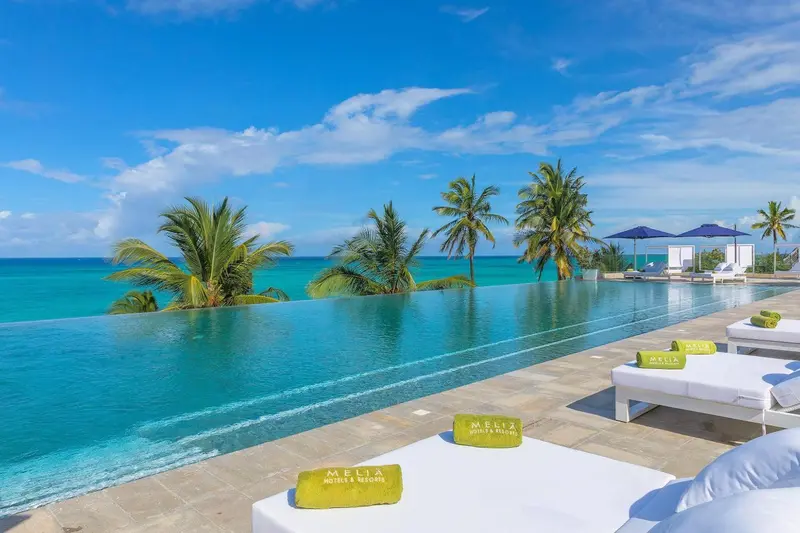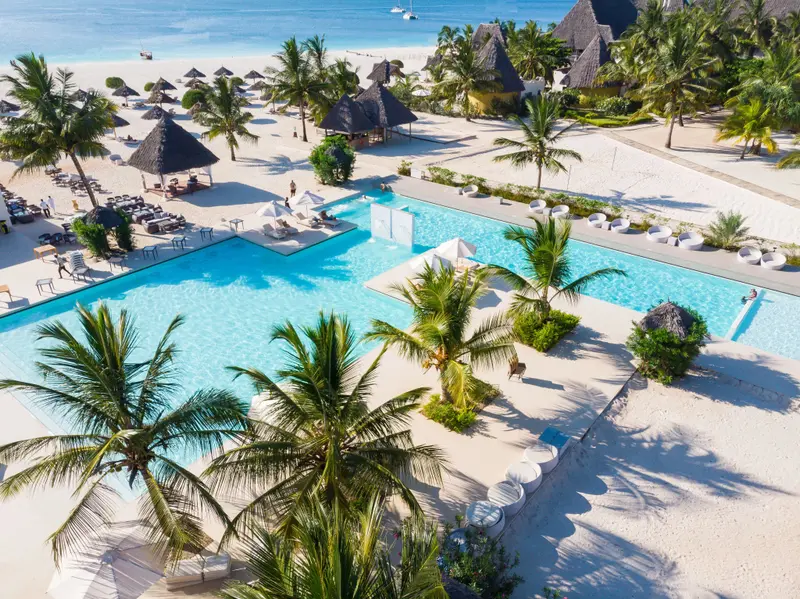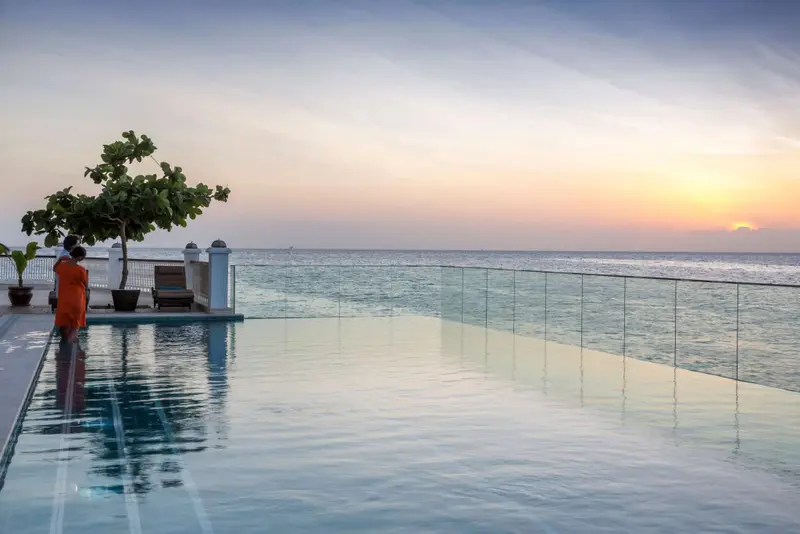

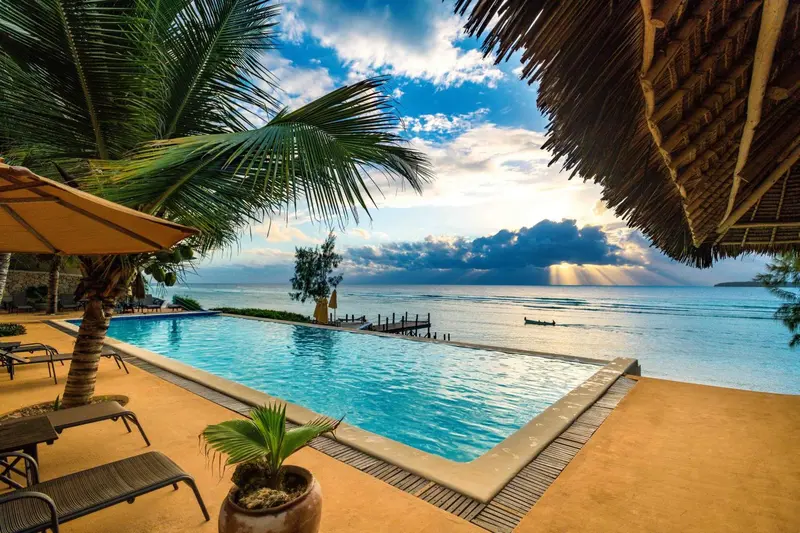
 Dive centre in the hotel
Sunshine Marine Lodge
★★★★
Google 4.6/5 (364 reviews)
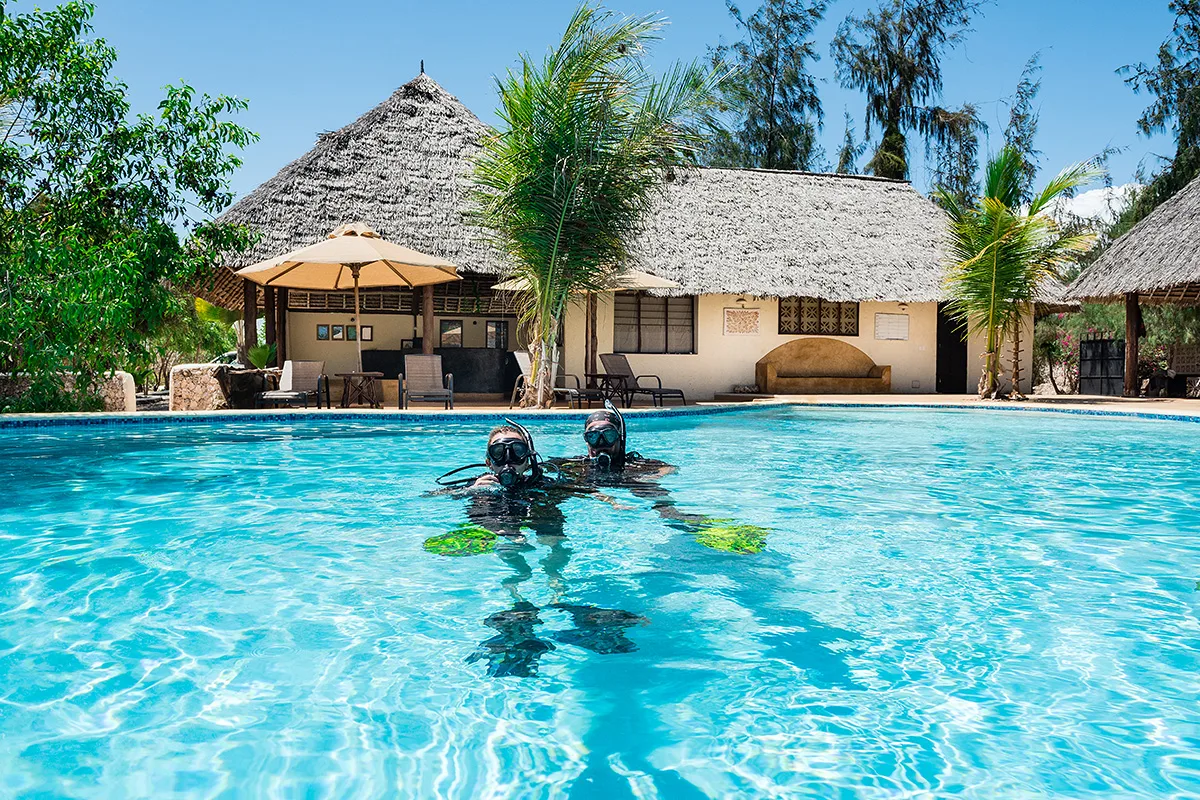
The dive centre
Dive Point Zanzibar
PADI
Google 4.8/5 (169 reviews)
Dives: Mnemba Atoll, Tumbatu Island, Shanes Reef
Tanzania · Africa
Shallow coral gardens, Mnemba’s reef slopes, and a 55-metre exposed pinnacle set Zanzibar’s diving between easy reef days and serious current work.
For subtitles in English: start the video firstthen click the gearat the top right of the video, select “Subtitles/CC”, then “Auto-translate” and choose “English”.
Zanzibar is a shore-based island diving destination rather than a dedicated liveaboard trip. Unguja provides boat diving from coastal bases, with Pemba available as a separate island extension. The underwater menu runs from three-metre coral gardens at Tumbatu Island to steep, exposed terrain such as Leven Bank. That makes Zanzibar a sensible choice for divers who want proper underwater time without making the entire holiday about diving, and who have companions interested in beaches, lagoons or Stone Town.
The diving mixes shallow coral gardens, gently sloping reefs, sandy bottoms, walls and exposed offshore pinnacles. Mwana wa Mwana starts at about three metres, with terraced coral leading down to 20 metres and macro subjects tucked among the reef. Wattabomi slopes from five to 20 metres around Moray Eel City, while Mnemba Atoll offers shallow reef tops and deeper slopes to 30 metres. At the other end of the scale, Leven Bank falls from 12 to 55 metres and is a current-affected advanced dive with pelagic potential. Conditions are not uniform: many sheltered sites have little or light current, but passes, points and offshore sites can run moderately or strongly, depending on the tide. Visibility is commonly described as variable, with site reports ranging from modest conditions to about 30 metres. Most diving is arranged as two-boat-dives-a-day outings from local bases.
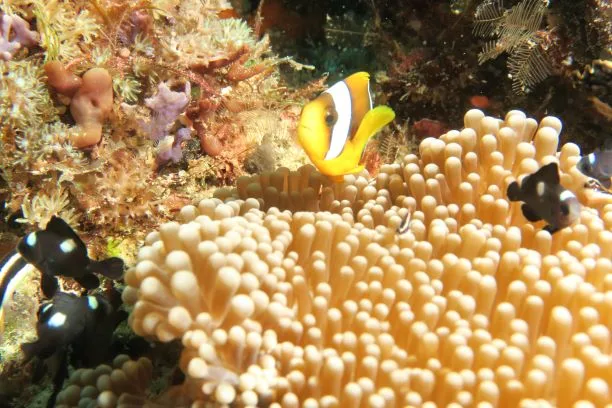
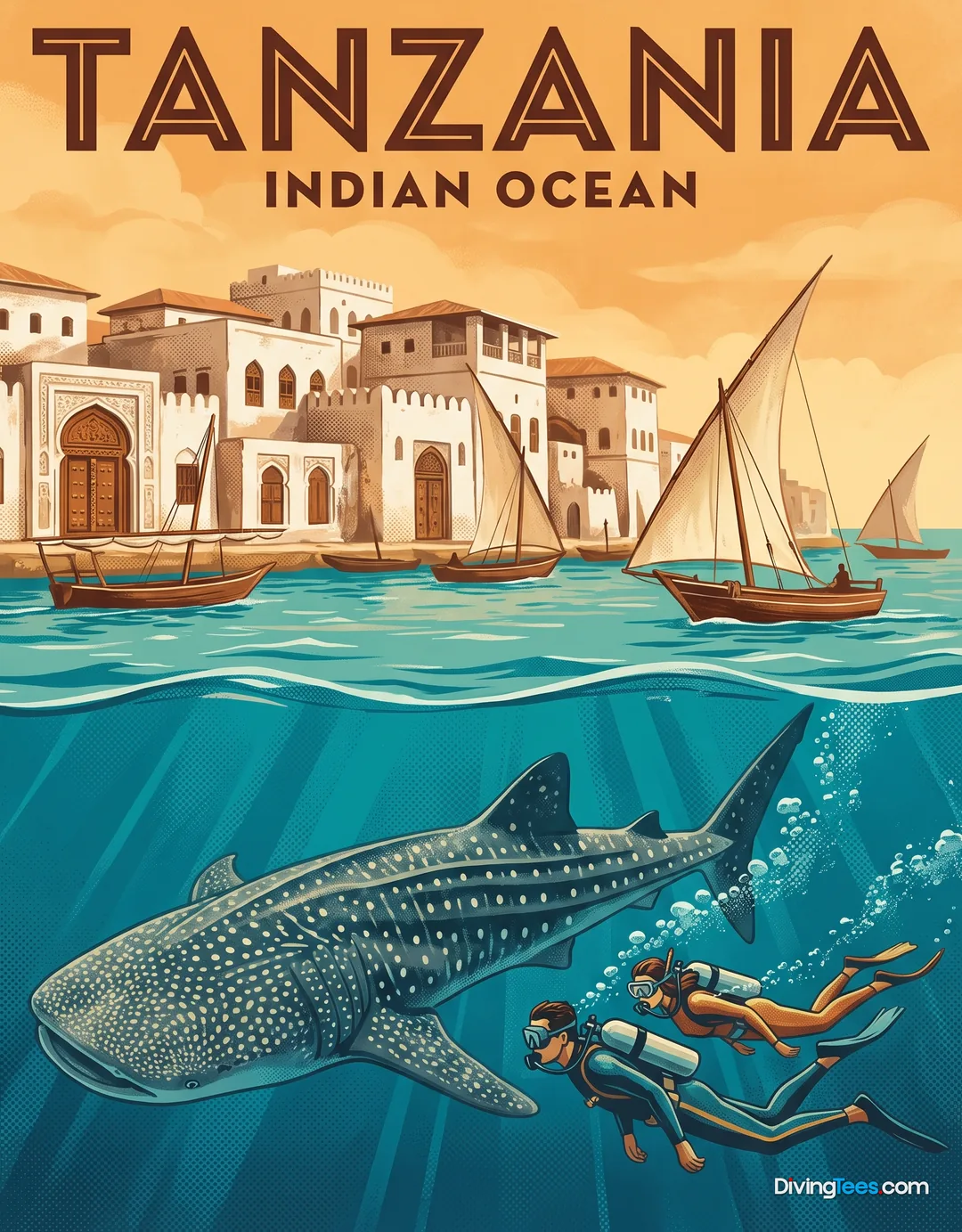
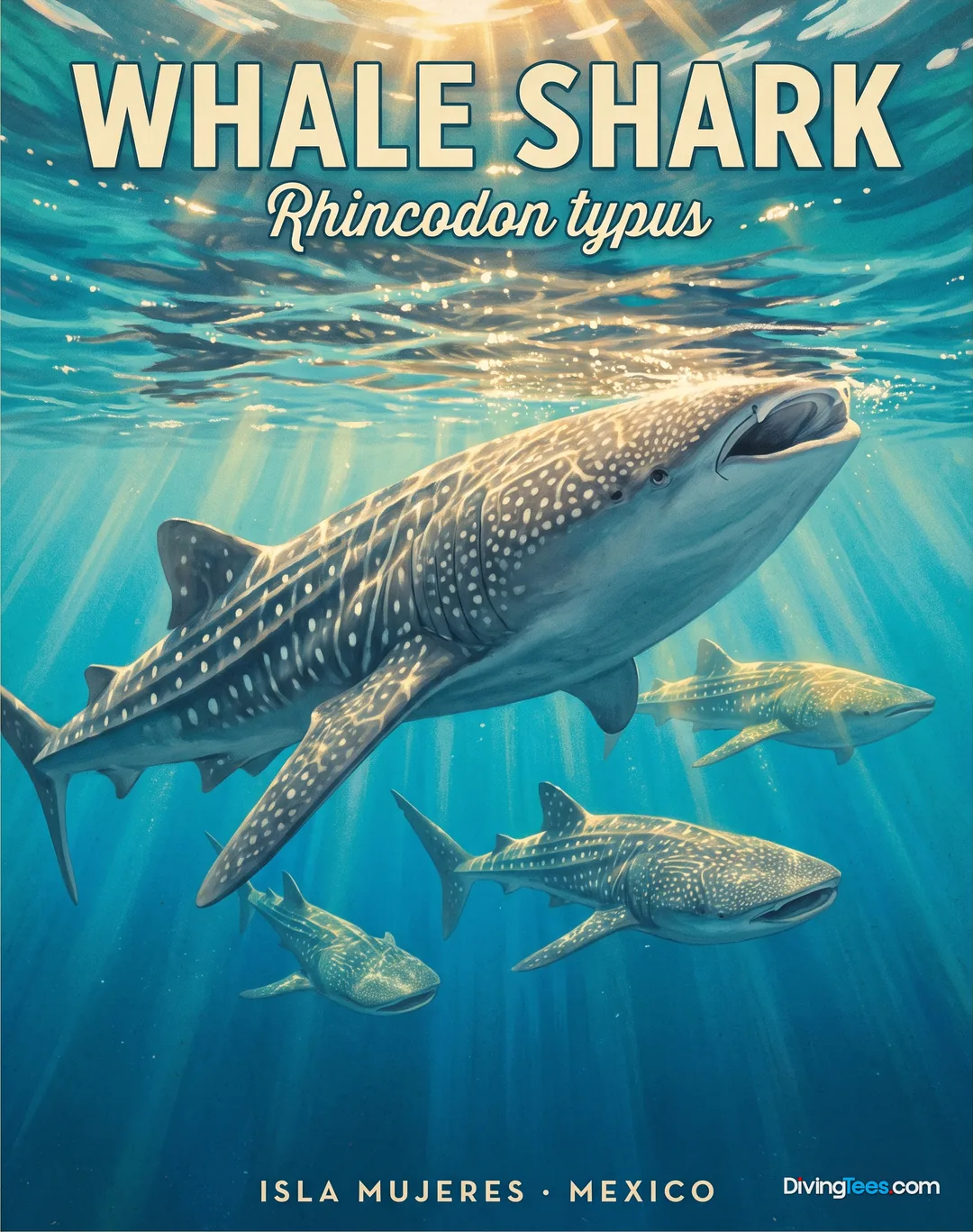
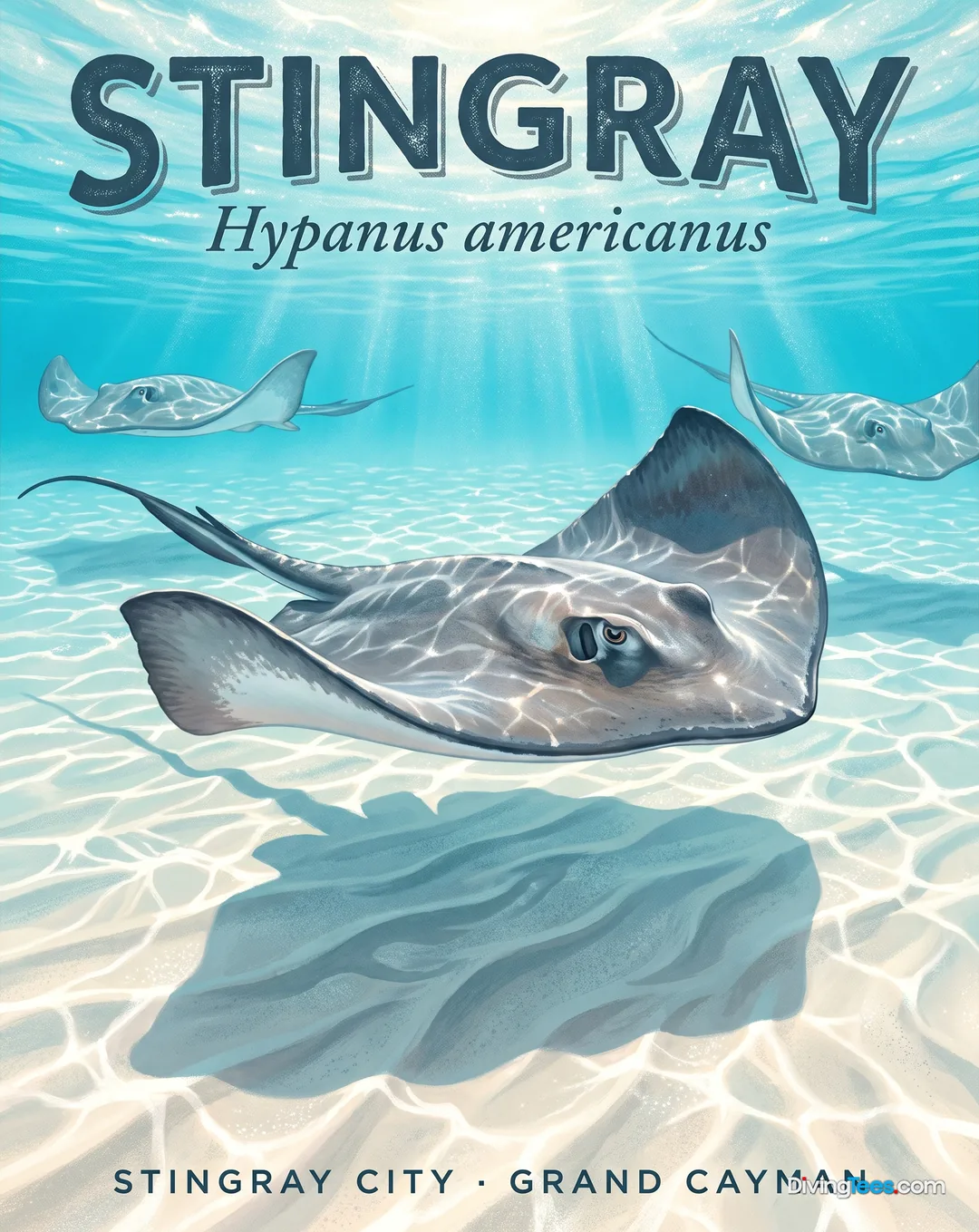
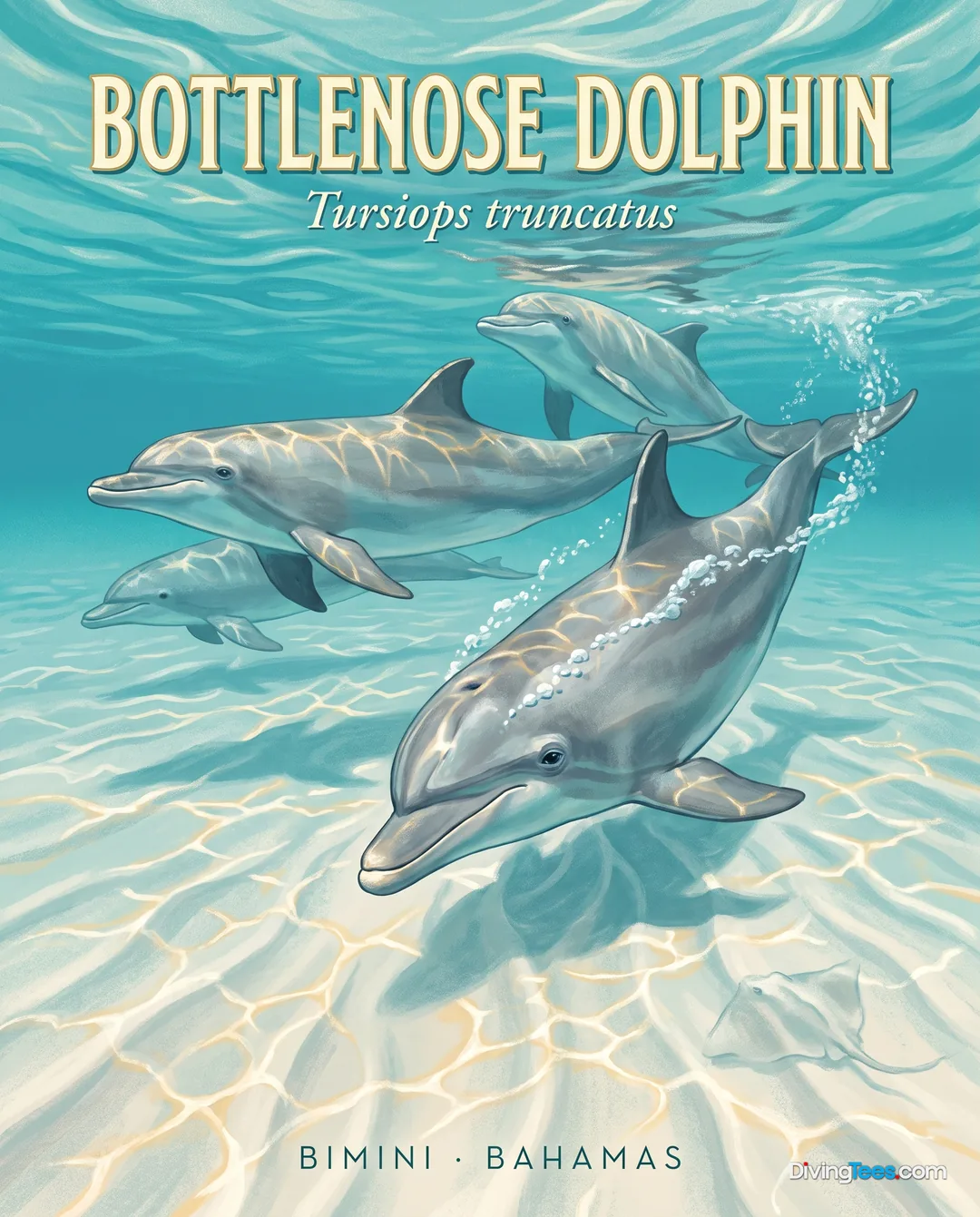
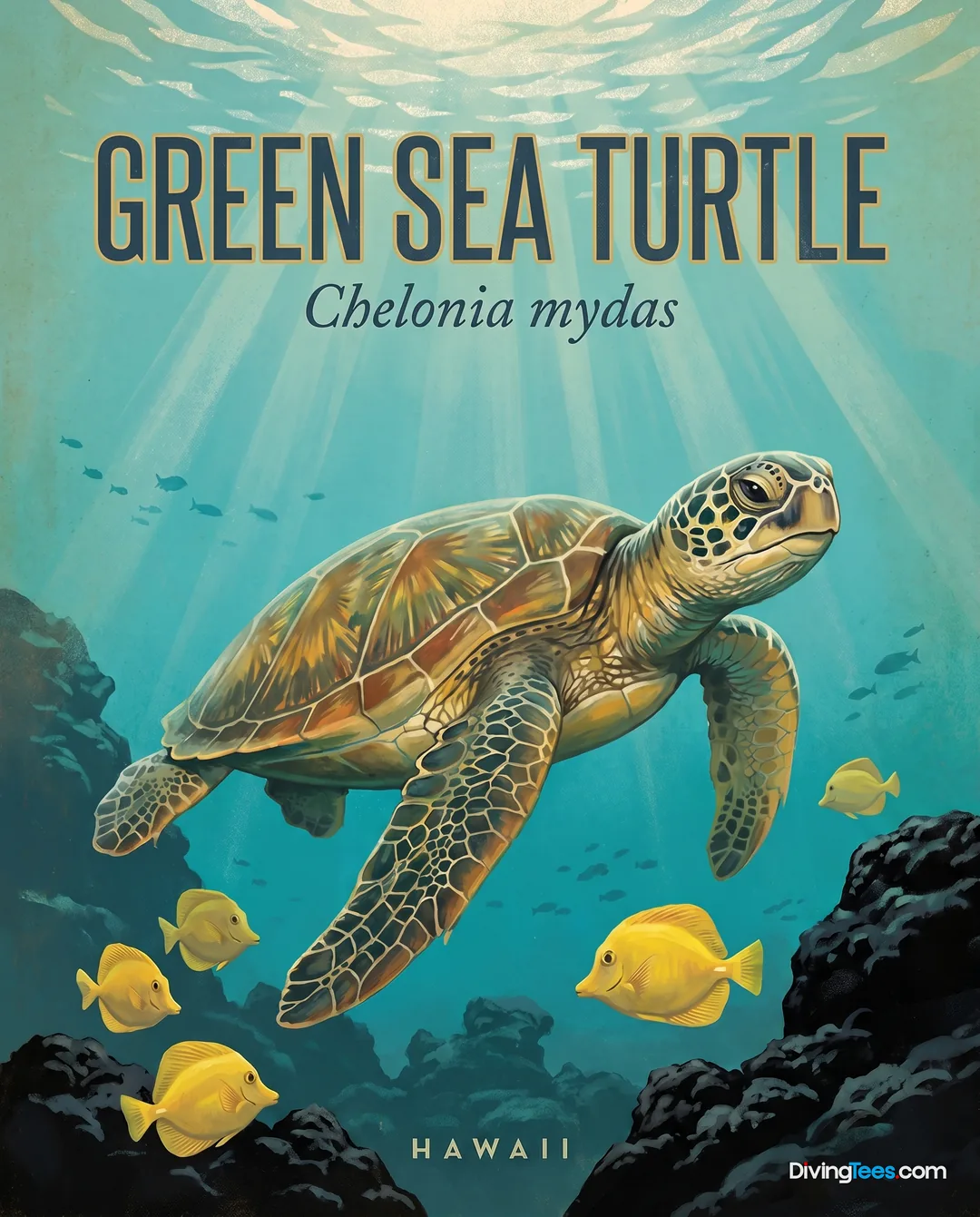
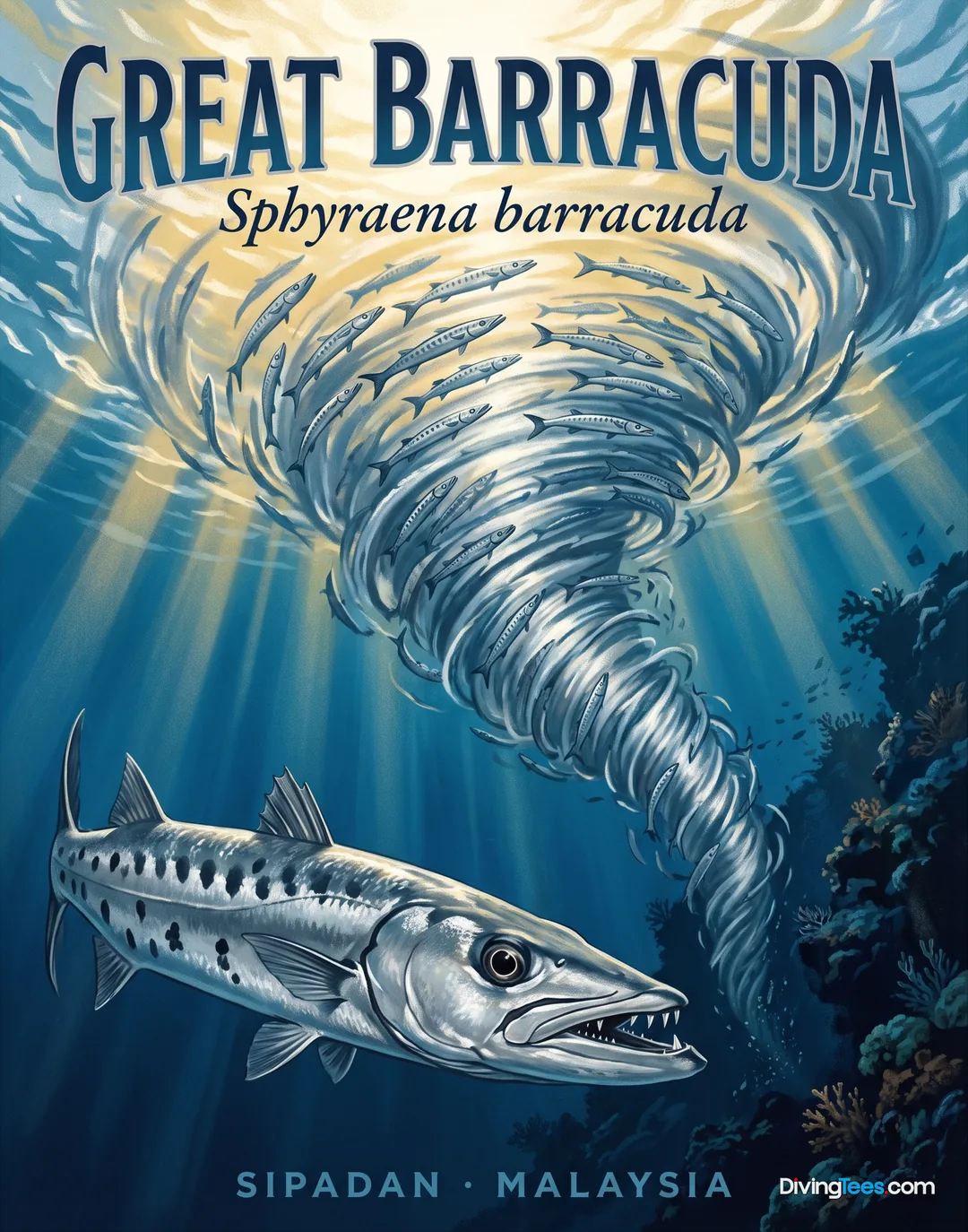
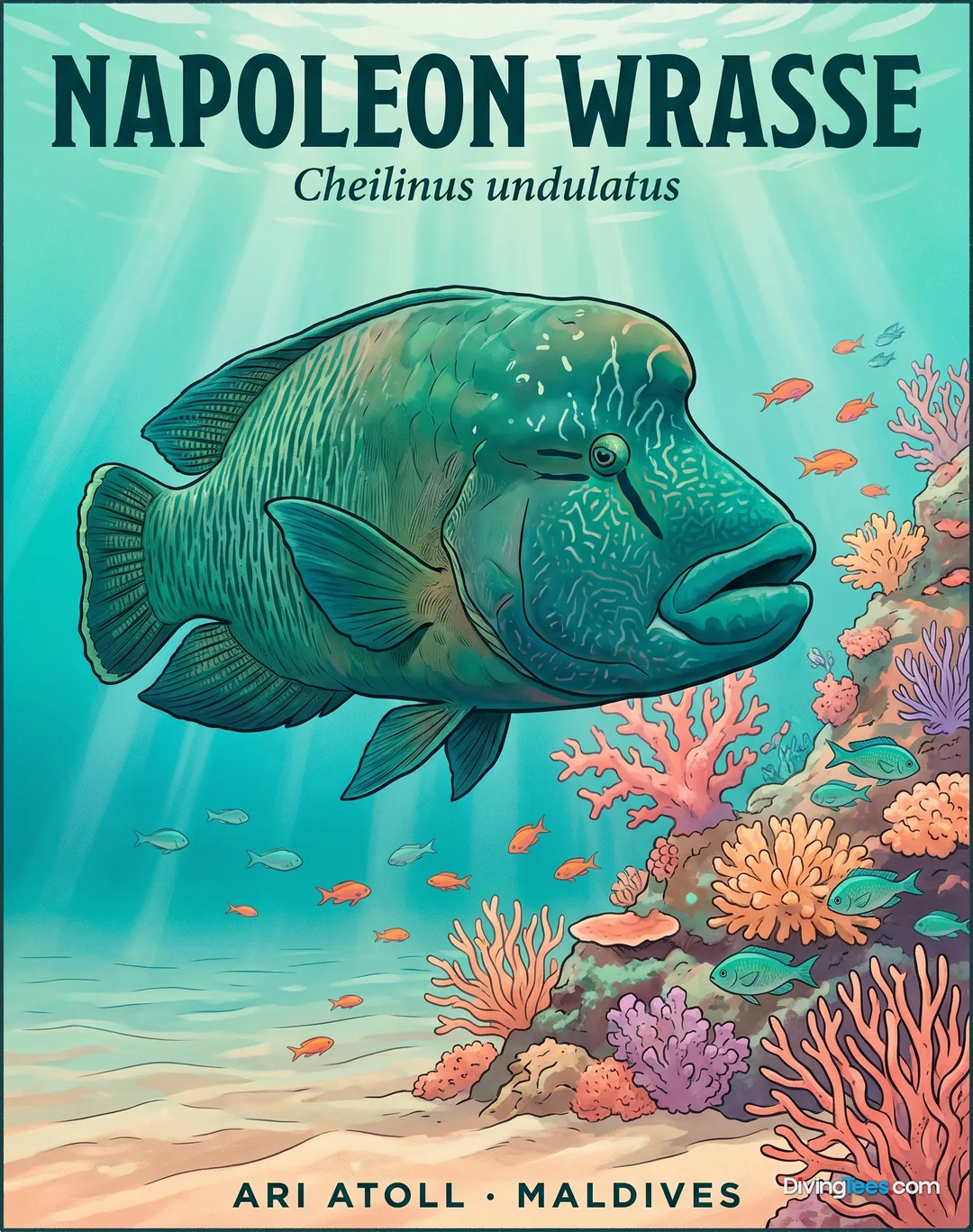
Zanzibar rewards both the diver who searches slowly and the one who watches the blue water. Around Mwana wa Mwana, seahorses, frogfish, nudibranchs and leaf scorpionfish suit a careful inspection of the coral terraces. Moray eels, octopus, filefish, grouper, sweetlips and snapper are recurring reef subjects, while Mbwangawa’s sandy bottom brings rays and its Turtle House is known for repeated turtle sightings. Mnemba’s reefs add barracuda, tuna, Napoleon wrasse and larger groupers, with dolphins associated with the atoll. Whale sharks are a seasonal possibility around Mnemba from September to December, while Leven Bank is aimed at blue-water encounters with barracuda, trevally and tuna. August and September are also highlighted for possible humpback whale sightings there.
March and April offer the calmest sea in the measured site record, making them the most comfortable months for boat schedules and exposed sites. The reasons to look beyond that window are practical rather than absolute: June to October brings the lowest rainfall, which suits a wider island holiday, while September to December carries the seasonal interest of possible whale shark encounters around Mnemba. Leven Bank has a particular August-to-September pelagic appeal, but its exposed position and strong currents still make the day’s sea state more important than the calendar. Zanzibar is spread across different coasts and islands, so local conditions can differ between a sheltered reef, a pass and an offshore pinnacle.
Beginners can start on sites such as Tumbatu Island, Mwana wa Mwana, Wattabomi or the calmer sections of Mnemba, where shallow profiles and limited current keep the workload manageable. Open Water Diver, PADI, SSI or BSAC equivalents cover much of the easier diving. Advanced training is useful for deeper walls and exposed sites, and Leven Bank should be reserved for genuinely experienced current divers rather than treated as a routine tropical reef outing. Nitrox is useful for repeated two-dive days, provided the diver is trained and the operator supports it.
From London Heathrow, London Gatwick or Manchester, the journey begins with an international flight to Tanzania, followed by onward travel to Zanzibar. The exact connection depends on the itinerary, so the practical constraint is the handover between the international flight and the island leg rather than a single fixed route. Zanzibar’s main island can also be reached by ferry from Dar es Salaam. Once on Unguja, coastal dive areas and boat launches are reached by road, normally using a taxi, shuttle or vehicle arranged through the local diving operation. Pemba requires another leg by domestic flight or boat, depending on the chosen itinerary. Accommodation is generally close enough to the coast for a short road transfer, but the island’s spread means the location of the base matters when planning daily departures.
Treat the tide as part of the dive plan. At Zanzibar’s passes, points and exposed edges, departure time can decide whether the same site feels relaxed or becomes a drift dive, so ask what sort of water the boat is heading for rather than relying on the site name alone. Keep the first dives of the day for the more exposed or busier areas, when sea conditions are often steadier and recreational traffic is lower. Ask whether the boat will use a mooring; Chumbe Reef Sanctuary, Menai Bay and the Mnemba conservation area are managed places, where anchoring on coral, touching wildlife and collecting marine life are not acceptable. Pack equipment that lets you hold precise buoyancy over shallow coral gardens. If Stone Town or a lagoon excursion is part of the plan, place deeper diving early in the holiday and leave the final 24 hours free of diving before the return flight. Do not assume every Zanzibar site is a gentle resort reef: the current, not the depth, is often the deciding factor.
A seven- to ten-day stay works well as a land-based diving holiday. Unguja can support several days of morning boat outings, with afternoons for beaches, lagoons or Stone Town. Pemba suits a more focused island extension rather than a quick add-on. The rhythm is straightforward: two dives when the sea and tide allow, then a non-diving day or a lighter outing. That balance matters here, because Zanzibar’s appeal lies as much in the island setting as in its reefs.
Hello, I'm Marina, DivingDeal.com's AI assistant. I guide you through destinations, areas and countries.
Thinking about the whole trip and the flights? Talk it over with Edith →
Marina is an AI. Some links are affiliate links: DivingDeal may earn a commission, at no extra cost to you. Bookings are made with the partner.
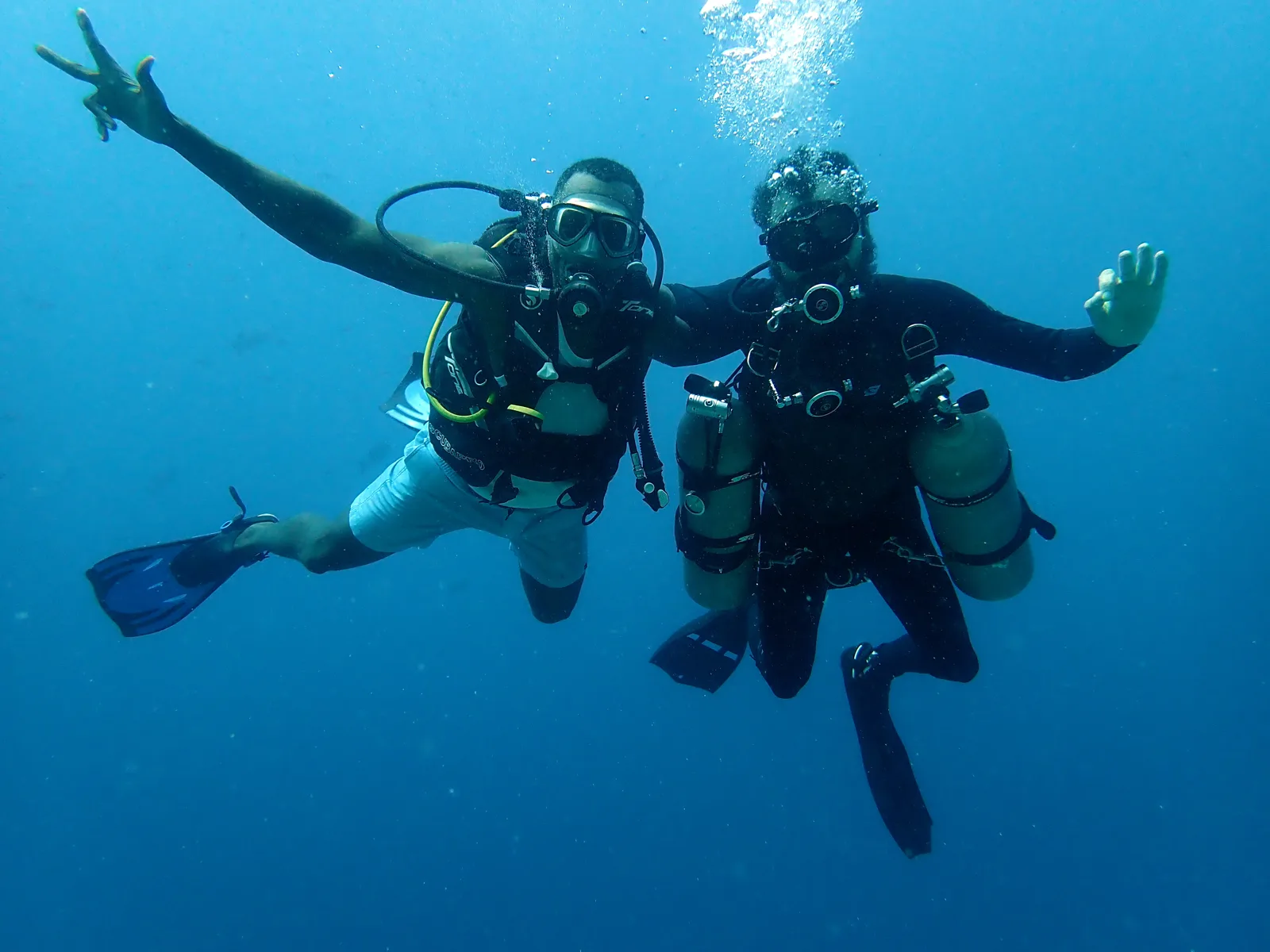
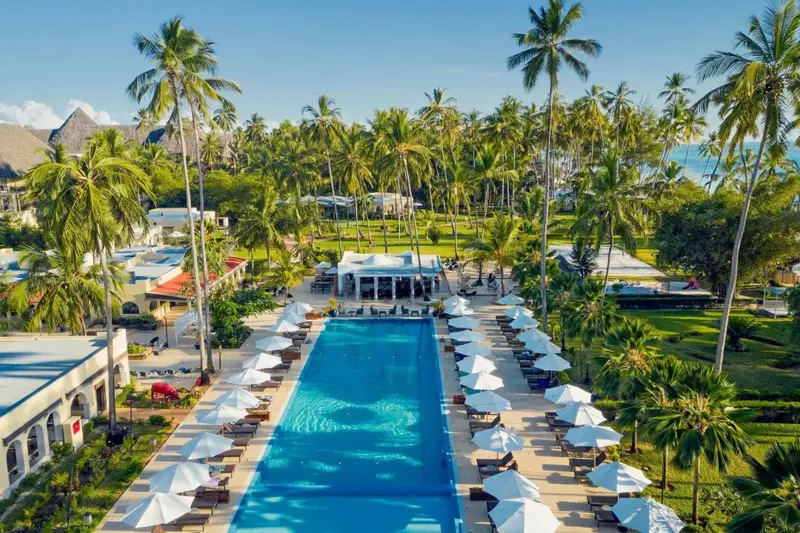
In each one, the dive centre is inside the hotel: step out of your room and go diving.
Dive centre in the hotel★★★★
Google 4.6/5 (364 reviews)
The dive centre
Dive Point Zanzibar
PADI
Google 4.8/5 (169 reviews)
Dives: Mnemba Atoll, Tumbatu Island, Shanes Reef
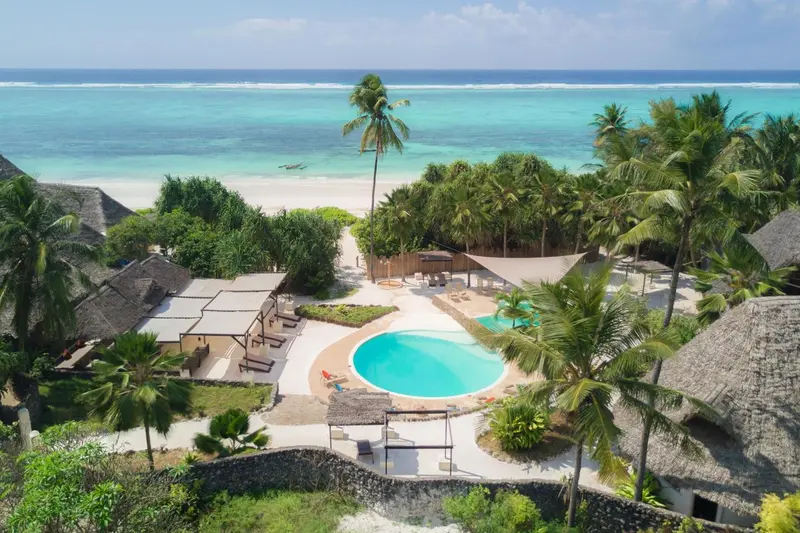 Dive centre in the hotel
★★★★
Google 4.3/5 (264 reviews)
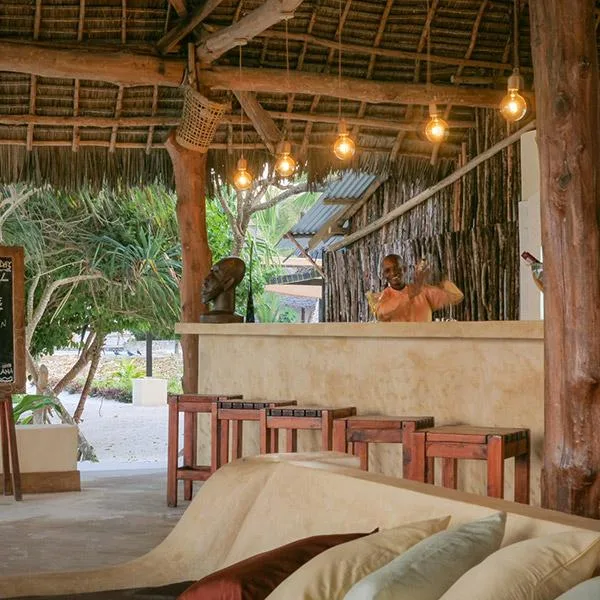
The dive centre
One Ocean at Zanzibar Pearl Boutique Hotel
Google 4.3/5 (272 reviews)
Dives: Mnemba Atoll
Your last day stays dry: no diving in the 18-24 hours before a flight, the perfect window to see the destination from another angle.
 Nature
⏱ 10 h · ★ 5.0 (34 reviews)
from £380$508€454
see on Viator ↗
 Culture
⏱ 5 h · ★ 5.0 (26 reviews)
from £89$119€106
see on Viator ↗
 Culture
⏱ 3 h · ★ 5.0 (22 reviews)
from £27$36€32
see on Viator ↗
 Nature
⏱ 8 h · ★ 5.0 (8 reviews)
from £447$598€534
see on Viator ↗
Ratings and reviews collected by Viator and Tripadvisor.
March and April offer the calmest sea conditions for boat schedules and exposed sites. June to October brings the lowest rainfall for a broader island holiday. From September to December, whale sharks are a seasonal possibility around Mnemba, while August and September bring pelagic interest at Leven Bank. Local conditions still depend on tides and coast.
Zanzibar suits beginners at Tumbatu Island, Mwana wa Mwana, Wattabomi and calmer Mnemba sections, where shallow profiles and limited current help keep dives manageable. Open Water Diver or equivalent training covers much of this diving. Advanced training helps with deeper walls, while Leven Bank requires genuine current-diving experience because it is deep, exposed and current affected.
You can search coral terraces for seahorses, frogfish, nudibranchs and leaf scorpionfish around Mwana wa Mwana. Reefs also hold moray eels, octopus, filefish, grouper, sweetlips and snapper. Mbwangawa offers rays and repeated turtle sightings, while Mnemba adds barracuda, tuna, Napoleon wrasse, larger groupers and dolphins. Seasonal whale sharks are possible around Mnemba.
Plan a land-based stay on Unguja, choosing a coastal base that suits your daily boat departures. Morning outings commonly combine two dives, leaving afternoons for beaches, lagoons or Stone Town. Keep deeper diving early and leave the final twenty-four hours free before flying. Add Pemba only when you want a more focused island extension.