The Aiyana Resort & Spa
★★★★★
Google 4.6/5 (214 reviews)
5.4 km away as the crow flies
Dive centre · Pemba Island · Tanzania
4.9170 Google reviewsExperience the untouched reefs of Pemba with a dedicated 4:1 guide ratio and fast boat access to over 25 dive sites.
For subtitles in English: start the video firstthen click the gearat the top right of the video, select “Subtitles/CC”, then “Auto-translate” and choose “English”.
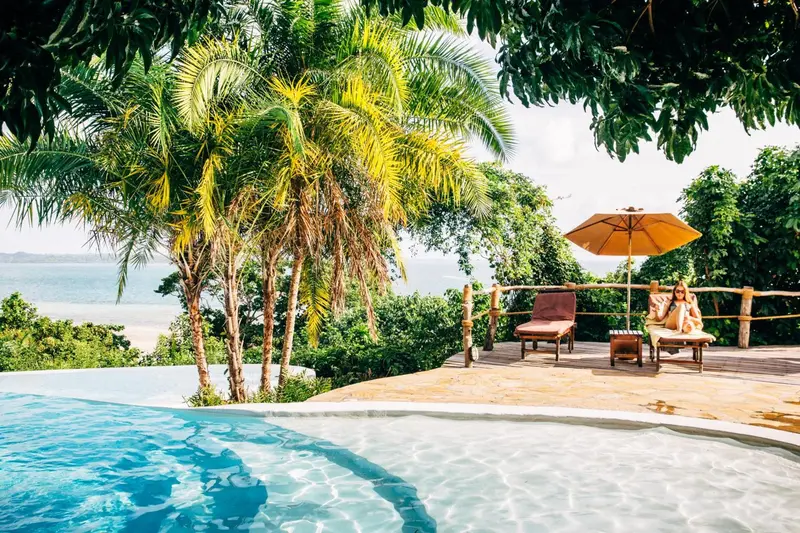
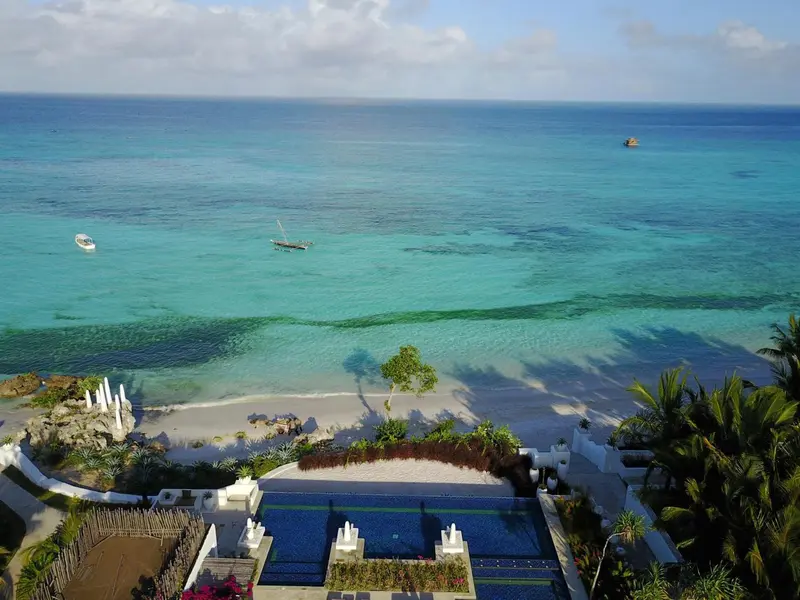
Located in the north-west of Pemba near the village of Makangale, Afro Divers offers a direct gateway to some of Tanzania's most pristine marine environments. The centre is integrated into the Afro Divers Lodge, a boutique establishment set among baobabs and directly on the beach, providing a quiet alternative to the more crowded diving hubs in the region.
Since 2019, the centre has focused on providing a personalised experience, moving away from mass tourism to focus on high-quality, small-group diving. The location is ideal for those looking to explore the diverse topography of the Pemba Channel, from shallow reef flats to dramatic deep walls.
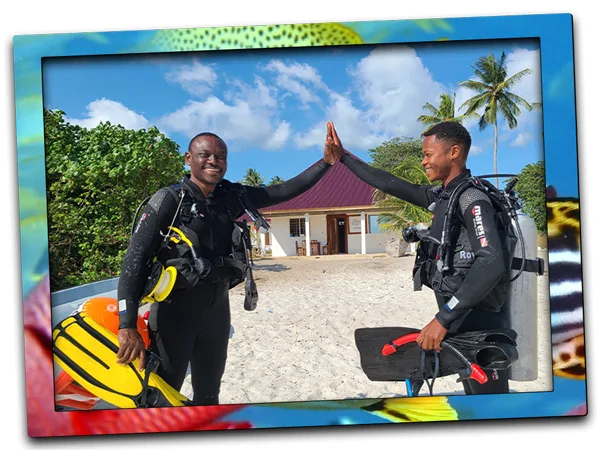
The centre is run by Carlotta and Michael, a PADI instructor, who have developed the facility to prioritise an intimate atmosphere. The team includes PADI Divemaster Shafii, ensuring a professional standard of safety and guidance on every outing.
Instruction is available in English, German, Italian, French, and Dutch, making it accessible for a wide range of international divers. To maintain close supervision and a relaxed atmosphere, the centre operates with a strict ratio of one guide for every four divers.
Beyond diving, the team is committed to environmental sustainability and supporting the local community. The lodge itself has a relaxed, welcoming character, with resident dogs, cats, and a parrot contributing to the laid-back environment.
Afro Divers offers a comprehensive range of PADI courses catering to all experience levels. Beginners can start their journey with the Open Water Diver course, while those looking to progress can enrol in the Advanced Open Water Diver programme.
For divers looking to enhance their safety and technical skills, the centre provides the PADI Rescue Diver course, Emergency First Response (EFR), and the Nitrox specialty. All training is conducted with a focus on precision and professional standards.
The centre operates two fast boats, which allow for quick transit to the more than 25 dive sites scattered along the north-west coast. These vessels are well-equipped to handle the varied dive profiles of the area, including drift dives and night dives.
On board, you will find snacks, fruit, tea, coffee, and water to keep you refreshed between dives. Dry bags are also provided to ensure your personal belongings stay dry during transit.
For those travelling light, full equipment hire is available on-site. The centre provides aluminium cylinders with an 11.1L (80 CuF) capacity, using DIN fittings and providing inserts for those using YOKE (A-Clamp) regulators.
Nitrox is available for divers looking to extend their bottom times or increase their safety margins. The facility is designed to be convenient, with all necessary kit for a full day of diving provided as part of the service.
The reefs around Pemba are teeming with life, ranging from colourful reef fish to larger pelagics. You will regularly encounter moray eels and various species of shrimp among the coral structures.
During the window from late July to late October, Humpback whales can be seen in the area. If you visit in November, you may have the chance to encounter large pelagics.
For those interested in more specialised encounters, reef sharks and whale sharks are occasionally spotted in these waters. Spinner dolphins are also a frequent visitor to the local reefs.
The diving in Pemba is subject to significant currents, particularly when navigating the gaps between the smaller islands. These currents often create excellent conditions for drift diving, though they require divers to have good buoyancy control and experience.
While the underwater conditions remain good even when July is windy, surface conditions can become choppy. In January and February, occasional north winds can make navigation on the boats more unsettled.
Hello, I'm Marina, DivingDeal.com's AI assistant. I answer in detail about hotels, dive centres and liveaboards.
Thinking about the whole trip and the flights? Talk it over with Edith →
Marina is an AI. Some links are affiliate links: DivingDeal may earn a commission, at no extra cost to you. Bookings are made with the partner.