
Queiroz Diver
Google 4.8/5 (167 reviews)
Brazil · Americas
Rocky drop-offs, cold-water upwelling, boat departures from Praia dos Anjos and clear windows towards 25 metres define Arraial do Cabo’s Brazilian diving.
For subtitles in English: start the video firstthen click the gearat the top right of the video, select “Subtitles/CC”, then “Auto-translate” and choose “English”.
Rocky drop-offs falling beneath the boats at Praia dos Anjos are the defining view in Arraial do Cabo. This is a shore-based Brazilian diving holiday, with daily boat trips rather than a liveaboard, and plenty to do when weather or reserve rules interrupt diving. Cold-water upwelling gives the place a character quite different from a warm-water reef resort. The appeal lies in combining straightforward logistics with changing visibility, productive water and a coastline of beaches, rocky headlands and sheltered bays.
Most diving is from boats leaving Praia dos Anjos, heading for rocky reliefs and coastal sites selected within the reserve’s approved areas. Expect walls and drop-offs rather than a single, predictable reef layout. Current is variable, and conditions respond to the cold-water upwelling, swell, plankton and coastal runoff. Visibility is often sought from September to April, with good windows reaching about 25 metres, although the day’s water movement can change the picture. A dive may be calm and observational, or require more attention to the boat’s position and the guide’s plan. This is not a destination where divers simply choose any site and set off: navigation rules, fishing activity and local restrictions shape the itinerary. Outings are normally day boats, with introductory dives and certified-diver trips available, followed by a conventional safety stop before returning to harbour.
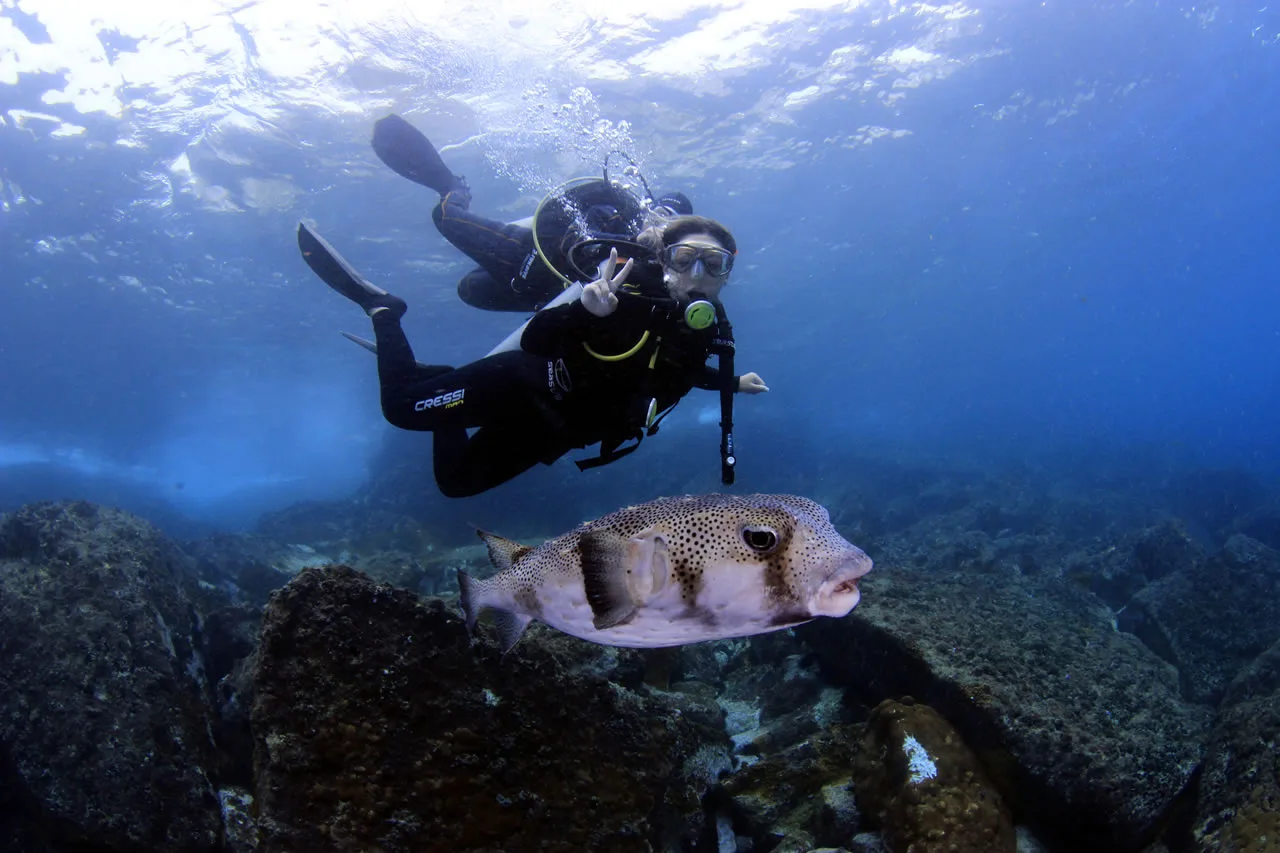
The most dependable natural feature here is productive water. Cold-water upwelling brings plankton, and with it periods of abundant marine life around the rocky underwater reliefs. What you see can therefore vary sharply between a clearer, more open-water dive and a plankton-rich winter outing with reduced visibility but greater biological activity. The place rewards attention to the rock rather than a fixed checklist of named animals: look into the contours of the drop-offs, across the coastal formations and through the changing water column. September to April is generally favoured for visibility, while June to August can feel colder and more alive because the upwelling intensifies the supply of plankton. Local conditions, rather than a guaranteed seasonal species calendar, decide the character of each dive.
Arraial do Cabo can be dived throughout the year, but September to April is the practical choice when clearer water matters most. Those months generally bring the visibility sought by visiting divers, with occasional windows approaching 25 metres. From June to August, the cold-water upwelling makes the sea noticeably colder and can reduce visibility as plankton increases. That is not necessarily a poor time to come: richer water may bring more abundant marine life, provided you are comfortable in heavier thermal protection. Summer, weekends and Brazilian holiday periods bring more boats and beach traffic, so weekday diving outside those periods usually gives the harbour and departures a little more breathing space.
Arraial do Cabo suits beginners as well as experienced divers. Local operators offer introductory dives, while certified divers can join boat trips under conditions assessed on the day. PADI, SSI and BSAC qualifications should all sit within the normal certified-diver framework, but the important issue here is experience in the conditions rather than a particular agency logo. Variable current, swell, colder upwelling and changing visibility mean that a newcomer should accept the guide’s site choice and briefing. Experienced divers should not assume every outing will be a drift dive or that a downcurrent is part of the plan.
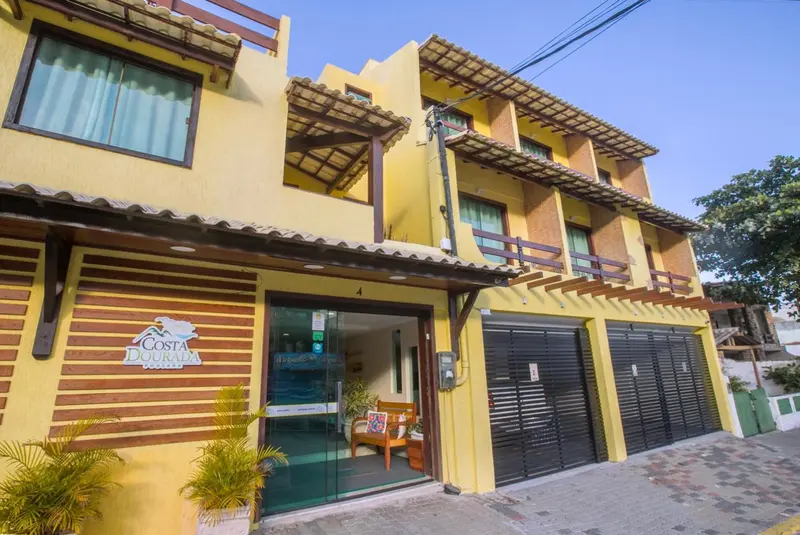
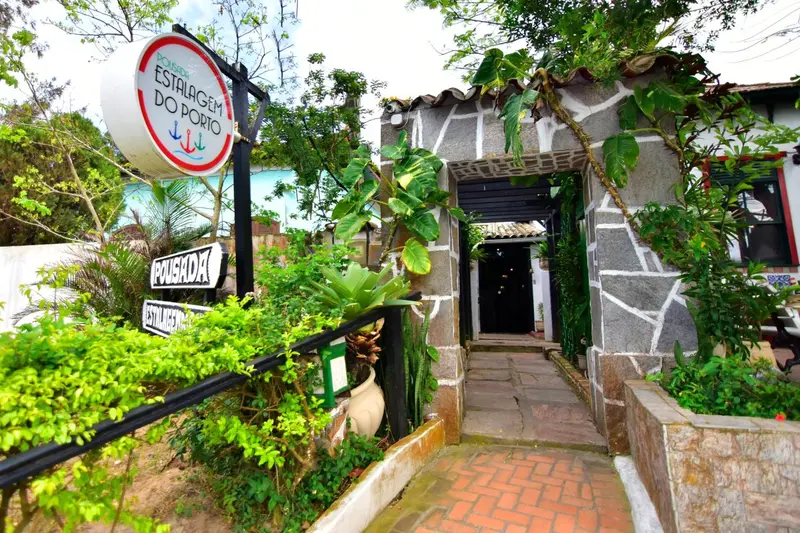
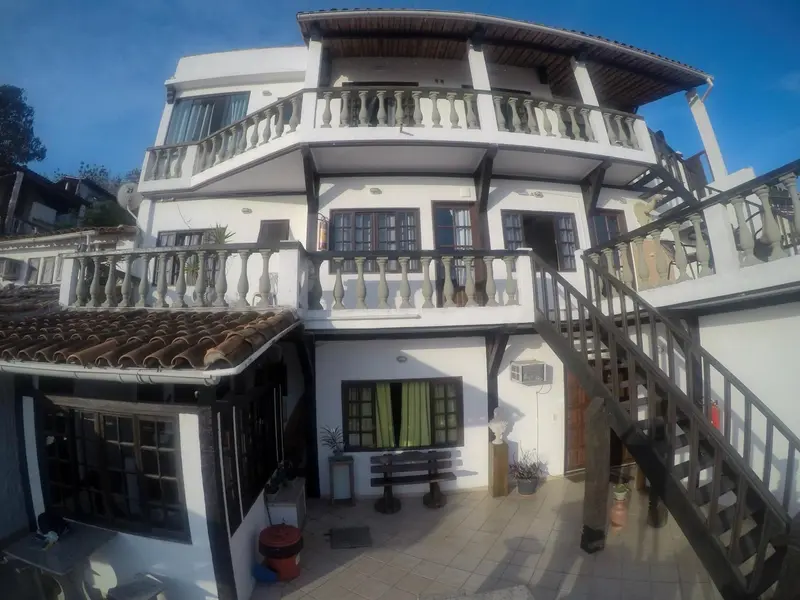
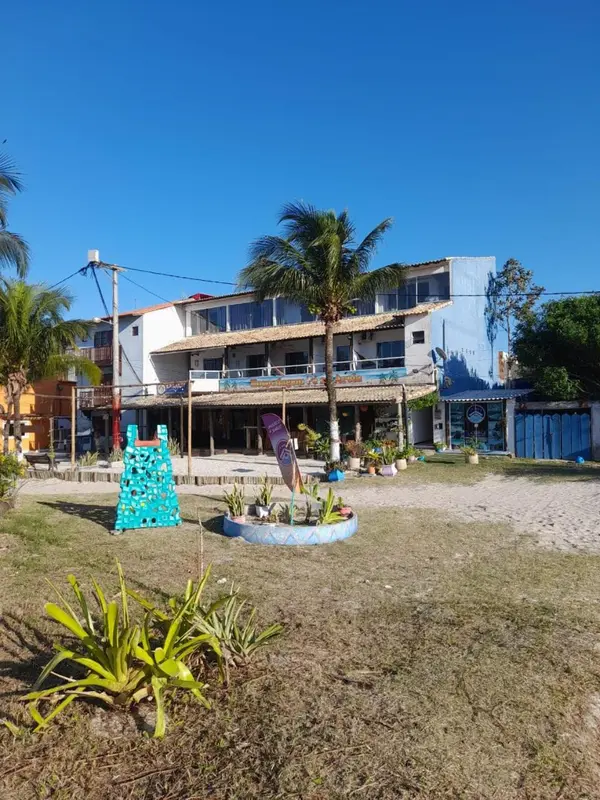
From London Heathrow, London Gatwick or Manchester, travel via Rio de Janeiro, then continue by road to Arraial do Cabo. The overland leg from Rio’s airports usually takes about two and a half to three and a half hours, depending on the route and traffic, so allow room between an international arrival and any booked boat departure. Intercity buses also connect Rio with Arraial do Cabo. A regional flight to Cabo Frio may operate on some dates, but the service is limited and needs checking separately. No ferry is needed. Around the diving base, accommodation near Praia dos Anjos may allow you to walk to the boats; elsewhere, use a taxi.
Build in several possible diving days, not just one fixed boat trip. The reserve controls approved routes and boat movements, while swell, visibility and fishing activity can alter the plan, so ask the operator which areas are authorised that day. Keep a spare day in the programme and do not book an immediate post-dive transfer or flight connection. Check the boat timetable against the road journey from Rio before committing to same-day travel. Pack thermal protection for cold-water upwelling even in the warmer part of the year, rather than relying on a light suit. Weekdays outside Brazilian holidays generally mean less pressure at the harbour and on the beaches. Finally, confirm the current local position on night diving before planning one, as reserve rules have included restrictions on it.
Plan on a five-to-seven-day land stay, with several boat days and at least one weather or reserve-rule buffer. Praia dos Anjos is the practical base because the diving boats leave from there, and staying nearby can make early departures simpler. Non-divers have genuine alternatives: coastal walks, viewpoints, boat trips, swimming and beaches including Praia do Forno, Prainhas do Atalaia and Praia Grande. This makes Arraial do Cabo workable for couples or mixed groups, rather than only for a diver travelling around a liveaboard schedule.
Hello, I'm Marina, DivingDeal.com's AI assistant. I guide you through destinations, areas and countries.
Thinking about the whole trip and the flights? Talk it over with Edith →
Marina is an AI. Some links are affiliate links: DivingDeal may earn a commission, at no extra cost to you. Bookings are made with the partner.
Arraial do Cabo is generally clearest from September to April, with occasional visibility windows reaching about twenty-five metres. June to August brings colder water and stronger upwelling, which can reduce visibility as plankton increases while supporting more abundant marine life. Summer, weekends and Brazilian holidays also bring greater boat and beach traffic.
Arraial do Cabo suits beginners and experienced divers, with introductory dives and certified-diver boat trips available. Conditions can include variable current, swell, colder water and changing visibility, so accept the guide’s site choice and briefing. Experience in these conditions matters more than your certification agency, and heavier thermal protection may be appropriate.
Diving in Arraial do Cabo centres on rocky drop-offs, walls and coastal underwater formations rather than one predictable reef layout. Cold-water upwelling brings plankton and productive conditions, so marine life may be more abundant during lower-visibility outings. Look closely at the rock contours and changing water column, where each dive’s character varies.
Base yourself near Praia dos Anjos, where the diving boats depart, and plan several possible boat days rather than relying on one fixed trip. Include a weather or reserve-rule buffer, check authorised areas with the operator, and avoid tight onward connections. Pack thermal protection, consider quieter weekdays, and leave time for beaches and coastal activities.