
Narwhal Ilhabela
Google 4.9/5 (732 reviews)
Brazil · Americas
Rocky reefs, small caves, Aymoré’s shallow wreck and Ilha das Cabras’ marine sanctuary shape boat diving from this forested Brazilian island.
For subtitles in English: start the video firstthen click the gearat the top right of the video, select “Subtitles/CC”, then “Auto-translate” and choose “English”.
Ilhabela is a shore-based Brazilian island destination for divers who like variety without committing to a liveaboard. Boats leave for rocky reefs, islets, small caves and the wrecks scattered around the São Sebastião Channel. Aymoré offers a shallow introduction to local wreck diving, while more exposed sites add depth, swell and current. Between dives, the island brings Atlantic forest, waterfalls, beaches and a historic waterfront, so non-divers have genuine reasons to come along.
The underwater landscape moves between rocky reef, small caves, islets and wrecks, with the channel providing a mixture of sheltered and more exposed outings. Most diving is by boat, rather than from the shore. Currents are variable, and the outer wrecks can combine swell, current and reduced visibility, so a planned dive may not suit the conditions on the day. Visibility commonly sits around three to ten metres, with better days reaching roughly fifteen, but rain, runoff, plankton and sea conditions can change the picture quickly. Nutrient-rich water may limit the view while bringing life close to the reef and wrecks. Aymoré is the sensible shallow starting point; Ilha das Cabras offers a more sheltered alternative when the sea is less cooperative.
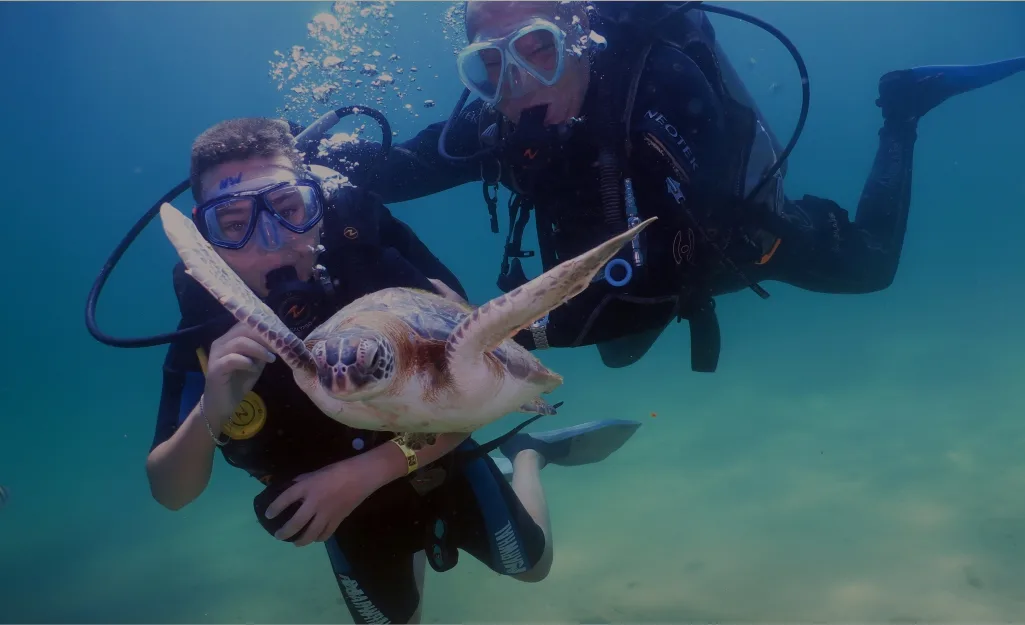
Groupers are a year-round possibility, with activity reported around the wrecks, where the structure gives larger fish somewhere to gather. Marine turtles and lobsters are also regular encounters, while rocky reefs and the sanctuary at Ilha das Cabras provide the setting for smaller reef life and schooling fish. The interest here is not dependent on clear tropical water: plankton and nutrients can soften visibility but help support the food chain. Whales pass between May and August, although that is primarily a surface and boat-watching opportunity rather than a guaranteed underwater encounter. Expect the best wildlife observations to depend as much on choosing the right site for the day as on arriving in a particular month.
October and November, then April through August, make the most useful planning windows. October to April is often favourable for visibility and water conditions, with calmer seas in summer, but January to March is also the rainy season, and December to March brings the heaviest holiday crowds. May to August can produce the clearest water and quieter island, though conditions are less consistent and the water is cooler. It is also the period when whales may pass. April and the spring months offer a practical compromise between manageable visitor numbers and generally workable diving.
Ilhabela can work for beginners, provided the first dives stay shallow and sheltered. Aymoré is associated with introductory wreck diving, while deeper or exposed wrecks require better buoyancy, comfort in current and experience handling reduced visibility. An Advanced qualification is useful for the deeper sites, and a Wreck qualification matters where penetration is planned or the wreck is technically demanding. PADI and SSI Advanced-level training, or comparable BSAC experience, should be matched honestly to the day’s sea conditions.
From London Heathrow, London Gatwick or Manchester, the journey runs through Brazil and on to São Paulo, followed by a road or bus transfer to São Sebastião. The road leg from São Paulo is generally around four to five hours. Ilhabela has no commercial airport serving it directly, so the ferry across the channel is compulsory. The crossing usually takes about twenty to thirty minutes, but traffic and weather can extend it. Once on the island, distances between the northern and southern areas make a taxi, local transfer or planned road journey more useful than relying on walking alone. Build the ferry crossing into the itinerary rather than treating it as a minor final connection.
Do not fill every day with the most exposed wrecks. Keep room to change the plan when swell, current or runoff cuts visibility, and put a less demanding site such as Aymoré or Ilha das Cabras early in the stay. October, November and April can reduce the pressure of the summer holiday period, but no month removes the channel’s dependence on weather. Check where the boat actually leaves before booking accommodation, because a short-looking island transfer can matter on an early start. Keep a spare day before a flight or long return journey: both the ferry and the boats can be held up. Treat an outer wreck as a weather-dependent option, not as a fixed booking. Five to seven days gives enough room for several boat outings without turning one poor-weather day into a ruined trip.
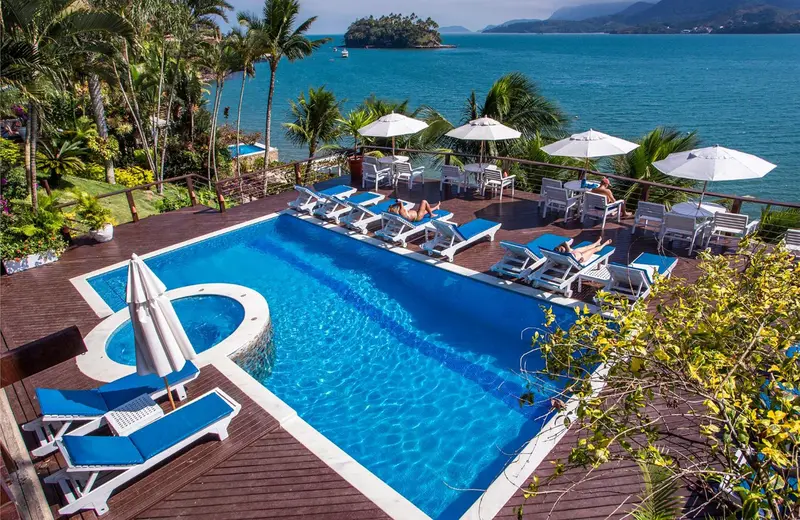
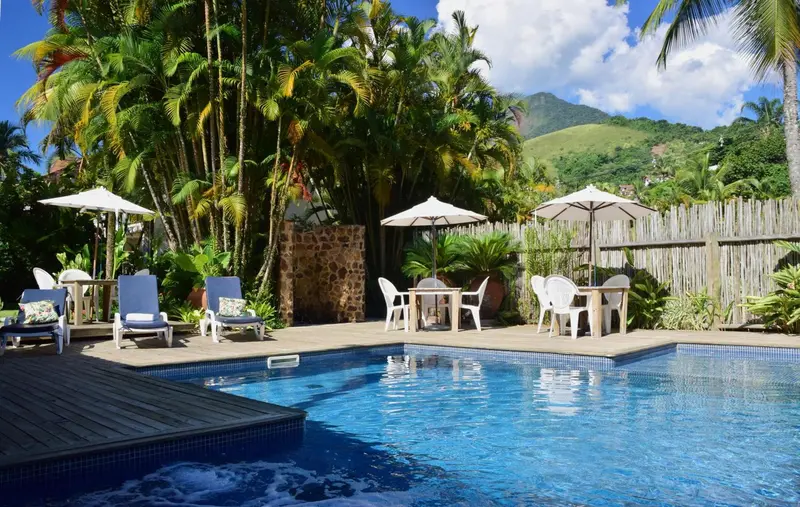
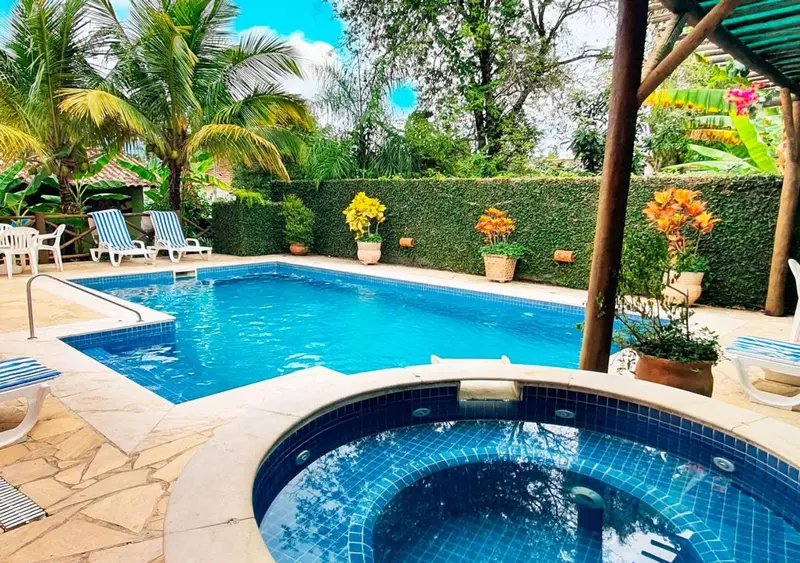
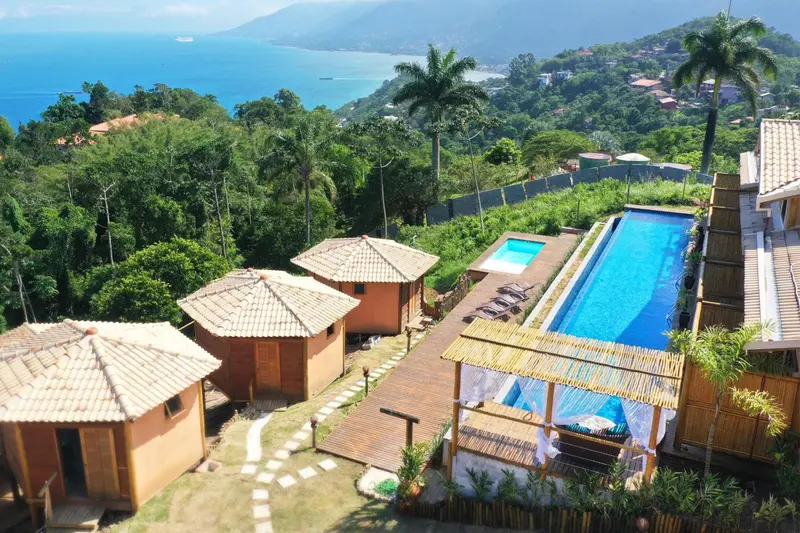
The normal arrangement is a land-based stay of around five to seven days, with day boats visiting reefs, islets, caves and wrecks. Accommodation and departure points are spread around Ilhabela, so the daily logistics depend on where you sleep and where the boat leaves. Non-divers can use the same base for beaches, forest walks, waterfalls, kayaking, snorkelling and the historic centre. There is no need to organise a liveaboard to experience the destination.
Hello, I'm Marina, DivingDeal.com's AI assistant. I guide you through destinations, areas and countries.
Thinking about the whole trip and the flights? Talk it over with Edith →
Marina is an AI. Some links are affiliate links: DivingDeal may earn a commission, at no extra cost to you. Bookings are made with the partner.
October and November, then April through August, are useful planning windows. October to April can bring favourable visibility and calmer summer seas, although rain is heaviest from January to March. May to August may offer clearer water, fewer visitors and passing whales, but conditions are less consistent and the water is cooler.
Ilhabela can suit beginners when their first dives remain shallow and sheltered. Aymoré provides an introductory wreck option, while deeper or exposed wrecks call for stronger buoyancy, comfort in current and experience with reduced visibility. Advanced training helps with deeper sites, and wreck training matters where penetration or technically demanding wrecks are involved.
You can explore rocky reefs, islets, small caves and wrecks around the São Sebastião Channel. Groupers gather around wreck structures, while marine turtles and lobsters are regular possibilities. Ilha das Cabras offers sheltered fish life, and whales may pass from May to August, mainly as a surface or boat-watching encounter.
Plan a land-based stay of around five to seven days, leaving flexibility for swell, current, runoff and changing visibility. Put Aymoré or Ilha das Cabras early in the itinerary, and treat outer wrecks as weather-dependent. Check the boat departure point before booking accommodation, allow for the ferry, and keep a spare day before travelling onward.