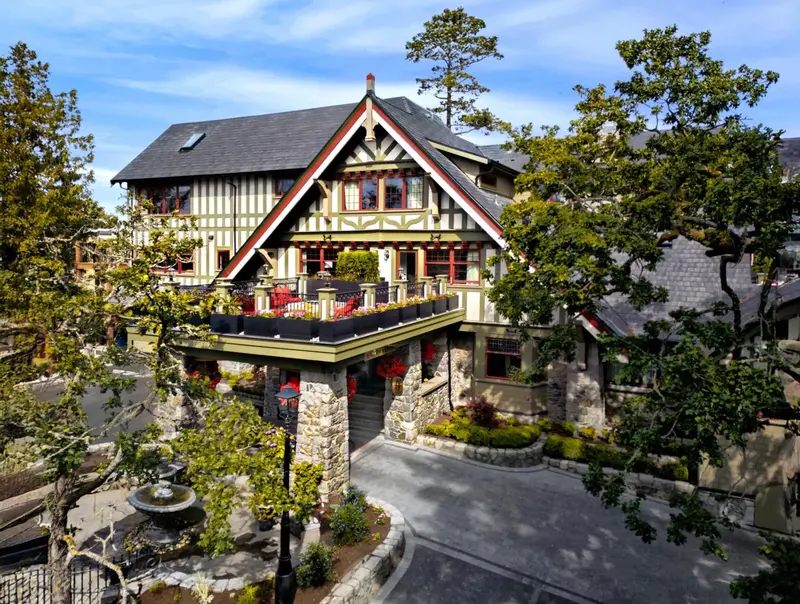
Rosemead House
★★★★★
Google 4.8/5 (210 reviews)
Canada · Americas
Kelp forests, vertical walls, cold-water wrecks and giant Pacific octopuses define Victoria, where shore dives sit alongside tide-led boat trips.
For subtitles in English: start the video firstthen click the gearat the top right of the video, select “Subtitles/CC”, then “Auto-translate” and choose “English”.
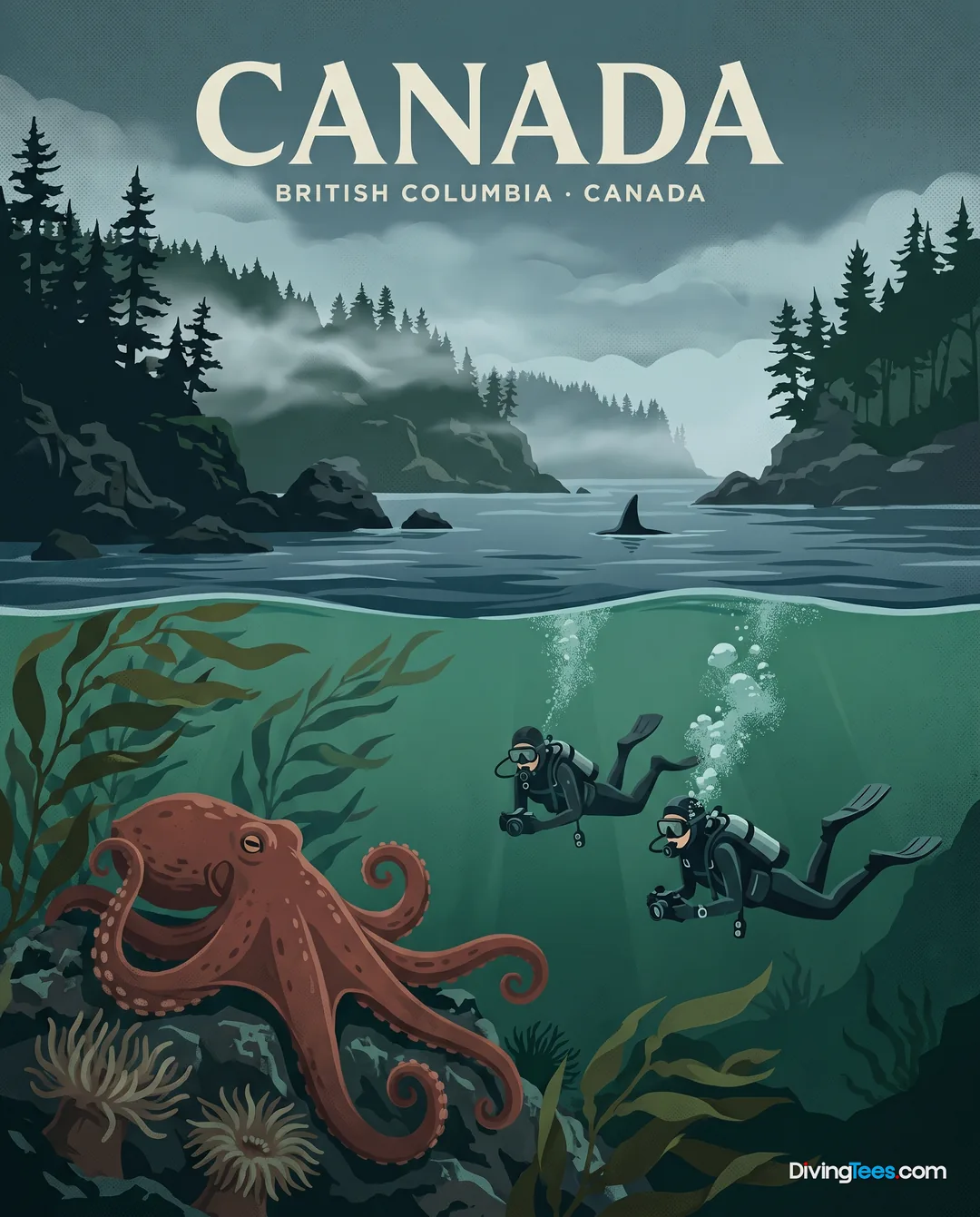
Kelp forests are the first image of Victoria underwater, with sponges, soft corals, rockfish and crabs occupying the walls and reefs between shore entries and boat dives. This is cold-water diving rather than a tropical holiday with a thicker wetsuit. It suits a land-based week built around tides, variable visibility and a mixture of straightforward shore dives, deeper walls and wrecks. The city also gives a non-diving companion plenty to do between immersions.
Victoria mixes shore diving with boat trips to walls, reefs and wrecks, so the day may involve a short coastal entry or a carefully timed descent from a vessel. Kelp forests can make navigation and finning feel quite different from open tropical water, while tidal exchanges determine whether a site is comfortable or becomes unsuitable. Some locations are best entered at slack water, often just before the incoming tide, and a downcurrent can change the character of a dive quickly. Visibility is commonly around 12 to 18 metres, though the surface layer may look poor while conditions improve below. Autumn and winter are usually clearer. A local guide is particularly useful for unfamiliar entries, wall dives and boat sites where the tide window matters more than a fixed timetable.
Giant Pacific octopuses can be encountered throughout the year, alongside rockfish, flatfish, crabs and other temperate reef life. Look closely at the walls and rock for sponges, soft corals and sea stars, rather than expecting the bright colours of a tropical reef. Wolf eels are occasional, as are seals and Steller sea lions. Late winter and spring bring Pacific herring and can draw pinnipeds, including Steller sea lions, into the area. Warmer months may add jellyfish and ratfish, although plankton can also reduce visibility. Sixgill sharks have been reported as occasional annual visitors, but they are not a sensible reason to build the whole trip around a particular sighting.
September through March is generally the soundest period for visibility, as seasonal algal growth and plankton loads are lower from autumn into winter. Spring can turn the water more opaque during plankton blooms and herring spawning, but that same food pulse increases activity from fish and sometimes pinnipeds. Summer may bring more animals in the water, yet it is not automatically the clearest season. Plan around the sea rather than a rigid two-dive schedule, because tides, surface conditions and the possibility of a cancelled boat trip matter more here than a simple calendar.
Victoria can suit a confident beginner on a sheltered, locally familiar shore dive, but tides, cold water and limited visibility quickly raise the demands. Advanced Open Water, or an equivalent BSAC, PADI or SSI qualification, is useful for deeper walls and boat dives. A wreck qualification is needed for wreck penetration, and Nitrox can help on repeated diving days. Dry-suit experience is a major advantage, particularly when several immersions are planned.
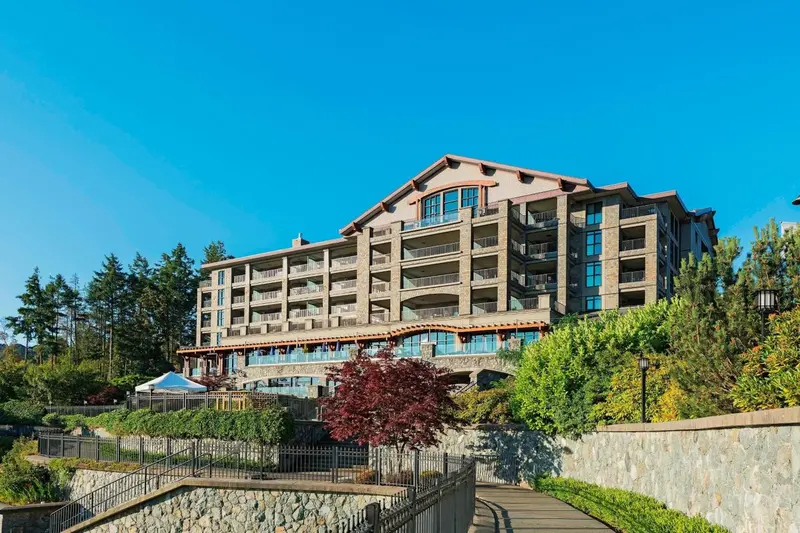
From London Heathrow, Gatwick or Manchester, allow roughly 14 to 20 hours to reach Victoria, depending on the North American connection and your final route. Victoria is served by its international airport, while an alternative is the road route from the Tsawwassen to Swartz Bay ferry. There is also a ferry from Port Angeles, taking about 90 minutes, and domestic flights from Vancouver take around 30 minutes in the air. Once in Victoria, central accommodation can put some dive services and nearby shore entries within walking distance or a taxi ride. More distant shore sites need a car or arranged transport, and boat trips still require a land transfer to the harbour or launch point.
Treat the tide table as part of your dive plan, not as background information. Small tidal ranges are preferable, and some sites should be attempted only at slack water, ideally just before the incoming tide. Keep a flexible day available in case a boat departure is lost to current or sea conditions, with a known shore dive as the fallback. Do not reject a site because the surface looks milky: visibility can improve after the descent. Bring enough thermal protection for repeated dives and a spare layer for the surface interval, since fatigue from cold is easy to underestimate. Start with a locally familiar shore entry before committing to a wall or wreck. Do not enter a wreck without suitable training, and do not plan a deep or repetitive dive before flying without leaving a sensible margin. Kelp, sponges and soft corals deserve generous fin clearance, not contact for a photograph.
Stay in Victoria and use it as a base rather than moving between harbours. Put shore dives and boat outings on separate parts of the schedule, allowing for the driving involved between sites and for tide changes. Early starts and weekdays generally ease pressure at popular shore entries. A five- to seven-day stay leaves room for repeated shore diving, a boat day and a non-diving recovery day, which is useful when cold and tide disruption have reshaped the plan.
Hello, I'm Marina, DivingDeal.com's AI assistant. I guide you through destinations, areas and countries.
Thinking about the whole trip and the flights? Talk it over with Edith →
Marina is an AI. Some links are affiliate links: DivingDeal may earn a commission, at no extra cost to you. Bookings are made with the partner.
Choose autumn through winter for generally clearer water, as lower seasonal algal growth and plankton loads can improve visibility. Late winter and spring bring Pacific herring spawning, increased fish activity and sometimes Steller sea lions, but blooms may make the water more opaque. Summer can bring additional animals without guaranteeing clearer conditions.
A confident beginner may manage a sheltered, locally familiar shore dive, but cold water, tides and limited visibility increase the demands quickly. Advanced Open Water or equivalent training is useful for deeper walls and boat dives. Wreck penetration requires a wreck qualification, while dry-suit experience helps greatly when planning repeated immersions.
Expect kelp forests, temperate walls and reefs populated by sponges, soft corals, rockfish, flatfish, crabs and sea stars. Giant Pacific octopuses occur throughout the year. Wolf eels, seals and Steller sea lions are occasional, with herring and pinniped activity in late winter and spring. Sixgill sharks appear only occasionally.
Use Victoria as a base and keep shore dives and boat outings in separate parts of your schedule. Build the plan around tide tables, allowing flexibility for changing sea conditions or a cancelled boat trip. Include a familiar shore dive as a fallback, allow time for driving, and consider a non-diving recovery day.