Americas
Ecuador: Andes, Pacific and Galápagos diving
Ecuador joins Quito’s colonial highlands to Puerto Ayora’s docks, while Gordon Rocks and Darwin Island set the tone for demanding Galápagos diving.
What makes this country unique
- Galápagos currents around Gordon Rocks and Darwin Island
- November to April around Santa Cruz Island
- Puerto Ayora docks shared with sea lions
- Otavalo’s Plaza de Ponchos and woven textiles
- Encebollado, ceviche and hornado across Ecuador
- Marine iguanas observed along Tortuga Bay
- Quito’s colonial centre and Cuenca’s independence celebrations
For subtitles in English: start the video firstthen click the gearat the top right of the video, select “Subtitles/CC”, then “Auto-translate” and choose “English”.
This country for a diver
Ecuador packs Andes, Pacific coast, Amazonia and the Galápagos between Colombia and Peru, so a diving trip can move from Quito’s highlands to a remote island chain without crossing time zones. The diving identity is firmly maritime and boat-based, with experienced divers better placed to handle strong or variable currents, exposure and technical briefings. Prices are high, reef health is mixed and tourism pressure is moderate. What joins the areas is not a single underwater style, but the need for sound buoyancy, planning and flexibility.
How the country divides
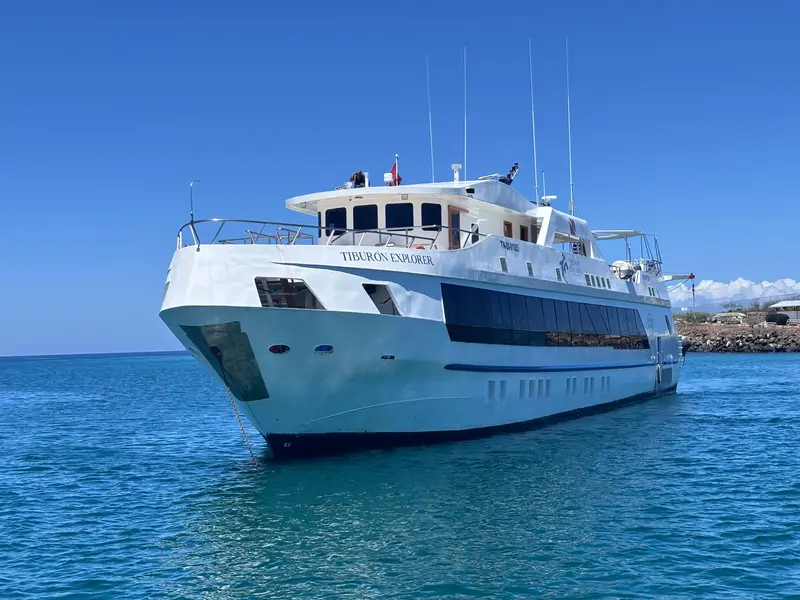
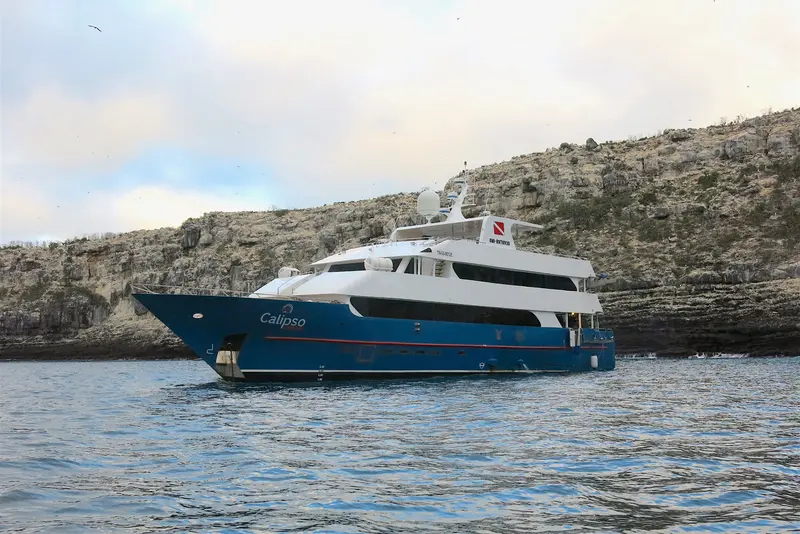
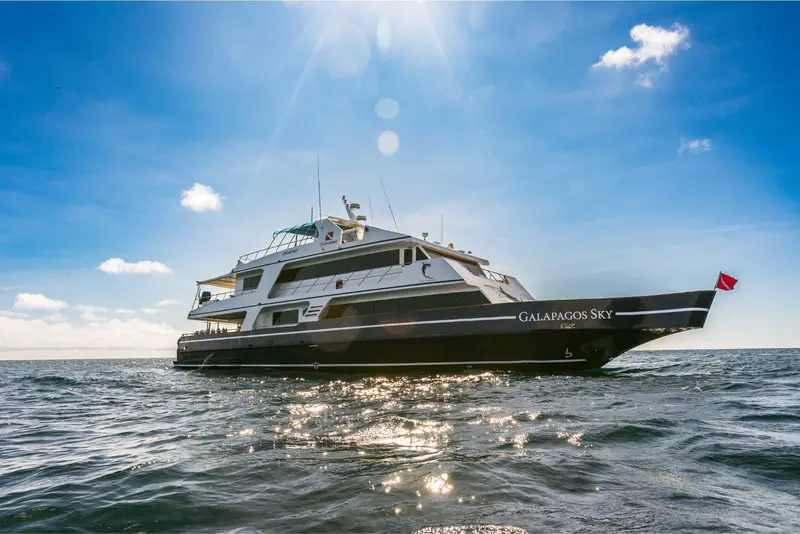
For diving purposes, Ecuador divides between the mainland and the Galápagos, then between a settled island base and remote northern islands. Santa Cruz Island is the practical choice for a land-based stay: Puerto Ayora provides the services, boats and conservation attractions, with Gordon Rocks as its named diving anchor. The wider Galápagos zone is a different proposition when Darwin Island, Wolf Island or Darwin Arch appear in the plan; these northern islands have no land tourism and are reached by liveaboard, suiting divers who accept longer transfers for pelagic density. The mainland adds Quito, Cuenca, the Pacific ports and the Amazonian Oriente, but it is principally the cultural and logistical frame around an island trip rather than a comparable diving cluster here. Choose Santa Cruz for a concentrated week with town life and excursions ashore; choose the northern Galápagos for a more committed boat itinerary, where the vessel becomes the base and the schedule is less forgiving.
Diving destinations
Dive centres


Hotels

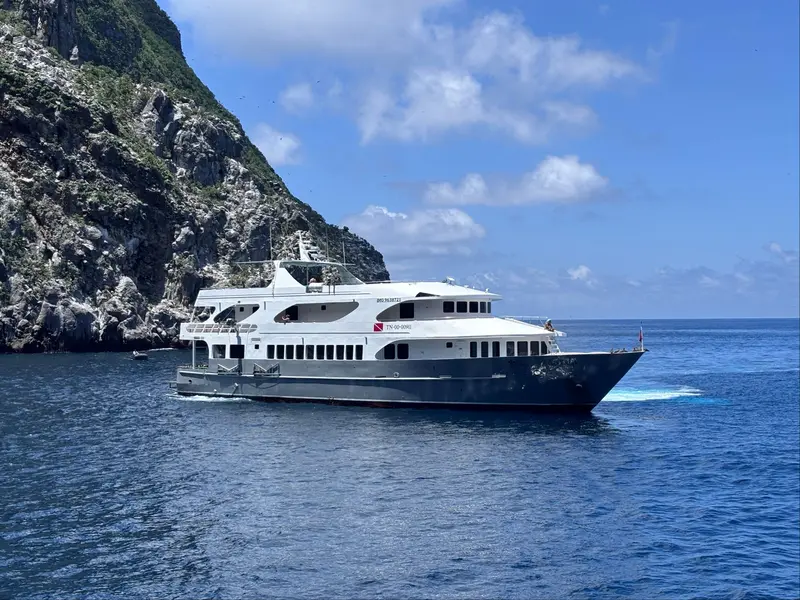
Liveaboards
When to go, and where by month
The Santa Cruz Island diving season runs from November to April. In practical terms, January, February, March and April form one continuous window, followed by a break before November and December reopen the same island programme. This is not a country where one coast takes over as another closes: no opposite seasons are established between Ecuador’s diving areas. The useful decision is therefore whether the Galápagos dates fit the Santa Cruz window, rather than trying to chase a seasonal coastline around the mainland. A trip in January or February can sit alongside Quito and Otavalo, while November and December also allow a mainland segment before the island transfer. May through October is better treated as a period for the Andean, coastal or Amazonian side of the journey, without presenting it as an equivalent Santa Cruz diving season. Because the northern Galápagos are reached by liveaboard, their dates also need more planning than a simple Puerto Ayora stay.
Marine life, coast by coast
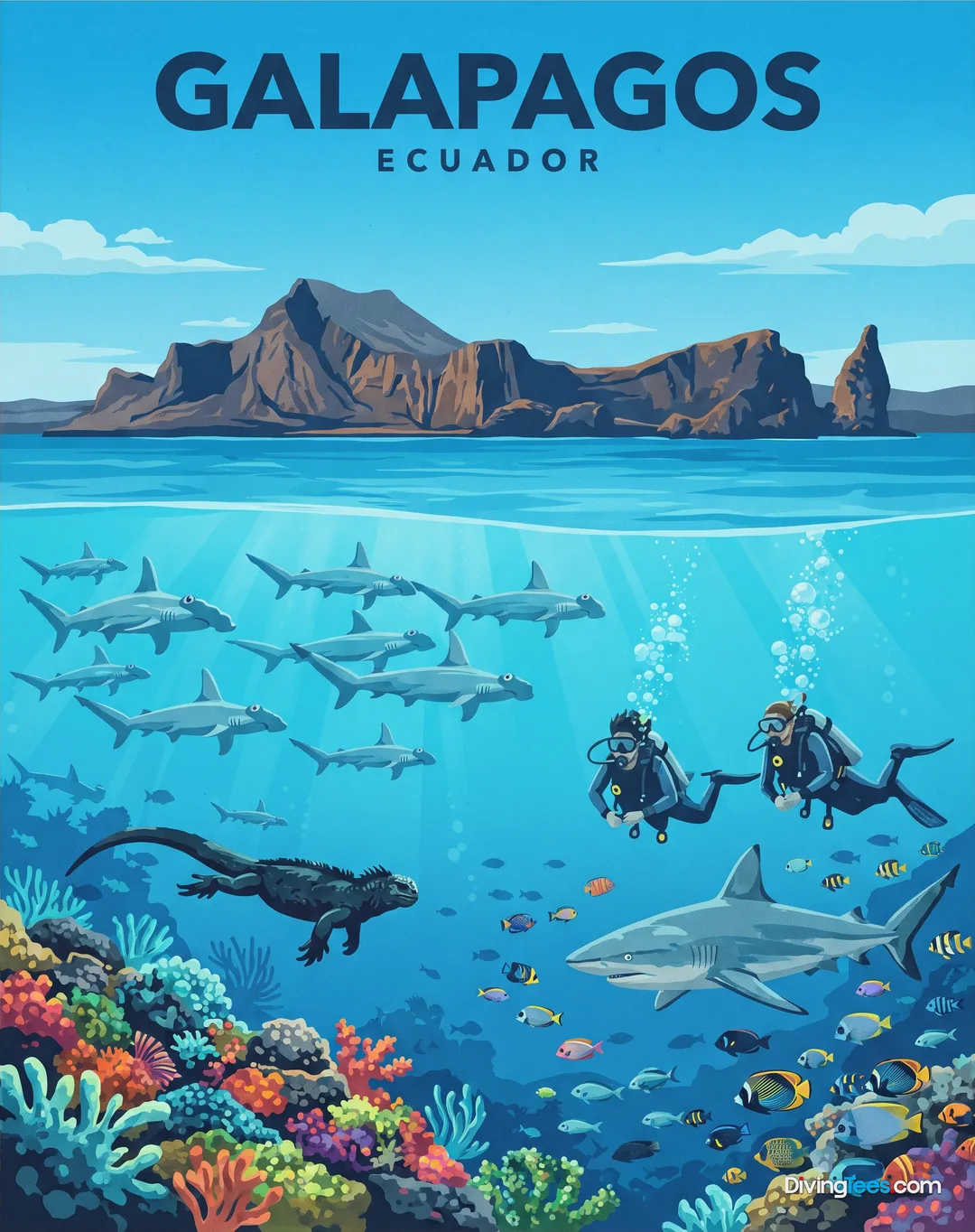
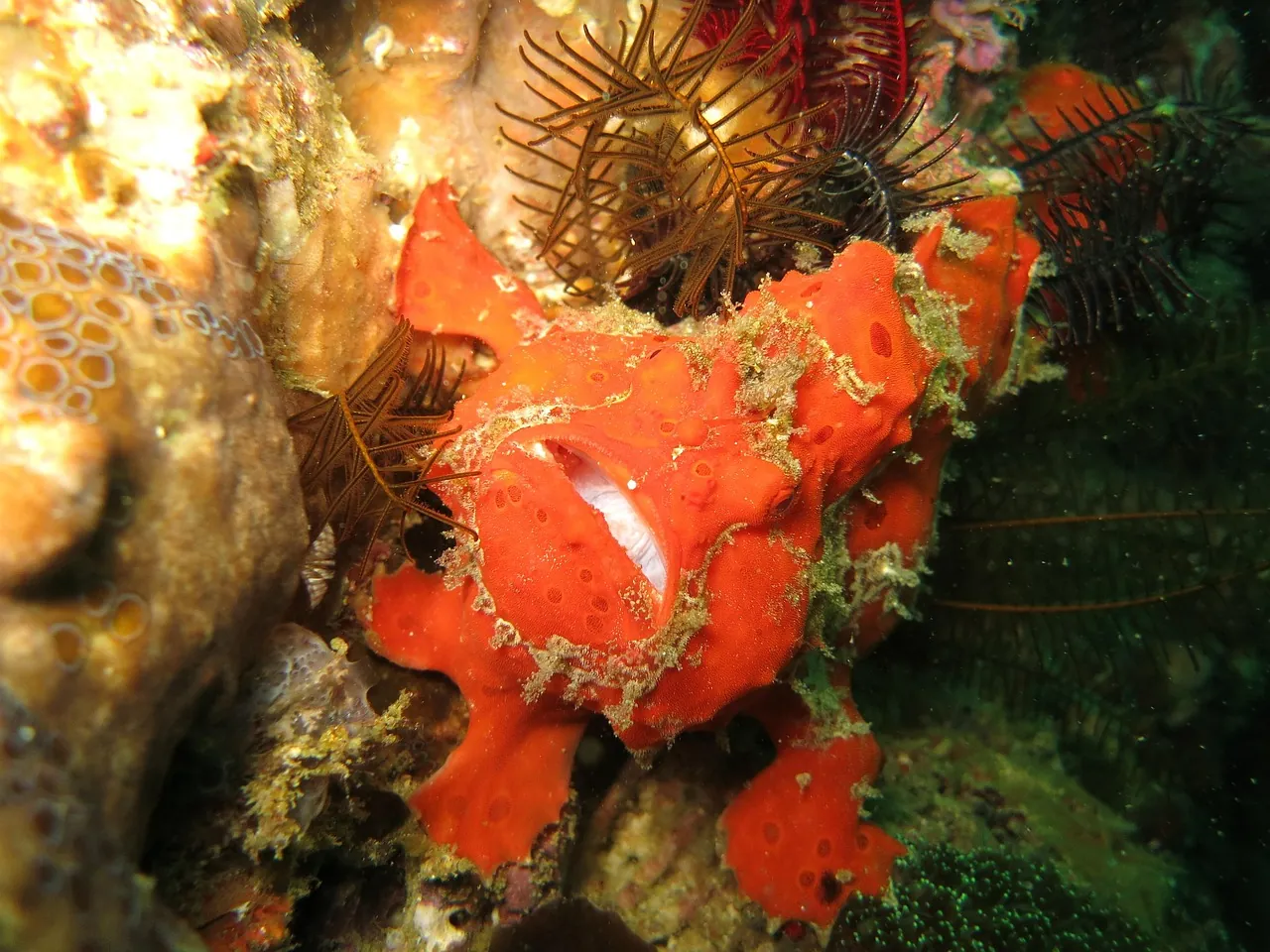
Wildlife is what gives the Galápagos its itinerary logic. Across the archipelago, the underwater picture includes manta rays, Galápagos sharks, sea lions and dolphins, while marine iguanas bring an unmistakable connection between the shore and the dive. The contrast lies between the central island experience and the remote northern zone. Around Santa Cruz, Tortuga Bay and Puerto Ayora keep wildlife visible even outside the dive boat, with marine iguanas and young sharks mentioned among the shoreline encounters. Darwin Island and Wolf Island belong to the pelagic end of the spectrum, their isolation and dense wildlife making them liveaboard destinations rather than casual extensions of a town-based stay. That distinction matters more than simply choosing another island.
Getting between the areas
The mainland-to-island journey is the main piece of travel engineering. Flights from Quito or Guayaquil to Baltra or San Cristóbal take about two hours, but Baltra is not Puerto Ayora: a bus, the Itabaca channel ferry and another bus or taxi follow the flight. Once on Santa Cruz, ferries can link to San Cristóbal or Isabela in roughly two to two and a half hours, with two departures daily. That makes a Santa Cruz base with another inhabited island a workable extension, provided sea travel suits you. Darwin Island, Wolf Island and Darwin Arch are a different commitment: they require a liveaboard, so combining them with deep Oriente travel and mainland sightseeing makes a two-week itinerary tight. Keep nights on the continent around the island flights and allow a weather margin rather than building every transfer back-to-back.
Take off your mask
Ecuador’s strongest surface contrast is between the Sierra, the Costa, the Oriente and the Galápagos. Quito offers a colonial historic centre, baroque churches such as La Compañía and plazas used for religious processions. Cuenca brings colonial façades, churches and independence celebrations in early November, while Otavalo’s Plaza de Ponchos turns Andean textiles, hammocks, jewellery and woollen goods into a living market rather than a souvenir stop. On Santa Cruz Island, Puerto Ayora’s waterfront and docks mix restaurants, agencies, sea lions and red crabs; the Charles Darwin Research Station adds tortoises, land iguanas and an interpretation of Galápagos geology and biodiversity. Tortuga Bay, Las Grietas and the Highlands Tortoise Reserve keep the island’s natural character close to town. Eating changes with the landscape: ceviche and bolón de verde belong to the Costa, hornado, fritada and llapingachos to the Sierra, while encebollado travels widely. In Puerto Ayora, grilled fish and ceviche fit neatly between excursions, and cafés serve Ecuadorian coffee.
What holds true everywhere here
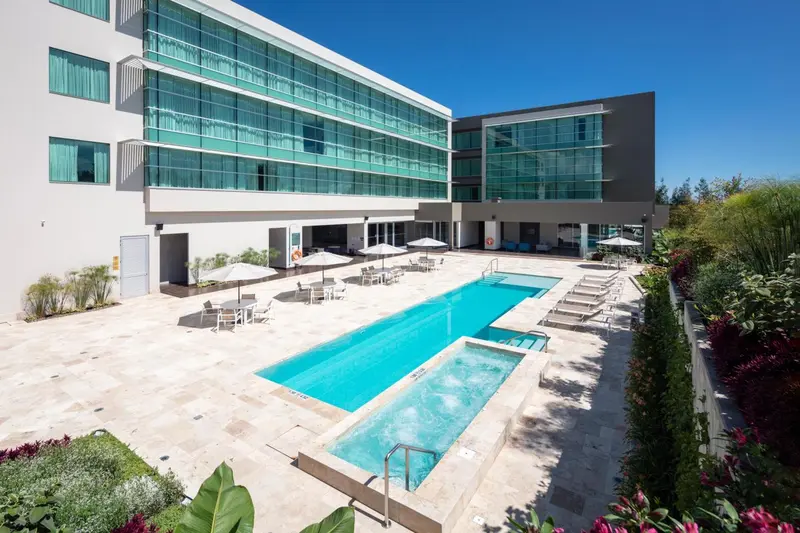
Several practical habits make sense throughout Ecuador’s diving circuit. Treat Galápagos current as a serious part of the dive, not a footnote: briefings, exposure and the possibility of a downcurrent reward calm, well-trimmed divers. Personal buoyancy and signalling equipment are worth bringing, particularly where boat diving and safety stop discipline matter. Park rules are part of the experience around Santa Cruz: stay on marked paths, do not touch or feed wildlife, and follow guides at Tortuga Bay and the Charles Darwin Research Station. In Puerto Ayora, a central hotel reduces the taxi and walking burden to the quay. Leave a weather margin around ferries, and consider Nitrox when repeated dives and boat fatigue will fill several consecutive days.
Frequently asked questions about Ecuador
When should you plan to dive Ecuador?
For diving around Santa Cruz Island, consider traveling from November to April. This period is specifically associated with the island’s diving, while the destination’s wider itinerary also includes Quito, Cuenca, Otavalo and mainland Ecuador. You can combine Galápagos diving with colonial sights, local celebrations, textiles and Ecuadorian food.
What diving level do you need for Ecuador?
Ecuador’s Galápagos diving includes demanding conditions around Gordon Rocks and Darwin Island, with strong currents shaping the experience. These sites suit divers prepared for challenging current conditions rather than a casual introduction. Around Santa Cruz, you can also build an itinerary around Puerto Ayora, Tortuga Bay and shoreline wildlife.
What marine life can you see while diving Ecuador?
Diving in Ecuador’s Galápagos can bring encounters with manta rays, Galápagos sharks, sea lions and dolphins. Marine iguanas connect the underwater experience with the shore, particularly around Santa Cruz and Tortuga Bay. Wildlife may also be visible near Puerto Ayora, where the docks are shared with sea lions.
How should you plan a diving stay in Ecuador?
Use Puerto Ayora and Santa Cruz for a town-based stay with access to docks, Tortuga Bay and nearby wildlife. Treat Darwin Island and Wolf Island differently: their isolation and dense wildlife make them liveaboard destinations rather than casual additions to a town itinerary. You can also include Quito, Cuenca or Otavalo.