
Planet Ocean Galapagos
Google 4.9/5 (347 reviews)
Ecuador · Americas
Volcanic walls, Darwin Arch and schools of scalloped hammerhead sharks define boat diving in the Galápagos, where currents are part of the encounter.
For subtitles in English: start the video firstthen click the gearat the top right of the video, select “Subtitles/CC”, then “Auto-translate” and choose “English”.
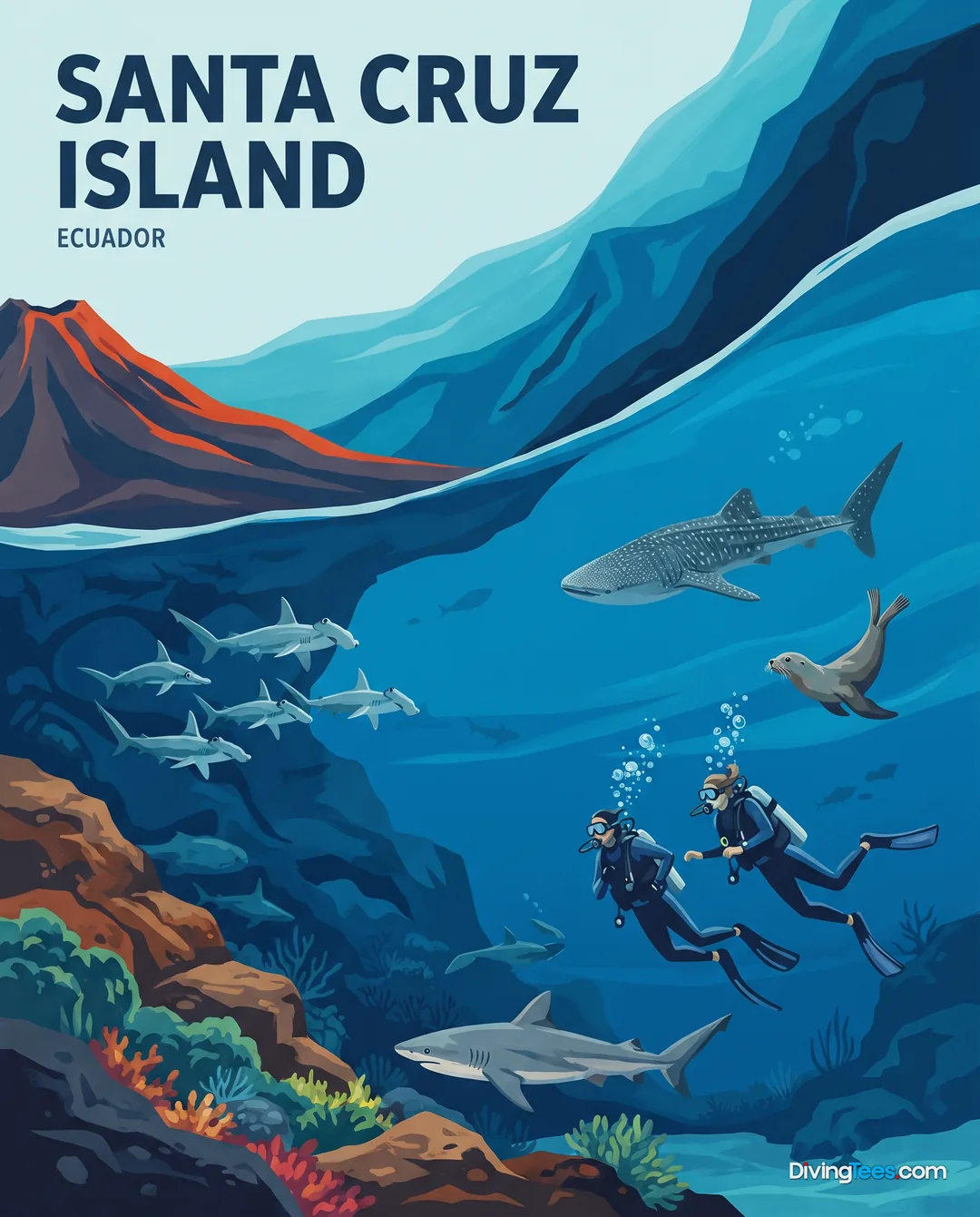
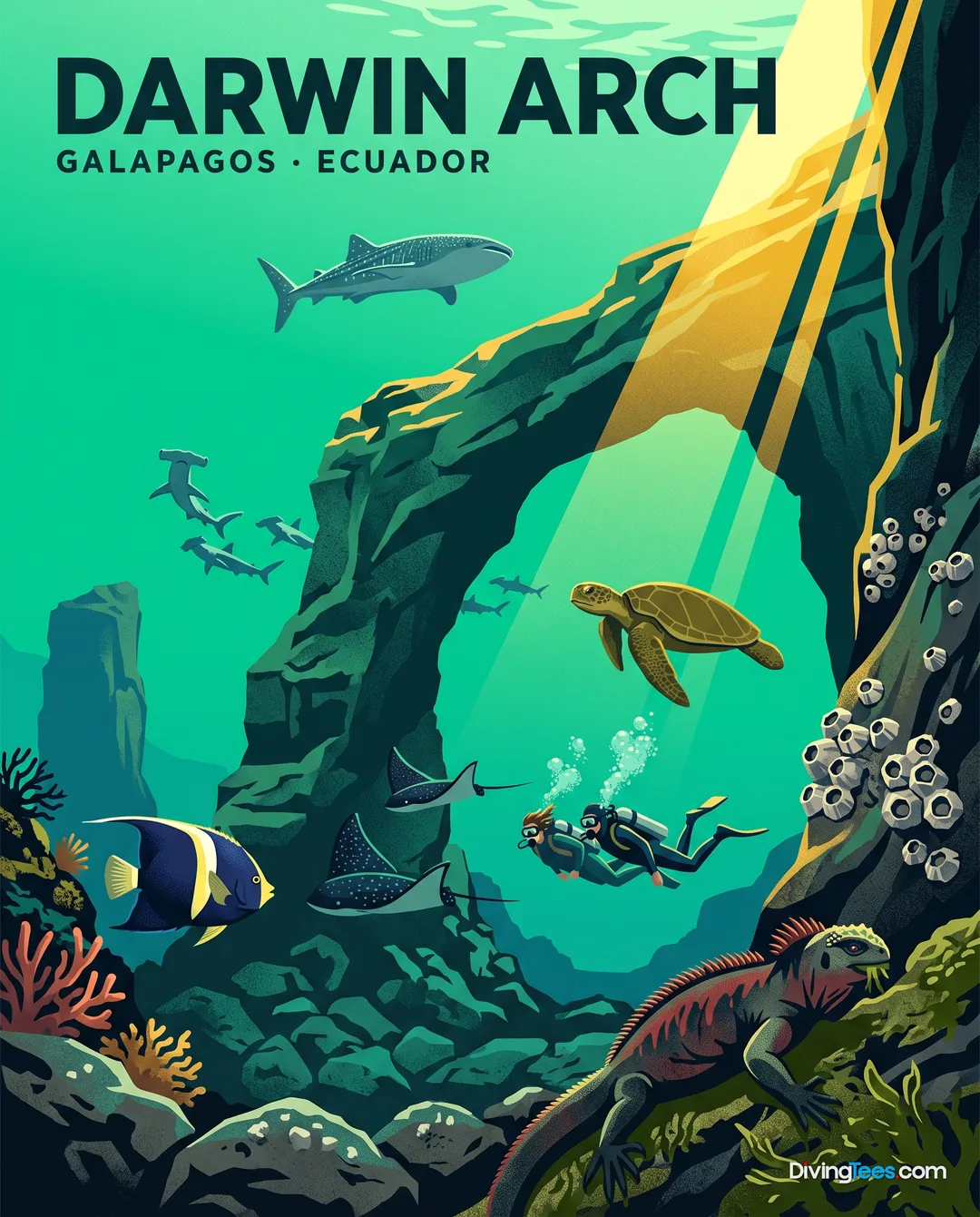
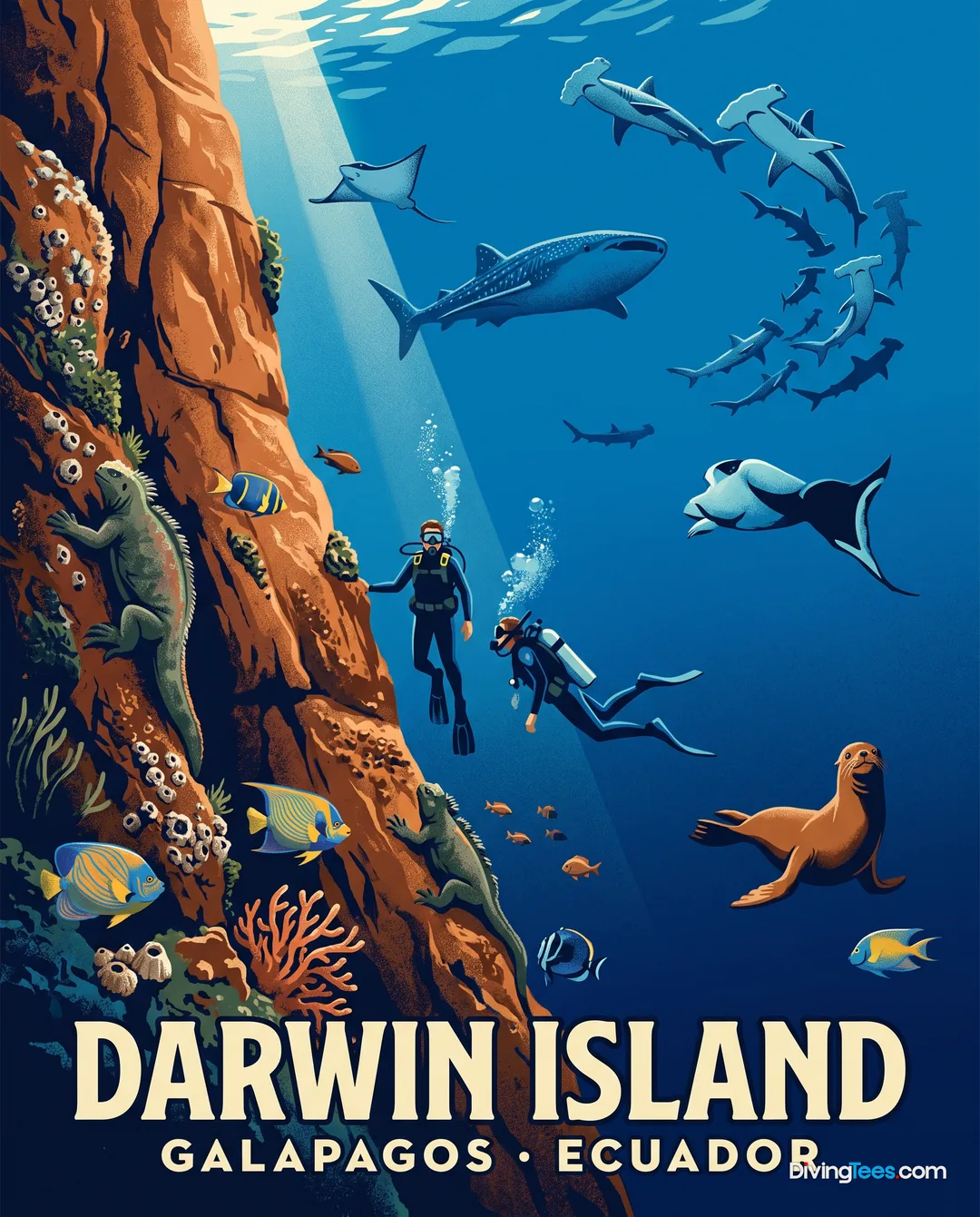
Darwin Island’s volcanic walls and Darwin Arch’s submerged ledges show what the Galápagos are about: positioning in open water while large animals move through the current. Wolf Island adds fast drift diving along walls and reefs. This is a protected archipelago for experienced divers who want scalloped hammerhead sharks, Whale shark sightings, rays and other pelagics rather than a conventional coral-reef holiday. The scenery is volcanic, the encounters mobile and the logistics demanding.
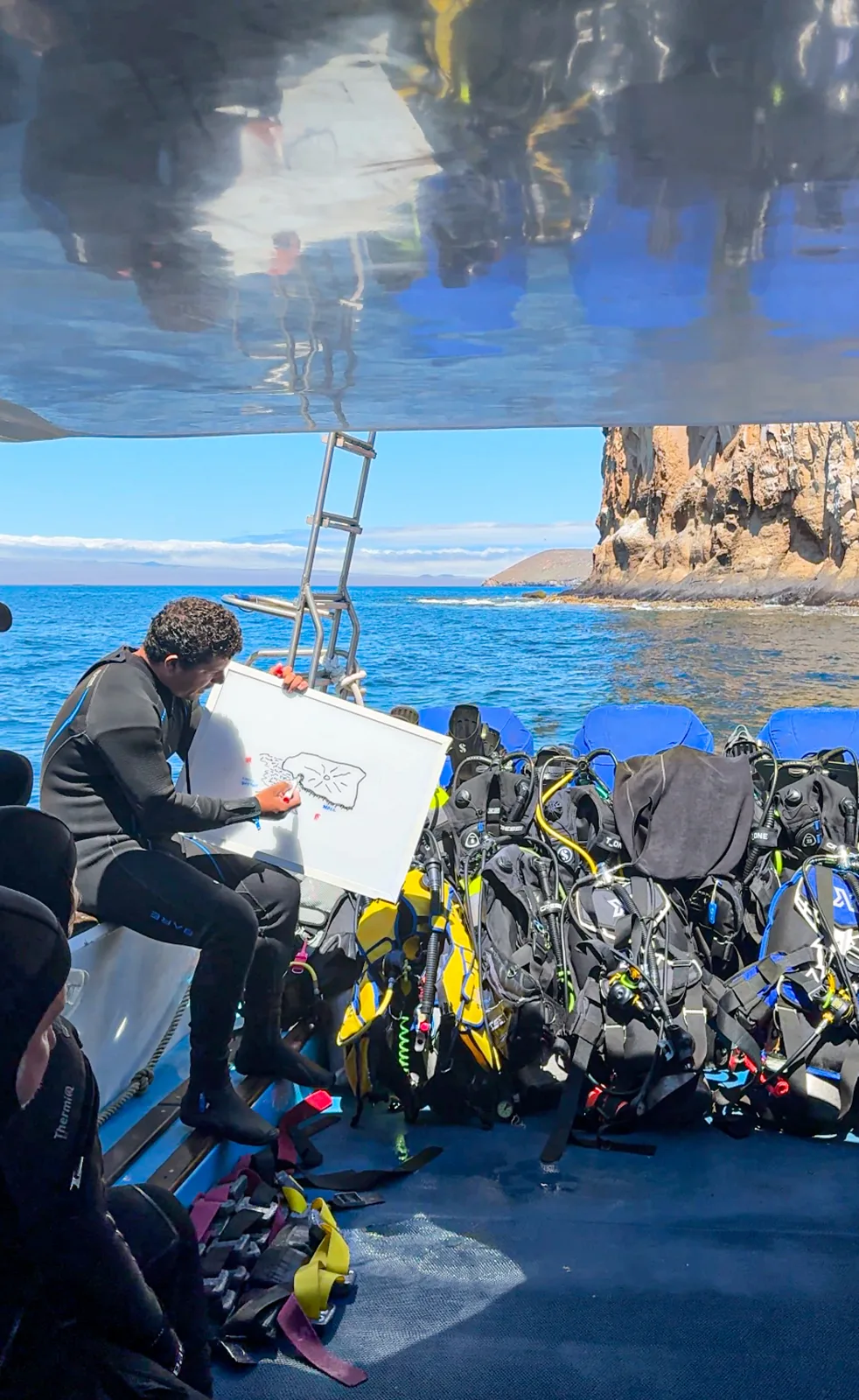
Most diving is from boats, with liveaboards the practical way to reach remote Darwin Island, Wolf Island and Darwin Arch. At Darwin Island, wall dives run from roughly nine to forty metres, with upwellings, surge, thermoclines and strong to very strong currents. Divers position themselves on ledges or along the wall, then hold their place while pelagic species pass through the blue. Wolf Island is a drift-diving environment from five to thirty metres, with medium to strong currents that may change direction and produce downcurrents. Visibility at Darwin Island averages around twelve to thirty metres, but plankton blooms that attract marine life can affect it. The result is not leisurely reef sightseeing: it is boat diving in exposed volcanic terrain, where buoyancy, trim and controlled movement matter throughout the dive.
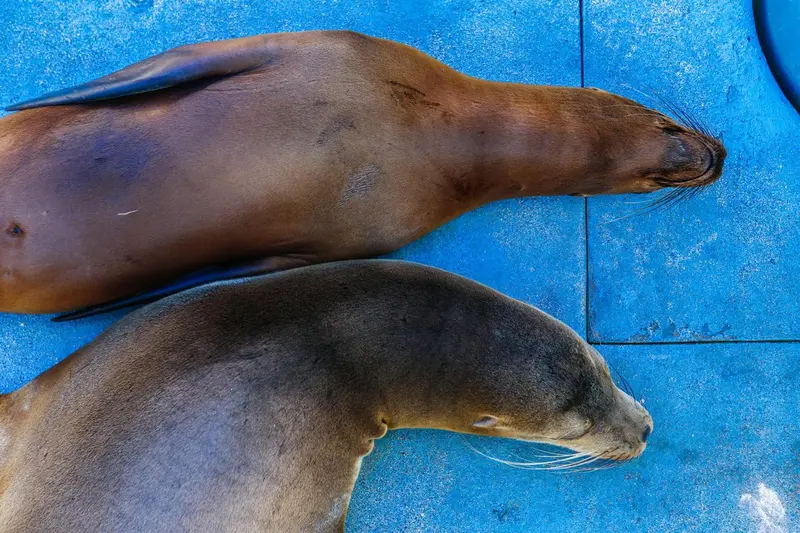
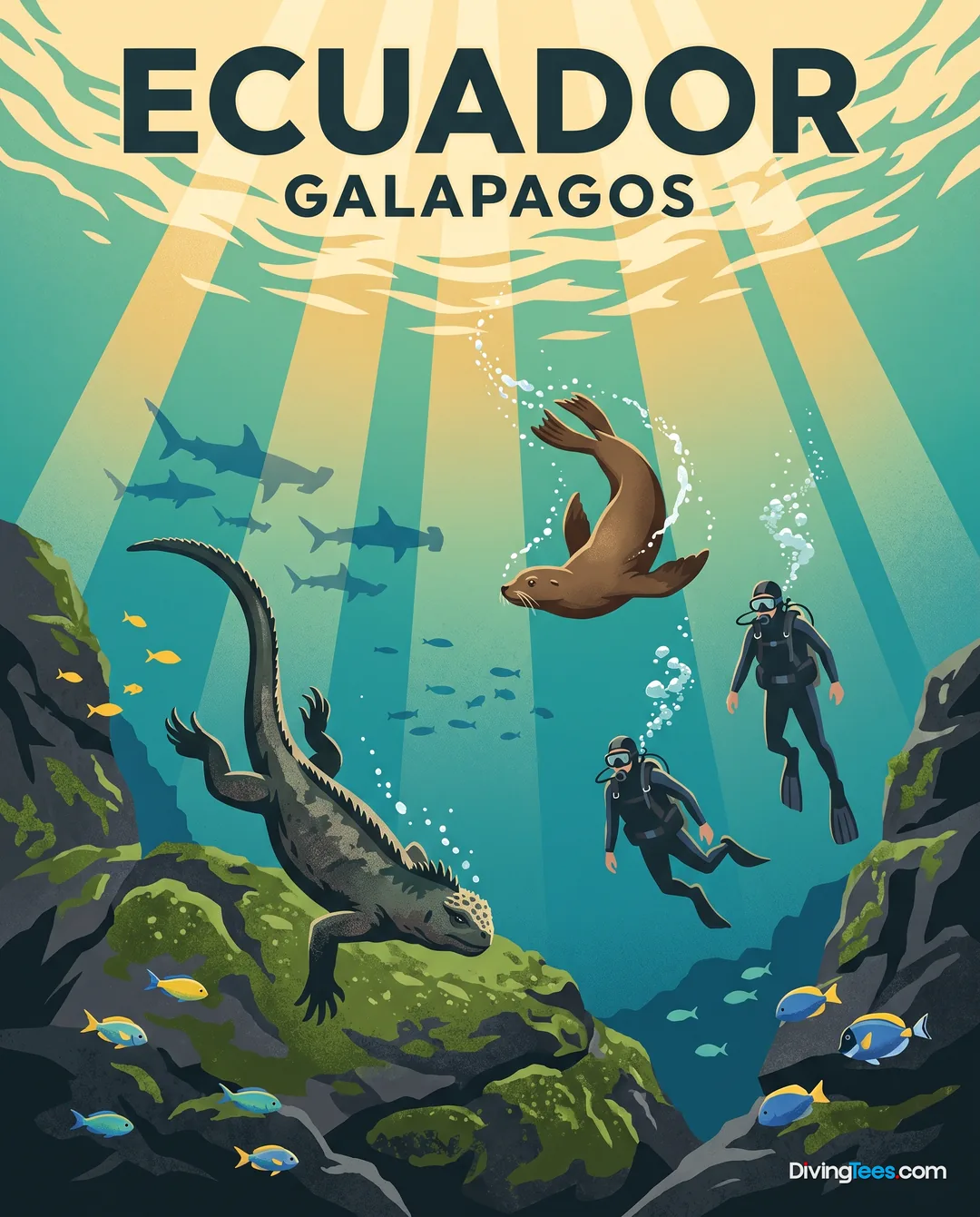
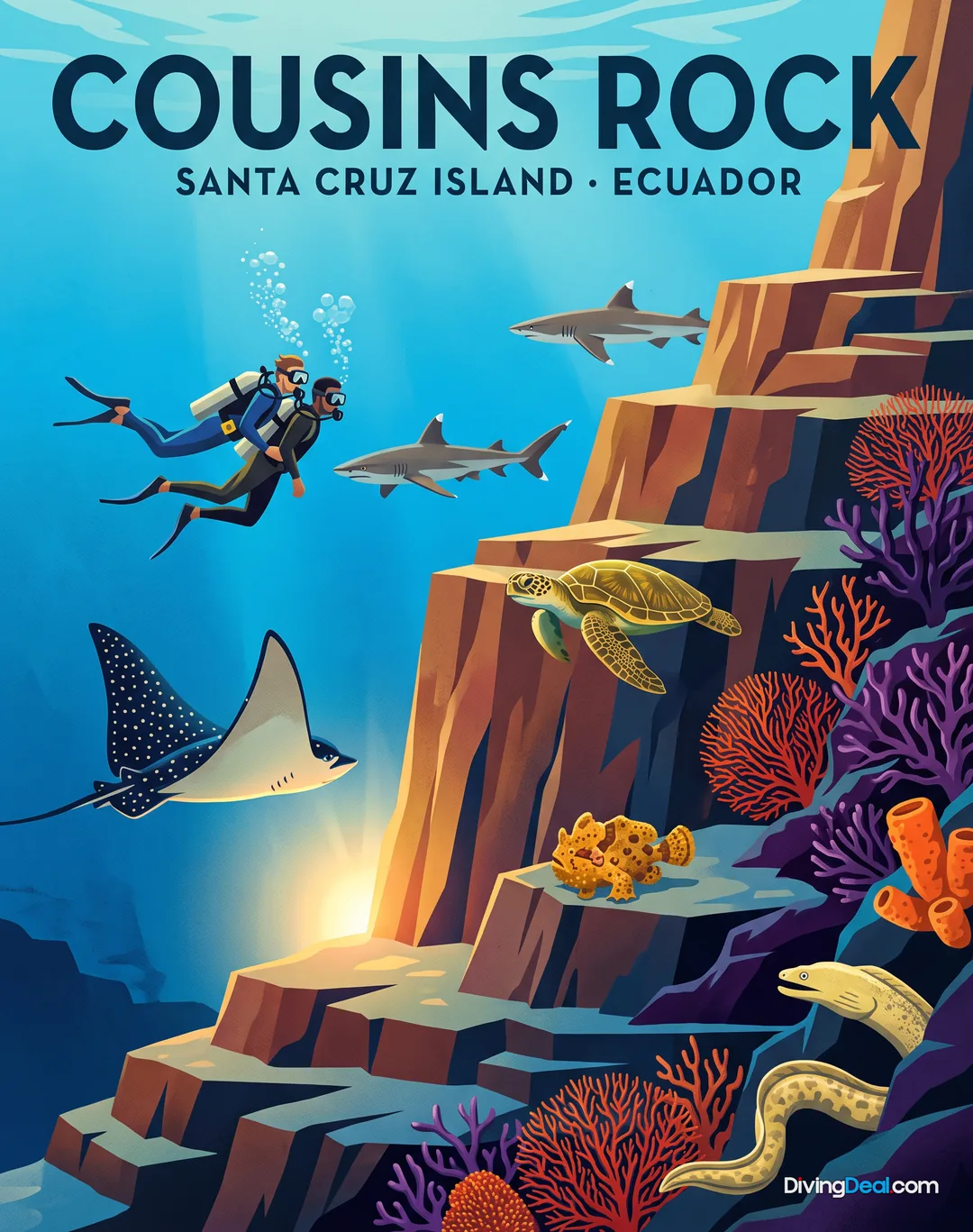
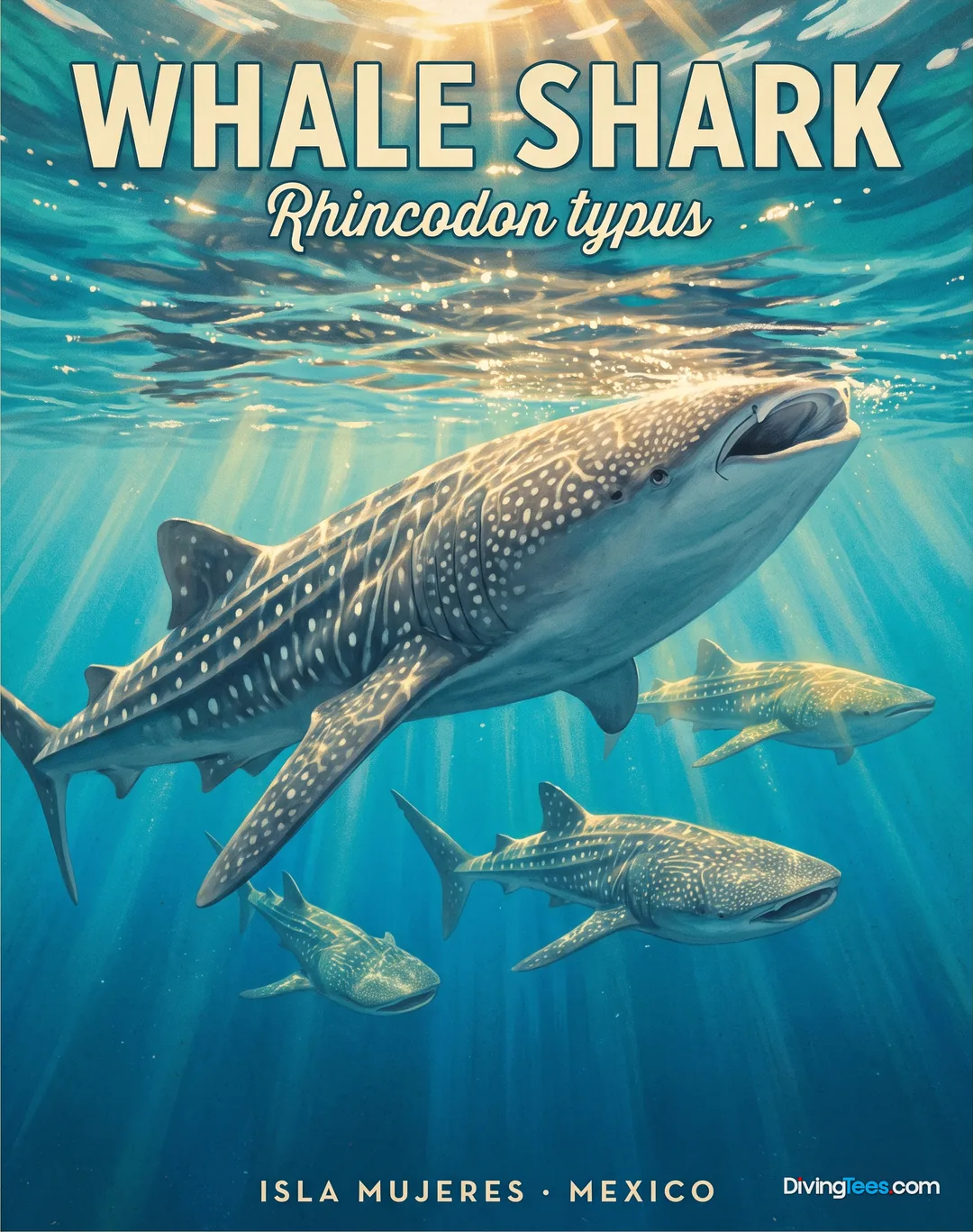
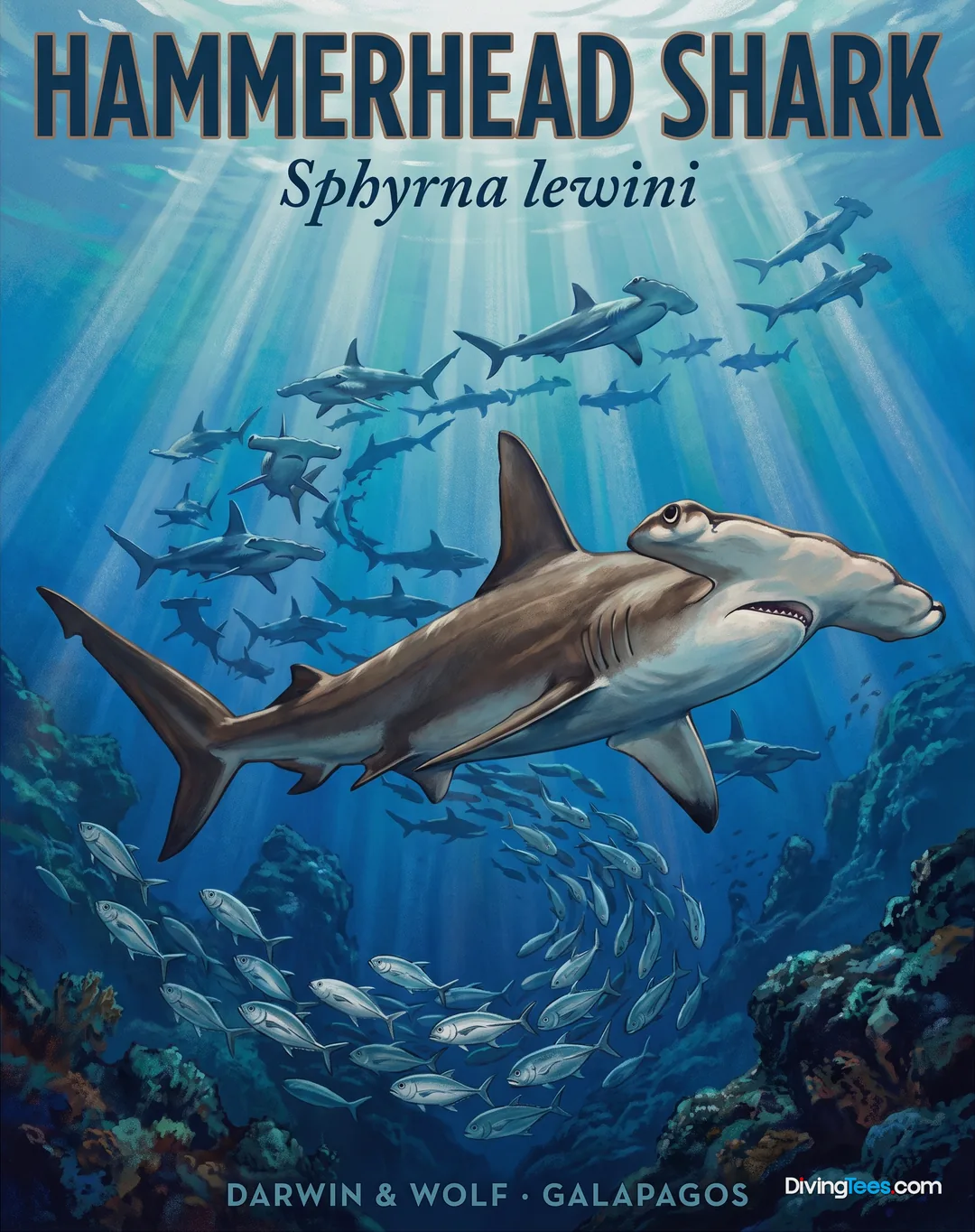
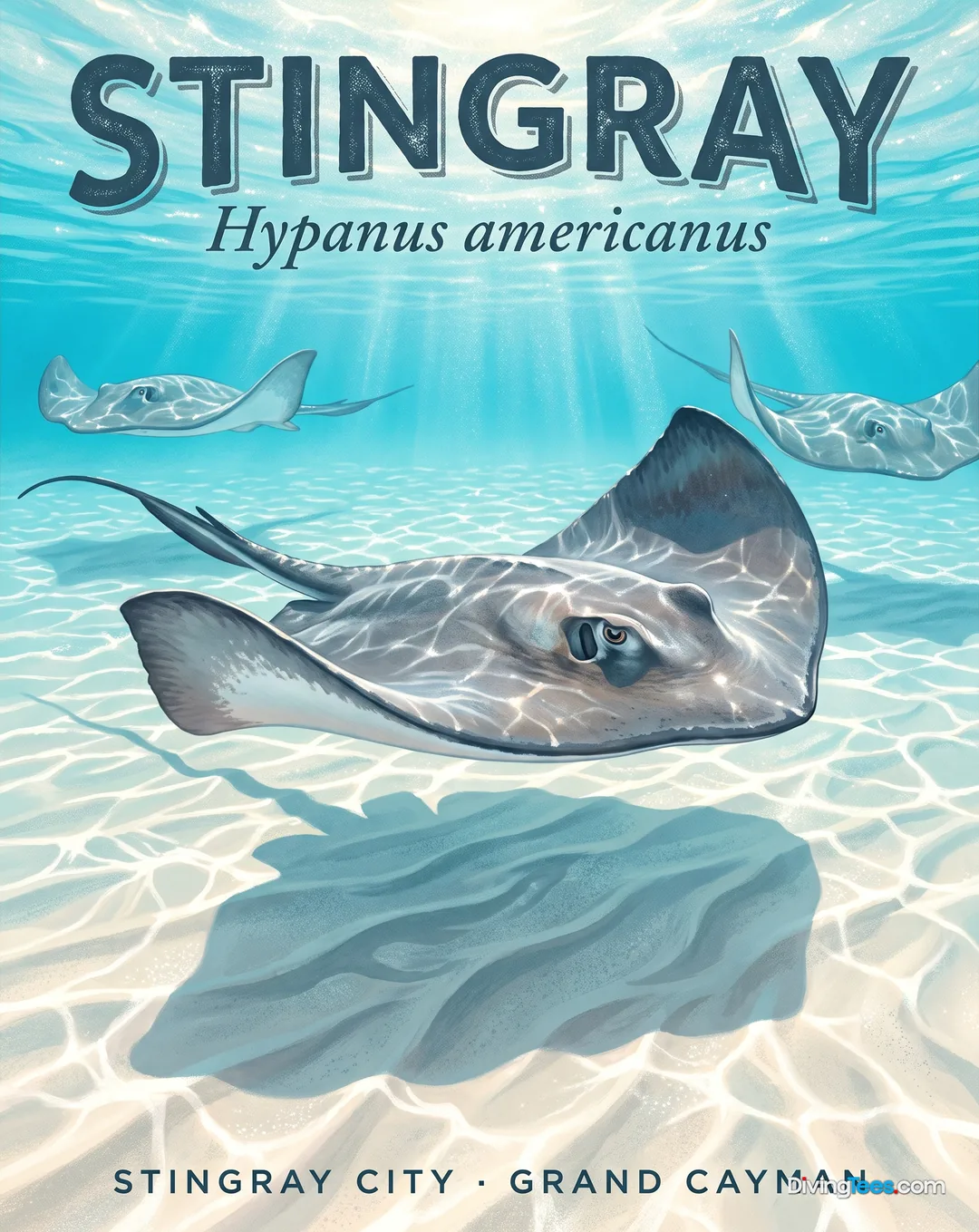
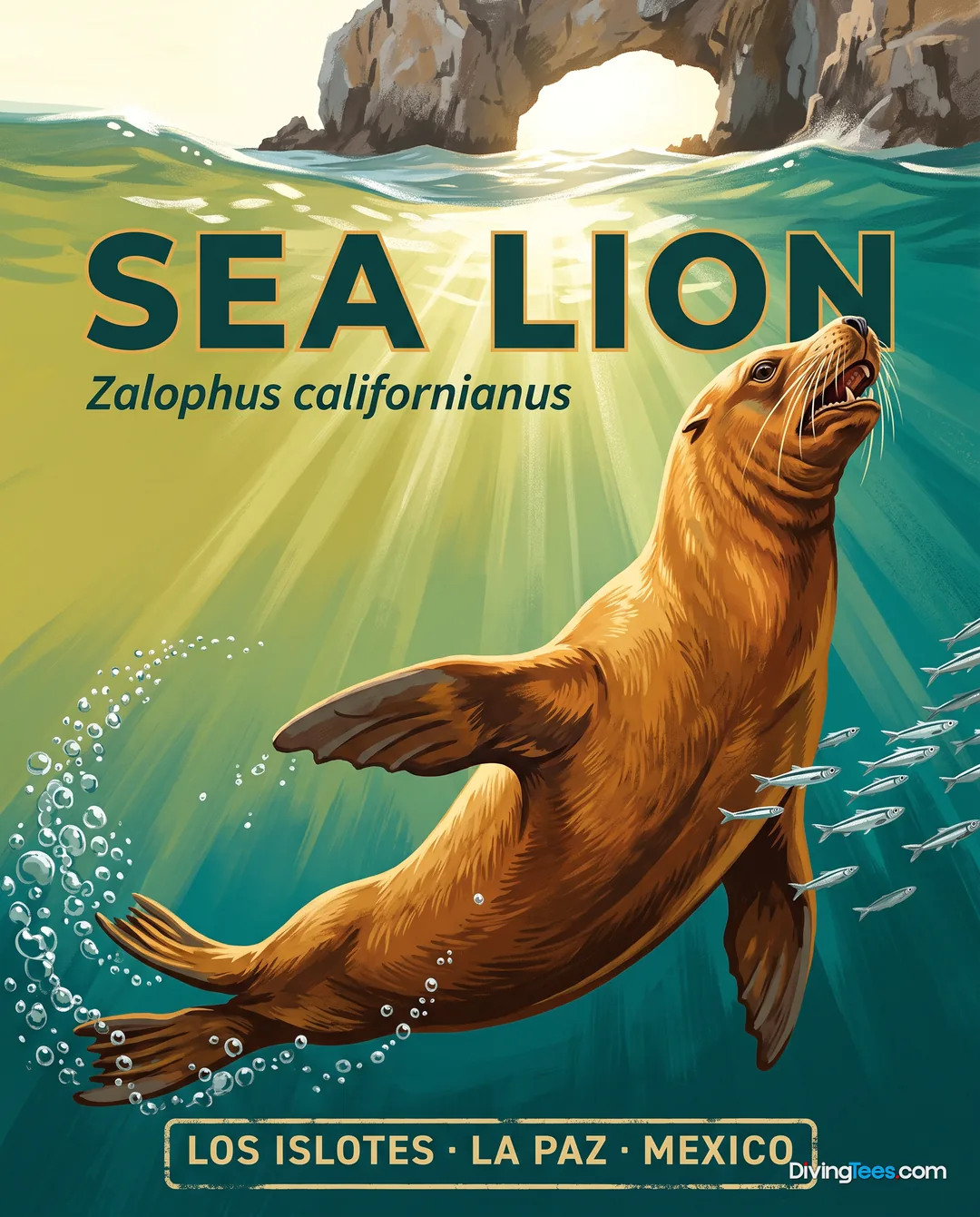
The Galápagos is built around moving animals. Scalloped hammerhead sharks gather around the offshore walls and ledges of Darwin Island and Darwin Arch, while Galápagos sharks, silky sharks and blacktip sharks may join the scene. Wolf Island is known for concentrations of pelagic species in its current-swept water. Depending on the dive and conditions, the list also includes Whale shark, Tiger shark, Manta ray, mobula rays and Eagle ray, alongside sea lions, dolphins and Sea turtle. Moray eel, Snapper, Great barracuda, Parrotfish, Angelfish and surgeonfish provide smaller-scale life around the volcanic structure. Plankton blooms can reduce clarity, but they are also part of the reason these waters attract large pelagics.
There is no simple calendar in which the Galápagos reliably changes from quiet reef diving to big-animal diving. The timing of a trip should instead reflect the intended experience: exposed sites, strong currents, upwellings and plankton-rich water are the drivers of the wildlife, while sea conditions influence whether remote sites can be reached comfortably. A flexible programme is more useful than a tightly packed schedule, particularly when navigation between islands is involved. Divers travelling for hammerheads and other pelagics should accept that visibility and animal behaviour are linked to the same productive water that can make the dives more demanding.
This is for experienced divers, not for someone whose recent experience has been limited to easy shore dives. Advanced Open Water, Drift Diver training or equivalent experience is useful, and many liveaboard itineraries expect at least fifty logged dives; Darwin Island and Darwin Arch require comfort with strong currents, blue-water positioning and thermoclines. Wolf Island can add unpredictable direction changes and downcurrents. Good buoyancy, reliable surface signalling and the fitness to manage a demanding boat schedule are more important than simply holding the right card.
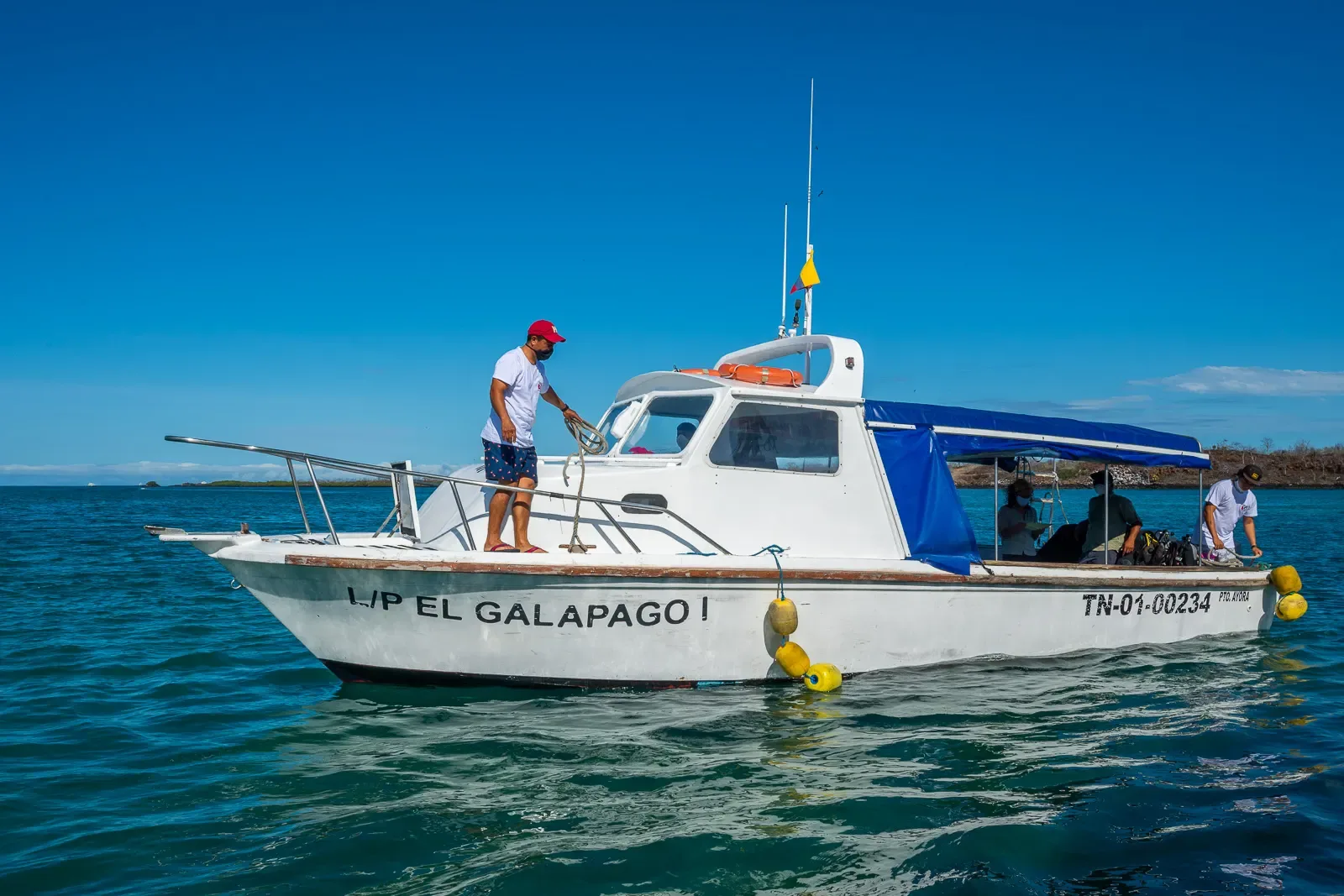
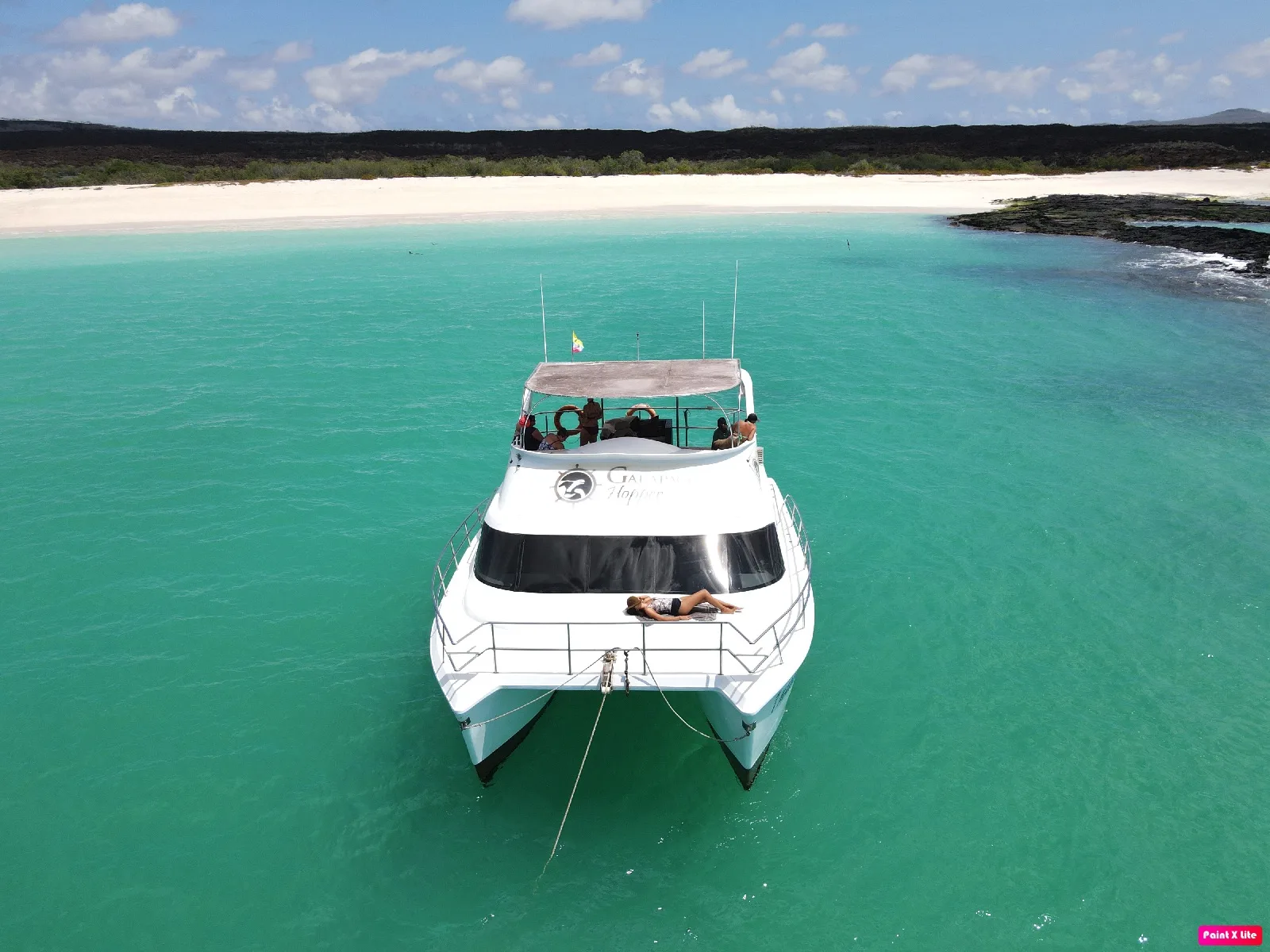
From London Heathrow, London Gatwick or Manchester, reaching the Galápagos involves flights into Ecuador followed by a domestic flight to the archipelago. Once there, boats provide the essential link to the dive sites: there is no road connection between the islands, and remote areas such as Darwin Island, Wolf Island and Darwin Arch are reached by liveaboard. Travellers using a land-based stay still depend on local boats for diving and on inter-island transfers for movement around the archipelago. The journey therefore needs sensible connection margins, especially where a flight and a boat departure must meet. It is not a destination built around walking from accommodation to a shore entry.
Treat the current plan as part of the dive, not as background scenery. At Darwin Island and Darwin Arch, the useful skill is controlled positioning on a ledge or wall while keeping clear of surge; at Wolf Island, expect the direction to change and be prepared for a downcurrent. Check that the proposed itinerary matches genuine experience rather than the minimum card level, particularly if most logged dives have been in sheltered water. Bring dependable personal equipment for buoyancy and surface signalling, and be comfortable making drift dives from a boat. Keep spare time around inter-island travel and navigation: a tightly chained schedule leaves no room for a sea-related change. The destination also rewards realistic expectations. It is not a warm-water coral garden where every dive is relaxed and decorative; the attraction is the chance to watch hammerheads, rays and other pelagics moving through exposed volcanic water. Follow the marine-park rules, do not touch or collect, and use authorised operators.
A seven- to ten-day trip gives the archipelago room to work: several days of boat diving, time for inter-island connections and some tolerance for changes in navigation or weather. A liveaboard suits divers intent on remote sites and repeated exposure to the stronger locations. A land-based stay is better for a more limited programme from local bases, with natural-history walks and wildlife observation providing worthwhile surface intervals. Non-divers can enjoy the islands’ terrestrial and coastal fauna, but this remains a nature-led diving journey rather than a conventional beach holiday.
Hello, I'm Marina, DivingDeal.com's AI assistant. I guide you through destinations, areas and countries.
Thinking about the whole trip and the flights? Talk it over with Edith →
Marina is an AI. Some links are affiliate links: DivingDeal may earn a commission, at no extra cost to you. Bookings are made with the partner.
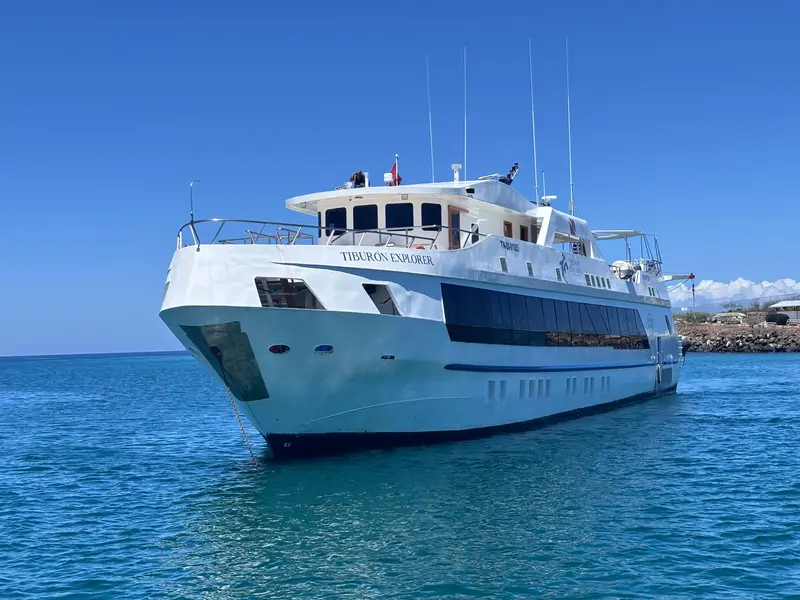
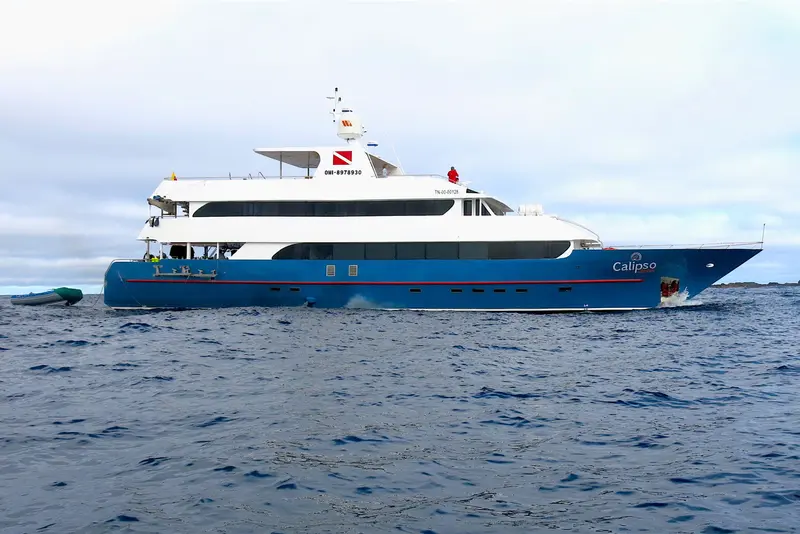
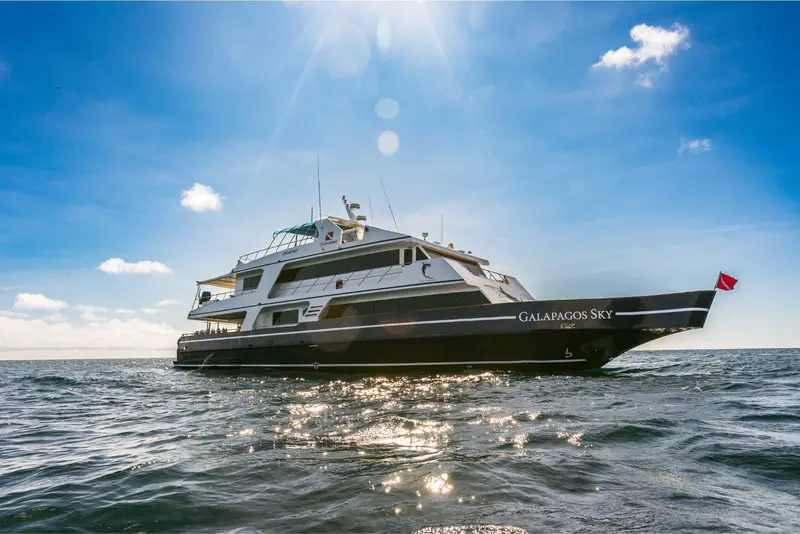
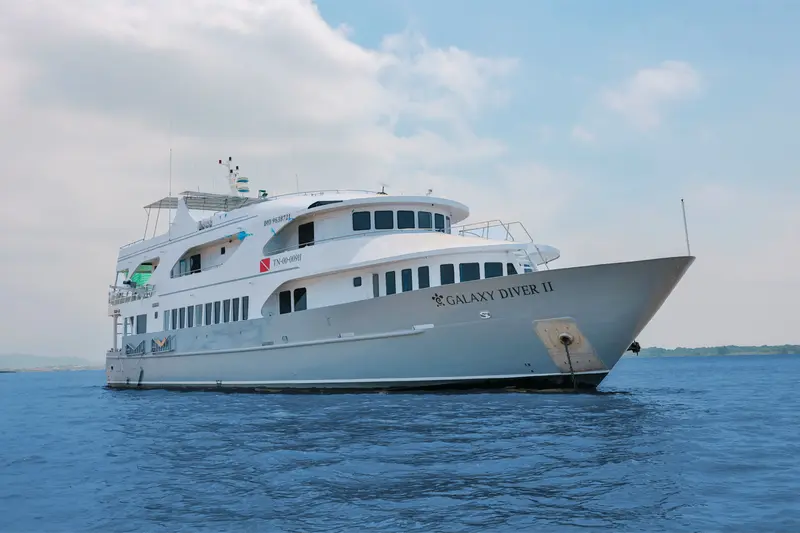
11 liveaboards depart from Galapagos another way to explore the region, over several days at sea.
Your last day stays dry: no diving in the 18-24 hours before a flight, the perfect window to see the destination from another angle.
 Adventure
⏱ 1 h · ★ 5.0 (11 reviews)
from £53$71€63
see on Viator ↗
 Culture
⏱ 2 h · ★ 5.0 (5 reviews)
from £452$604€539
see on Viator ↗
 Culture
⏱ 6 h · ★ 4.8 (14 reviews)
from £243$325€290
see on Viator ↗
 Nature
⏱ 8 h · ★ 3.8 (28 reviews)
from £231$309€276
see on Viator ↗
Ratings and reviews collected by Viator and Tripadvisor.
Plan around your intended experience rather than a simple seasonal calendar. Strong currents, upwellings and plankton-rich water attract large pelagics but can make diving demanding. Sea conditions also affect access to remote sites, so keep the programme flexible and allow room for changes while travelling between islands.
Galapagos suits experienced divers who are comfortable with strong currents, blue-water positioning, thermoclines and boat-based drift dives. Good buoyancy, trim, controlled movement, surface signalling and fitness for a demanding schedule matter. Wolf Island can bring changing directions and downcurrents, so sheltered shore-diving experience alone is not enough.
You can dive volcanic walls, ledges and reefs while scalloped hammerheads move through the blue around Darwin Island and Darwin Arch. Galapagos sharks, silky sharks, rays, whale sharks, sea lions, dolphins and turtles may also appear. Smaller life includes morays, snapper, barracuda, parrotfish, angelfish and surgeonfish.
Use a liveaboard to reach remote sites such as Darwin Island, Wolf Island and Darwin Arch, or choose a land-based stay with local boat diving and inter-island transfers. Build in sensible connection margins and spare time for navigation or sea-related changes. Bring dependable buoyancy and signalling equipment, and use authorised operators.