
Moana Diving College Ishigakijima
Google 4.9/5 (318 reviews)
Japan · Asia
Coral reefs, manta cleaning stations, swim-through caves and reef fish shape boat diving around Ishigaki and the neighbouring Yaeyama islands.
For subtitles in English: start the video firstthen click the gearat the top right of the video, select “Subtitles/CC”, then “Auto-translate” and choose “English”.
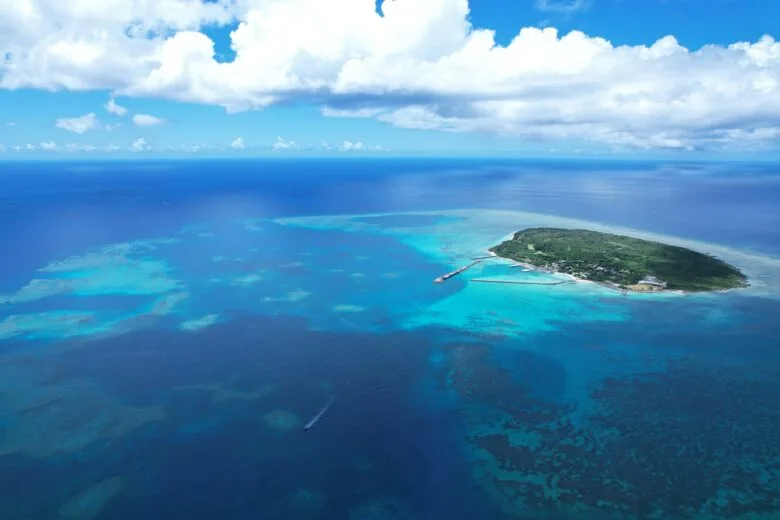
Ishigaki is a land-based Japanese diving holiday built around boat trips. Underwater, the scenery moves between coral reefs, drop-offs, cavities and manta cleaning stations rather than one fixed patch of seabed. Kabira and the northern sites are the draw when the wind allows, while Kuroshima, Taketomi and Kohama provide alternatives from the southern side. That makes the island useful for a week-long trip, especially if some days are reserved for beaches, island excursions, local culture or simply waiting out poor weather.
Most diving starts from boats out of Ishigaki, with the day’s sector chosen according to wind and sea conditions. Around Kabira, the focus is on coral reefs and manta cleaning stations. Elsewhere, expect reef scenery, drop-offs, underwater cavities and sites where a variable current can turn the dive into a drift dive. Advanced Open Water training is useful for deeper sites, but the destination is not limited to experienced divers. Visibility is commonly around twenty to forty metres when wind, swell, coastal run-off and current are favourable, although it can fall after bad weather. Northern sites are more practical from late spring into autumn. When northerly winds make them awkward, boats commonly work towards Kuroshima, Taketomi or other southern areas instead.
The reef manta ray is Ishigaki’s most recognisable underwater encounter. Around Kabira, sightings are most often associated with the period from May to November, while Kuroshima and other southern sectors become more relevant from December to April when northern winds affect access. September to mid-November can bring occasional gatherings connected with reproduction, although that is not something to build an entire holiday around. Tropical reef fish and schools of reef fish are present throughout the year, with marine turtles possible on any season’s diving. Sheltered reefs also reward slower looking, particularly in spring, when macro life and smaller reef creatures can be easier to appreciate between the larger manta outings.
April to June is a sensible compromise, with spring often bringing lighter winds, good visibility and fewer boats than the busiest manta months. May to November gives the best general access to Kabira and the northern sites, with mantas frequently seen from May through October or November. July to October can be rewarding for manta-focused divers, but typhoons may interrupt boat operations. January and February are less dependable for Kabira because northerly winds push diving towards southern sectors and Kuroshima. The choice is therefore straightforward: spring for calmer planning, or summer to early autumn for manta chances while allowing weather margin.
Ishigaki suits divers from beginner level upwards, provided the day’s site matches their experience. Sheltered reef dives can work for newer divers, while variable current, deeper sites and a drift dive require better control and comfort in moving water. Advanced Open Water is useful rather than compulsory for making the most of the deeper terrain. A drift-diving speciality can also help in the current-affected sectors. BSAC, PADI and SSI divers should find the main issue is experience and conditions, not the agency on their qualification card.
From London Heathrow, London Gatwick or Manchester, allow roughly eighteen to twenty-five hours to reach Ishigaki, normally with connections in Asia or Japan. The structural point is that the island is reached by air, followed by a Japanese domestic flight, not by a compulsory sea crossing from the main islands. Once based in Ishigaki, ferries from Ishigaki Port provide regular links to Taketomi, Kohama, Kuroshima, Iriomote and other Yaeyama islands, with schedules and crossing times affected by the sea. In town, some accommodation and dive departures may be reached on foot, while other arrangements need a taxi or the operator’s shuttle. Check the meeting point before booking accommodation.
Do not build the trip around one Kabira manta day. Northerly winds can close that sector, particularly in winter, and the practical answer is to accept Kuroshima, Taketomi or another southern itinerary rather than spend the holiday waiting for one site. Book several boat days and keep a weather margin, especially from summer into early autumn when typhoons can stop operations. In busy manta periods, arrange the boat days ahead. Ask exactly which sector is planned, not simply whether mantas are advertised, because wind changes the accessible part of the archipelago. The first outing of the day is often the sensible choice for sea conditions and visibility. If a trip involves a neighbouring island, remember that ferry timings add a second moving part. Keep a full day before the flight free of diving and demanding maritime excursions, rather than making the final boat trip your departure-day gamble.
Plan Ishigaki as a seven- to ten-day land-based stay, with several boat days and time held back for wind or typhoons. Staying in the urban area or near the port makes departures and ferry connections easier, though a taxi or shuttle may still be needed. A useful rhythm is to combine a manta-focused day with reef, drop-off or cave diving, then leave room for Taketomi, Kohama or Kuroshima. Non-divers have beaches, snorkelling, kayaking, viewpoints, walks and local cultural visits while the boats are away.
Hello, I'm Marina, DivingDeal.com's AI assistant. I guide you through destinations, areas and countries.
Thinking about the whole trip and the flights? Talk it over with Edith →
Marina is an AI. Some links are affiliate links: DivingDeal may earn a commission, at no extra cost to you. Bookings are made with the partner.
Choose spring for calmer planning, lighter winds, good visibility and fewer boats. May to November generally gives better access to Kabira and the northern manta sites, while summer to early autumn can suit manta-focused trips if you allow for typhoons. From December to April, northern winds often shift diving towards Kuroshima and southern areas.
Ishigaki Island suits beginners through experienced divers, provided the site matches your ability. Sheltered reefs can suit newer divers, while variable currents, deeper sites and drift dives require stronger control and comfort in moving water. Advanced Open Water training is useful for deeper terrain, and drift-diving training can help in current-affected sectors.
Around Ishigaki Island, expect coral reefs, drop-offs, underwater cavities, swim-through caves and manta cleaning stations. Reef manta rays are associated with Kabira from May to November, while southern areas become useful when northern winds affect access. Tropical reef fish and occasional turtles occur year-round, with macro life easier to appreciate on sheltered spring reefs.
Plan Ishigaki Island as a land-based stay with several boat days and time reserved for wind or typhoons. Staying near the urban area or port helps with departures and ferry connections. Combine manta-focused outings with reef, drop-off or cave dives, and leave room for Taketomi, Kohama or Kuroshima trips and non-diving activities.