
DiveHealing
Google 4.9/5 (86 reviews)
Japan · Asia
Lava ridges at Izu Ocean Park, gentle shallows at Futo, autumn schools around Teishijima, and macro subjects along the rocky coast shape Ito’s appeal.
For subtitles in English: start the video firstthen click the gearat the top right of the video, select “Subtitles/CC”, then “Auto-translate” and choose “English”.
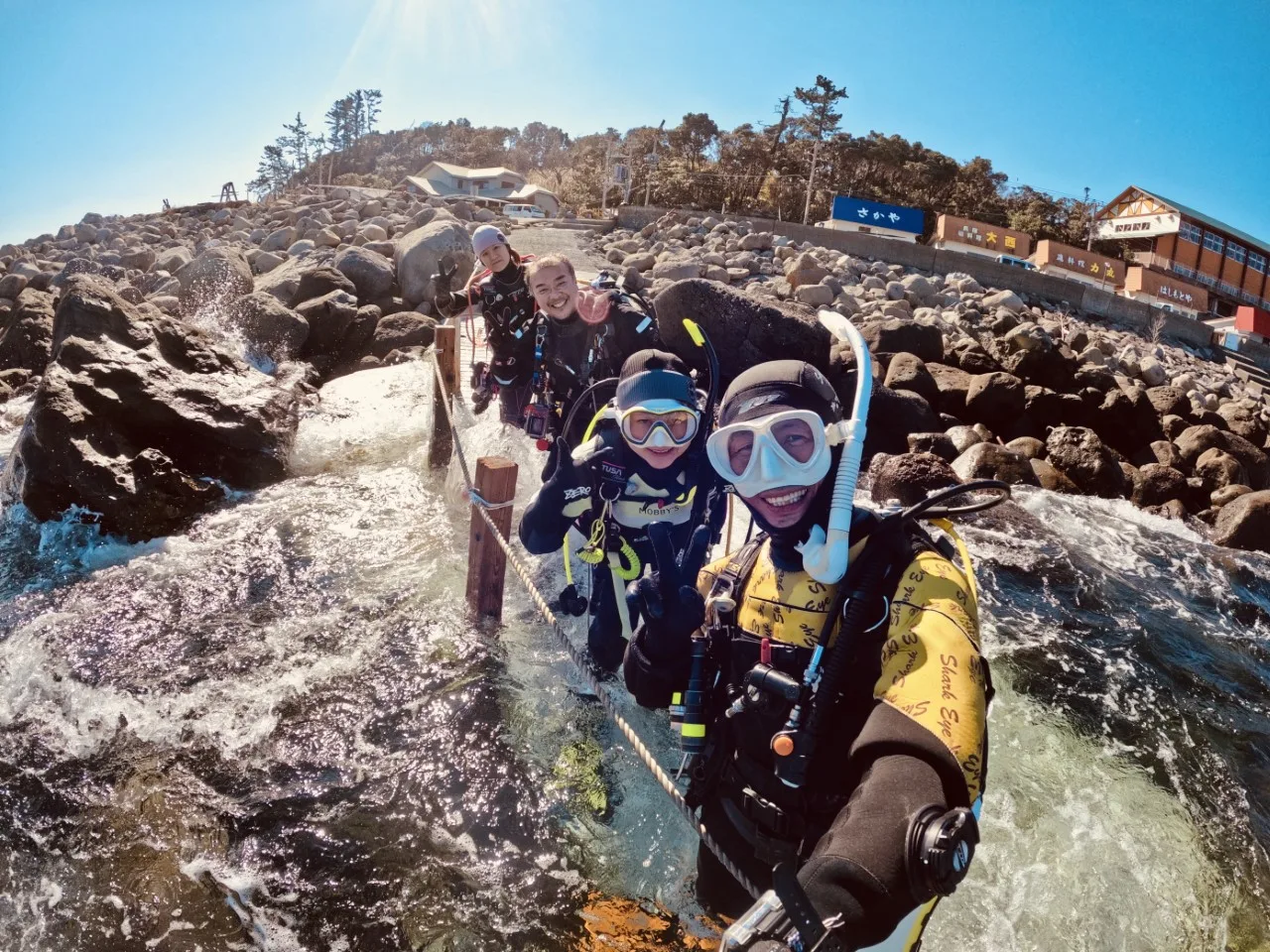
Lava ridges at Izu Ocean Park give Ito its most recognisable underwater scenery, but this is not a destination built around one signature site. Futo and Kawana offer shore entries, shallow ground and patient macro diving, while Teishijima adds boat dives over more exposed volcanic relief. Usami, Ito and Yawatano broaden the choice along the coast. The result is a practical, land-based base where the day’s wind, swell and diving ambition can decide the plan.
Ito’s underwater character changes noticeably from one coastal sector to the next. Futo combines a beach entry with gently sloping ground, sand, rock and mud, making it easy to slow down and search for small life. Kawana offers a similar shore-based approach, while Izu Ocean Park brings lava formations linked to the Omuroyama eruption, with entries and relief that feel more energetic. Boat diving around Teishijima shifts the emphasis towards volcanic structure and schooling fish. Currents are variable rather than a defining feature of every dive, so a downcurrent or drift dive is not the default expectation. Visibility should be treated as a condition-led factor, not a fixed promise. Ito works best when the shore and boat options are kept open, allowing the local sea state to choose the day’s terrain.
Macro is a strong reason to spend time in Futo, Kawana and the quieter rocky areas, where shallow sand, mud and stone reward slow finning rather than long-distance searching. From June to August, Japanese squid may be encountered during their spawning season, although it is unwise to build an entire trip around that event. Autumn brings Japanese amberjack and greater amberjack, adding larger movement to the close coastal scenery. On boat sites around Teishijima, silver herrings and scalefin fairy basslets form schools from September to May. These sites are also where autumn’s pelagic character is most useful, especially for divers who want fish activity alongside lava relief.
September, October and November are the most attractive months for Ito, particularly if autumn fish activity is part of the plan. Japanese amberjack and greater amberjack are associated with this period, while Teishijima’s schooling fish continue through the wider September to May window. June to August has its own appeal for Japanese squid spawning, but that is a more specific seasonal objective. Conditions vary sharply with wind and exposure, so autumn is not a guarantee of identical diving every day. Its advantage is the combination of favourable wildlife interest and several coastal sectors to which the programme can move when one entry is uncomfortable.
Ito suits a broad range of certified divers. Futo and Kawana have shallow shore areas used for training, making them reasonable choices for beginners with an entry-level qualification. BSAC, PADI and SSI divers can all find suitable mainstream diving, with no additional specialist brevet identified as necessary. More experienced divers will get more from the volcanic relief at Izu Ocean Park and the boat sites around Teishijima, where exposure, entries and variable conditions demand better judgement than a sheltered training dive.
From London or Manchester, the Japanese rail journey is the key practical point once the long-haul travel is complete. Travel by train towards Ito and the neighbouring coastal sectors, using the shinkansen to Atami, reached from Tokyo in about 45 minutes, then local lines along the Izu coast. There is no ferry or domestic flight required to reach the area. Ito is not one compact harbour, however. Usami, Ito, Kawana, Futo, Izu Ocean Park and Yawatano are spread along the coast, so allow time for the final local connection. On arrival, walking works only when accommodation and diving are in the same sector. Otherwise, use the local train, a taxi or a transfer arranged through the diving operation.
Do not book Ito as though it were one dive site. Ask which sector is workable on the day, because wind and swell can make one beach entry awkward while a neighbouring coast remains usable. If you are not hiring a car, stay close to the sector where you will dive, rather than assuming the centres are within an easy walk of one another. Put popular Futo and Izu Ocean Park dives on weekdays or early starts, when training groups are less likely to dominate the entries. Keep a spare day in the itinerary so you can switch between shore and boat diving. Teishijima is worth adding when volcanic relief and pelagic schools matter more than another shallow macro dive. Finally, treat Japanese squid spawning as a bonus, not the reason for every booking, and do not confuse this Ito with Tateyama-Ito in Chiba, the shark-diving location.
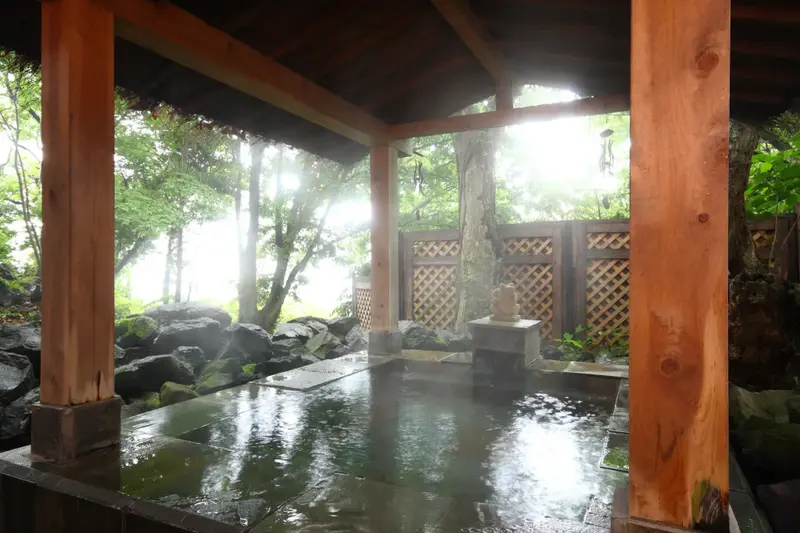
A three-to-five-day land stay gives enough room to combine Futo or Kawana shore diving with Izu Ocean Park and a boat outing towards Teishijima, while leaving some flexibility for local conditions. Base yourself near the sector used most often, or accept regular train, taxi or arranged transfers between areas. Non-divers have plenty to do around Ito, including hot springs, the historic town, Jogasaki’s volcanic coastline, Mount Omuro, markets, ports and cultural excursions.
Hello, I'm Marina, DivingDeal.com's AI assistant. I guide you through destinations, areas and countries.
Thinking about the whole trip and the flights? Talk it over with Edith →
Marina is an AI. Some links are affiliate links: DivingDeal may earn a commission, at no extra cost to you. Bookings are made with the partner.
September, October and November suit divers interested in autumn activity, including Japanese amberjack and greater amberjack. Teishijima’s silver herrings and scalefin fairy basslets appear from September to May. June to August offers Japanese squid spawning, although conditions depend on wind and exposure and can vary between coastal sectors.
Ito suits a broad range of certified divers. Beginners with an entry-level qualification can use the shallow shore areas at Futo and Kawana, which are also used for training. BSAC, PADI and SSI divers can find suitable mainstream diving. Izu Ocean Park and Teishijima require stronger judgement in variable conditions.
You can explore lava ridges linked to the Omuroyama eruption at Izu Ocean Park, plus sand, rock and mud at Futo and Kawana. Slow shore dives offer macro subjects, while Teishijima brings volcanic relief, autumn pelagic schools, Japanese squid in summer, and schooling fish from September to May.
Treat Ito as a spread of coastal sectors rather than one dive site. Keep shore and boat options open, ask which area works with the day’s wind and swell, and stay near your main diving sector or arrange local transport. Allow flexibility for Futo, Kawana, Izu Ocean Park and Teishijima.