
Tokyo International Diving Club
Google 4.7/5 (41 reviews)
Japan · Asia
Rocky walls, sandy bottoms, artificial reefs, fish shoals, eagle rays and occasional Japanese catsharks make Tateyama a distinctly Japanese alternative to tropical reef diving.
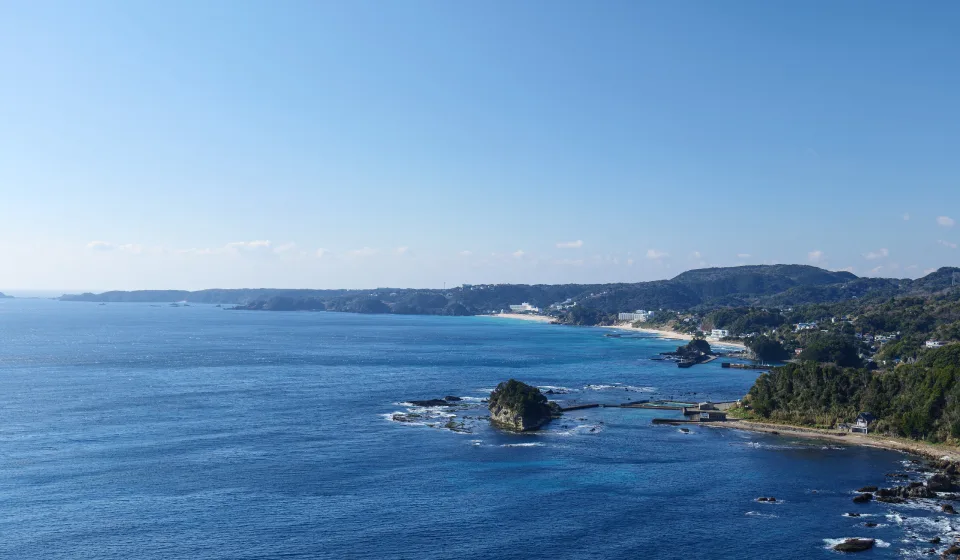
Tateyama is for divers who want Japanese coastal diving rather than a coral-reef holiday. Around the southern Bōsō Peninsula, rocky drop-offs, sandy ground and artificial reefs share the water with large shoals of fish. Hasama offers a calmer starting point, while Nishikawana brings tidal currents and more movement. Seasonal visitors carried north by the Kuroshio add eagle rays, turtles and tropical fish to a temperate setting. It is a shore-based stay, with both boat and shore diving available.
Underwater Tateyama shifts between rocky walls, sandy bottoms and artificial reef structures. Some dives reach about 25 metres, with typical profiles centred around 15 to 16 metres, so the terrain is not automatically deep or technical. Hasama is generally the quieter boat-diving option, while Nishikawana is shaped by tidal currents, underwater relief and moving shoals of fish. That distinction matters: a current-affected dive can become a downcurrent or drift dive rather than a static photography session. Conditions also influence visibility, which may fall when plankton, coastal run-off or swell are present. Boat trips are worth considering when the aim is to reach the larger shoals and more pronounced relief, but shore diving remains part of the local mix. Keep the safety stop and the return to the boat in mind when current is running.
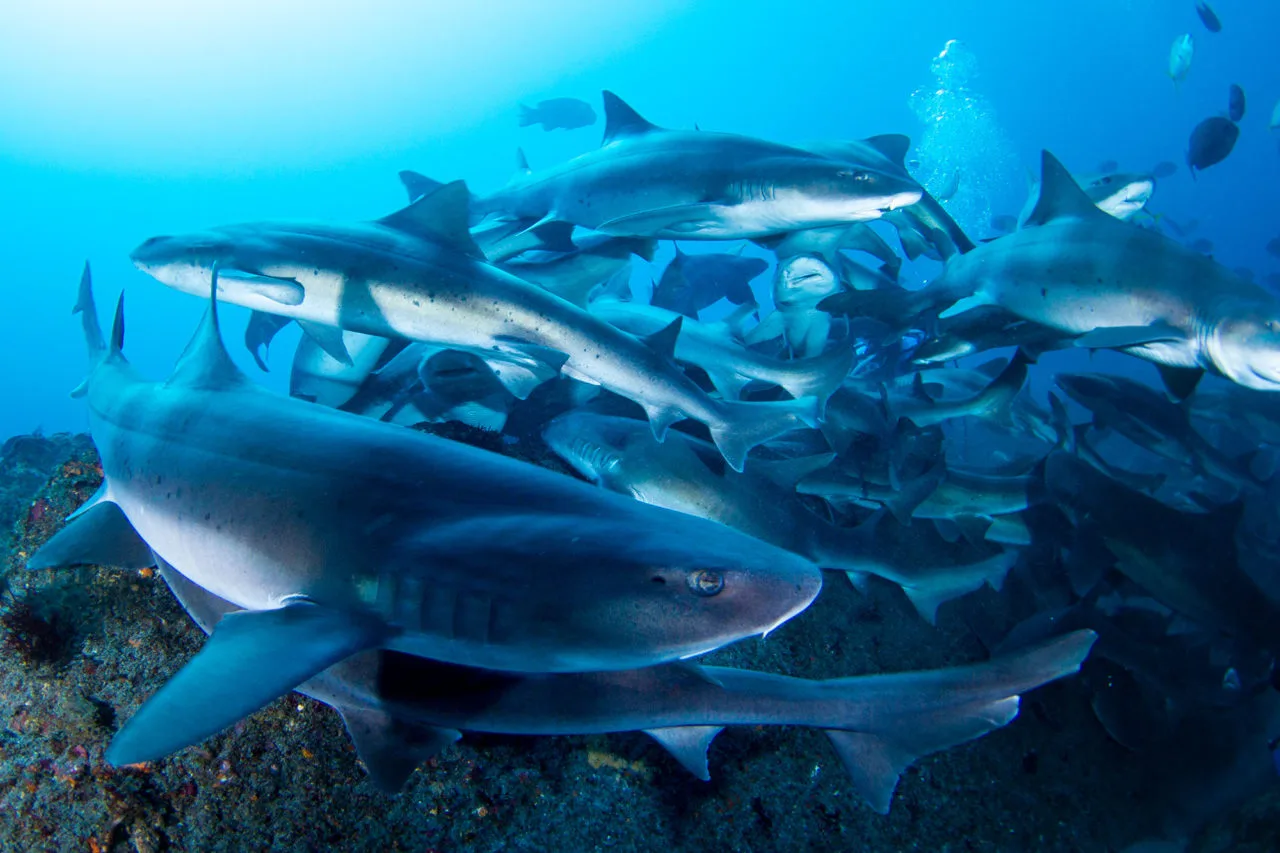
Fish shoals are the most dependable visual theme, often moving across rocky or artificial reef habitat. Summer can bring eagle rays, Japanese amberjack and other trevally, while tropical fish carried north by the Kuroshio may appear from summer into autumn. Green turtles are possible at any time, but remain sightings rather than a scheduled encounter. From autumn through spring, Japanese catsharks become a more relevant reason to dive, although they are not guaranteed. Whale sharks and ocean sunfish are irregular visitors, not resident attractions to build an itinerary around. The appeal is the changeable meeting of temperate coastal life and occasional subtropical arrivals.
Tateyama can be dived throughout the year, but the reason to choose one season changes. Summer and early autumn favour fish shoals, eagle rays, trevally, Japanese amberjack and Kuroshio-borne tropical fish. Autumn and winter generally offer clearer water, and the period from autumn into spring is the more sensible window for looking for Japanese catsharks. Winter therefore suits divers putting visibility first, while summer suits those hoping for warmer-season visitors and busy fish life. No season guarantees a particular animal, and exposed sites may still be ruled by swell or tidal current on the day.
Tateyama can suit beginners and experienced divers because some sites are shallow and sheltered, while others demand better judgement in current. Hasama is the more forgiving choice for settling in or diving with a photographer. Nishikawana should be approached with local guidance, especially by newer divers or anyone uncomfortable with a moving water column. BSAC, PADI and SSI divers can all find suitable diving here, but certification alone does not replace recent experience in current, controlled ascents and boat procedures.
From London Heathrow or Gatwick, or from Manchester, Tateyama is reached overland after travelling towards Tokyo. Allow roughly two to three hours from Tokyo by road or terrestrial public transport, depending on the starting point and connections. No domestic flight is needed. Ferries crossing Tokyo Bay to the Bōsō Peninsula are available, but they are an optional route rather than a compulsory part of the journey. The practical complication is choosing the correct local sector, because Hasama and Nishikawana are served by different bases. Arrange the final connection to the relevant base rather than assuming that one harbour or transport link serves every dive. Local taxis, lifts and shuttle arrangements depend on the accommodation and diving arrangements, so confirm them before travelling.
Treat Hasama and Nishikawana as different propositions, not interchangeable names on a booking form. Start with Hasama if you want a calmer introduction, then leave Nishikawana for a day when the centre considers its tidal current manageable for your group. Keep a spare day in the schedule if Nishikawana is central to the trip, since sea state and current may change the plan. Book with a base that departs directly for the sector you intend to dive, rather than assuming all local boats use the same harbour. Compare a shore day with a boat day, because the boat is the sensible route for larger shoals and stronger relief. Pack seasonal thermal protection, particularly for an autumn or winter stay. Finally, regard sharks, rays, turtles and large pelagics as possibilities, not promises, and do not build the itinerary around a rare whale shark or ocean sunfish sighting.
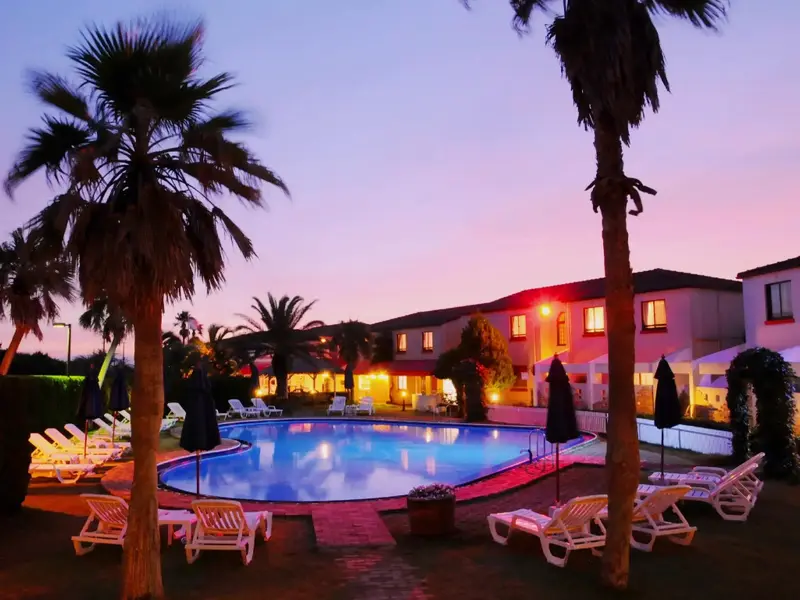
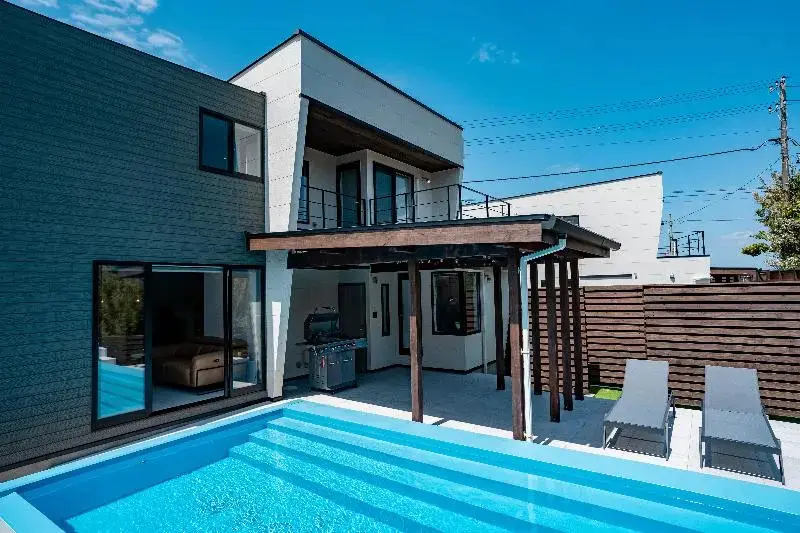
Plan on three to five days based in Tateyama, allowing several possible diving days rather than compressing everything into one weather window. A land-based stay makes it practical to alternate Hasama and Nishikawana according to sea conditions, current and the season’s wildlife. Between dives, the town, Bōsō Peninsula coastline, beaches, countryside, shrines and other cultural sites give non-divers something to do. Tateyama is therefore workable for a mixed party, not only for people spending every day on a boat.
Hello, I'm Marina, DivingDeal.com's AI assistant. I guide you through destinations, areas and countries.
Thinking about the whole trip and the flights? Talk it over with Edith →
Marina is an AI. Some links are affiliate links: DivingDeal may earn a commission, at no extra cost to you. Bookings are made with the partner.
You can dive Tateyama year-round, but seasonal highlights differ. Summer and early autumn favour busy fish shoals, eagle rays, trevally, Japanese amberjack and Kuroshio-borne tropical fish. Autumn and winter generally bring clearer water, while autumn through spring is the more suitable period for looking for Japanese catsharks. Wildlife sightings remain unpredictable.
Tateyama can suit beginners and experienced divers, with shallow, sheltered sites as well as dives affected by current. Hasama offers a calmer introduction and is more forgiving for photographers. Nishikawana requires better judgement in moving water, so newer divers should follow local guidance and have experience with controlled ascents and boat procedures.
Expect fish shoals moving over rocky walls, sandy bottoms and artificial reefs. Summer may bring eagle rays, trevally, Japanese amberjack and tropical fish carried north by the Kuroshio. Japanese catsharks are more relevant from autumn through spring, while green turtles are possible. Whale sharks and ocean sunfish are irregular visitors.
Plan a land-based stay that allows several possible diving days, rather than relying on one weather window. Treat Hasama and Nishikawana as separate sectors with different bases, and choose shore or boat diving according to conditions and your aims. Leave flexibility for current and sea state, with beaches, countryside, shrines and cultural sites for non-divers.