
Aquaventures Diving Centre
Google 4.6/5 (59 reviews)
Ireland · Atlantic
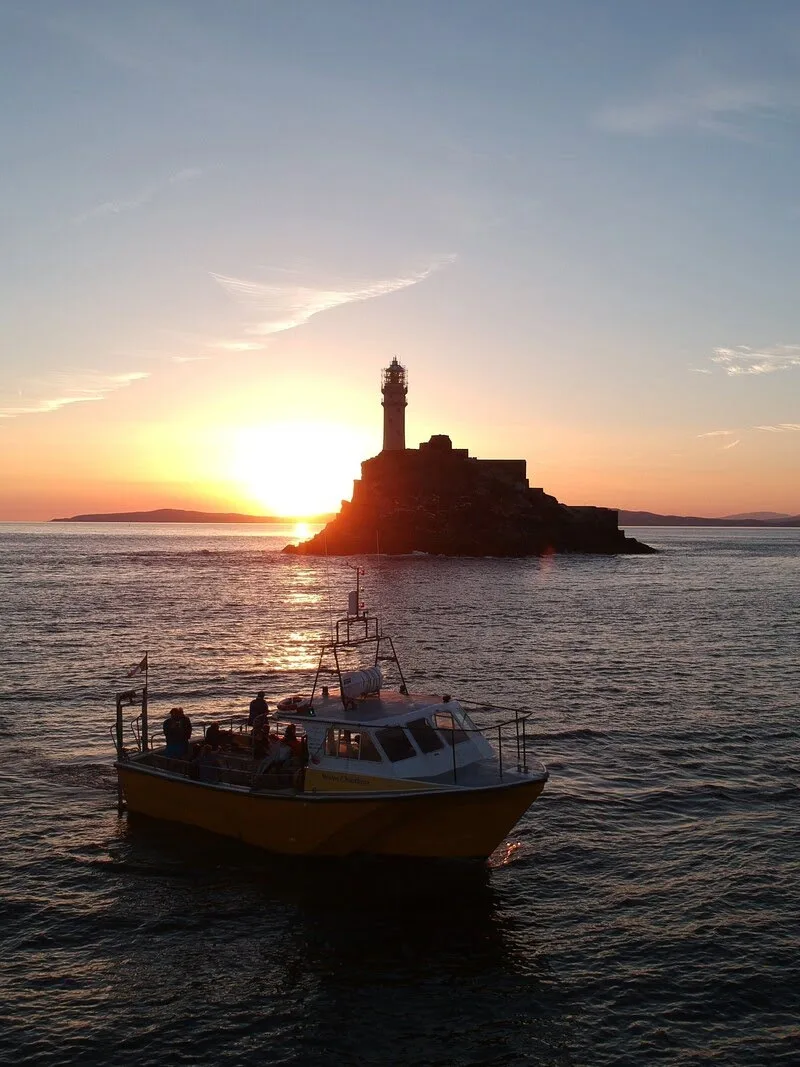
Roaringwater Bay’s sheltered islands sit alongside Fastnet Rock’s walls, kelp-covered reefs, grey seals and deep wrecks reaching around 43 metres.
Baltimore is a shore-based Irish diving base where a day can move from sheltered island water in Roaringwater Bay to the exposed relief around Fastnet Rock. The diving ranges from straightforward shore entries and drift dives through the channels to serious wrecks such as U-260 and Kowloon Bridge. That spread matters: experienced divers have depth and history to pursue, while less experienced visitors can still find worthwhile water close to the village. It is a place for building a trip around conditions rather than forcing every dive to follow a fixed plan.
Underwater, Baltimore is a mixture of rocky reefs, walls, kelp forests, channels and wrecks rather than one uniform style of diving. The islands provide more sheltered outings, while Fastnet Rock and the outer wrecks bring greater exposure, depth and boat time. Currents are variable, and some channel dives work as drift dives, so the day’s tide and sea state matter more than a neat itinerary. Visibility is commonly around 10 metres and can rise above 20 metres on a good day, but swell and suspended particles reduce it after storms. Boat and RIB trips are central to the character of the area, although shore diving remains useful for easier profiles. The practical rhythm is often a protected island dive when the open water is awkward, followed by a more ambitious reef or wreck when the window opens.
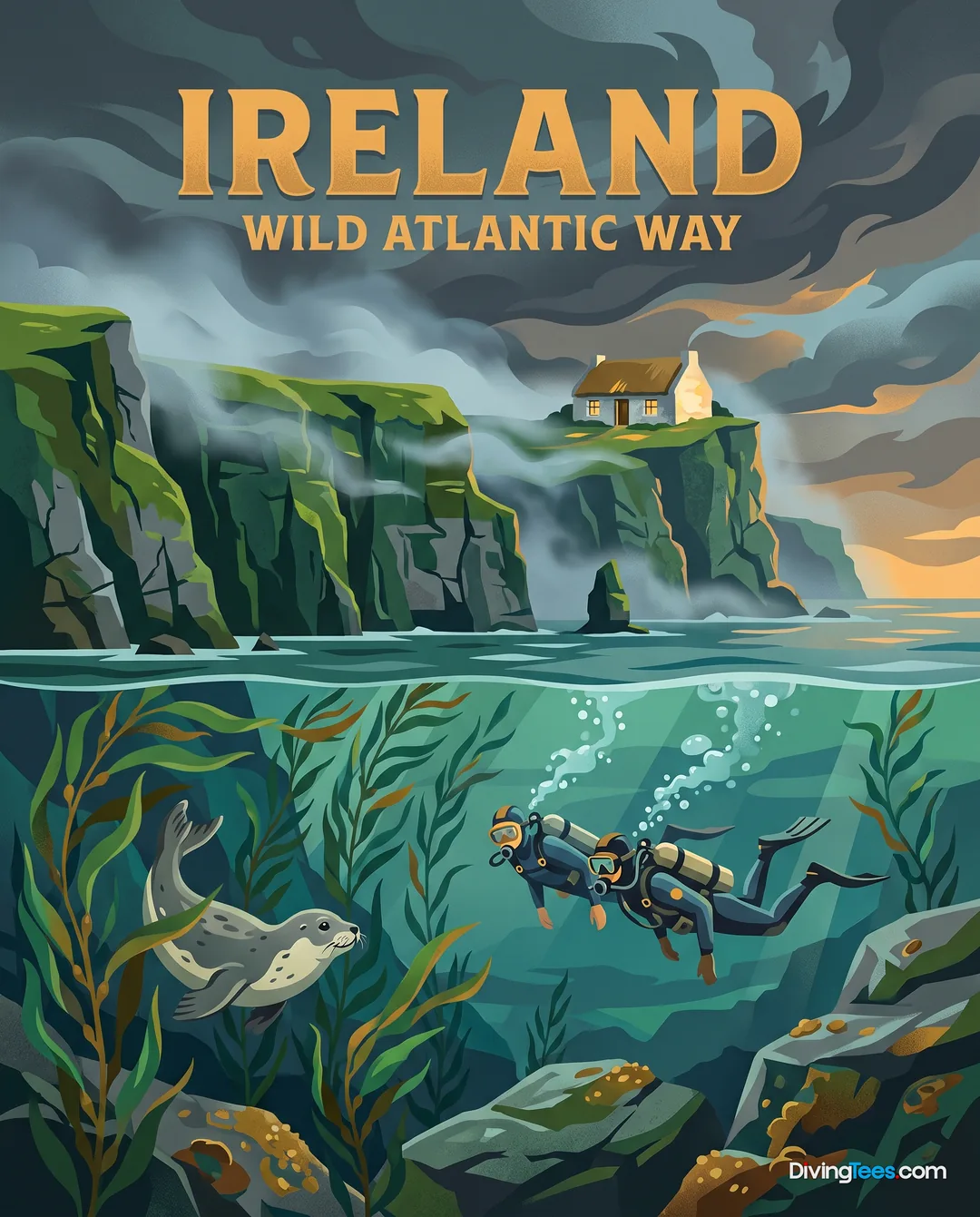
Grey seals, lobsters, conger eels, lobsters and crabs are the dependable cast throughout the year, with rocky ground and kelp giving them plenty of places to disappear into. Expect close work around reef edges, walls and wreck structure rather than a tropical parade of colour. Conger eels and crustaceans suit the darker gaps and overhangs, while seals may appear around suitable island sites when conditions allow. From May to November, the wider water can bring occasional whales, dolphins, basking sharks and ocean sunfish. These are seasonal possibilities, not a reason to treat every boat trip as a wildlife excursion. The most reliable reward is the steady coastal life, with larger visitors adding an element of luck.
May to September is the most practical period for Baltimore, because summer usually gives the best working window for boat trips. That matters when the plan includes Fastnet Rock, the outer reefs or the larger wrecks, all of which are more vulnerable to swell and passing Atlantic weather than the islands inside Roaringwater Bay. The bay can provide a useful alternative outside the calmest spells. Visibility is often around 10 metres and may exceed 20 metres after settled weather, whereas storms stir particles through the open sites. Summer also brings the chance of whales, dolphins, basking sharks and ocean sunfish, although those encounters remain occasional.
Baltimore suits all levels, provided the dive is matched to the site. Beginners can use shore entries and sheltered parts of the bay, while current, exposure and depth quickly raise the demands elsewhere. Advanced Open Water or an equivalent qualification is useful for deep wrecks. U-260, at about 43 metres, calls for appropriate deep-diving qualification and experience, and penetrating wrecks require wreck training. The same caution applies to Kowloon Bridge and comparable open-water dives, which are not sensible first local dives.
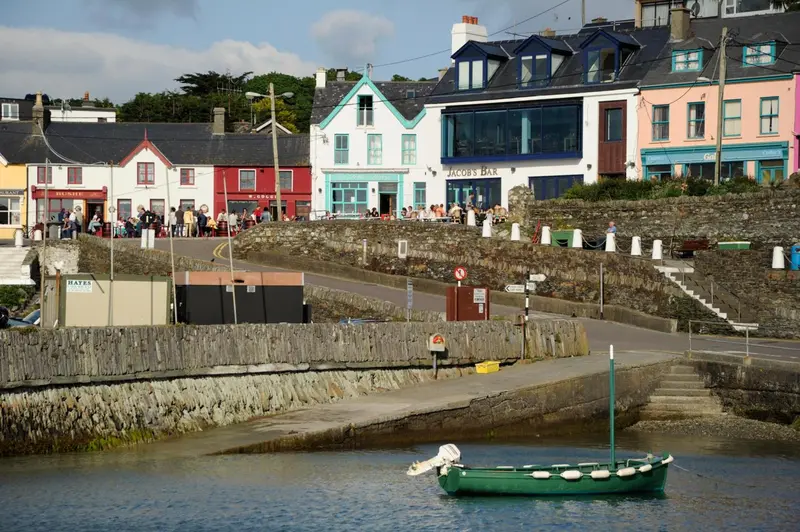
From London Heathrow, Gatwick or Manchester, Baltimore is reached by continuing overland from Cork, then following the roads through West Cork to the harbour village. There is no compulsory sea crossing or domestic flight to reach Baltimore itself. The structural point is that the journey does not end at Cork: the final road leg needs to be built into the plan, particularly when carrying diving equipment. Once in the village, central accommodation may be within walking distance of the diving arrangements. Lodgings farther out are better handled with a car or a locally arranged transfer, as there is no general shuttle service. Boats and RIBs leave from the harbour for the islands, Fastnet Rock and the offshore wrecks.
Do not build the whole trip around Fastnet Rock, U-260 or one particular wreck. Ask for a weather-led programme, because Roaringwater Bay can often replace an exposed outing with a more sheltered island dive when swell closes the outer sites. Keep at least one spare day for a cancelled boat trip, and avoid scheduling the most open sites immediately after a storm if visibility matters. Check the actual depth, mooring arrangement and accessible sections of each wreck locally, especially before committing to U-260 or Kowloon Bridge. Treat the bay and the open water as different propositions: their current, swell and travelling time can change sharply. Bring a cold-water configuration suitable for boat diving, and have the experience and qualifications for the intended profile before travelling, rather than trying to turn a sheltered day into a deep-wreck qualification on arrival.
A three- to five-day diving stay gives Baltimore room to use the weather rather than fight it. Organise the week around daily boat departures, keeping sheltered island dives available alongside wrecks and Fastnet Rock. Central accommodation can make the harbour and diving arrangements walkable, while outlying places require a car or local transfer. Non-divers have coastal walks, island excursions, maritime scenery and wildlife watching to occupy a cancelled diving day.
Hello, I'm Marina, DivingDeal.com's AI assistant. I guide you through destinations, areas and countries.
Thinking about the whole trip and the flights? Talk it over with Edith →
Marina is an AI. Some links are affiliate links: DivingDeal may earn a commission, at no extra cost to you. Bookings are made with the partner.
May to September is the most practical period for boat diving, as summer usually provides a better working window for Fastnet Rock, outer reefs and larger wrecks. Roaringwater Bay offers more sheltered alternatives when swell or Atlantic weather affects open sites. From May to November, occasional wildlife encounters may add interest.
Baltimore suits different experience levels when you choose the site carefully. Beginners can use shore entries and sheltered parts of Roaringwater Bay, while currents, exposure and depth increase the demands elsewhere. Deep wrecks such as U-260 require suitable deep-diving qualification and experience, while wreck penetration requires specific wreck training.
You can explore rocky reefs, walls, kelp forests, channels and wrecks, with grey seals, conger eels, lobsters and crabs present throughout the year. Fastnet Rock offers walls and exposed reefs, while U-260 and Kowloon Bridge provide wreck diving. From May to November, basking sharks and ocean sunfish may appear.
Build your stay around weather-led boat departures rather than one fixed wreck or reef. Keep sheltered island dives available when open water is unsuitable, and allow a spare day for a cancelled trip. Central accommodation may be walkable from harbour arrangements, while lodging farther out requires a car or local transfer.