
Hidrospot - Escola de Mergulho
Google 5/5 (104 reviews)
Portugal · Atlantic
Rock reefs, the U-1277 wreck, harbour walls and common octopus meet on Porto’s temperate Atlantic coast, subject to the mood of the swell.
For subtitles in English: start the video firstthen click the gearat the top right of the video, select “Subtitles/CC”, then “Auto-translate” and choose “English”.
Porto is a city-based Atlantic diving destination, with the underwater action spread along the coast from Matosinhos and Leça da Palmeira towards Lavra, Mindelo and Vila do Conde. Expect temperate-water rock reefs, sandy ground, harbour structures and wrecks rather than tropical scenery. Some dives stay shallow and straightforward, while others head offshore or descend into more committed wreck territory. It suits a three to five-day land-based break, giving you time to dive when the sea allows and still enjoy Porto when it does not.
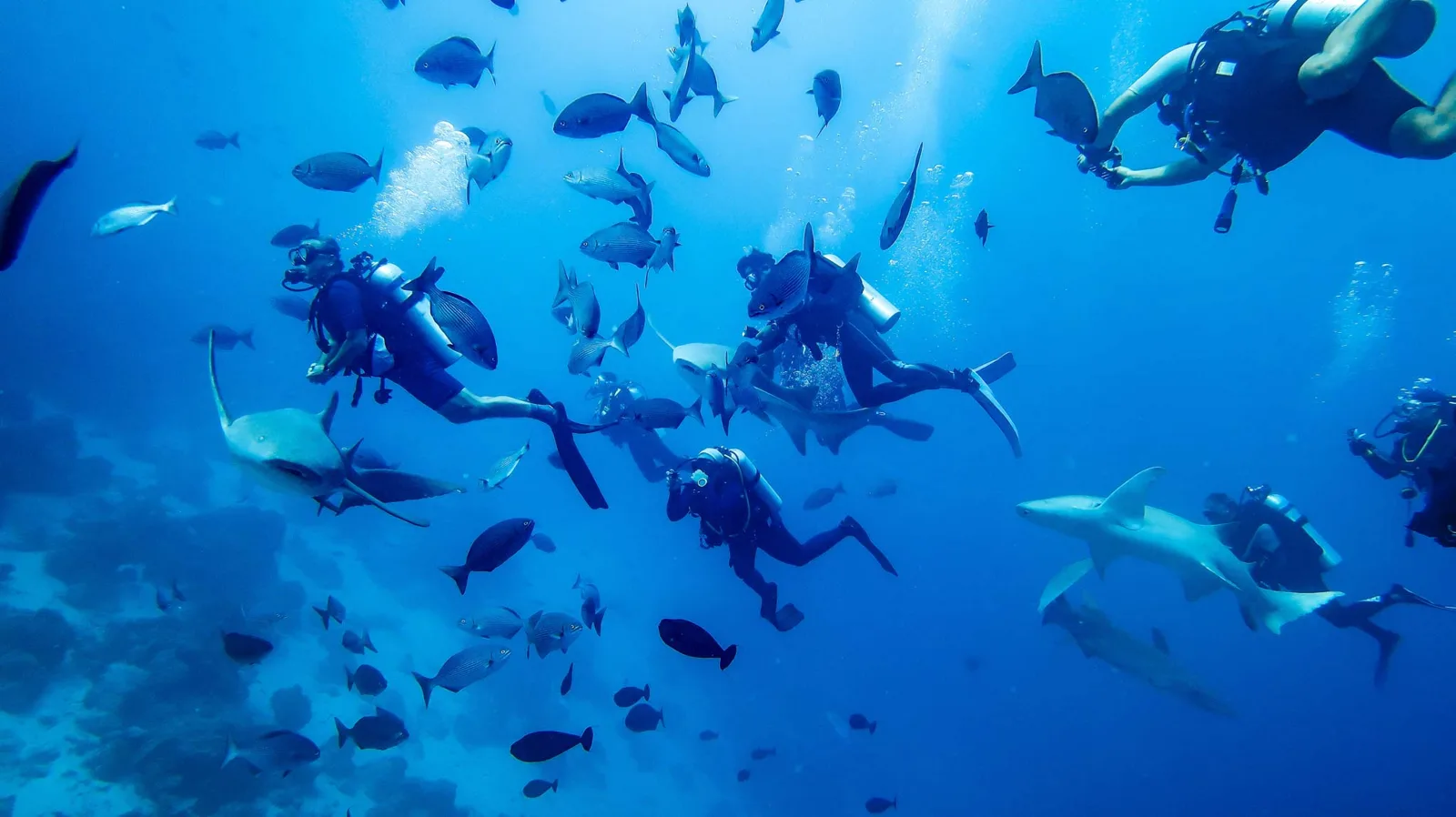
The diving alternates between shore entries near beaches and breakwaters, boat trips to offshore rock formations, and wreck dives such as the Tiber, Batelão, Navio do Norte and U-1277. The terrain is Atlantic rather than ornamental: rock faces, reefs, sandy patches, harbour walls and steel wreckage, with the exposed sites entirely at the mercy of the swell. Currents are variable, so a calm-looking shoreline does not guarantee the same conditions offshore. Visibility is most reliable from May to October, but surge and coastal run-off can quickly affect sites near beaches and harbour structures. Ask whether the plan is a shore or boat departure, because the launch, return and weather limits differ. On a good day, the appeal lies in moving between natural rock and wreck metal, not in following a fixed itinerary.
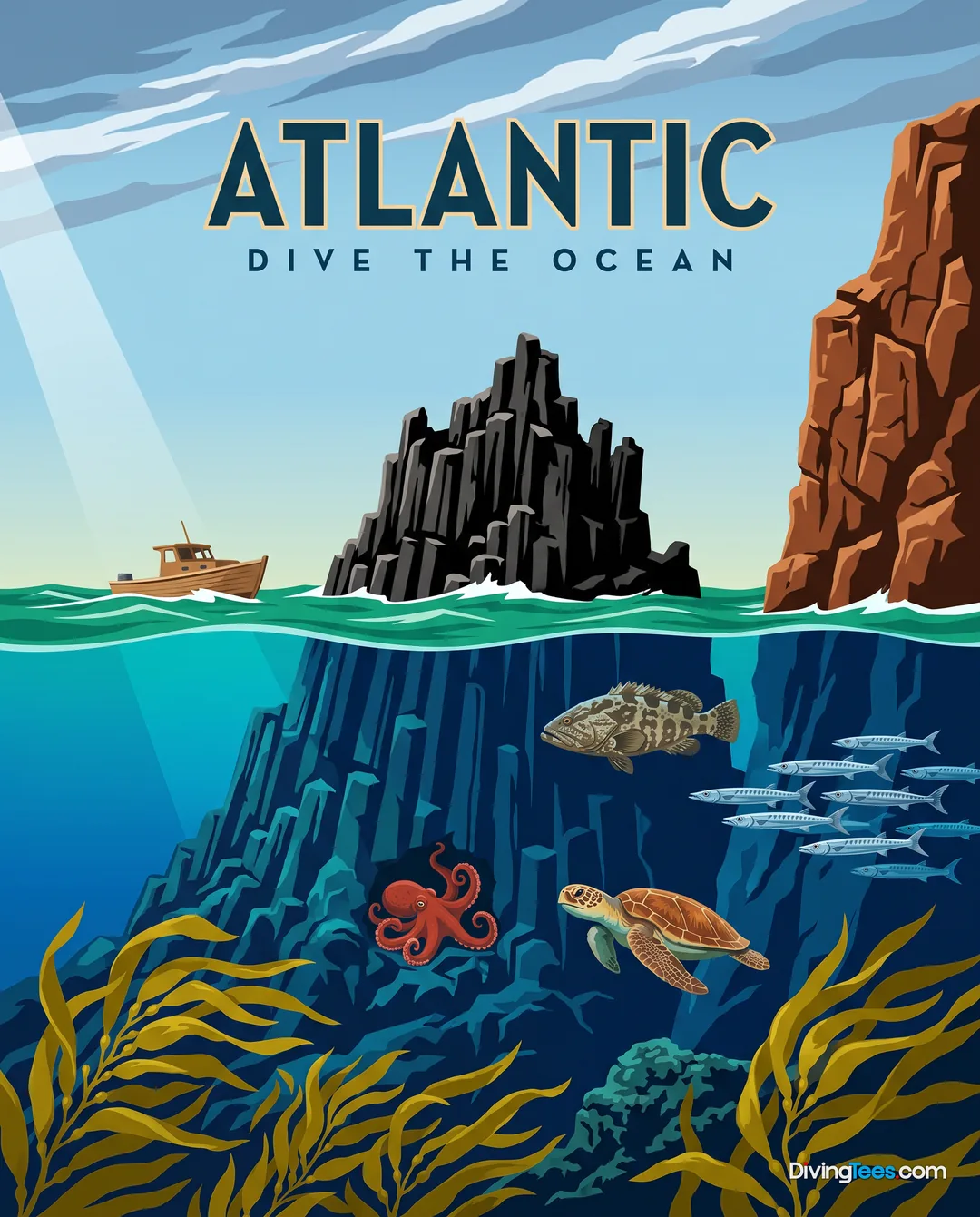
Common octopus is one of the rewarding regular encounters around the rocky ground, often found where the reef breaks into sand or shelter. Bass patrol the temperate reefs, while lobster occupy darker cracks and recesses. White anemones add colour to the rock and harbour-side structures, and the wrecks provide another surface for Atlantic life to settle on. These animals are not tied to a short migration season in the way some warmer-water sightings are, so the reason to choose May to October is primarily the better chance of getting into the water. Allow the weather to decide the site, then spend time looking into holes, beneath ledges and across the junction between rock and sand.
May through October is the practical window for Porto diving because local conditions are generally more settled and visibility more consistent then. That does not turn the coast into a guaranteed-weather destination: swell, surf and coastal run-off can still close exposed sites, particularly around beaches and breakwaters. Summer can bring more people to easy shore sites and sheltered areas, while offshore wrecks depend more on whether a club can run the boat. Plan several diving days rather than filling every day with exposed sites. Porto earns its place as a base because a rough forecast does not leave the whole trip without purpose.
Porto can work for beginners on suitable shallow, sheltered sites, provided the local team chooses conditions carefully. Divers with more experience have greater scope, including offshore rock formations and wrecks affected by exposure and depth. The U-1277 is not a casual extension of a beach dive: it calls for Advanced Open Water or an equivalent qualification, plus experience appropriate to the depth and the day’s conditions. BSAC, PADI and SSI divers should bring their qualification details and discuss the planned wrecks before committing to them.
From London or Manchester, reach Porto and then continue overland to the coast. The diving does not start in the historic centre: departures are generally arranged from Matosinhos, Leça da Palmeira or nearby coastal towns. Urban transport or a taxi can cover Porto to Matosinhos and Leça, while Lavra, Mindelo and Vila do Conde are more practical by road, organised transfer or hire car. Allow for the fact that the coast is spread out, so a single base does not put every site within a short walk. Once at the coast, follow the centre’s arrangement for shore access or the boat departure, rather than assuming the two formats share the same meeting point.
Treat the marine forecast as the day’s main piece of dive planning. Keep exposed wrecks and offshore rocks flexible, and ask what sheltered Matosinhos option can replace them if the swell rises. Do not read a calm beach as proof that the outer sites are usable: conditions offshore can be different. Confirm whether each booking is a shore or boat dive, since the practical limits and entry arrangements change sharply. Leave spare days in the programme, especially if U-1277 or another offshore wreck matters to you. Bring thermal protection suitable for Atlantic diving, and take local instructions seriously at breakwaters and wreck entries, where surge can push a diver towards rock or harbour works. Treat a deep wreck as a properly planned dive, not as an ordinary coastal outing. If the sea closes, use the time for Porto, Matosinhos or Leça da Palmeira rather than forcing a marginal entry.
Stay in Porto, Matosinhos or a neighbouring coastal town, choosing between city life and a shorter start to the diving day. Matosinhos is the practical compromise for access, while Porto gives a fuller cultural and gastronomic stay. A vehicle or arranged transfer becomes useful for northern sites around Lavra, Mindelo and Vila do Conde. Non-divers have the Douro waterfront, Porto’s historic centre, beaches and maritime architecture around Leixões, so the trip remains worthwhile when the swell stops the boats.
Hello, I'm Marina, DivingDeal.com's AI assistant. I guide you through destinations, areas and countries.
Thinking about the whole trip and the flights? Talk it over with Edith →
Marina is an AI. Some links are affiliate links: DivingDeal may earn a commission, at no extra cost to you. Bookings are made with the partner.
May through October is the practical diving window, when conditions are generally more settled and visibility more consistent. Swell, surf and coastal run-off can still close exposed sites, especially near beaches and breakwaters. Plan several diving days and let the marine forecast determine whether you dive offshore, from shore or not at all.
Porto can suit beginners on suitable shallow, sheltered sites when local teams choose conditions carefully. More experienced divers can consider offshore rocks and exposed wrecks. U-1277 requires Advanced Open Water or an equivalent qualification, together with experience appropriate to its depth and the conditions. Discuss planned wrecks with the dive centre before booking.
Diving in Porto includes temperate Atlantic rock reefs, sandy patches, harbour walls and wrecks such as U-1277, Tiber, Batelão and Navio do Norte. Common octopus shelter around rocky ground, while bass, lobster and white anemones add life to reefs, cracks, ledges, harbour structures and wreck surfaces.
Stay in Porto, Matosinhos or a nearby coastal town, choosing between city life and shorter access to the coast. Confirm whether each dive leaves from shore or by boat, and keep offshore plans flexible. Allow spare days for swell, use organised transfers or a vehicle for northern sites, and bring suitable thermal protection.