
The Craft House
★★★★
★ 9.7/10 (204 reviews)
103 km away as the crow flies
United Kingdom · Atlantic
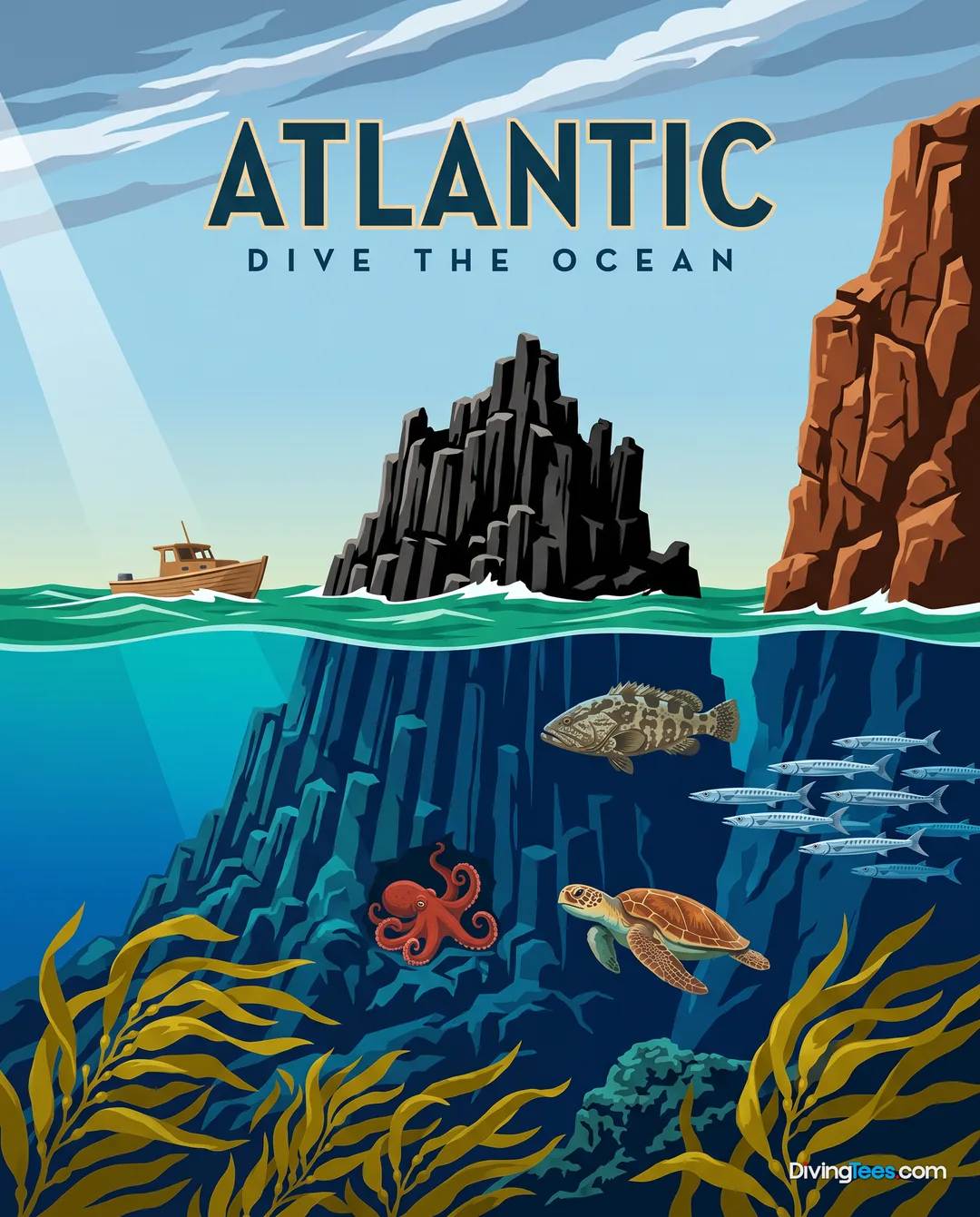
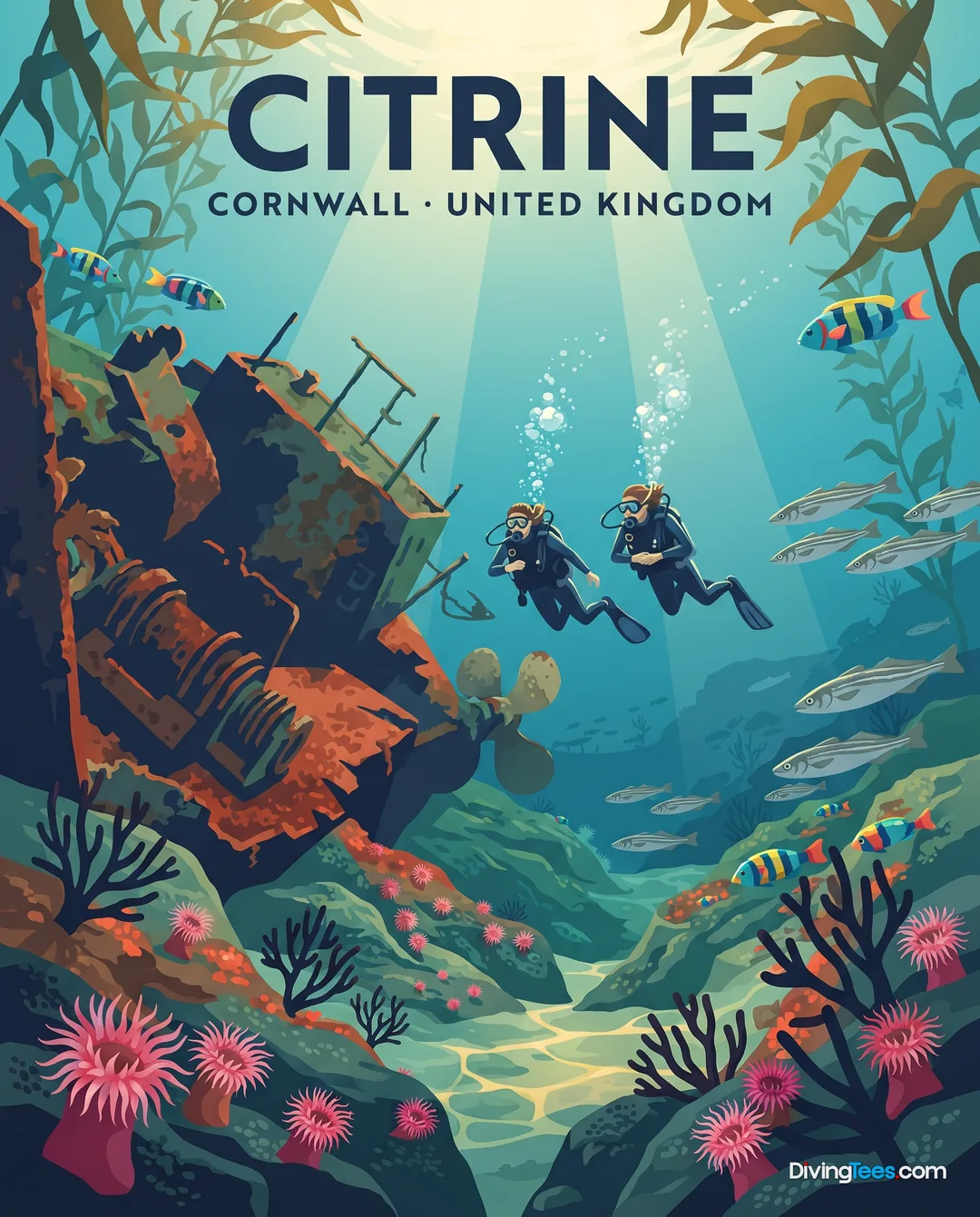
Granite pinnacles, dense kelp forests, and deep wrecks like the HMS Scylla emerge from the cold Atlantic waters of the southwest peninsula.
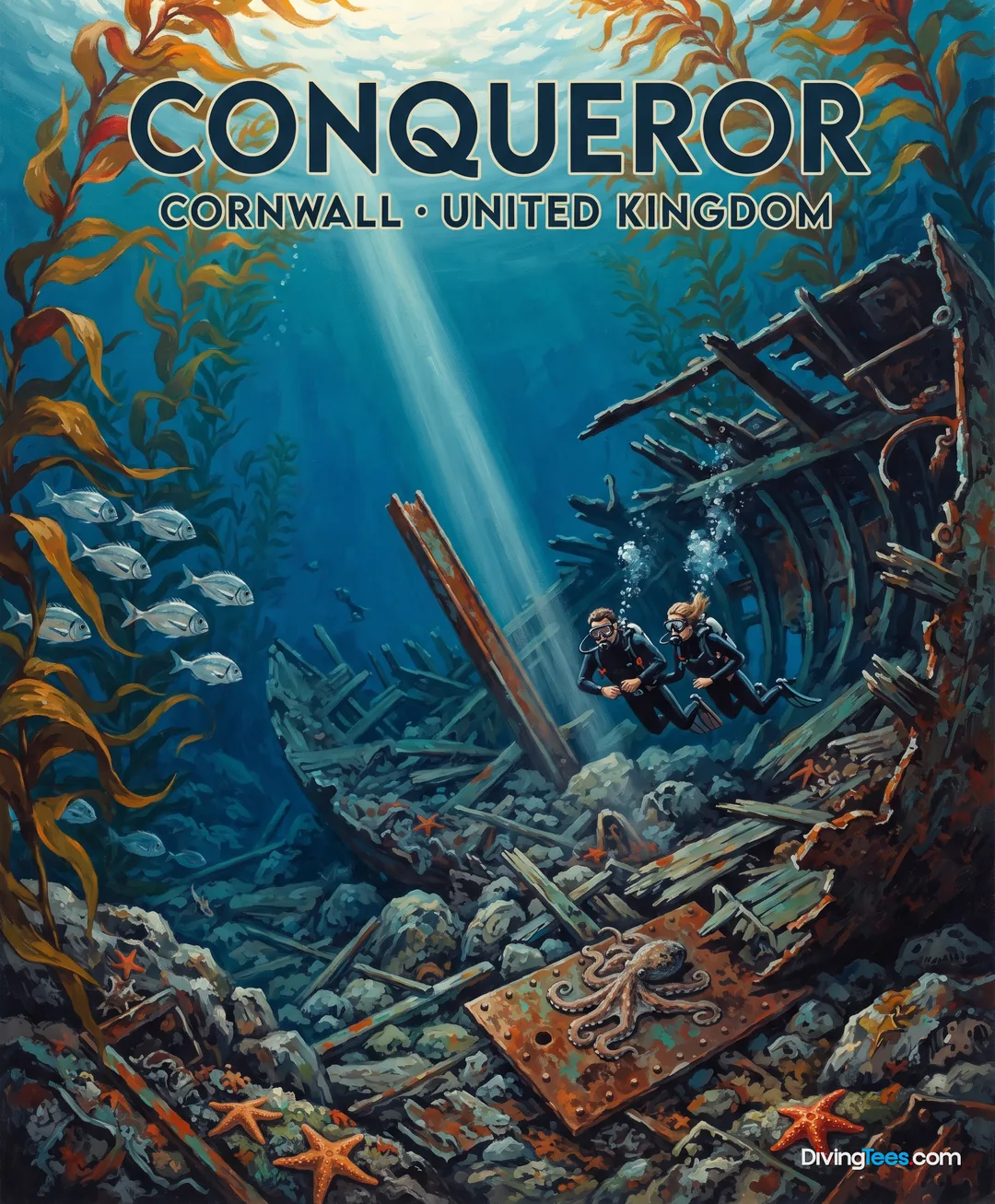
Cornwall is a premier destination for divers seeking the raw character of the British Atlantic. The coastline is defined by a high density of historic shipwrecks and rugged granite reefs that provide complex habitats for marine life. Whether exploring sheltered bays or venturing to offshore sites, the region offers a profound sense of maritime history combined with the wild, untamed beauty of cold-water kelp ecosystems.
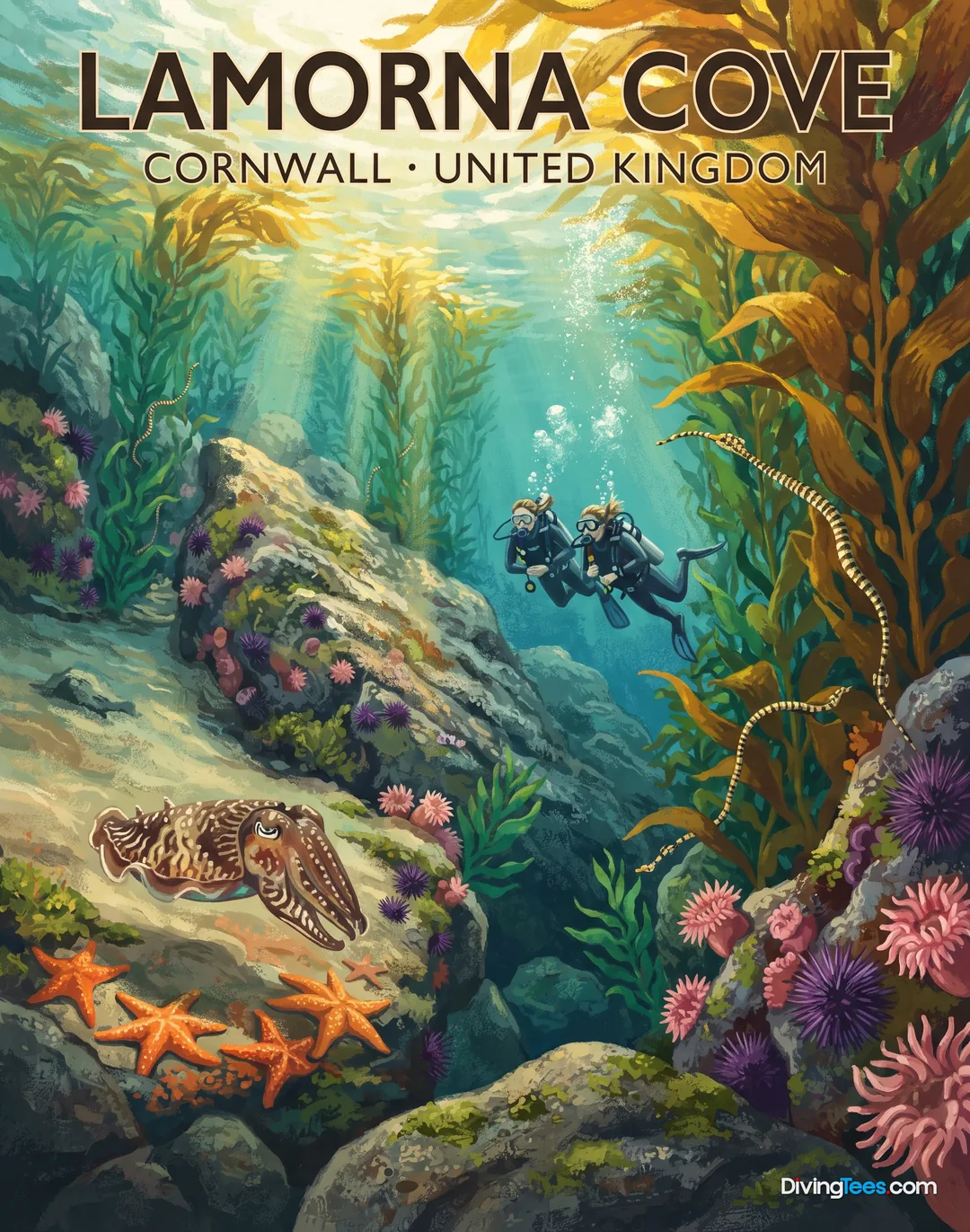
Diving in Cornwall is a dynamic experience shaped by the Atlantic swell. The topography ranges from easy shore entries in protected rias and coves to demanding boat trips targeting offshore reefs. You will encounter granite walls, deep pinnacles, and extensive kelp-fringed slopes. Visibility typically stays between 8 and 12 metres, though it can exceed 20 metres on settled summer days. Currents can be significant, particularly around major landmarks like the Manacles or Runnel Stone, requiring careful tidal planning and experience with surge and tidal flow.
The marine life is characteristic of the North Atlantic. Grey seals are a regular presence, often seen near reefs and haul-out sites. During the warmer months from May to September, the waters may host basking sharks and the occasional ocean sunfish. Small cetaceans, such as dolphins, are also reported in coastal waters throughout the spring and summer. The reefs and wrecks themselves are teeming with invertebrates and fish species that thrive in the nutrient-rich, cool currents.
While diving is possible year-round, the window from July to October is often the most rewarding. During these months, the water reaches its seasonal warmth and the spring plankton blooms have typically cleared, leading to improved visibility and calmer seas. Spring can be more unpredictable, with unsettled weather and reduced visibility due to plankton activity.
This is a destination for divers comfortable with cold-water environments. While shore dives in sheltered bays are accessible to many, the iconic wreck and reef sites often sit in the 20–30 metre range. An Advanced specialty is highly recommended for wreck penetration and navigating deeper topography. Dry suit proficiency is essential for comfort, and Nitrox is a practical advantage for repetitive diving.
Reaching Cornwall involves travelling overland via road or rail from major UK hubs like London or Manchester. Once in the county, the landscape is defined by narrow, winding rural roads that can make coastal journeys slower than expected. Divers typically base themselves in coastal towns like Falmouth, Newquay, or St Ives. If planning to visit the Isles of Scilly, an additional leg via ferry or domestic flight from the mainland is required.
Strategic planning is vital because the Atlantic weather can change rapidly. Always have a backup plan; if the north coast is blown out by heavy swell, the south coast may remain sheltered and diveable. When targeting offshore sites like the Manacles, treat them as serious technical outings rather than casual reef dives; these locations require precise tidal windows. If you are looking for pelagic species like basking sharks, aim for settled weather in late summer and focus on offshore boat routes rather than shore-based sightings. Finally, be strictly observant of Marine Conservation Zone regulations—avoid touching soft corals or disturbing the seabed, as these habitats are actively monitored and highly valued.
A stay of 7 to 10 days is ideal. This duration allows you to account for weather-contingency days and provides enough time to explore different hubs, such as moving between the Lizard and St Ives. Basing yourself near a dedicated dive hub like Porthkerris can simplify logistics, allowing for a mix of easy shore dives and short boat runs without excessive driving.
Hello, I'm Marina, DivingDeal.com's AI assistant. I guide you through destinations, areas and countries.

Thinking about the whole trip and the flights? Talk it over with Edith →
Marina is an AI. Some links are affiliate links: DivingDeal may earn a commission, at no extra cost to you. Bookings are made with the partner.