
The Diving Centre Ltd
Google 4.8/5 (196 reviews)
United Kingdom · Atlantic
Cold-water wrecks along the North East coast, plus Capernwray’s aircraft, helicopters and minesweeper in clear freshwater down to 24 metres.
For subtitles in English: start the video firstthen click the gearat the top right of the video, select “Subtitles/CC”, then “Auto-translate” and choose “English”.
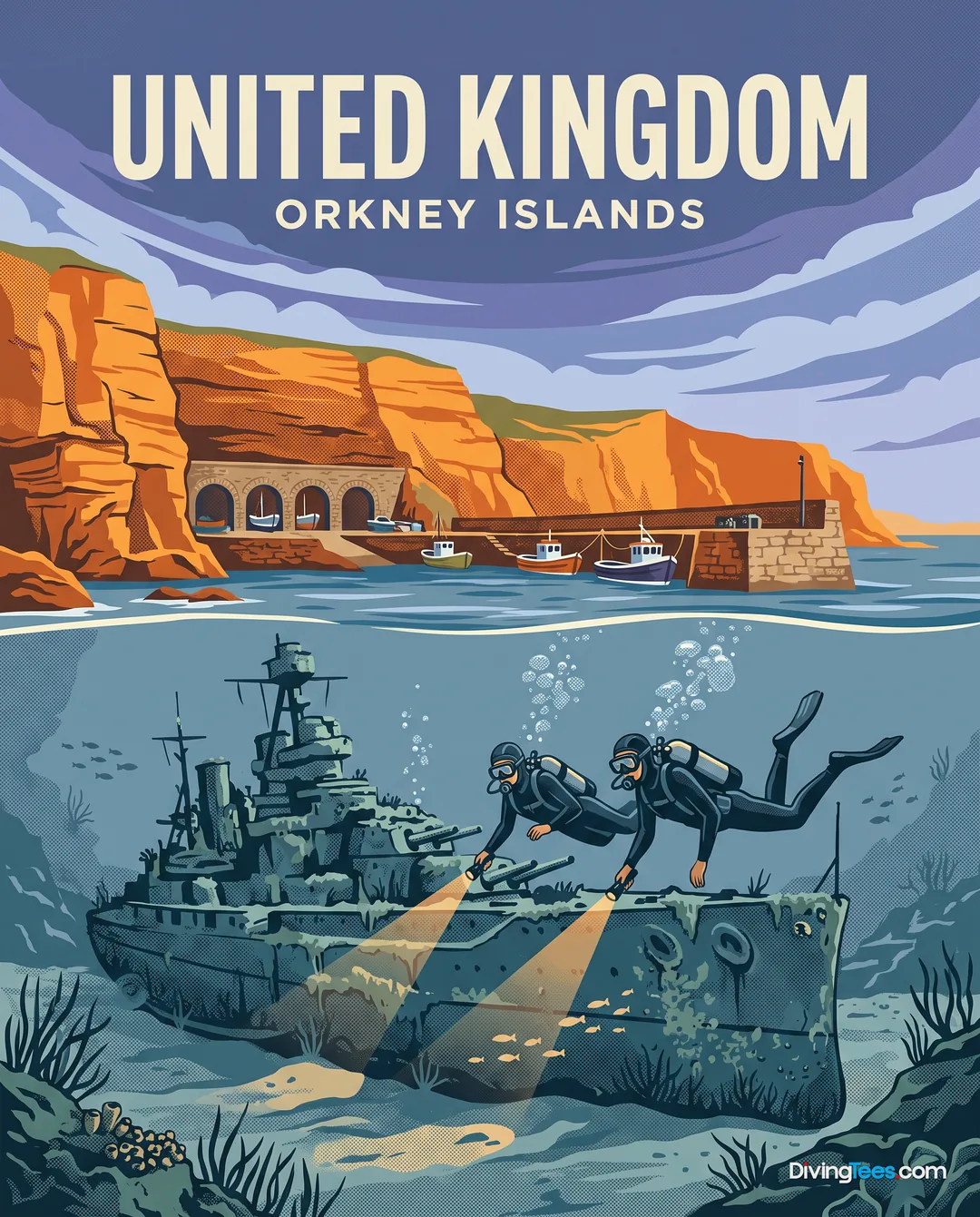
Capernwray’s submerged aircraft, helicopters and minesweeper show the practical character of diving around Newcastle upon Tyne: this is a base for cold-water exploration rather than a reef resort. The city provides an urban place to stay while clubs and boats head for the nearby North East coast, where wrecks and shore sites depend on the weather. Capernwray adds a steadier freshwater option, with diving to 24 metres and no current, useful for training or for salvaging a day when the coast is unworkable.
The main attraction is the North East coastline and its wreck diving, not a single underwater landscape at the city waterfront. Conditions vary with the weather and the sea, so coastal outings may involve changing current and visibility affected by water movement, plankton and runoff. Cold-water preparation matters more here than tropical-style equipment choices, and a dry suit is the sensible foundation for regular diving. At Capernwray, the character changes completely: the former limestone quarry offers stable freshwater diving, generally good visibility and no current. Divers can work around the submerged aircraft, helicopters and minesweeper, practising navigation, buoyancy and controlled ascents at depths reaching 24 metres. That contrast makes the area workable for both purposeful training and more adventurous wreck days, provided the plan leaves room for cancellations.
There is no strong seasonal wildlife theme attached to this destination. The underwater interest lies in the physical remains of wrecks and in Capernwray’s deliberately placed attractions rather than in a particular animal encounter. In the quarry, divers spend their time examining the aircraft, helicopters and minesweeper, following their outlines and using the structures as navigation references. Along the coast, the emphasis remains on wreck exploration in cold water, with the experience shaped more by sea conditions and visibility than by a scheduled wildlife appearance. April to September offers the calmer coastal window, but it should be understood as a planning advantage rather than a promise of seasonal fauna.
The most useful period is April to September, when the sea is generally at its calmest for coastal and wreck outings. That window matters because local diving is closely tied to weather and sea state, and a missed boat or shore session may not be easy to replace the following day. Visibility is not fixed: water movement, plankton and runoff can all affect what is seen. Capernwray is less exposed to those coastal interruptions and offers generally good visibility year-round, making it a practical fallback outside the calmer coastal months.
The destination can suit all levels, particularly at Capernwray, where the lack of current and maximum depth of 24 metres support entry-level training as well as uncomplicated exploration. Coastal wreck diving demands more judgement in cold water, changing conditions and variable current. PADI, SSI and BSAC qualifications can all provide a suitable starting point, but divers should be comfortable with the equipment and procedures their training requires. A dry-suit qualification and real cold-water experience are especially useful; wreck training becomes important as the dives become more involved.
From London, the practical starting points are Heathrow or Gatwick; Manchester is another straightforward UK departure option. Newcastle upon Tyne can be reached by train, road or an internal or European flight, after which the diving still requires a road journey to the coast, launch points or boats. There is no defining ferry crossing from the city, but the final transfer is part of the dive plan rather than an afterthought. At Newcastle itself, getting to the relevant departure point normally means a car, taxi or transport arranged through the local diving organisation. Anyone travelling with a full cold-water kit should allow time for transfers and avoid assuming that every shore or boat departure is within walking distance of the city centre.
Put the first planned sea dive early in the stay, then keep a spare day for weather. A three- to five-day visit gives the North East coast a better chance of fitting around the sea than a tightly packed weekend. Bring, or reserve in advance, a complete cold-water setup centred on a dry suit; this is not a destination where lightweight tropical rental assumptions make much sense. Check that wreck plans match current experience in cold water rather than relying on an equivalent qualification alone. Keep Capernwray in mind as a useful alternative when coastal conditions close the boats or shore sites. Newcastle is best treated as the accommodation and transport base, not as a beach resort, so place convenience of the outward journey ahead of waterfront expectations. Leave room for the drive to the coast and do not plan a demanding mountain or fatigue-heavy activity immediately before flying home.
A three- to five-day stay allows diving to be placed around the sea rather than forcing every day into the programme. Coastal wreck outings can be combined with a Capernwray day when a steadier freshwater session is useful. Newcastle works well for a mixed group: divers can travel out to the coast while a non-diving companion has the city and the Tyne to explore. If the sea closes, a coastal walk or an urban day provides a sensible alternative without pretending the area offers tropical resort diving.
Hello, I'm Marina, DivingDeal.com's AI assistant. I guide you through destinations, areas and countries.
Thinking about the whole trip and the flights? Talk it over with Edith →
Marina is an AI. Some links are affiliate links: DivingDeal may earn a commission, at no extra cost to you. Bookings are made with the partner.
Your last day stays dry: no diving in the 18-24 hours before a flight, the perfect window to see the destination from another angle.
 Culture
⏱ 2 h · ★ 5.0 (12 reviews)
from £30$39€35
see on Viator ↗
 Culture
⏱ 4 h · ★ 5.0 (12 reviews)
from £142$190€170
see on Viator ↗
 Nature
⏱ 1 h
from £16$22€19
see on Viator ↗
Ratings and reviews collected by Viator and Tripadvisor.
April to September generally brings the calmest sea conditions for coastal and wreck outings. Weather can still affect boats and shore sessions, while visibility may change with water movement, plankton and runoff. Capernwray offers generally good visibility and no current, making it a useful freshwater alternative when the coast is unsuitable.
Newcastle upon Tyne can suit different experience levels, especially at Capernwray, where there is no current and diving reaches 24 metres. Coastal wrecks require more judgement in cold water, changing conditions and variable current. A dry-suit qualification, genuine cold-water experience and suitable wreck training become increasingly important as dives become more involved.
Diving around Newcastle upon Tyne focuses on cold-water wrecks along the North East coast rather than reef scenery or scheduled wildlife encounters. At Capernwray, you can explore submerged aircraft, helicopters and a minesweeper in freshwater, using these structures for navigation practice while examining their outlines in generally good visibility.
Treat Newcastle upon Tyne as an accommodation and transport base for coastal departures and Capernwray. Plan the first sea dive early, allow a spare day for weather, and consider a three- to five-day visit. Bring or reserve a complete dry-suit setup, allow time for road transfers, and keep Capernwray available when coastal diving is disrupted.