
The Craft House
★★★★
Google 5/5 (194 reviews)
130 km away as the crow flies
Cornwall · United Kingdom · Atlantic
Max. depth · 25 mExplore a sheltered granite harbour where dense kelp forests thrive over shallow reefs and sandy inlets.
For subtitles in English: start the video firstthen click the gearat the top right of the video, select “Subtitles/CC”, then “Auto-translate” and choose “English”.
Lamorna Cove presents a unique topography for diving in Cornwall, defined by a small harbour that opens into a sheltered inlet. The seabed transitions from sandy and pebble-strewn areas within the immediate cove to rugged granite boulders covered in thick kelp. As you move away from the harbour wall, the environment shifts toward more structured rocky reefs. These granite formations create a complex landscape of ridges, boulder fields, and sand channels. The site's orientation provides a mix of sheltered zones and more exposed areas depending on your distance from the cove's entrance.
The dive profile typically begins in the shallower sections, with much of the interesting kelp forest life found between 5 and 9 metres. For those looking to go deeper, the central part of the cove drops toward 20 metres, where the granite reef becomes more prominent. Near the outer edges, such as the areas around Logan’s Gully, the reef can drop toward 25 or 30 metres. Most recreational dives, however, stay within the inner cove and the immediate kelp canopy. This depth range allows for a variety of profiles, from easy, shallow explorations to more structured reef descents.
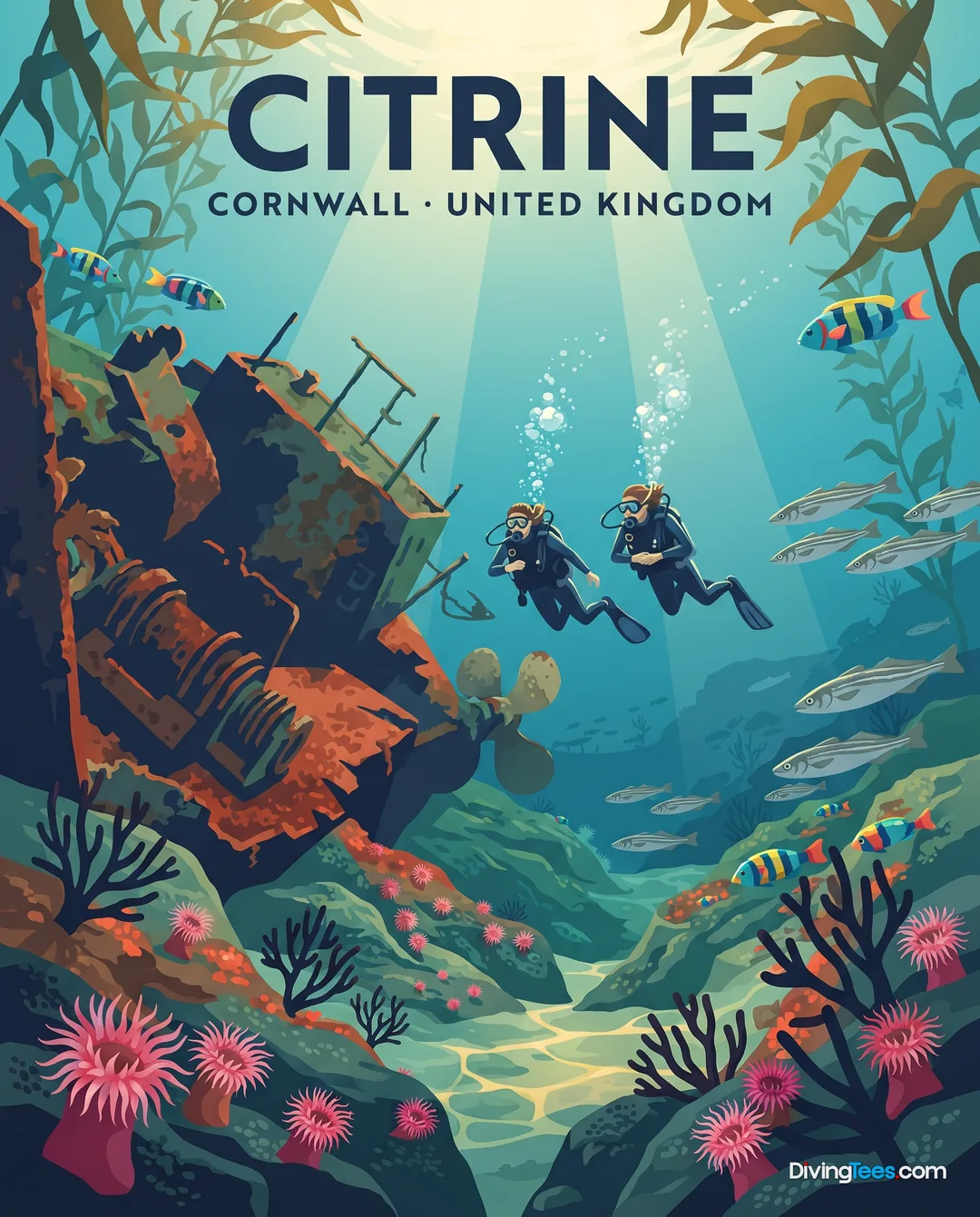
Navigating the kelp forests is a central part of the experience at Lamorna. The kelp provides a dense, canopy-like structure that changes the way light filters down to the seabed. In the shallower zones, the movement of the kelp blades is often dictated by surface surge rather than strong currents. This environment creates numerous hiding spots and micro-habitats within the granite crevices. Managing your buoyancy is essential here to avoid contact with the delicate holdfasts or getting caught in the swaying fronds. The density of the forest makes it an ideal location for night diving when the life within the canopy becomes more active.
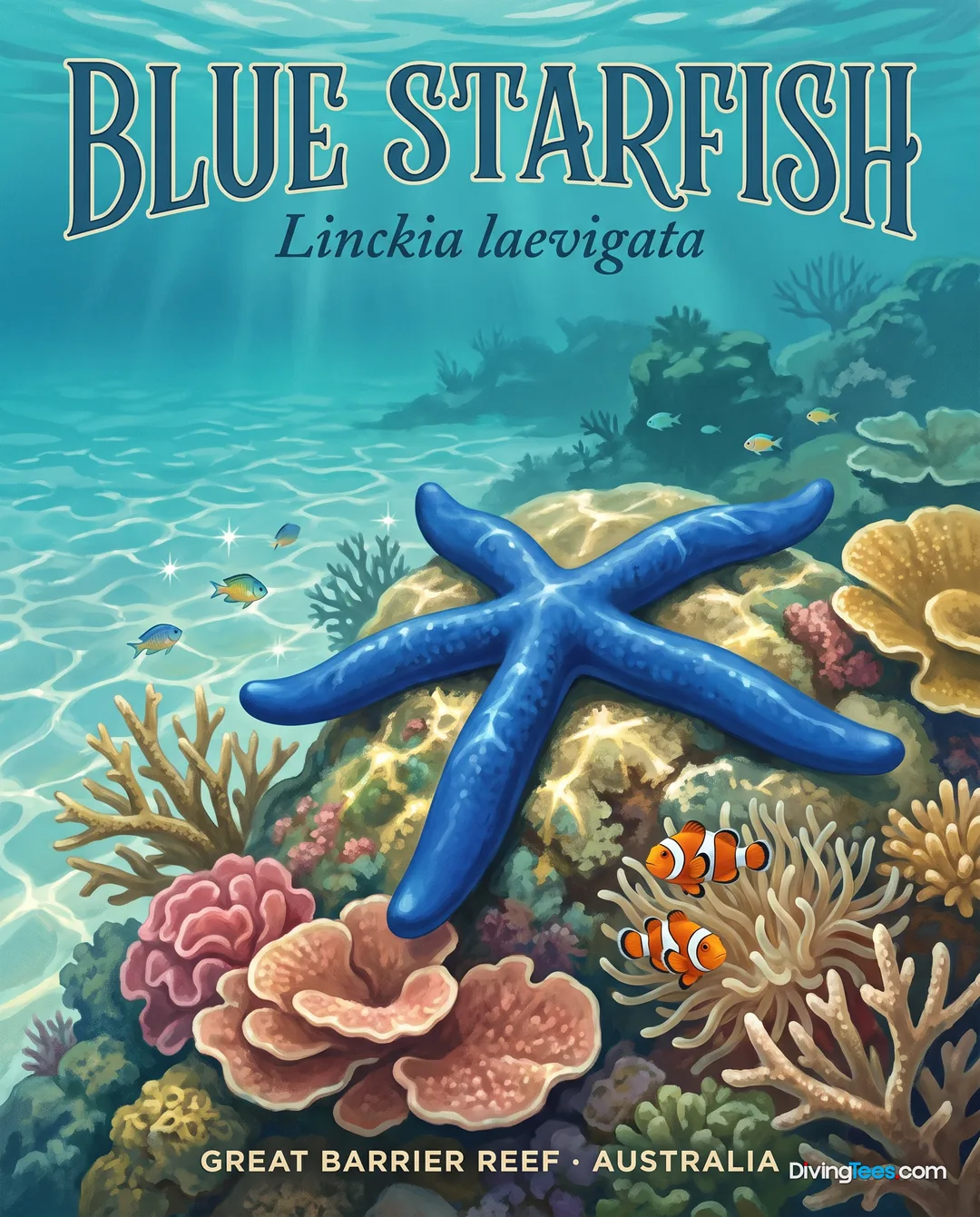
The marine life at Lamorna is heavily concentrated within these kelp-covered rocky areas. You will frequently encounter cuttlefish moving through the shadows of the boulders and pipefish camouflaged among the vegetation. The granite surfaces are often populated by sea urchins and various anemones that thrive in the structured reef environment. Starfish are also common residents of the rocky outcrops. These species are part of a stable ecosystem that relies on the shelter provided by the cove's unique geography and the nutrient-rich waters of the Cornish coast.
Current conditions inside the sheltered harbour and the inner cove are generally light, making it a reliable site for training or easy shore dives. However, the site's character changes significantly as you venture toward the more exposed reefs and gullies like Logan’s Gully. In these outer areas, tidal streams and swell-driven flow can become much more energetic. It is important to recognize the transition between the calm harbour waters and the more demanding conditions outside the shelter. A diver's ability to manage these shifts in water movement is key to a safe and successful dive.
Accessing Lamorna Cove is primarily done via a shore dive from the slipway or the small pebble and sand beach inside the harbour. This easy entry makes it an accessible site for those who prefer not to use a boat. For divers looking to reach the more offshore reef structures, the cove also serves as a functional boat launching base. Boats typically anchor or tie up to the harbour wall to provide access to the deeper sections. This dual access allows the site to serve both local shore divers and those looking for a more traditional reef dive.
The seasonality of the site plays a role in the diving experience, particularly regarding water temperature and sea state. Late spring to early autumn offers the most comfortable temperatures and generally calmer seas for entry. During these months, the visibility often reaches between 8 and 12 metres, providing clear views through the kelp canopy. Night diving is frequently highlighted during the late summer months when the visibility and conditions are most stable. Planning your dive around the tidal cycle will help you navigate the difference between the calm inner cove and the stronger currents outside.
Depths range from 0 to 25 metres. The site is accessible from Open Water Diver level, though an Advanced certification is recommended for the deeper or more exposed reef sections. Within the inner cove, currents are light, but tidal streams can become stronger on the more exposed outer reefs. Expected visibility is between 8 and 12 metres. The best period for diving is from late spring to early autumn.
The best period for diving Lamorna Cove is from late spring to early autumn, when temperatures are more comfortable and seas are generally calmer for entry. Visibility often reaches between 8 and 12 metres during this period. Late summer is frequently highlighted for night diving, when visibility and conditions are more stable.
Lamorna Cove is accessible from Open Water Diver level, with Advanced certification recommended for deeper or more exposed reef sections. Depths range from 0 to 25 metres. Kelp forest life is concentrated between 5 and 9 metres, while the central cove drops toward 20 metres and outer reefs toward 25 metres.
Inside the sheltered harbour and inner cove at Lamorna Cove, currents are generally light, supporting training and easy shore dives. Tidal streams and swell-driven flow can become more energetic around exposed outer reefs and gullies such as Logan’s Gully. Planning around the tidal cycle helps you manage the change between sheltered and exposed areas.
At Lamorna Cove, you can explore extensive kelp forests over granite boulders, ridges, rocky outcrops, and sand channels. Cuttlefish move through the boulder shadows, while pipefish camouflage among vegetation. You may also see sea urchins, anemones, and starfish. The dense kelp canopy creates hiding places and supports night diving.