RAID
In Deep Dive Centre
Google 4.8/5 (180 reviews)
United Kingdom · Atlantic
The HMS Scylla, James Egan Layne, rocky reefs and kelp forests give Plymouth diving a distinctly British blend of wrecks and temperate habitats.
For subtitles in English: start the video firstthen click the gearat the top right of the video, select “Subtitles/CC”, then “Auto-translate” and choose “English”.
HMS Scylla lies in Plymouth Sound, while James Egan Layne offers another firmly established piece of British wreck diving. Around them, rocky reefs, kelp forests, seagrass beds and sheltered coastal water give the destination more range than a straightforward wreck trip. Plymouth suits divers who want a land-based base, the option of shore diving, and boat access to deeper wrecks offshore. It also suits mixed groups, since the city offers maritime history, a waterfront and inland excursions when diving is weather-bound.
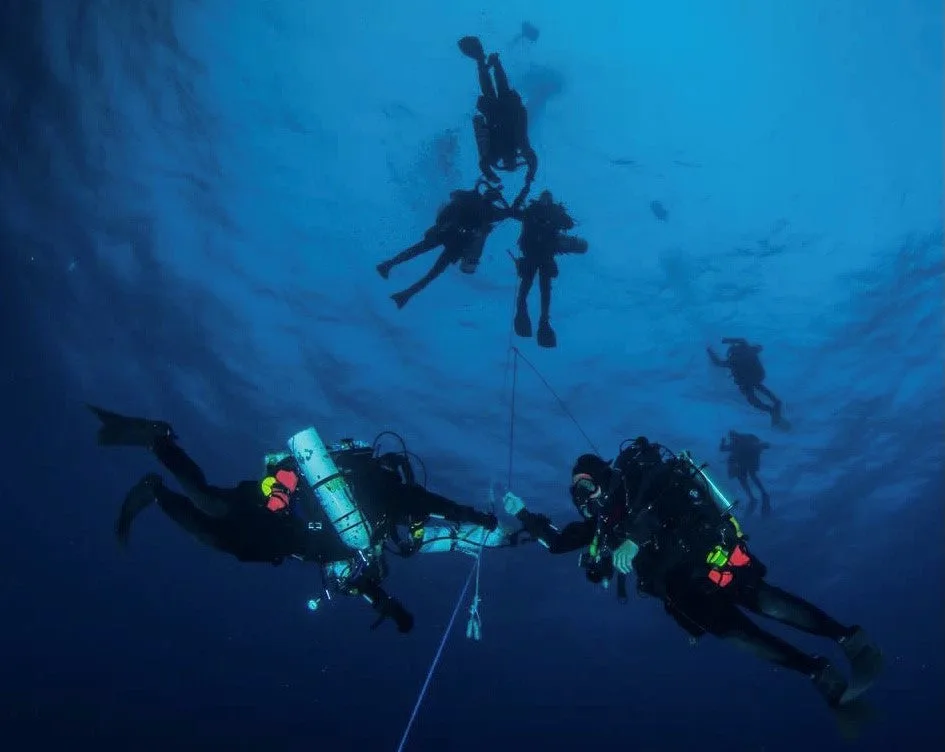
Plymouth diving moves between shore entries, sheltered water, semi-rigid boat trips, rocky reefs and wrecks offshore. Depths range from shallow coastal sites to more than 80 metres, so the same harbour area can serve a first sea dive or a serious deep-wreck plan. Tides are central rather than incidental. Battery Buoy, Devil's Point, Millbay Pit and Mallard Shoal can be strongly affected by current, and the useful window is often around high water or precisely at high-water slack. Visibility changes with tide, runoff, wind and swell, with inshore conditions sometimes modest and offshore sites capable of much greater clarity. The Sound is also a working harbour, not an empty playground. Channels, anchorages, naval installations and moving traffic make local coordination part of the dive plan, especially for anyone entering from the shore or using a private boat.
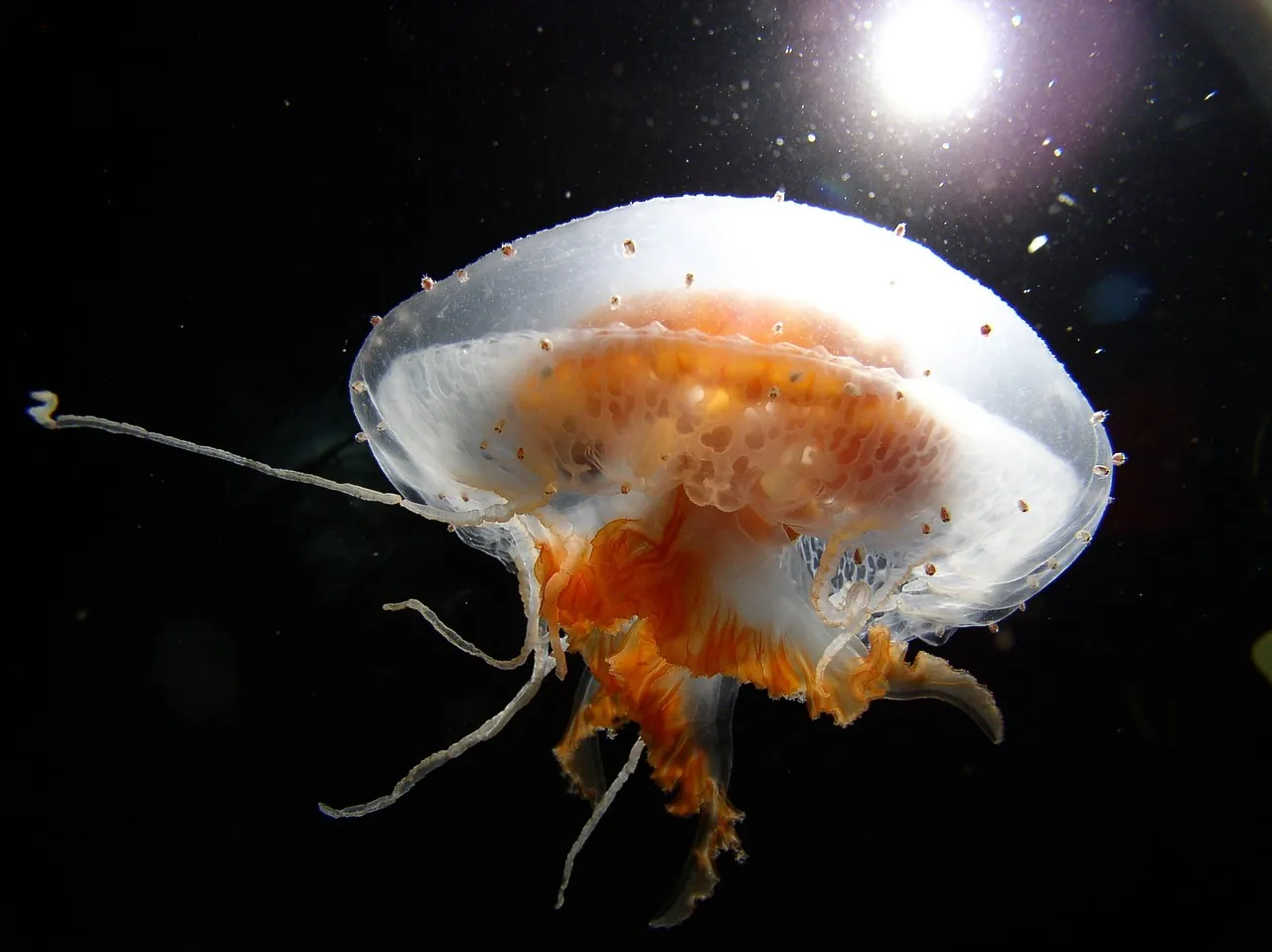
The underwater character here comes from temperate habitats rather than coral. Rocky reefs carry kelp forests, while seagrass beds and salt marshes form part of the wider Plymouth Sound and Tamar estuary environment. Wrecks add a different surface to inspect, with the HMS Scylla and James Egan Layne providing enclosed structure, exposed metal and changing light as the dive progresses. Offshore wrecks bring deeper, more committed profiles, whereas sheltered sites allow more time to look closely at rock, weed and the edges of the harbour environment. Conditions can alter what is easiest to see: tidal movement, runoff, wind and swell all affect visibility. Plymouth is therefore about examining habitat and wreck structure, not arriving with expectations of tropical reef species.
Plymouth can be dived throughout the year. The practical advantage of a longer season is flexibility: when wind or swell prevents an offshore wreck trip, the Sound and shore sites may still provide a workable alternative. Tides matter in every season, and they can outweigh the calendar when choosing between an exposed reef, a coastal wreck and sheltered water. Weekends and well-known sites may feel busier, while weekday diving and less familiar offshore locations usually spread divers more thinly. Build the trip around conditions and tide tables rather than a rigid seasonal promise, with a spare day for weather-related changes.
Plymouth works for all levels, provided the site matches the diver rather than the other way round. Shallow shore dives and sheltered water can suit training, including BSAC, PADI and SSI programmes. The HMS Scylla and James Egan Layne need proper wreck preparation, sound navigation and an honest assessment of depth and overhead risk if penetration is considered. Deeper offshore wrecks call for Advanced or equivalent experience, while wreck training is appropriate for penetrable sites. Nitrox can be useful for a planned series of wreck dives when training and dive planning support it.
From LHR or LGW, allow a substantial ground journey to Plymouth by road or train. Manchester is another practical starting point, also followed by surface travel rather than a direct arrival in the city by air. From European departure points, the journey commonly takes a full travel day once the flight and onward connection are combined, with more time needed where connections do not line up neatly. Plymouth is a land-based port destination, so arrange the journey to the city separately from the diving. Central accommodation may put you within walking distance or a short local trip of a boat base, but sites and launch points outside the centre often call for a car or taxi.
The first local question is not simply where to dive, but which tide suits that site. Have the day and timing checked locally for Battery Buoy, Devil's Point, Millbay Pit and Mallard Shoal, rather than copying one Plymouth Sound tide time across the map. If diving independently, follow the Longroom procedure before entering the water, carry reliable maritime communication and stay clear of channels, anchorages and the 150-metre exclusion zones around military vessels and relevant installations. Keep an offshore day free as weather insurance, because the Sound gives you better fallback options than a fixed wreck-only schedule. Start with sheltered water or a suitable coastal wreck before committing to a deep offshore site. Treat HMS Scylla and James Egan Layne as real wreck dives: plan orientation, depth, gas and any penetration properly. Do not assume a shallow site and an 80-metre wreck demand the same experience.
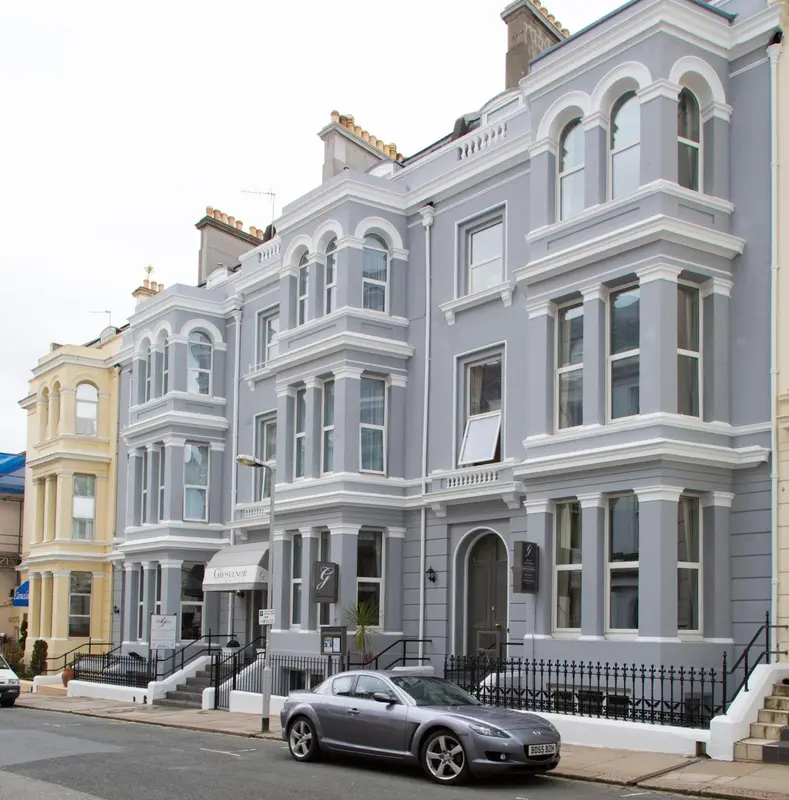
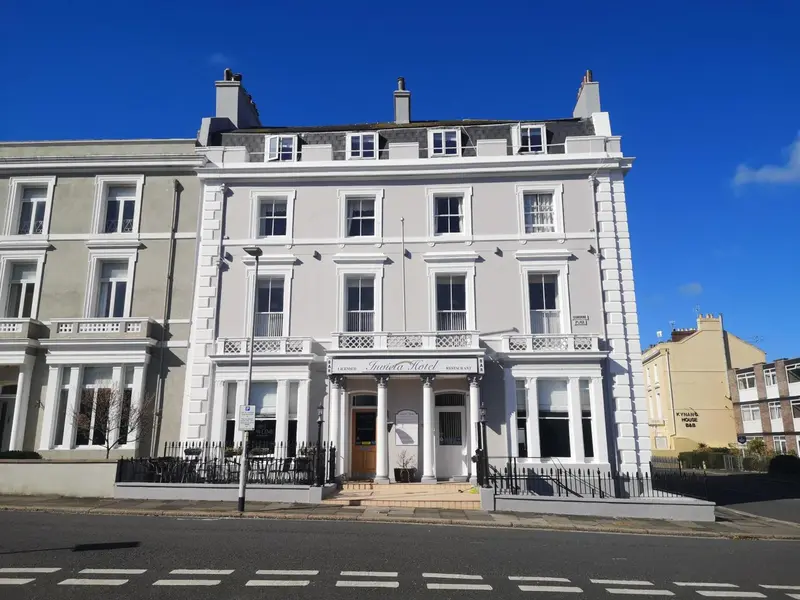
Allow four to seven days so the stay can absorb a weather change and still include shore diving, Sound sites, local wrecks and a more distant boat trip. Staying in central Plymouth can simplify evenings and give non-divers access to the Hoe, waterfront and naval heritage. Bases outside the centre may be more convenient for particular launch points, but a car or taxi is often needed. Keep one day for a land excursion or coastal walk, and avoid making a new dive the final activity before flying.
Hello, I'm Marina, DivingDeal.com's AI assistant. I guide you through destinations, areas and countries.
Thinking about the whole trip and the flights? Talk it over with Edith →
Marina is an AI. Some links are affiliate links: DivingDeal may earn a commission, at no extra cost to you. Bookings are made with the partner.
You can dive Plymouth throughout the year, but conditions and tides should shape your timing. Wind or swell may prevent offshore wreck trips, while the Sound and shore sites can offer alternatives. Build flexibility into your stay, check tide tables locally, and keep a spare day for weather changes.
Plymouth suits all levels when you match the site to your experience. Shallow shore dives and sheltered water can support training, while HMS Scylla and James Egan Layne require wreck preparation, navigation and careful depth assessment. Deeper offshore wrecks need Advanced or equivalent experience, and penetration requires appropriate wreck training.
You can explore British wrecks including HMS Scylla and James Egan Layne, alongside rocky reefs, kelp forests and seagrass beds. Sheltered coastal sites offer close views of temperate habitats, while offshore wrecks provide deeper profiles, exposed metal and changing light. Visibility varies with tide, runoff, wind and swell.
Plan Plymouth as a land-based trip, arranging travel to the city separately from diving. Central accommodation can simplify access to boat bases and evenings, while outer launch points may require a car or taxi. Allow several days for weather changes, include shore and boat options, and reserve time for a land excursion.