Caribbean
British Virgin Islands: private islands and island-hopping
The British Virgin Islands pair Peter Island and RMS Rhone with Road Town’s colonial history and Virgin Gorda’s granite landscape.
What makes this country unique
- Peter Island’s year-round boat diving
- RMS Rhone and Mountain Point
- Road Town’s forts and sugar history
- The Baths on Virgin Gorda
- Anegada lobster and lagoon flamingos
- Fish and fungi in Tortola
- Great Harbour and Jost Van Dyke evenings
For subtitles in English: start the video firstthen click the gearat the top right of the video, select “Subtitles/CC”, then “Auto-translate” and choose “English”.
This country for a diver
The British Virgin Islands are a boating destination before they are a conventional single-island dive resort. The territory’s broken geography puts short sea passages, anchorages and island-hopping at the centre of a trip, with boat diving and variable current shared across the diving experience. Peter Island supplies the main year-round diving focus, while the wider territory adds distinct landscapes and shore cultures rather than one uniform coastline. Mountain Point, The Aquarium and RMS Rhone give a Peter Island itinerary recognisable anchors without reducing the country to a single reef system.
How the country divides
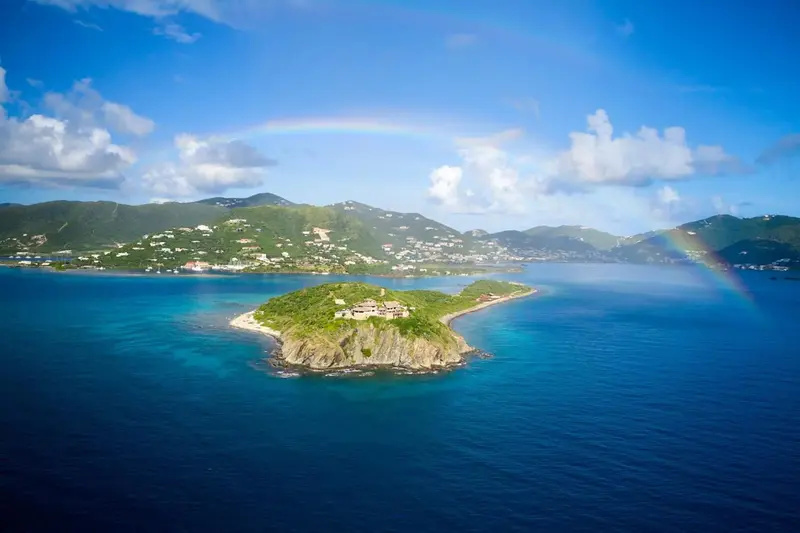
For diving, Peter Island is the country’s clearest organising area: a private, lightly developed island where resort life, sheltered nautical movement and boat departures shape the stay. Its appeal is practical as well as scenic, particularly for divers who prefer a settled base rather than changing hotels between every island. Cooper Island has a different role. It is a small private island centred on a resort, bay and nautical stop, with Markoe Point as its named diving reference, so it suits a trip built around cruising and organised access rather than village life. Beyond these diving bases, the country divides culturally into contrasting islands. Tortola is the administrative and urban centre, Virgin Gorda brings granite and mining history, Anegada is low and coral, and Jost Van Dyke is more closely tied to beach bars and social sailing. Choosing Peter Island means prioritising diving structure; choosing Tortola or another inhabited island gives more independent land-based exploring.
Diving destinations
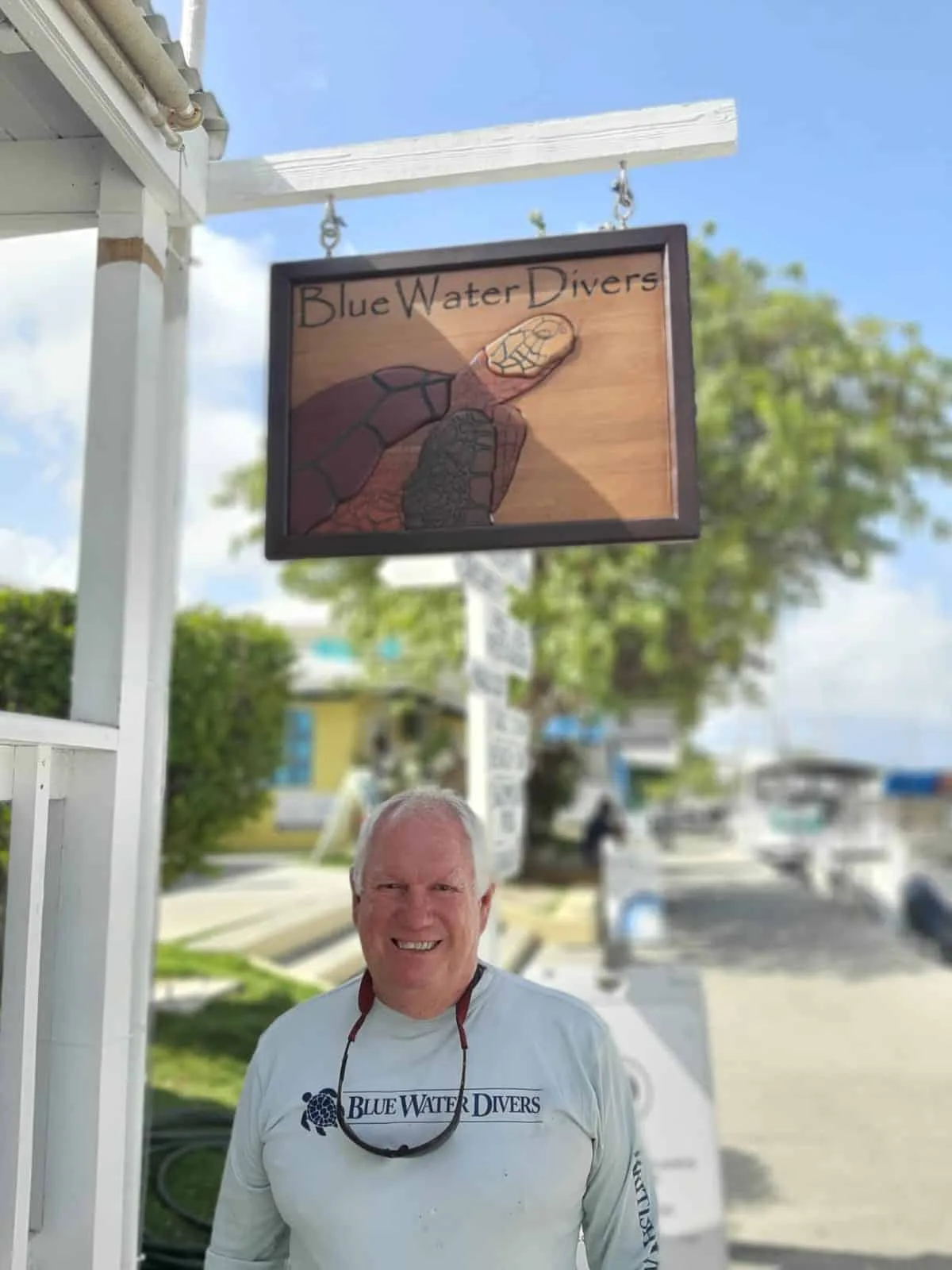
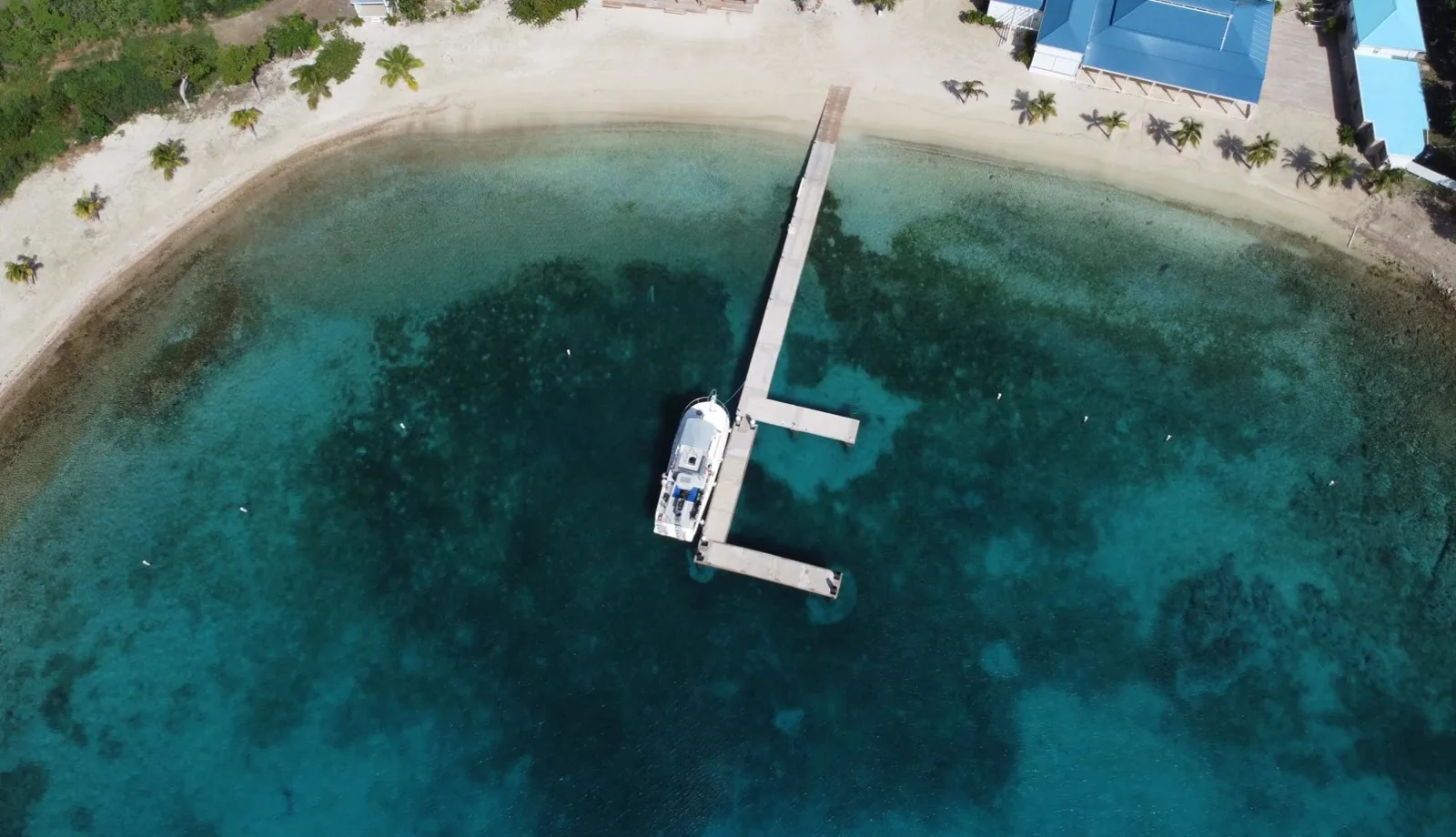
Dive centres

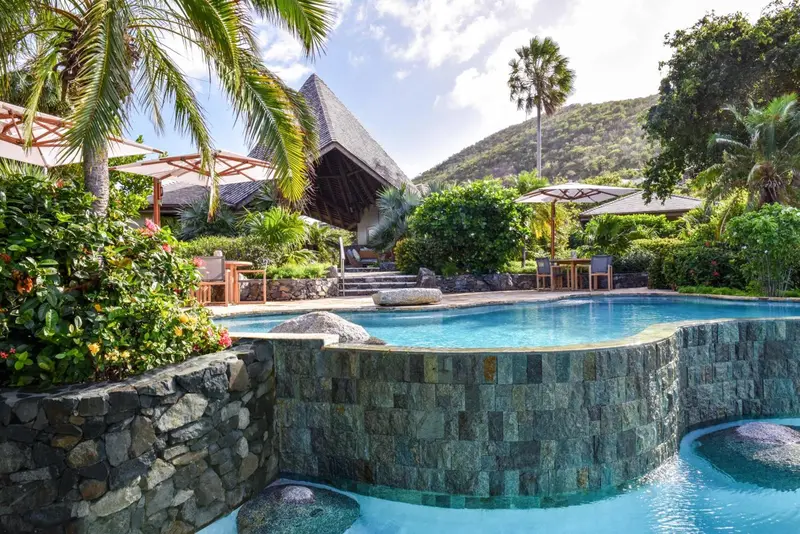
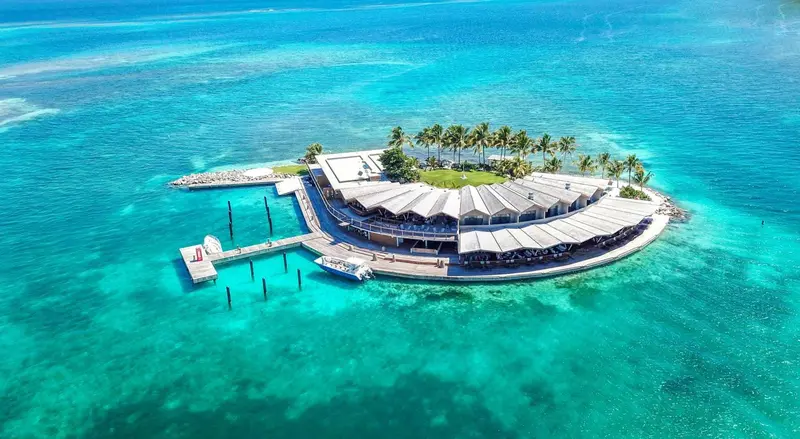
Hotels
Liveaboards
When to go, and where by month
Peter Island is in season from January through December, so the calendar offers a rare simplicity: every month, from January to December, points towards the same diving area. There is no opposing seasonal pattern here requiring a choice between one coast opening as another closes. That makes Peter Island suitable for a fixed annual leave window, whether the trip falls in February, June, August or November. The complication is not a change of diving season but the island-hopping timetable. Ferries and short inter-island connections can make delays consequential, especially when the final maritime leg is separate from the international journey. Build the itinerary around the sea passages rather than assuming that nearby islands connect instantly. A day of margin before the flight home is sensible, because a missed boat connection can disrupt more than one booking. For European travellers flying from London or Manchester, the last transfer deserves as much attention as the first.
Marine life, coast by coast
Wildlife is not the organising headline of a British Virgin Islands itinerary; the country’s stronger identity lies in its island geography, wreck history and nautical movement. That changes how a diver should plan expectations. Peter Island and Cooper Island are chosen for the shape of the trip and the named sites attached to them, rather than for a territory-wide promise of one signature animal. Anegada offers a different wildlife setting above water, with flamingos in its lagoons and the broad Horseshoe Reef shaping the island’s character. The distinction is therefore geographical: Peter Island belongs to the private, hilly resort landscape, while Anegada is low, coral and lagoon-based. Wildlife can add texture to an island choice, but it should not be used to make every part of the territory sound interchangeable.
Getting between the areas
Movement between the British Virgin Islands is mainly maritime. Ferries are the useful tool for combining inhabited islands and resort stops, while short flights serve links from Tortola towards Anegada or Virgin Gorda when operators and local schedules make that practical. The distances may look modest on a chart, but the timetable is fragmented: waiting at the quay and making a connection can consume the benefit of a short crossing. Tortola, Virgin Gorda and Jost Van Dyke can form a reasonable two-week land-and-sea itinerary, provided the pace remains measured. Adding Anegada makes the journey slower and more dependent on extra links. Cooper Island and Peter Island fit naturally into a nautical holiday, but repeated transfers between private islands, ferries and day excursions leave less room for unhurried diving. On Tortola, a vehicle helps with the interior; narrow, hilly roads reward patience rather than speed.
Take off your mask
Away from the water, the British Virgin Islands reward a traveller who follows the islands’ different personalities. Road Town is the most useful place for historical context: Fort Burt and Fort Recovery frame the old defensive landscape, while the Old Government House Museum and VI Folk Museum bring colonial institutions and everyday culture into view. The 1780 Lower Estate Sugar Works Museum and Callwood’s Rum Distillery make the plantation and rum history more tangible. Virgin Gorda offers a different half-day, with The Baths, Gorda Peak National Park and the remains at Copper Mine Point combining geology, walking and heritage. Great Harbour on Jost Van Dyke is the social counterpoint, shaped by anchorage, beach bars and evening gatherings. Food is anchored in fish and fungi, saltfish, conch fritters, johnny cakes and pates. Goat water belongs especially to Tortola and festive meals, while Anegada lobster is the island’s defining plate. Rum punch, Pusser’s Rum and the Painkiller belong naturally beside the waterfront.
What holds true everywhere here
The practical constants of a British Virgin Islands diving holiday are boats, connections and the need to protect the edges of the itinerary. The last maritime transfer should not be treated as a formality on arrival: leave margin before the first immersion if the sea journey and the dive are booked on the same day. The same logic applies before departure, when a full buffer day is more valuable than squeezing in a final crossing. Boat schedules and changing currents make a calm plan preferable to a tightly packed chain of reservations. On repeated boat-diving days, Nitrox is a genuine comfort for two or three immersions, rather than a technical extra. Peter Island works particularly well when the trip is allowed to breathe; adding Tortola, Virgin Gorda or Anegada requires accepting that the ferry timetable becomes part of the holiday.
Frequently asked questions about British Virgin Islands
When can you dive in the British Virgin Islands?
British Virgin Islands diving can be planned around Peter Island’s year-round boat diving. The destination combines Peter Island and RMS Rhone with island-based experiences elsewhere, so your timing question is mainly about fitting the diving and wider island itinerary together.
What can you see while diving and exploring the British Virgin Islands?
British Virgin Islands can give you Peter Island, RMS Rhone, Mountain Point, and fish and fungi in Tortola. Above water, Road Town has forts and sugar history, Virgin Gorda has granite scenery and The Baths, while Anegada has lobster and lagoon flamingos.
How should you plan a stay in the British Virgin Islands?
Plan British Virgin Islands as an island-to-island itinerary rather than a single-site stay. Peter Island suits year-round boat diving and a private, hilly resort setting; Anegada offers low coral terrain, lagoons, flamingos and Horseshoe Reef. Add Road Town, Virgin Gorda or Jost Van Dyke for land-based variety.
Is the British Virgin Islands a good choice if you want wildlife as well as diving?
British Virgin Islands suits divers who want wreck history, island geography and nautical movement alongside diving. Wildlife is not the organising focus across the territory, although Anegada adds flamingos in its lagoons and Tortola offers fish and fungi. Choose islands for their distinct settings, not one shared wildlife experience.