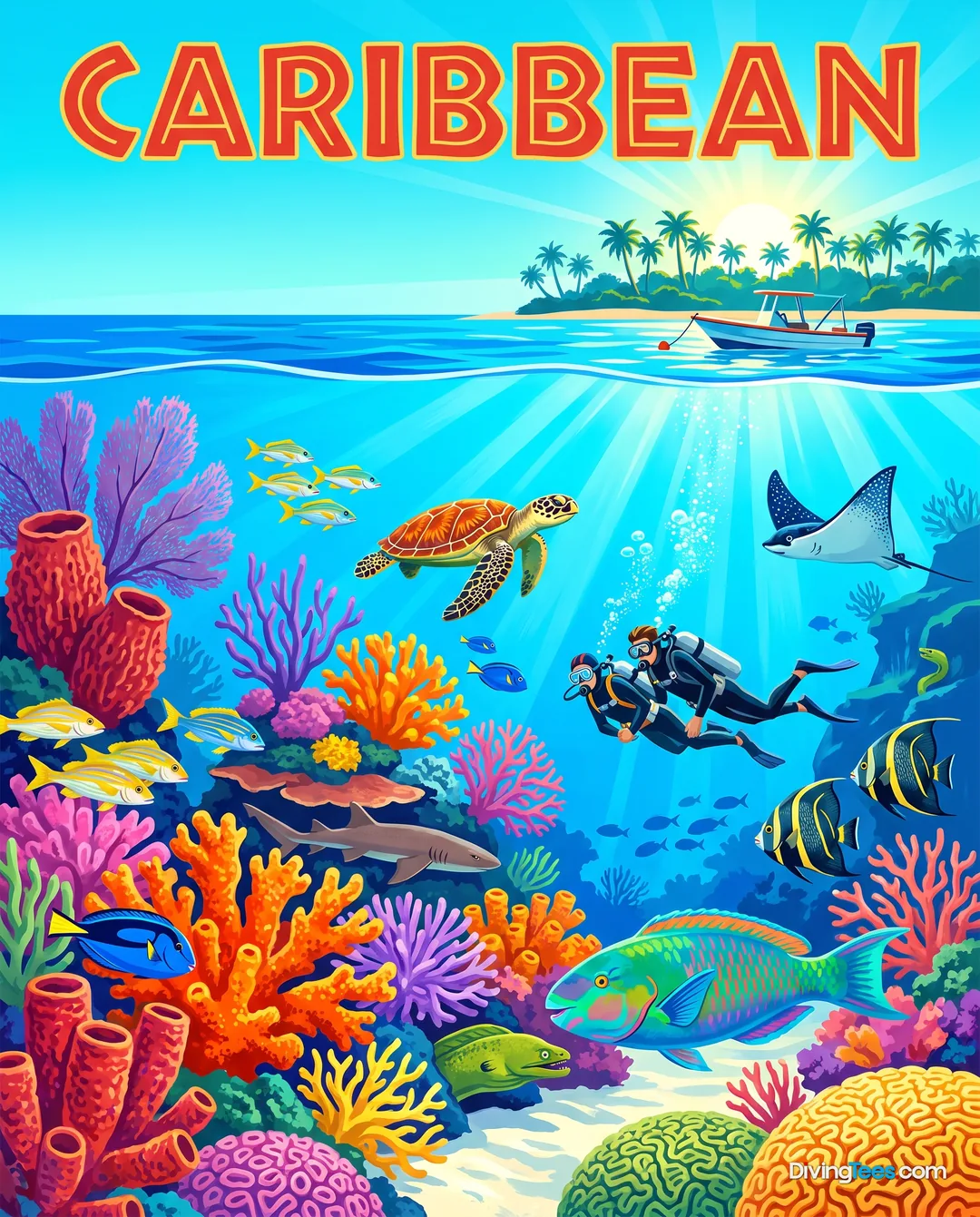
Caribbean
Cuba: boat-led reefs and the Bay of Pigs
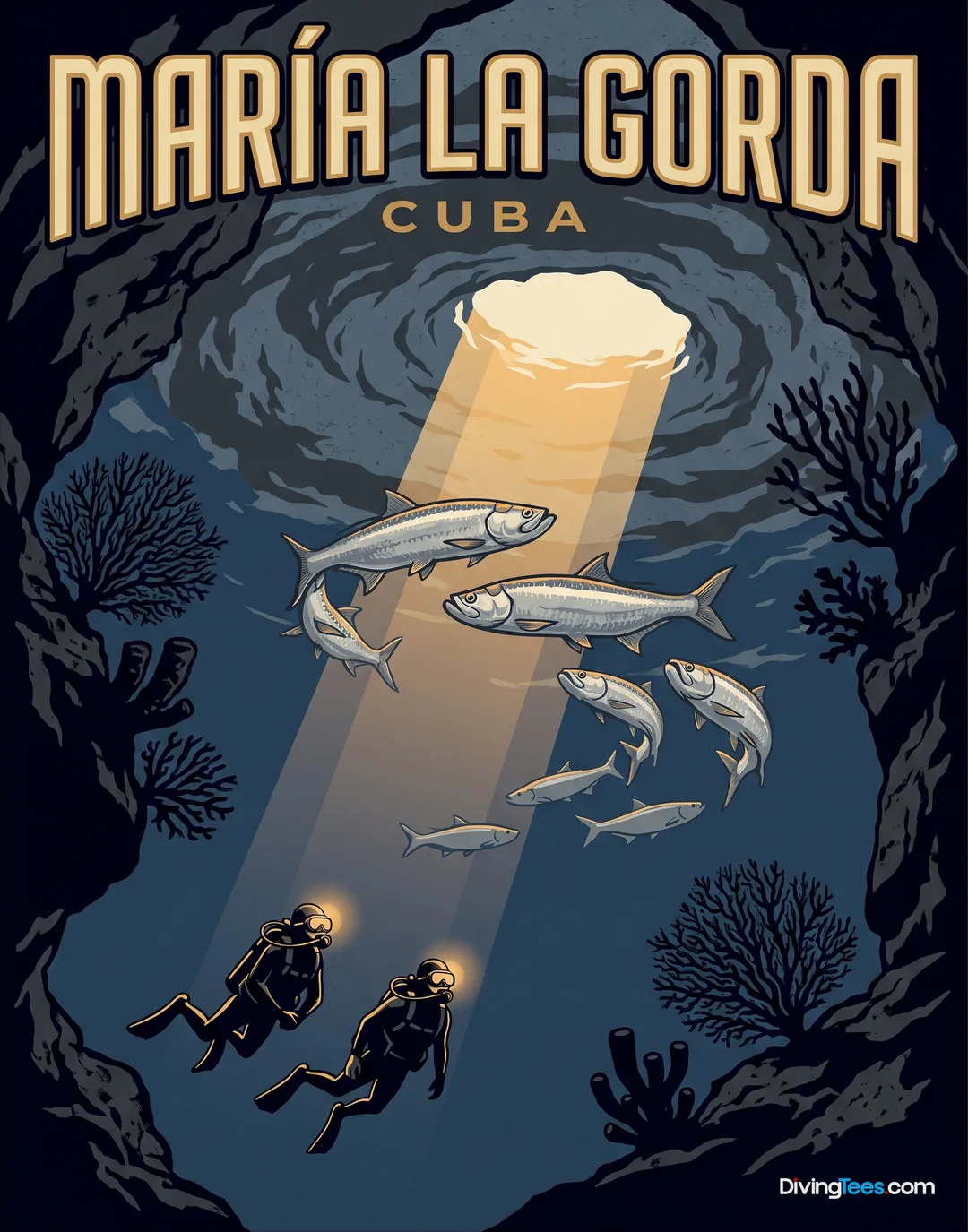
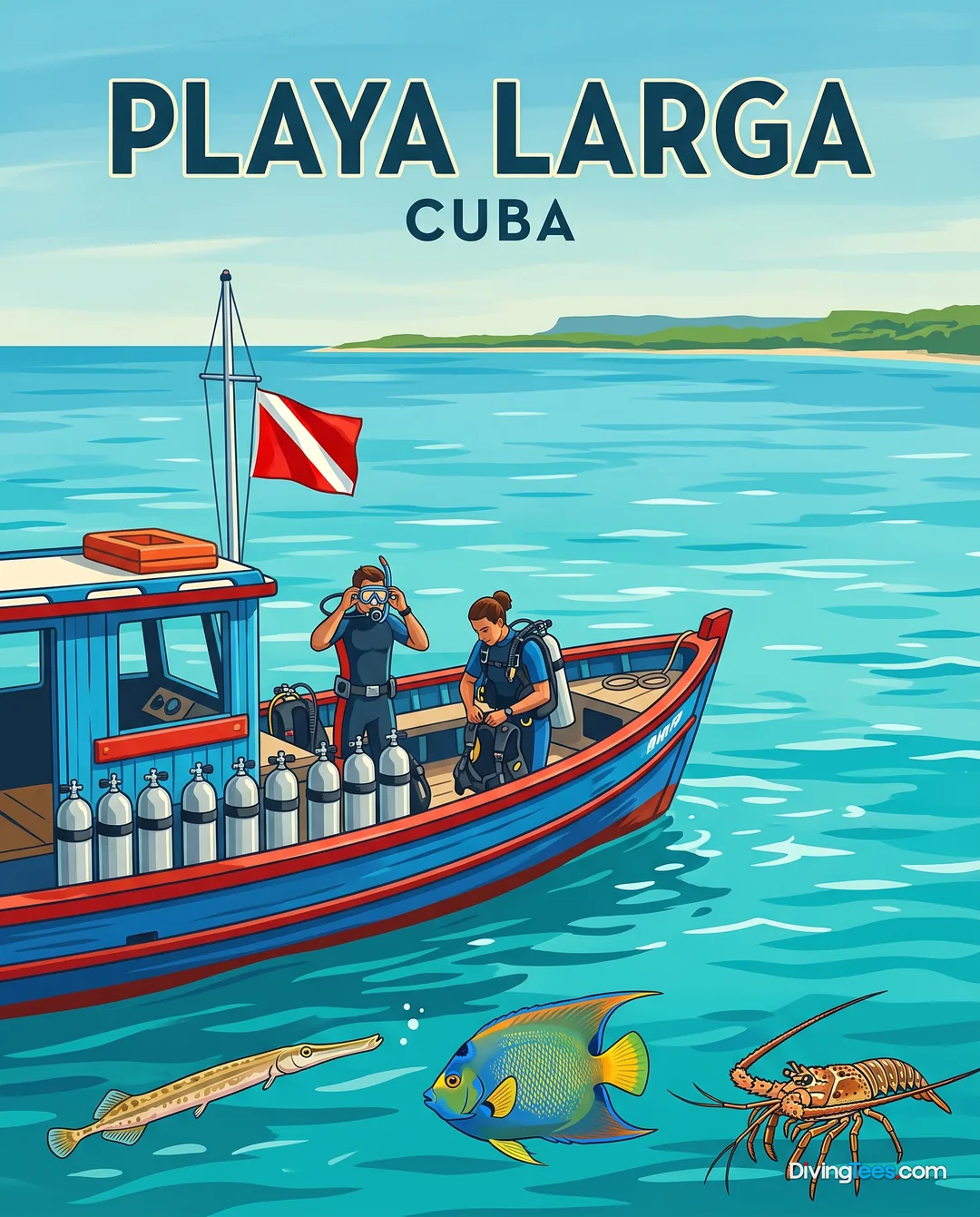
Cuba links the boat-led diving of Maria La Gorda with the mixed character of Playa Larga and the Bay of Pigs.
What makes this country unique
- Maria La Gorda’s boat-led diving and low pressure
- Playa Larga and the Bay of Pigs
- El Almirante in Maria La Gorda
- Salon de Maria in Maria La Gorda
- Ancla del Pirata in Maria La Gorda
- Paraiso Perdido in Maria La Gorda
- Jardins de la Reine, once reserved for Fidel Castro
- Commandant Cousteau and Jardins de la Reine
For subtitles in English: start the video firstthen click the gearat the top right of the video, select “Subtitles/CC”, then “Auto-translate” and choose “English”.
This country for a diver
Cuba is a straightforward choice for divers who want manageable conditions rather than a specialist expedition. Maria La Gorda is characterised by boat diving and low tourist pressure, while Playa Larga has a mixed diving pattern and a more moderate level of visitors. Across the country, the common thread is light current, all-level suitability and moderate pricing. A diver arriving for deep wrecks, strong current or a highly specialised signature is likely to have misread Cuba’s character. Liveaboard diving is not part of the picture here.
How the country divides
Cuba divides naturally between the focused boat-dive setting of Maria La Gorda and the mixed character of Playa Larga. Maria La Gorda suits the diver who wants a quieter base built around boat departures, with low tourist pressure shaping the feel of the stay. Playa Larga is the broader choice in format: its diving is mixed rather than exclusively boat-led, and its moderate visitor pressure gives it a less secluded profile. That distinction matters more than trying to rank the two. Choose Maria La Gorda when the rhythm of boat diving and a quieter setting are central to the trip; choose Playa Larga when a mixed diving arrangement is more useful. Both remain accessible to all levels, with light current and moderate pricing, so the decision is chiefly about the shape of the holiday rather than a sharp difference in difficulty.
Diving destinations
Liveaboards
When to go, and where by month
Cuba does not present a simple coast-against-coast season in which Maria La Gorda opens as Playa Larga closes. No month is attached to either area as a defining window, and no opposite-season pattern separates them. For planning purposes, that means the choice between the two should not be made through a supposed calendar handover. Maria La Gorda remains the boat-led, lower-pressure option, while Playa Larga keeps its mixed character and moderate visitor pressure. The practical question is therefore which setting fits the intended trip, rather than which coast is temporarily available. Divers travelling from Britain should avoid building an itinerary around a strong seasonal theory that is not part of Cuba’s stated profile. Month by month, the country calls for an area choice first and a calendar decision second.
Marine life, coast by coast
Cuba’s wildlife identity is not built around one named animal that defines every itinerary. The country-level distinction is instead between the diving character of each area and the wider marine setting represented by Jardins de la Reine. That marine park carries a particular place in Cuba’s story: it was long a private reserve of Fidel Castro and was ranked among the most exceptional sites by Commandant Cousteau. Its scale gives the country a marine reference point beyond Maria La Gorda and Playa Larga, without turning every Cuban dive into the same wildlife encounter. For itinerary planning, the meaningful divide is therefore geographic: a diver choosing an area is also choosing which marine setting frames the trip.
Getting between the areas
Maria La Gorda and Playa Larga are best treated as separate bases rather than assumed partners in one smooth diving holiday. Maria La Gorda is centred on boat departures, whereas Playa Larga has a mixed format, so moving between them changes the structure of the trip as well as the location. Their different pressure levels reinforce that contrast: Maria La Gorda is the quieter choice, while Playa Larga feels more moderately visited. No natural combination is established between the two, and a link-up should therefore be regarded as a time cost rather than a simple extension of one stay. For a high-value annual trip, choosing one area clearly may make more sense than spending time converting one format into the other.
Take off your mask
Jardins de la Reine gives Cuba an out-of-water story with unusual historical weight. The islands were named in honour of Isabelle d’Espagne when Christophe Colomb discovered them, then remained a private reserve of Fidel Castro for a long period. Today, Jardins de la Reine is described as the largest marine park in the Caribbean. That combination of royal naming, exploration and political history makes the place more than a marine backdrop: it is part of the country’s wider identity. Its reputation was also reinforced by Commandant Cousteau, who ranked Jardins de la Reine among the ten most exceptional sites. For a traveller interested in Cuba beyond the immediate dive base, this is the clearest cultural passage attached to the country’s marine landscape.
What holds true everywhere here
Across Cuba, the briefing should be approached with restraint rather than as a hunt for dramatic signatures. Light current is the common expectation, so downcurrent situations and drift dive technique are not what define the country. The same applies to deep wrecks and strong current: they are specialist reasons to travel elsewhere, not the central promise of Maria La Gorda or Playa Larga. A careful briefing still matters, particularly before a safety stop, but the national character is uncomplicated. Cuba is better suited to divers who value accessible diving and a measured pace than to those seeking current-led intensity.
Frequently asked questions about Cuba
When should you choose Cuba for a diving trip, and which area suits the kind of experience you want?
Cuba offers different diving settings rather than one uniform experience. Maria La Gorda centers on boat-led diving, while Playa Larga and the Bay of Pigs have a mixed character, including low-pressure diving. Your preferred style and area matter more to planning than treating the country as one identical destination.
What diving level is Cuba suited to, and what should you know about the different areas?
Cuba’s destination information emphasizes differences between areas rather than assigning one overall diving level. Maria La Gorda is associated with boat-led diving, while Playa Larga and the Bay of Pigs are described as having a mixed character and low-pressure diving. You should choose the area that matches your preferred diving setting.
What can you see while diving in Cuba, and which marine settings shape the experience?
Cuba’s diving is framed by distinct marine settings rather than one wildlife encounter. Maria La Gorda includes El Almirante, Salon de Maria, Ancla del Pirata, and Paraiso Perdido. Jardins de la Reine adds a wider marine-park setting, with a history as Fidel Castro’s private reserve and recognition from Commandant Cousteau.
How should you plan a stay in Cuba if you want to combine different diving areas?
Plan your Cuba stay around the geographic differences between areas. Maria La Gorda gives you boat-led diving and named sites such as El Almirante and Salon de Maria, while Playa Larga and the Bay of Pigs offer a mixed, low-pressure character. Jardins de la Reine provides another marine setting to consider.