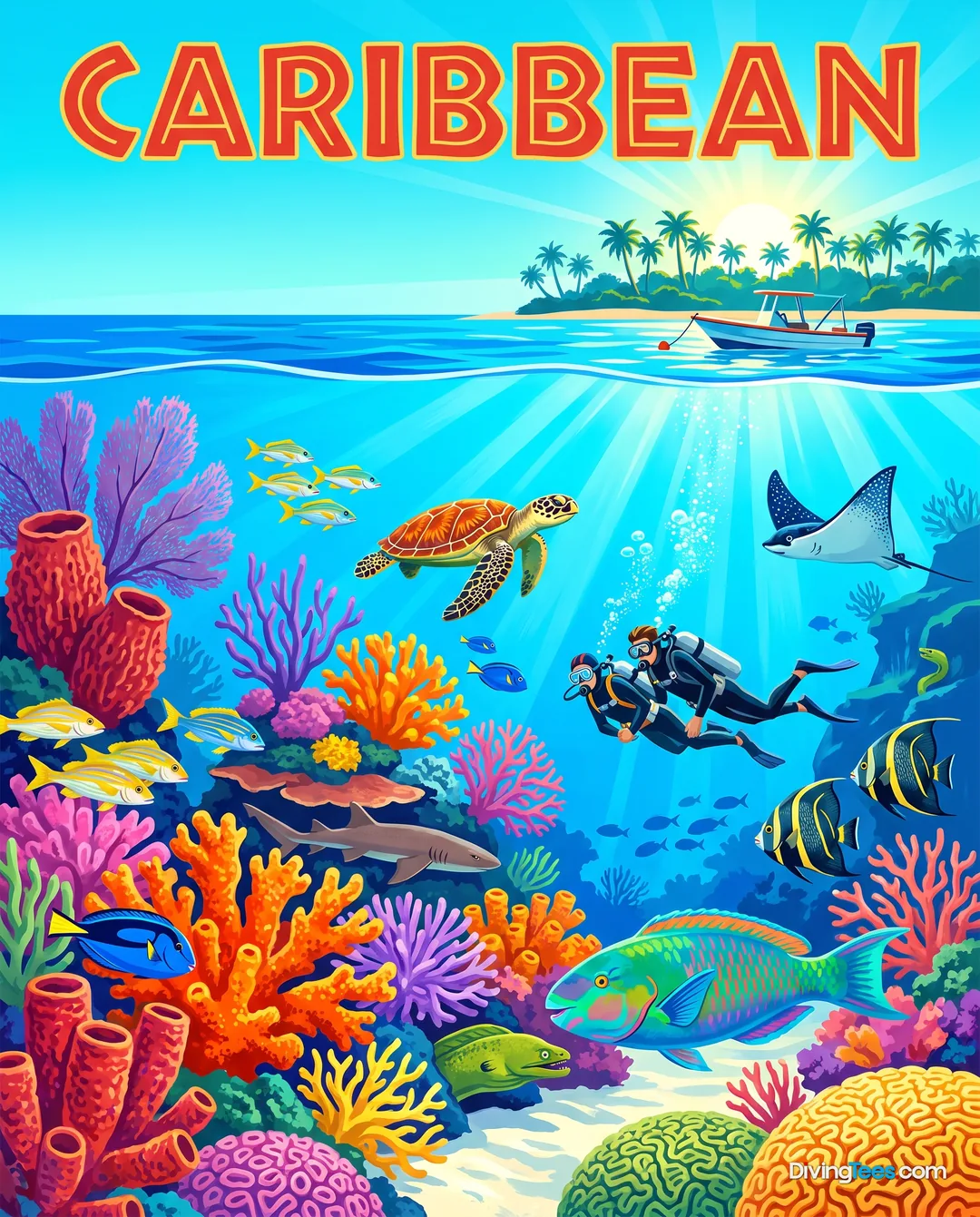
Dominican Republic · Caribbean
Diving Catalina Island: Coral Walls and Clear Water
Santa Catalina Wall drops from a shallow reef plateau, while El Acuario offers coral gardens, clear water and relaxed exploration in a protected island setting.
What makes this destination special
- Santa Catalina Wall falling away from a shallow reef plateau
- El Acuario coral gardens between three and twelve metres
- Thirty to thirty-five metres visibility from December to April
- Uninhabited island reached only by boat from the mainland
- Turtles, rays and reef sharks in protected coastal waters
- White beaches, dunes and mangroves beyond the dive sites
- Calmer Aquarium profiles for relaxed second dives
- Cotubanamá National Park protection around the island
For subtitles in English: start the video firstthen click the gearat the top right of the video, select “Subtitles/CC”, then “Auto-translate” and choose “English”.
Overview
Catalina Island is an uninhabited Caribbean island reached by boat from La Romana or Bayahibe, with diving centred on a dramatic wall and shallow coral gardens. Santa Catalina Wall begins at a relatively shallow reef plateau before dropping quickly, while El Acuario keeps the profile gentle, with hard corals spread across three to twelve metres. The island belongs to Cotubanamá National Park, so a day here combines straightforward boat diving with beaches, snorkelling and a clear sense of being offshore.
Diving here
The character of Catalina is set by the contrast between Santa Catalina Wall and El Acuario. The Wall gives experienced recreational divers a steep drop to follow, with depth control becoming more important as the reef falls away. El Acuario is the more relaxed option: a shallow fringing reef on the western side, with hard-coral gardens and plenty of space for a slow circuit, photography or a careful second dive. Current is generally light, and visibility is often excellent, commonly around thirty to thirty-five metres in the better season. Diving is exclusively from day boats departing La Romana or Bayahibe, normally with two dives before the return journey. The Wall suits divers wanting a stronger topographical impression; the Aquarium suits mixed groups, newer divers and anyone who prefers time spent looking closely rather than chasing depth.
One dive not to miss
The underwater wildlife
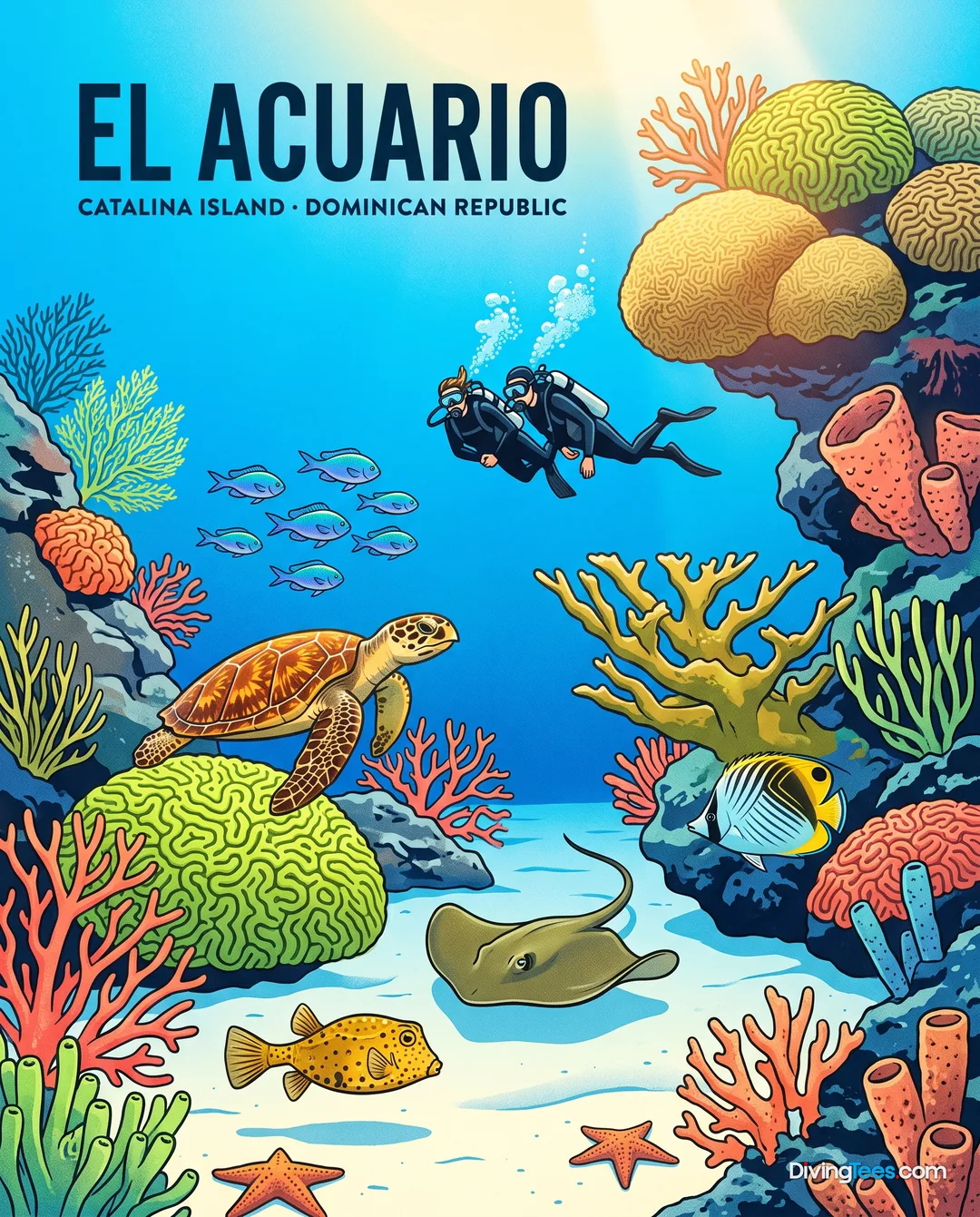
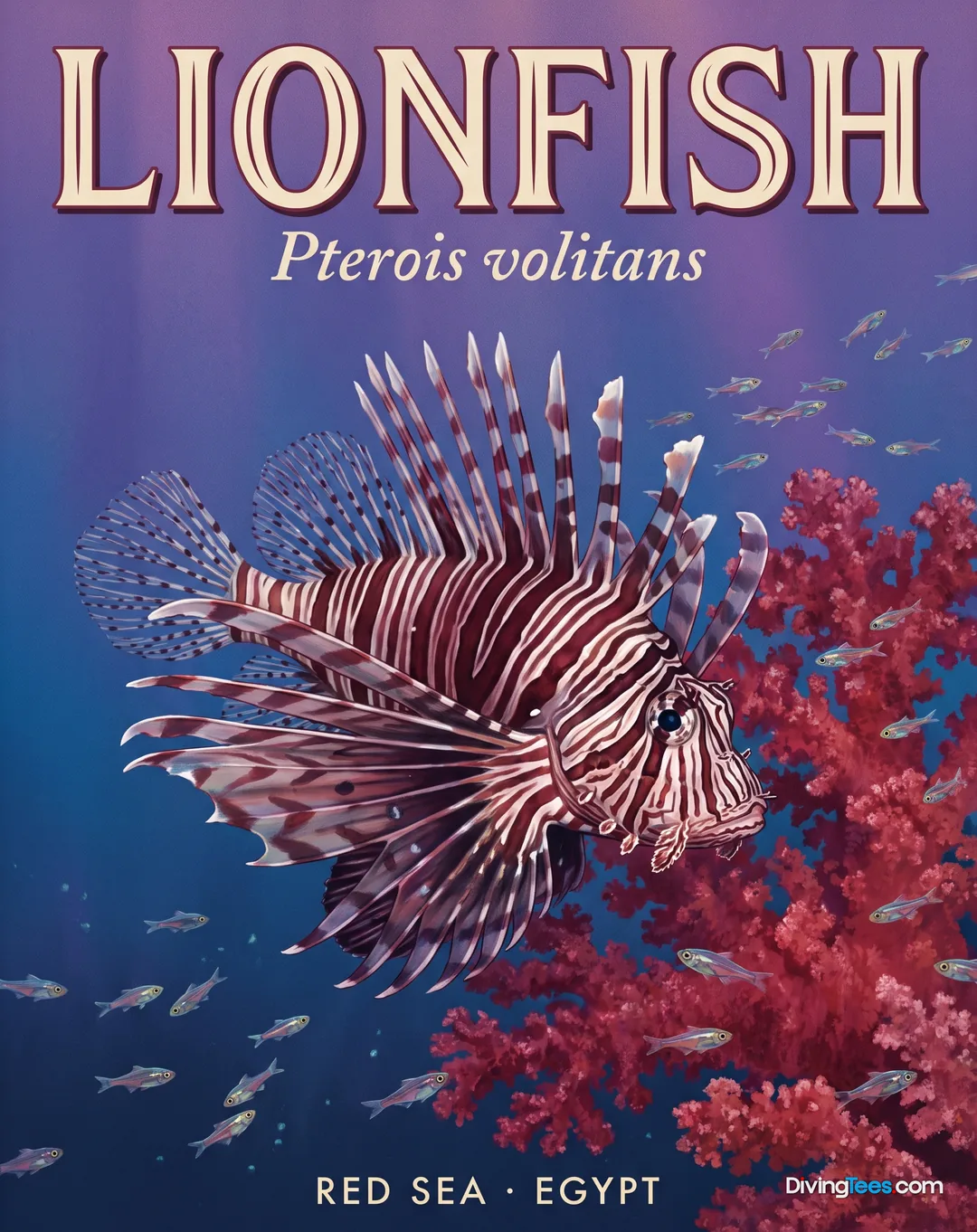
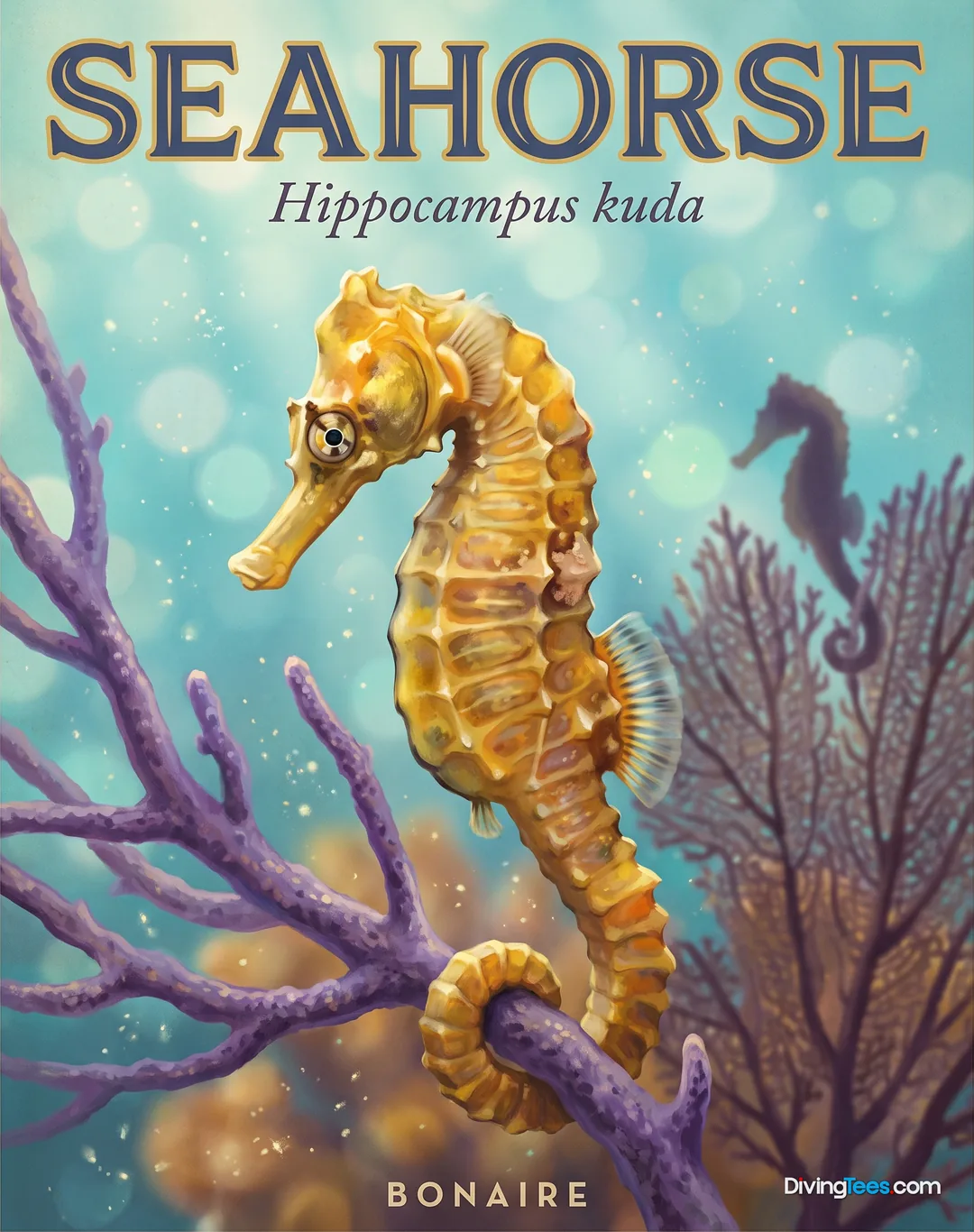
Catalina’s reef life is typical of protected Caribbean coral water, with tropical reef fish moving through the hard-coral gardens and along the wall. Turtles and rays are among the larger encounters, while reef sharks may also appear in the surrounding waters. El Acuario is particularly well suited to looking rather than covering distance: the shallow profile keeps the reef in good light and makes it easier to pause over small life among the corals. The Wall adds the sense of open water and a wider view down the drop. These encounters are not tied to a single advertised migration window, so the attraction is the combination of clear water, coral structure and the chance of larger animals during an ordinary day’s diving.
Possible underwater encounters
When to go
Catalina can be dived throughout the year, but December to April is the sensible choice for the clearest conditions and calmer sea. This is the dry-season window, when boat crossings are generally more comfortable and visibility is most likely to reach its familiar thirty-to-thirty-five-metre range. September and October deserve more caution: the Caribbean cyclone season brings less settled weather, stronger winds and a greater risk of disrupted boat plans. Winter high season also brings more excursion boats, snorkellers and cruise-related traffic. A weekday departure outside holiday periods usually gives the Wall and El Acuario a quieter feel. A three- to five-millimetre full suit is a practical tropical choice for repeated dives.
Level required
El Acuario is suitable from Open Water level, including divers who want a calm, shallow reef rather than a demanding profile. Santa Catalina Wall is better enjoyed by divers comfortable with buoyancy, navigation along a drop-off and close depth monitoring; Advanced Open Water is useful rather than essential for getting the most from it. BSAC, PADI and SSI qualifications are all relevant, subject to the local operator’s normal requirements. Nitrox can make sense on a two-dive day, particularly when the plan combines the Wall with the Aquarium, but it does not remove the need for disciplined depth control.
On the ground
From London Heathrow, London Gatwick or Manchester, the journey continues overland to the mainland bases used for Catalina diving; the final approach to the island is always by boat or catamaran. La Romana is about 2.4 kilometres from Catalina Island, with a crossing of roughly thirty to thirty-five minutes, while Bayahibe is another practical departure point. Divers normally stay on the mainland and arrange a vehicle transfer from their accommodation to the relevant marina. Staying in La Romana keeps the marina journey short; staying in Bayahibe makes more sense when the boat trip is organised from there. The day’s timing is governed by the morning boat departure, so a distant mainland base adds unnecessary risk to the connection.
Local tips
Treat Catalina as a boat day, not a shore-diving base. There is no independent diving infrastructure on the island, and transfers may involve a beach boat or walking through shallow water, so a dry bag or camera cover is more useful than extra kit. On the Wall, watch the depth from the first minutes: the drop-off arrives quickly, and the most tempting line of the reef can draw a diver deeper than intended. Ask for a departure that avoids the busiest cruise and excursion periods; an early start or a weekday can make a noticeable difference at both the Wall and El Acuario. La Romana is the efficient base when the accommodation is there, while Bayahibe avoids a needless road detour if the boat leaves locally. Pack reef-friendly sun protection and insect repellent for the long day outdoors. Park rules matter here: no collecting, littering or camping, and excursions must be accompanied by authorised guides.
Planning your stay
A three- to five-day mainland stay works well for Catalina, with day-boat diving from La Romana or Bayahibe and enough flexibility to move a trip if the sea turns unsettled. Catalina itself is uninhabited, so accommodation remains on the continent. Non-divers have a genuine alternative rather than simply waiting on the boat: the island offers white beaches and snorkelling, while Cotubanamá National Park, Saona and Catalinita provide further outings. A day without diving can be spent around La Romana or Bayahibe.
Hello, I'm Marina, DivingDeal.com's AI assistant. I guide you through destinations, areas and countries.

Thinking about the whole trip and the flights? Talk it over with Edith →
Marina is an AI. Some links are affiliate links: DivingDeal may earn a commission, at no extra cost to you. Bookings are made with the partner.
Things to do in Catalina Island beyond diving
Your last day stays dry: no diving in the 18-24 hours before a flight the perfect window to see the destination from another angle.
 Culture
Catalina Island Summit Sunset Tour
⏱ 1 h · ★ 5.0 (5 reviews)
from €48
see on Viator ↗
 Culture
Walking History Tour on Catalina Island
⏱ 1 h · ★ 5.0 (23 reviews)
from €35
see on Viator ↗
 City
CityCatalina Island Private 2-Hour Tour of Avalon
⏱ 2 h · ★ 4.9 (164 reviews)
from €260
see on Viator ↗
 Nature
Catalina Island Zip Line Eco Tour
⏱ 2 h · ★ 4.9 (369 reviews)
from €137
see on Viator ↗
Ratings and reviews collected by Viator and Tripadvisor.