RAID
Culebra Snorkel With Locals
Google 4.9/5 (302 reviews)
Puerto Rico · Caribbean
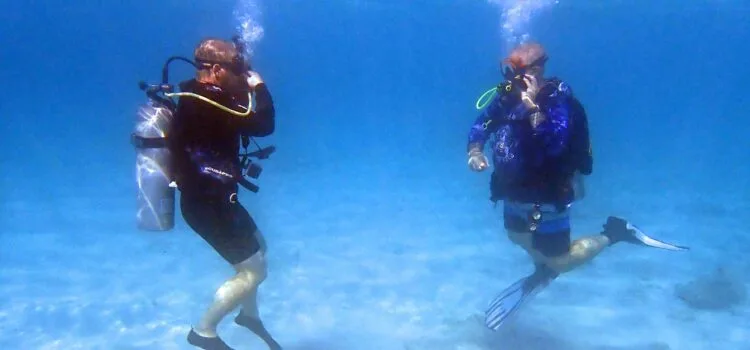
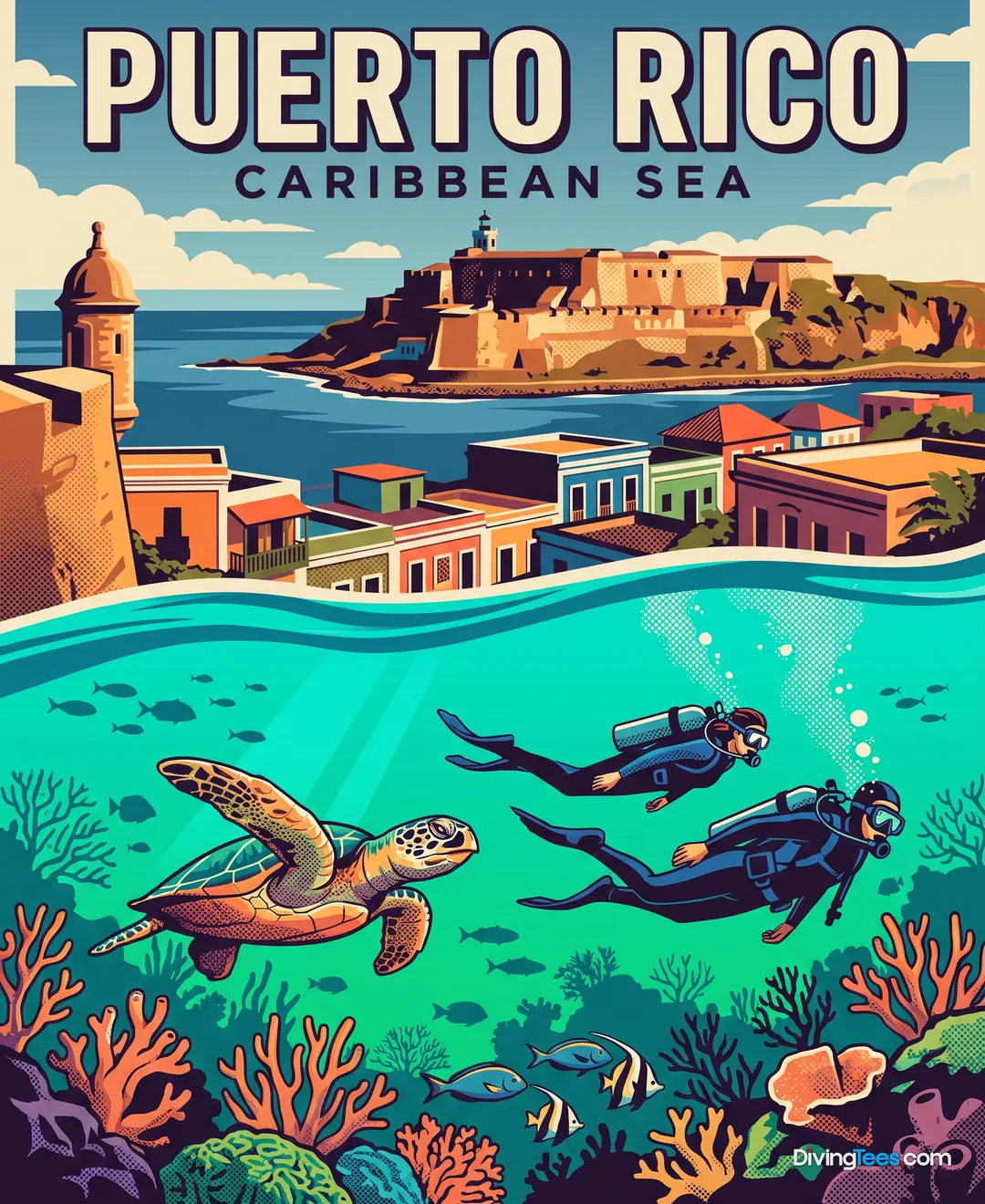
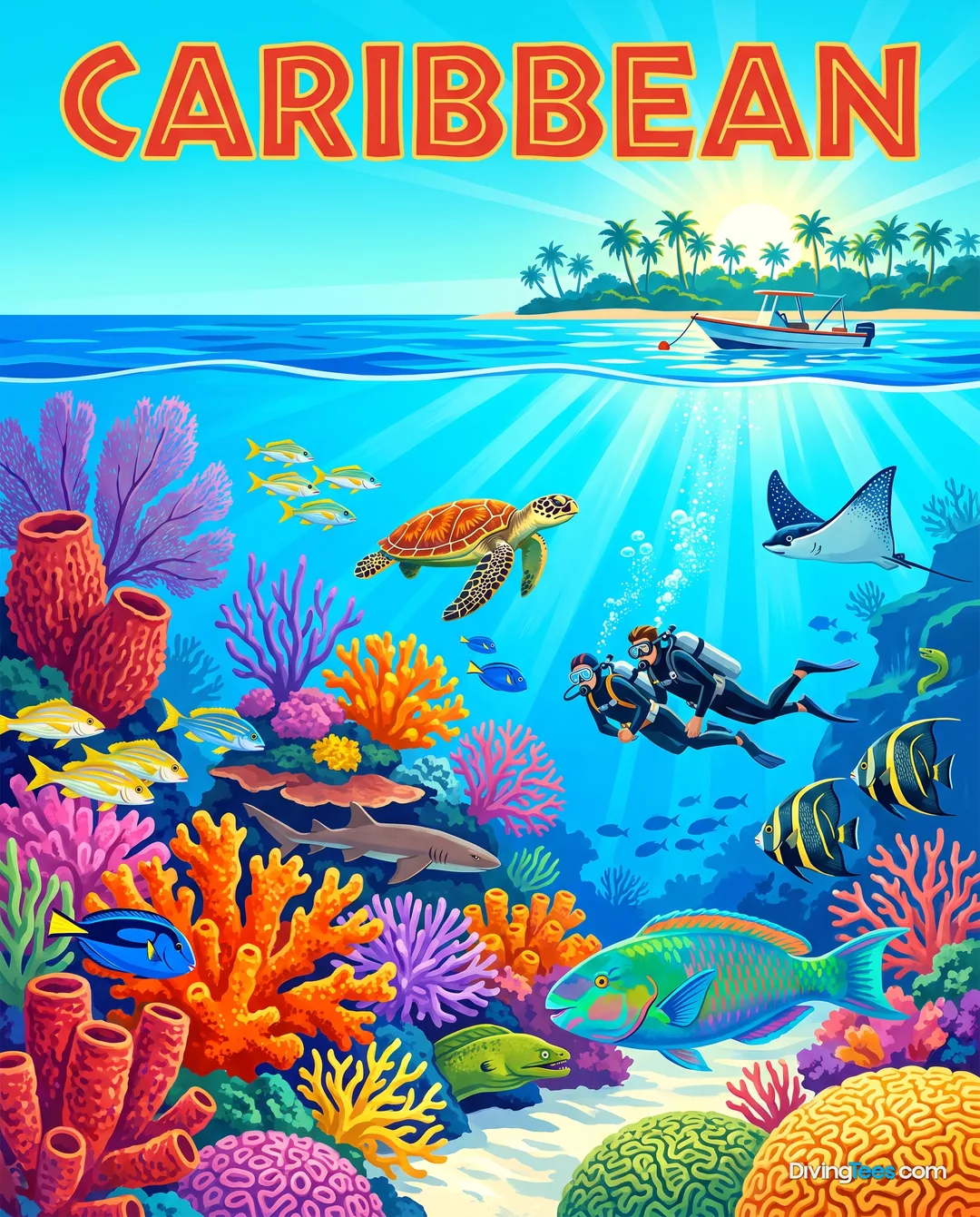
Turtles over coral reefs, eagle rays above rocky formations, and 18 to 30 metres of clear water define Culebra’s boat diving.
For subtitles in English: start the video firstthen click the gearat the top right of the video, select “Subtitles/CC”, then “Auto-translate” and choose “English”.
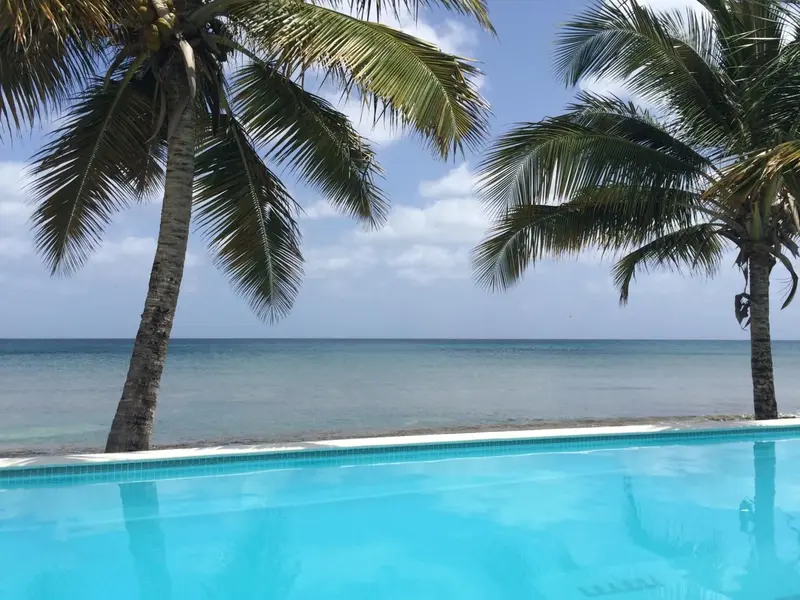
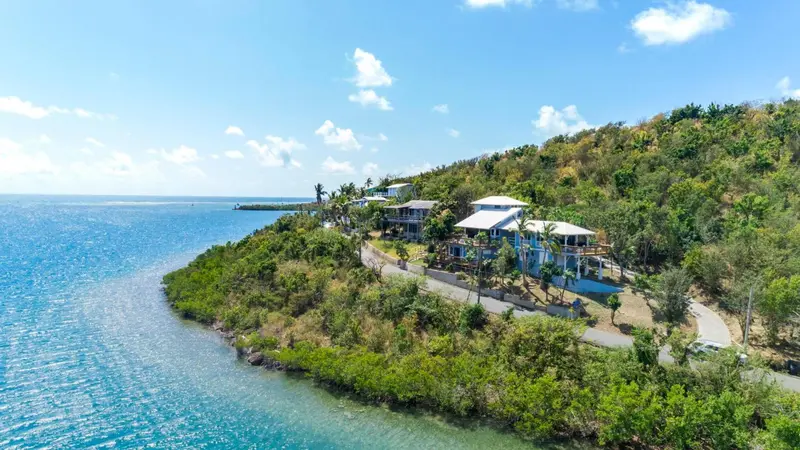
Coral reefs, shallow drop-offs and rocky formations give Culebra its underwater character. This dry island east of Puerto Rico works best as a shore-based holiday with daily boat trips, rather than as a hurried stopover. Local outings reach reefs around the island and the Luis Peña Channel Natural Reserve, where turtles and tropical fish share the water with rays and lobsters. The setting suits divers who want several flexible days in the water, with beaches, kayaking and walking available when the boats stay in harbour.
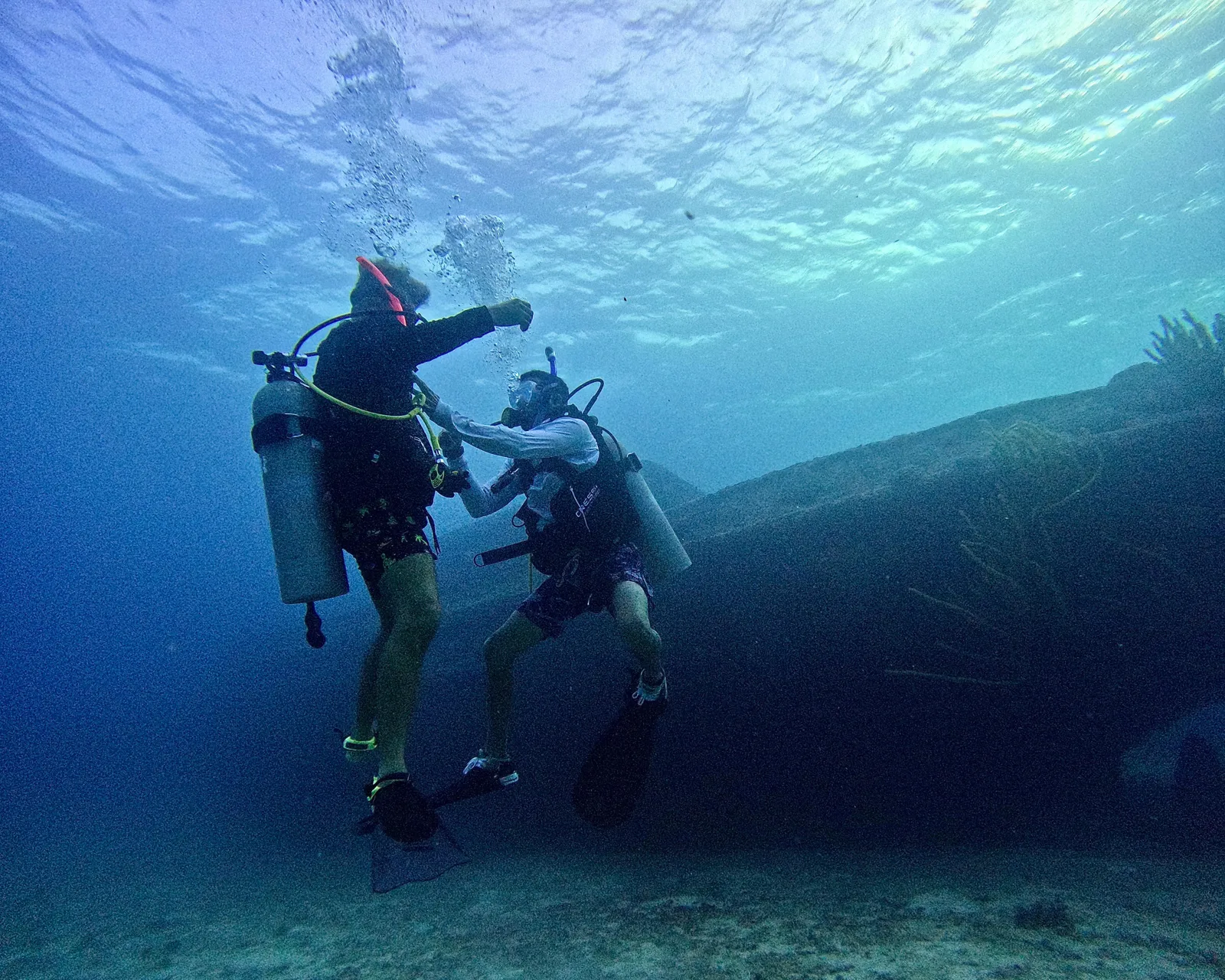
Culebra’s diving is mainly from a boat, linking the island’s coral reefs and rocky formations with the protected waters of the Luis Peña Channel Natural Reserve. Expect shallow drop-offs as well as sectors reaching roughly 20 to 23 metres, so the underwater landscape is not confined to one depth range. Visibility is commonly around 18 to 30 metres, helped by the island’s dry climate and limited sediment run-off, although heavy rain, swell and tropical disturbances can change that quickly. Currents are variable rather than a defining feature of every outing. Centres choose the destination according to the sea on the day, which can mean a sheltered, straightforward dive or a more mobile water column. Some coastal areas suit shore access or snorkelling, but the reserve and several of the more interesting reefs require the boat.
Turtles are one of Culebra’s signature encounters, particularly around the reefs and seagrass associated with the Luis Peña Channel Natural Reserve. Eagle rays may pass over the formations, while lobsters occupy cracks and shelter beneath the reef. Tropical fish fill the coral structure rather than appearing only on a single specialist site, giving even relatively modest depths plenty to watch. The dry island and clear water make it easier to scan the blue for a ray before returning to the reef. There is no particular seasonal wildlife appointment to build the trip around, so the practical priority is allowing enough boat days for conditions and site choice to work in your favour. Snorkellers can share some of the protected bays and reserve waters, making the marine life part of the holiday beyond scuba.
December to May is generally the most dependable period for marine activities and diving around Culebra. The attraction is practical: this is the part of the year less exposed to the tropical disturbances and storms that can interrupt boat trips or reduce visibility. From June to November, swell, intense rain and passing storms may close off a planned outing or turn clear water hazy, although diving is not automatically ruled out throughout that period. If travelling then, build in spare days rather than treating every booked boat trip as fixed. The high season, especially December to March, also puts more pressure on ferries, beaches and excursions, while weekdays outside holiday periods are usually easier on land.
This coast is exposed to sargassum strandings, whose intensity varies greatly from year to year. To find out more, see the “Sargassum alert” panel on this page.
Culebra can suit beginners when the day’s conditions allow a shallow, sheltered site, and it also gives experienced divers room to explore deeper reef and rocky sectors. The key qualification is not a particular agency: BSAC, PADI and SSI divers should expect the local team to match the site to conditions and experience. Variable currents and boat access make comfort in open water useful, while a flexible attitude matters more than chasing a fixed itinerary.
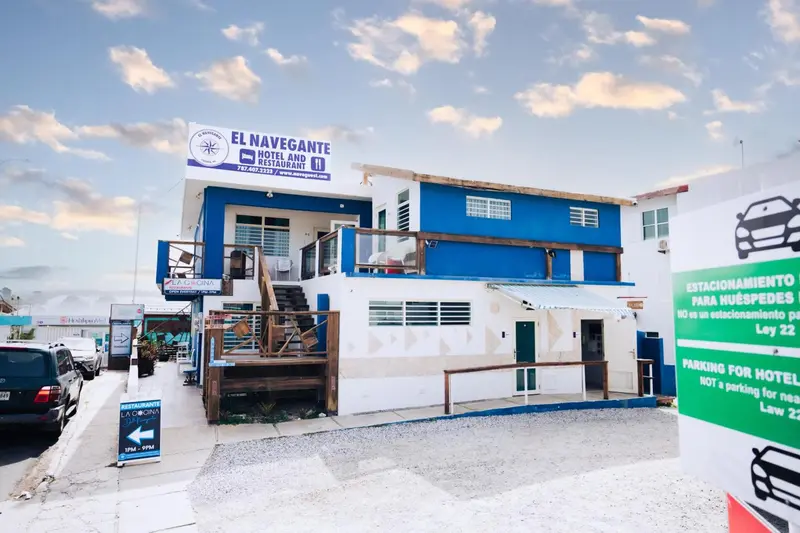
From London or Manchester, first reach Puerto Rico, then continue to Culebra by ferry from the Ceiba terminal or by small regional aircraft from San Juan or Ceiba. The ferry crossing usually takes about 45 to 60 minutes. Regional flights take roughly 20 to 30 minutes, but the aircraft are small and seats are limited. If travelling overland from the San Juan area to Ceiba, allow around an hour and a half before adding the terminal wait and crossing. Ferry tickets need arranging ahead during busy periods, and reaching Ceiba does not guarantee a place on the departure you want. On Culebra, Dewey is the useful base for services and dive operations. Depending on where you stay, the centre may be walkable, or you may need a taxi or other local transport.
Treat the ferry as part of the trip, not as a casual final connection. In the busy season, at weekends and on public holidays, secure the crossing before travelling to Ceiba, because arriving at the terminal does not guarantee a seat. If you fly, book the regional leg early for the same reason. Allow five to seven days on the island, with several possible boat days rather than compressing every dive into two. Culebra’s operators choose sites around the conditions, and swell or a tropical disturbance can remove a planned outing. Keep a final surface day before a regional or international flight, and avoid a tight ferry-to-flight connection in either direction. Arriving by air and leaving by ferry can spread the transport risk, but still leave enough time for the extra surface day. Do not assume the reserve or every reef can be reached from the beach, as the more useful access is by boat.
A five- to seven-day stay works well as a flexible base holiday, with daily boat outings around Culebra and into the Luis Peña Channel Natural Reserve. Dewey makes the practical side easier because services and diving operations are concentrated there. Keep a day for weather or sea-state changes, and use non-diving time for Flamenco Beach, walking, kayaking, village wandering or sheltered-bay snorkelling. Culebra has no liveaboard structure, so evenings return to the island rather than staying at sea.
Hello, I'm Marina, DivingDeal.com's AI assistant. I guide you through destinations, areas and countries.
Thinking about the whole trip and the flights? Talk it over with Edith →
Marina is an AI. Some links are affiliate links: DivingDeal may earn a commission, at no extra cost to you. Bookings are made with the partner.
December to May is generally the most dependable period for diving and other marine activities around Culebra, with less exposure to storms and tropical disturbances. From June to November, swell, heavy rain and passing storms can affect boat trips and visibility, so allow spare days if you travel then.
Culebra can suit beginners when conditions allow a shallow, sheltered site, while experienced divers can explore deeper reef and rocky sectors. Local teams match sites to conditions and experience. Comfort in open water is useful because diving is mainly from boats, and currents can vary between outings.
Culebra offers coral reefs, shallow drop-offs and rocky formations, with visibility commonly around 18 to 30 metres. Turtles frequent reefs and seagrass in the Luis Peña Channel Natural Reserve, while eagle rays may pass overhead and lobsters shelter in reef cracks. Tropical fish fill the coral structure.
Base yourself in Dewey, where services and dive operations are concentrated, and plan a flexible shore-based holiday with daily boat outings. Allow five to seven days, several possible boat days and a final surface day before flying. Arrange ferry or regional flight connections ahead, especially during busy periods.