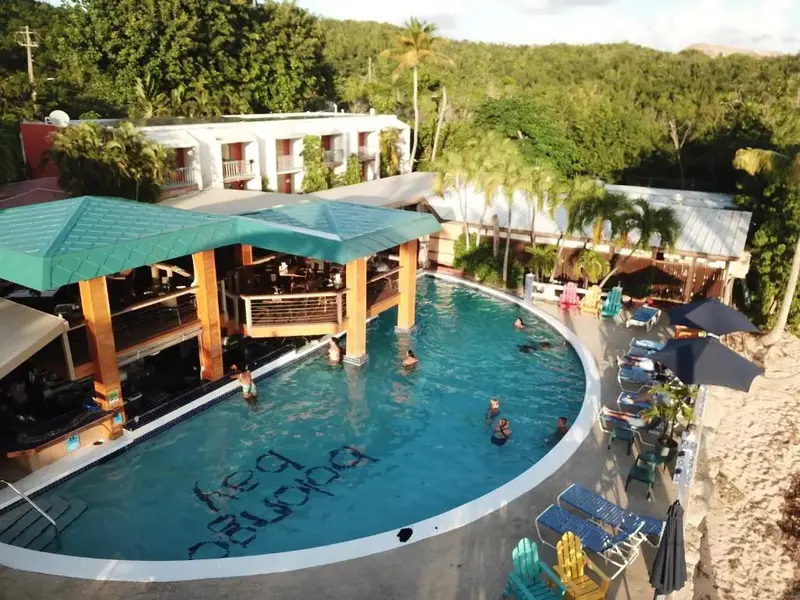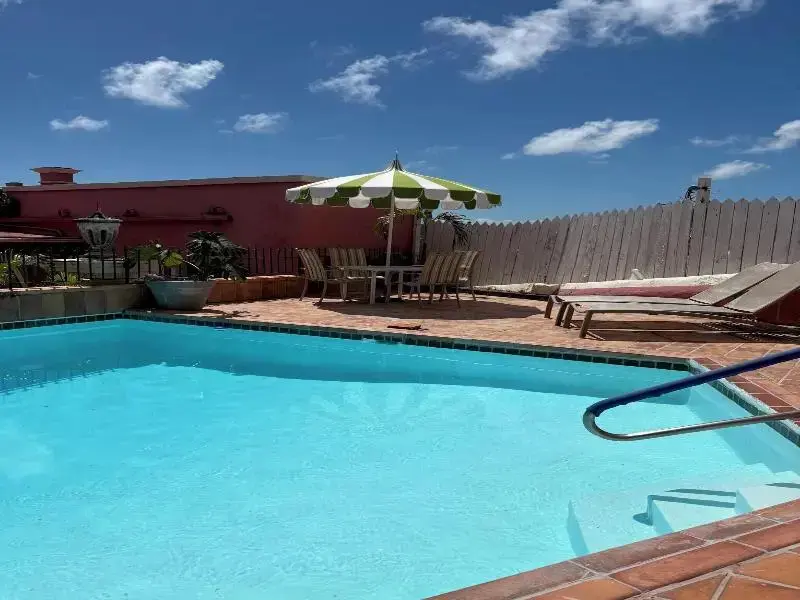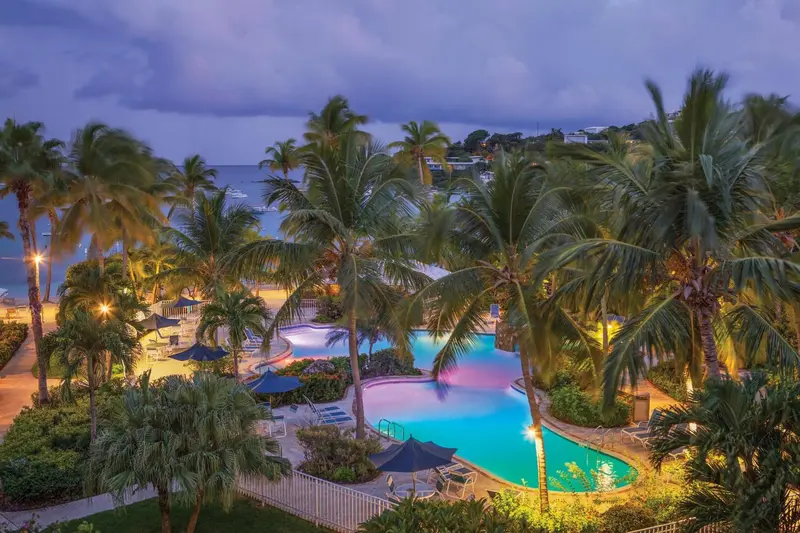

Aqua Marine St. Thomas
Google 5/5 (978 reviews)
U.S. Virgin Islands · Caribbean
Volcanic pinnacles, reef wrecks, turtle encounters and sheltered shore dives frame a Caribbean stay that also reaches St John by boat.
For subtitles in English: start the video firstthen click the gearat the top right of the video, select “Subtitles/CC”, then “Auto-translate” and choose “English”.
St Thomas is a land-based Caribbean diving holiday built around boat trips from its marinas, with shore entries available when a quiet bay is more useful than another day at sea. Underwater, volcanic relief gives way to shallow reefs, pinnacles, tunnels, drop-offs and wrecks, so a week can move from an easy first immersion to deeper, more exposed water. St John and nearby cays add a change of scenery. Above water, Charlotte Amalie, beaches and boat excursions give non-divers something substantial to do.
The underwater character changes with the shelter. In protected bays, expect shallow reef, clear water and uncomplicated shore diving, with Coki Point a useful example. Boat sites add volcanic walls, pinnacles, rock tunnels, drop-offs and wrecks, some of them deeper or more exposed. Currents are variable rather than a constant feature, but unprotected sites can become rough and carry strong flow, so a planned route may involve a drift dive or a careful return against the current. Visibility is often around eighteen to thirty metres, although rain, swell and runoff can stir sediment and reduce it. Most diving is arranged from a boat, with the crew choosing the site around the day’s sea state and the group’s experience. Shore dives are not merely a fallback, but they are particularly valuable when exposed sites are uncomfortable.
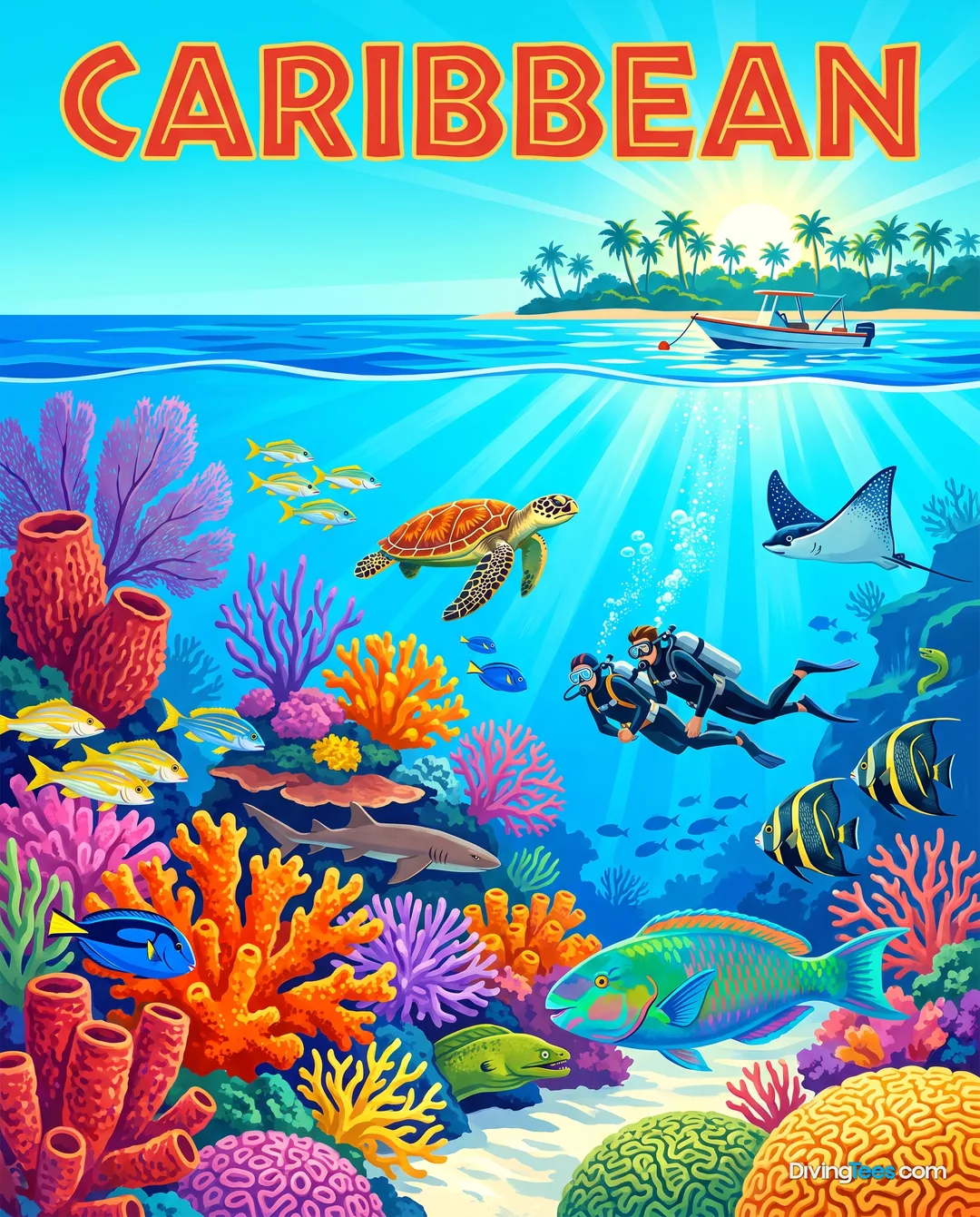
Sea turtles are the most dependable large-animal encounter, with sightings possible throughout the year rather than tied to a short seasonal window. Tropical reef fish provide the regular movement across the shallows, around volcanic rock and on the reef slopes. Rays and eagle rays are occasional visitors, worth treating as a welcome possibility rather than a scheduled attraction. Reef sharks also occur, but encounters are rare. The practical difference after heavy rain is that wildlife may still be present while the view deteriorates, as runoff and suspended sediment can reduce visibility. Calm, clear conditions make the reef fish, turtles and larger passing animals easier to appreciate, particularly on the morning’s first boat outing.
December to June is generally the more dependable period, when winds and weather settle into a steadier pattern and visibility is more often favourable. June to November brings the rainy season, heavier showers, changing swell and the possibility of tropical systems disrupting boat plans. August and September deserve the greatest caution, while September to November can also bring more runoff and less consistent visibility. Plan for a spare day rather than treating every booked outing as guaranteed. A light full-length 3 mm wetsuit usually suits the water, with colder-sensitive divers choosing more protection in winter.
This coast is exposed to sargassum strandings, whose intensity varies greatly from year to year. To find out more, see the “Sargassum alert” panel on this page.
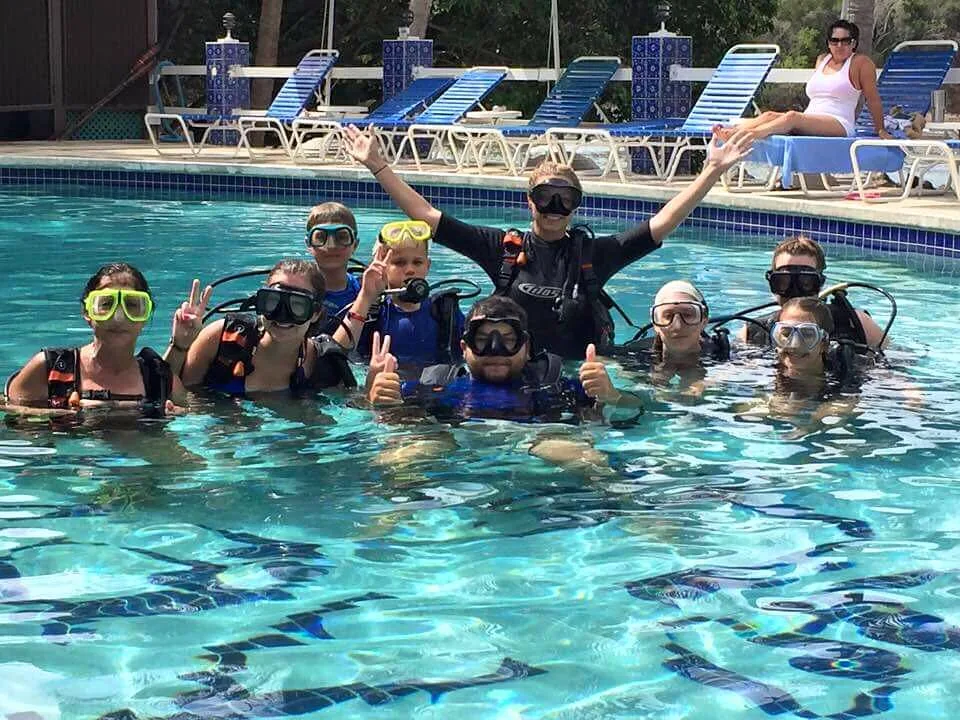
St Thomas works for newly qualified divers as well as experienced divers, provided the site matches the conditions. Sheltered bays and shore entries suit beginners, refresher dives and anyone wanting a quiet start. Advanced Open Water is useful for deeper or more exposed sites, while a Wreck certification matters for appropriate wreck penetrations or deeper wreck work. Strong currents and rougher water are not a sensible first choice. Nitrox can be useful for repetitive days where it is available, but it does not replace the judgement needed on exposed sites.
From London Heathrow or Gatwick, or Manchester, reach St Thomas by air, normally allowing for a connection through a North American or Caribbean hub rather than assuming a direct European service. The journey can take roughly fourteen to twenty hours from western Europe, depending on the routing and connection. Once on the island, continue by road to the chosen marina, beach or dive centre. Taxis are practical for transfers, while a hire car gives more independence between separated bays and marinas. Ferries are not needed to reach St Thomas, but a boat or ferry connection becomes part of the plan for excursions towards St John and neighbouring islands.
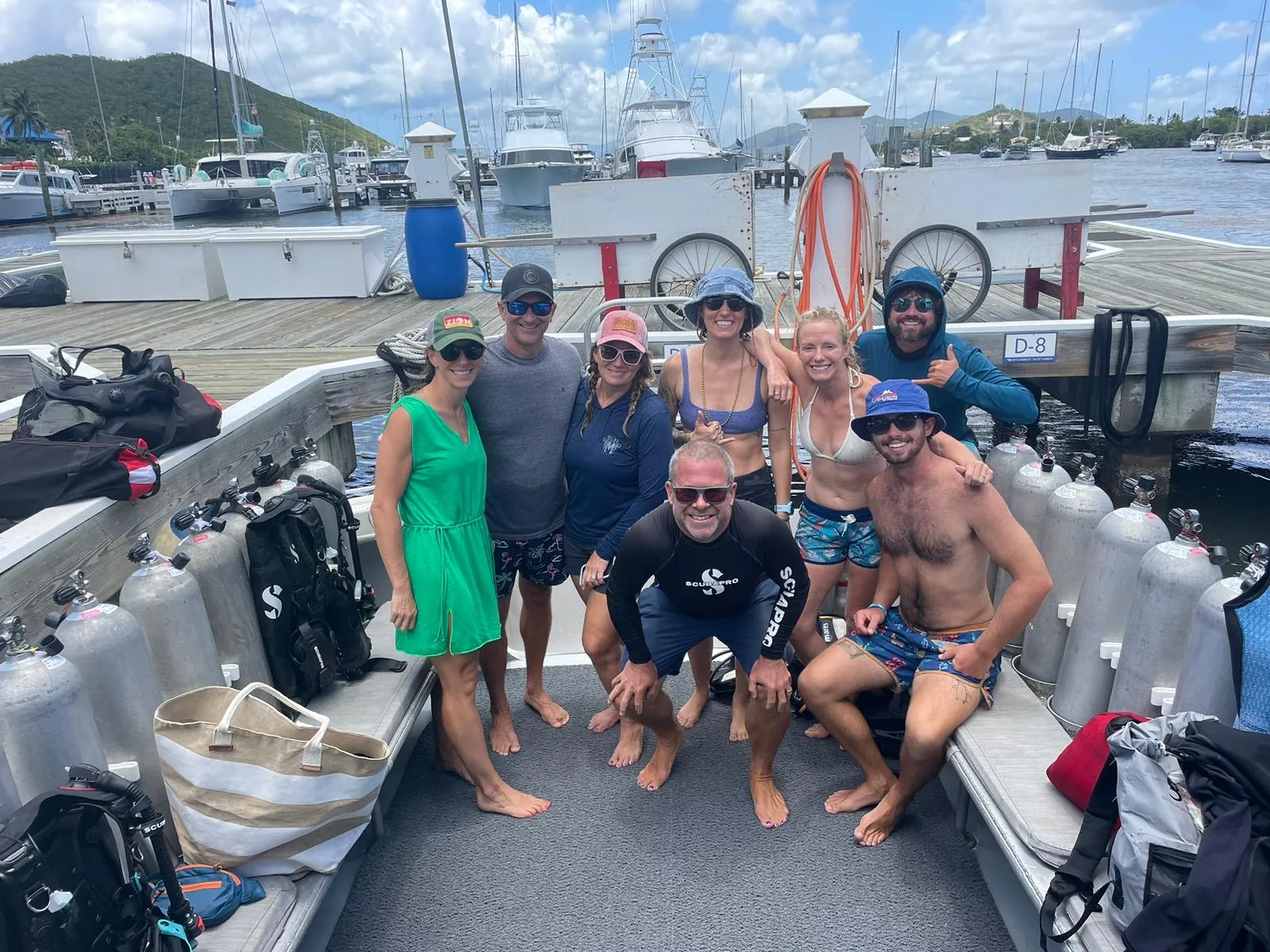
Keep a reserve day in the plan. Boat departures are adjusted to wind and sea state, and a spare day matters particularly from June to November. Ask for the site to be matched to the group, not simply accepted because it appears on the day’s programme: a sheltered bay is a better first dive than a deep wreck or exposed wall when conditions are unsettled. Morning departures usually offer the calmer option and avoid some of the day’s boat traffic. If the sea turns against the exposed sites, switch to Coki Point or another sheltered shore dive rather than losing the day. Treat St John as a boat excursion, not an easy land extension. In the national park, use a mooring where one is provided, never anchor on coral or seagrass, collect nothing, and display a diver-down flag when someone is in the water.
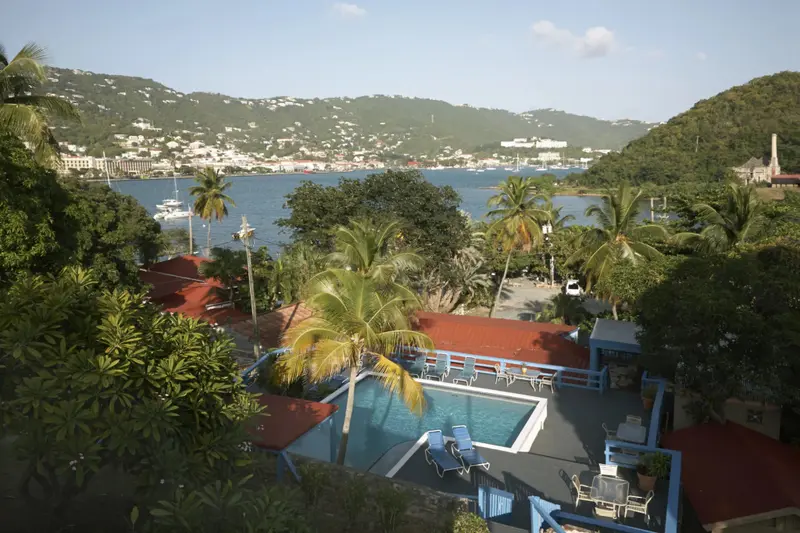
Allow seven to ten days for a sensible mix of boat diving around St Thomas, shore dives, a trip towards St John or the nearby cays, and weather contingency. Accommodation near a beach may put a shore entry within walking distance, while other bases require a taxi or hire car to reach the marina. Non-divers can fill the gaps with Charlotte Amalie, beaches, viewpoints, snorkelling, kayaking and boat trips.
Hello, I'm Marina, DivingDeal.com's AI assistant. I guide you through destinations, areas and countries.
Thinking about the whole trip and the flights? Talk it over with Edith →
Marina is an AI. Some links are affiliate links: DivingDeal may earn a commission, at no extra cost to you. Bookings are made with the partner.
December to June generally brings steadier winds and weather, with visibility more often favourable. From June to November, rain, changing swell and tropical systems can disrupt boat plans. August and September need particular caution, while runoff can reduce visibility later in the rainy season. Keep a spare day available.
St Thomas suits newly qualified divers and experienced divers when the site matches conditions. Sheltered bays and shore entries work well for beginners, refresher dives and gentle starts. Advanced Open Water training helps with deeper or exposed sites, while Wreck certification is relevant for suitable penetrations or deeper wreck work. Avoid strong currents as a first choice.
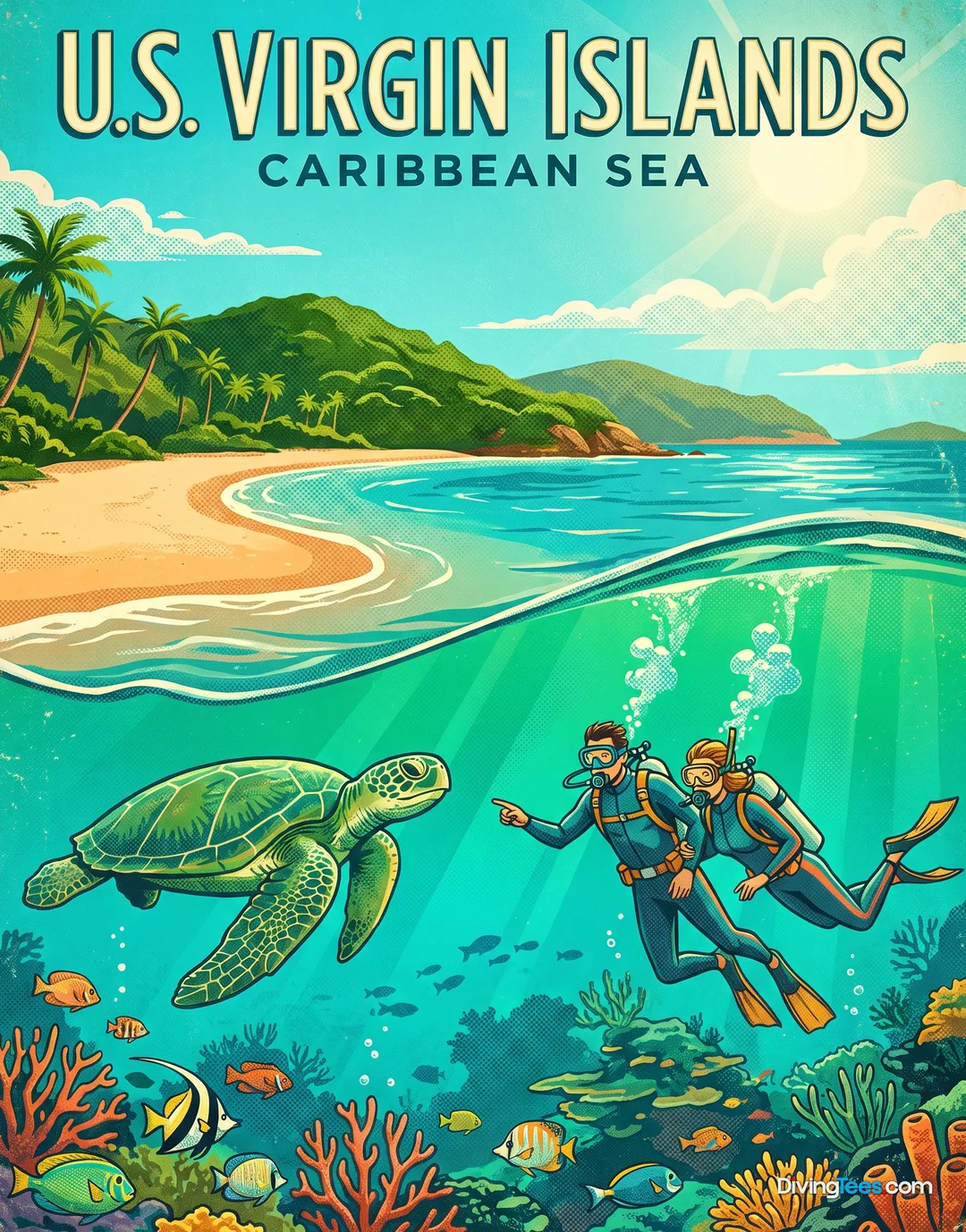
Diving in St Thomas includes tropical reef fish, sea turtles, volcanic pinnacles, tunnels, drop-offs and reef wrecks. Turtles may appear throughout the year, while eagle rays and reef sharks are occasional encounters. Visibility is often clear in settled weather, but rain, swell and runoff can stir sediment and reduce the view.
Plan a land-based stay around boat diving from the marinas, sheltered shore entries and an excursion towards St John or nearby cays. Allow time for weather changes and match each site to your group’s experience. Morning departures can offer calmer conditions, while taxis or a hire car help connect beaches, marinas and dive centres.