
Nep2une Scuba Diving
Google 4.9/5 (236 reviews)
U.S. Virgin Islands · Caribbean
Frederiksted Pier’s coral-coated pilings, 27-metre extensions, gentle currents and seahorses make St Croix a relaxed base for varied Caribbean diving.
For subtitles in English: start the video firstthen click the gearat the top right of the video, select “Subtitles/CC”, then “Auto-translate” and choose “English”.
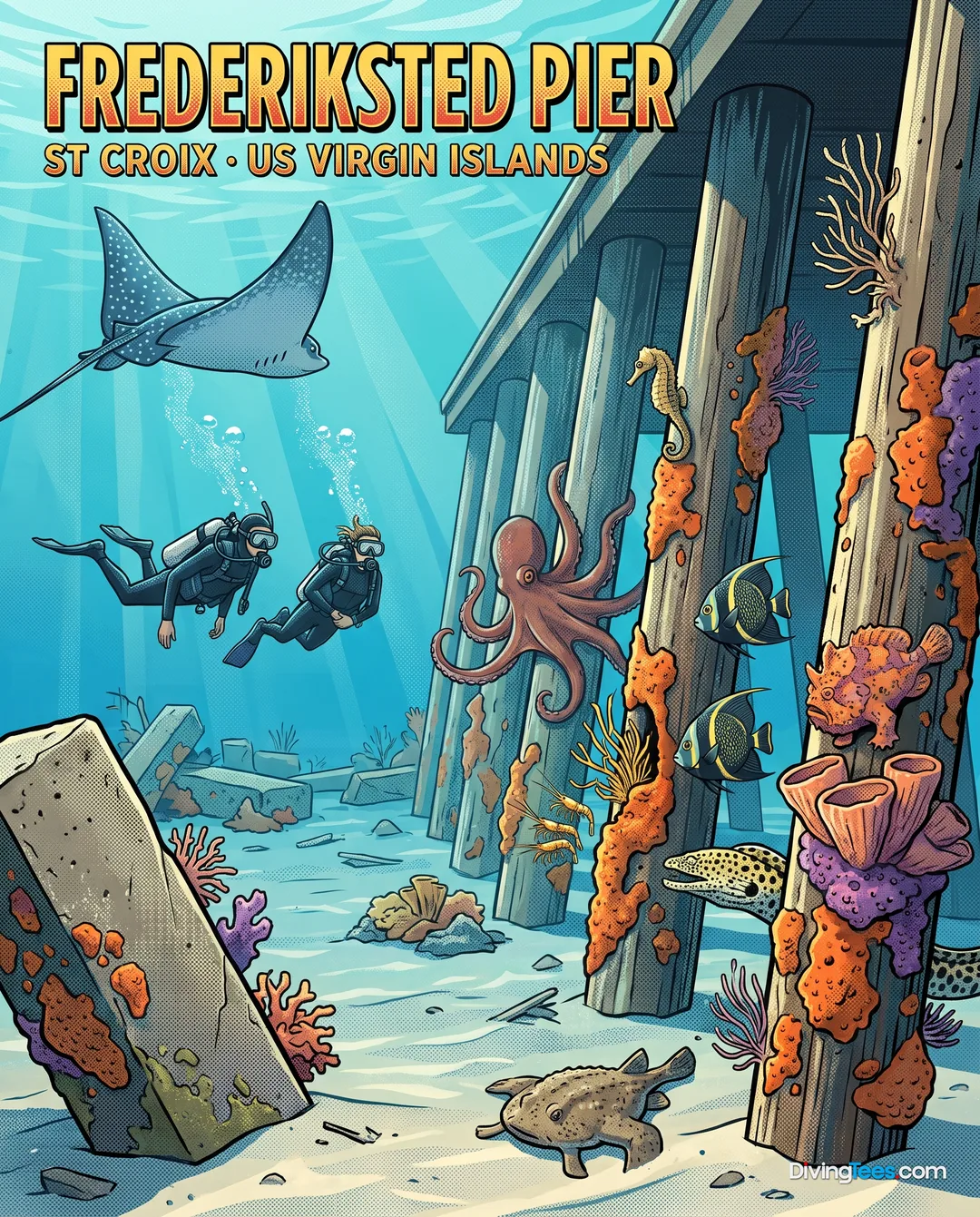
Frederiksted Pier’s coral-encrusted pilings lead into a mixture of reef, wall and wreck diving that suits a week based ashore. St Croix is not built around liveaboards or long daily transfers: divers can combine shore entries with short boat journeys and still change the character of the diving from one day to the next. The island works particularly well for divers who want variety without a demanding expedition, and for couples where the non-diver would rather have a proper island stay than remain aboard a dive boat.
The diving mixes coastal reefs, deeper walls and a handful of wreck-style sites, with generally light current and conditions that operators describe as suitable for all levels. Frederiksted Pier shows the range neatly: Open Water divers can stay around the shallow pilings, while the Tres Amigos extension reaches 27 metres for those with suitable training and experience. The structure is covered in coral, with scattered ruins around it and plenty of reason to look closely rather than simply swim along the bottom. Visibility at the pier is typically above 24 metres. Shore diving is an important part of the local pattern, not merely a fallback when boats are unavailable, while boat trips keep transfers short and make it practical to alternate reefs, walls and deeper sites.
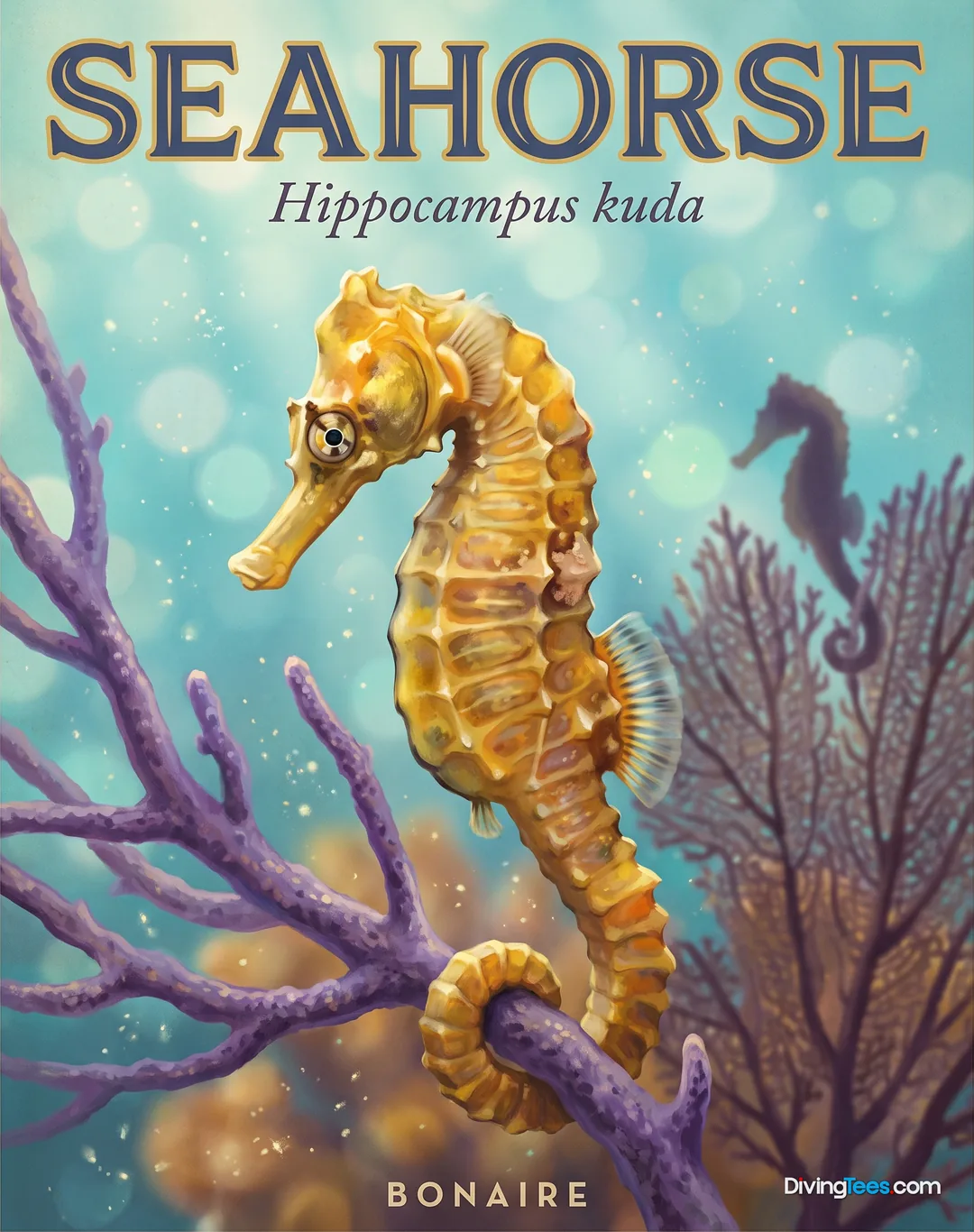
The named marine encounter for St Croix is the seahorse, best approached as a patient search rather than a guaranteed headline sighting. Frederiksted Pier is particularly suited to that style of diving: the pilings and scattered ruins create small habitats where a slow pace and careful observation matter more than covering distance. Macro life around the structure gives experienced divers something to do on a familiar site, while newer divers can concentrate on buoyancy and navigation in the shallower sections. The available site information does not establish a distinct seasonal window for seahorses, so the sensible approach is to treat them as a possibility throughout a stay and allow time for unhurried looking rather than building the itinerary around a particular month.
December to April is the island’s driest period, making it the clearest practical choice for a shore-based diving holiday. Lower rainfall can make days on land more comfortable and leaves more flexibility for alternating boat trips with shore dives. It is not a promise of identical sea conditions on every day, and St Croix’s diving is not presented with a fixed visibility season. A seven-to-ten-day stay gives enough room to use the island’s simple logistics properly: repeat a productive shore site, fit in a wall or wreck dive, and keep a weather-flexible day rather than forcing every dive into one pattern.
This coast is exposed to sargassum strandings, whose intensity varies greatly from year to year. To find out more, see the “Sargassum alert” panel on this page.
St Croix is suitable for all levels, with Frederiksted Pier offering a straightforward progression from shallow pilings at around 10 metres to the 27-metre Tres Amigos extension. Open Water certification is sufficient for the shallower sections; Advanced Open Water training is recommended for the deeper extension. The generally light current and accessible shore diving suit divers who prefer measured profiles, while Nitrox is useful for those planning several reef and wreck dives across consecutive days. BSAC, PADI and SSI divers should confirm the operator’s depth and qualification requirements for each planned site.
From London Heathrow, Gatwick or Manchester, reaching St Croix normally involves a connection in the Caribbean or the United States; there is no ferry leg required to reach the island itself. The important planning point is to allow for the connection rather than assuming a simple direct European arrival, since the route is built around onward travel after the first flight. Once on St Croix, the diving logistics are mainly by road. Accommodation and dive centres are linked by hire car, taxi or walking where the location allows, so choosing a base near the intended diving area can remove repeated cross-island journeys. Shore dives and short boat departures keep the daily transfers manageable.
Build the week around both shore and boat diving. Treating St Croix as a boat-only destination misses one of its useful advantages, while assuming every day will be a shore day leaves out the walls and deeper sites. Ask about Frederiksted Pier’s shallow pilings and the Tres Amigos extension separately: the former fits Open Water profiles, whereas the latter calls for Advanced Open Water-level depth planning. An own dive computer is worthwhile when alternating shore, reef and wreck profiles, and Nitrox can make repeated days more comfortable if the diver is qualified. For a quieter rhythm, use early departures or shore entries instead of the most conventional boat slot. Keep Buck Island Reef National Monument within the itinerary, but follow the briefing closely: it is a no-take area, anchoring on sensitive areas is prohibited, and coral and marine life must not be touched. A mixed plan is more rewarding here than repeating similar sites.
A practical stay lasts seven to ten days, with diving organised from accommodation on the island rather than from a liveaboard. Shore entries can provide flexibility between short boat outings, rest days and weather changes. A sensible sequence alternates reefs, walls, the pier and any suitable wreck diving instead of stacking similar profiles together. Non-divers have enough time ashore for beaches, coastal walks and protected natural areas, while the final day is better kept low-effort before flying.
Hello, I'm Marina, DivingDeal.com's AI assistant. I guide you through destinations, areas and countries.
Thinking about the whole trip and the flights? Talk it over with Edith →
Marina is an AI. Some links are affiliate links: DivingDeal may earn a commission, at no extra cost to you. Bookings are made with the partner.
Your last day stays dry: no diving in the 18-24 hours before a flight, the perfect window to see the destination from another angle.
 Culture
⏱ 3 h · ★ 5.0 (87 reviews)
from £76$102€91
see on Viator ↗
 Culture
⏱ 2 h · ★ 4.9 (70 reviews)
from £34$46€41
see on Viator ↗

⏱ 4 h · ★ 3.9 (9 reviews)
from £29$39€35
see on Viator ↗
Ratings and reviews collected by Viator and Tripadvisor.
You will find the driest period from December to April, which can make shore-based diving and time ashore more comfortable. Rainfall can affect flexibility between boat trips and shore entries, although sea conditions are not presented as fixed by season. Keep your schedule adaptable rather than expecting identical conditions every day.
You can dive St Croix at any level. Open Water certification is sufficient for the shallow Frederiksted Pier pilings, while the deeper Tres Amigos extension requires suitable training and experience, with Advanced Open Water recommended. Generally light current and accessible shore diving suit measured profiles, while operators should confirm requirements for each site.
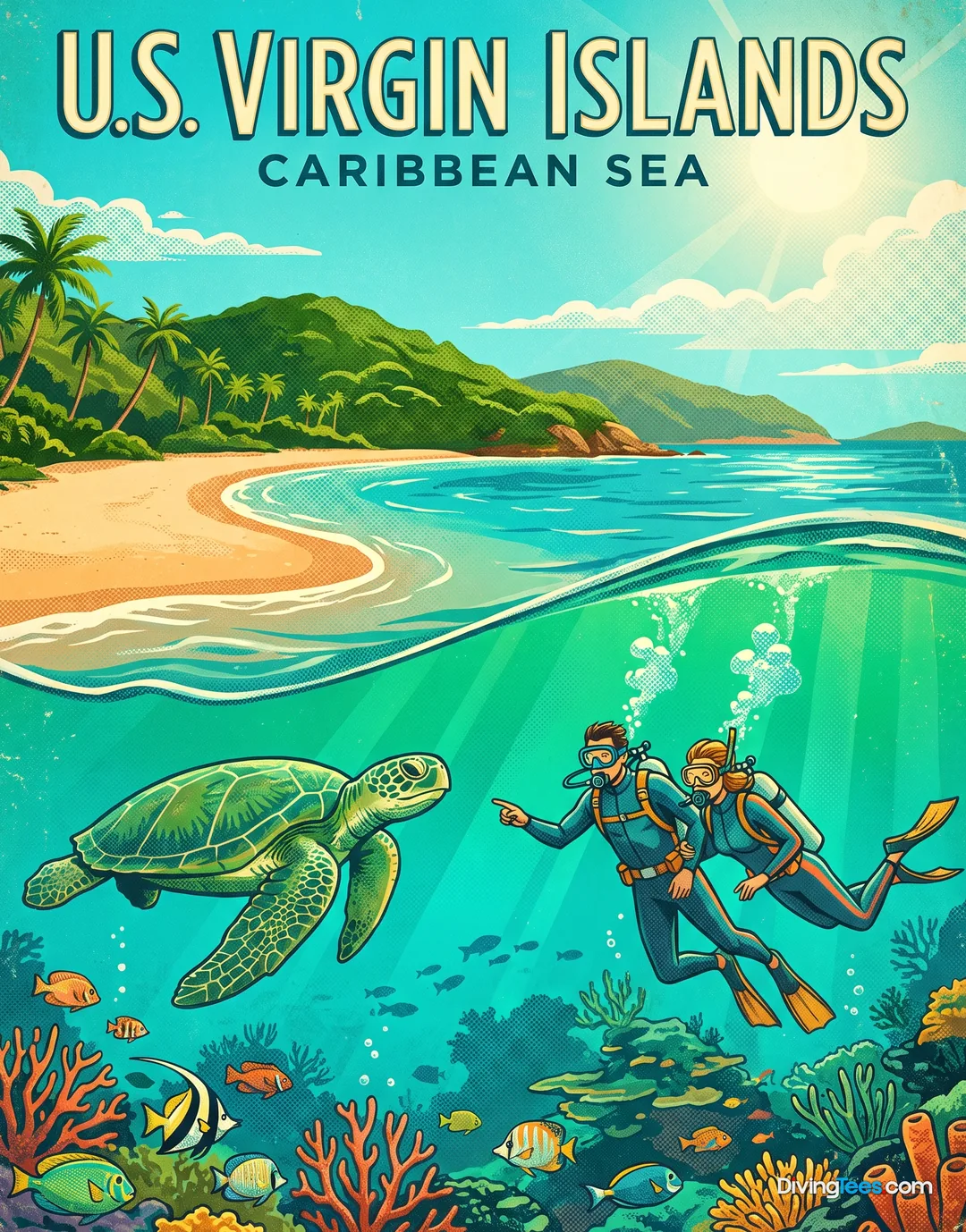
You can explore coral-coated pier pilings, coastal reefs, walls, scattered underwater ruins and wreck-style sites around St Croix. Frederiksted Pier also offers macro habitats where patient searching may reveal seahorses. Buck Island Reef National Monument adds protected reef diving, with briefings requiring you not to touch marine life or coral.
Plan a shore-based stay that combines shore entries with short boat trips, rather than treating St Croix as boat-only. Base yourself near your intended diving area to reduce road travel, alternate reefs, walls, the pier and deeper sites, and keep flexibility for weather. A seven-to-ten-day visit allows varied diving and time ashore.