
Temple Adventures Divers India
Google 4.8/5 (3,172 reviews)
India · Indian Ocean
Artificial reefs, the Trawler Wreck, deep drop-offs and barracudas give Puducherry’s boat diving a distinctly Indian coastal character.
For subtitles in English: start the video firstthen click the gearat the top right of the video, select “Subtitles/CC”, then “Auto-translate” and choose “English”.
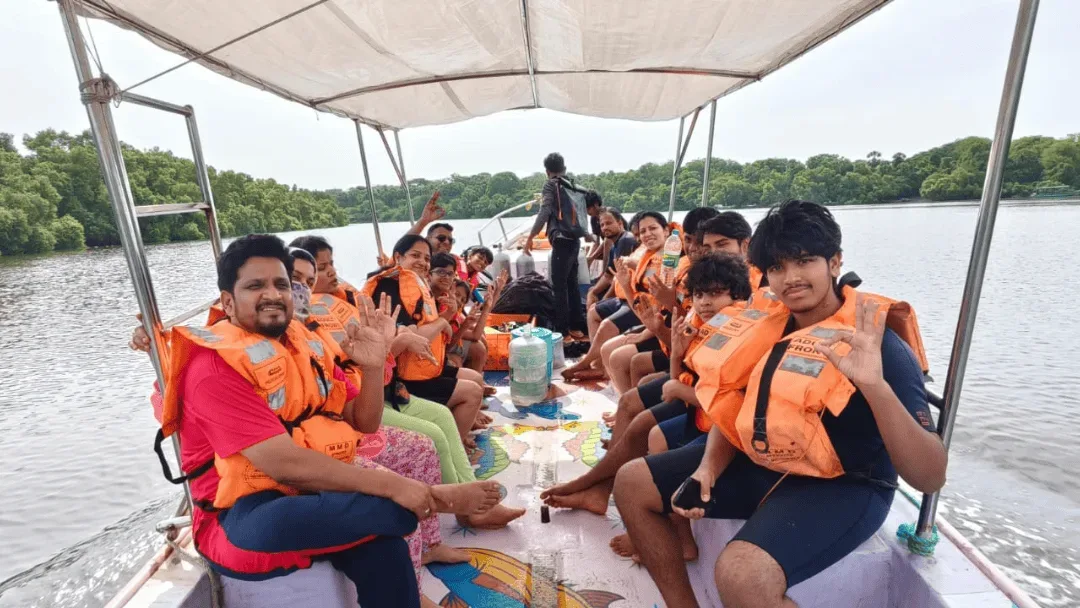
Artificial reefs, wrecks and drop-offs are the practical face of diving from Puducherry, with boat trips leaving the town’s coast rather than a liveaboard itinerary. This is a shore-based Indian break where a morning underwater can be followed by French-influenced streets, the seafront or a cultural visit. The appeal is the mixture: beginner-friendly sites sit in the same local diving area as deeper water approaching 40 metres. It suits divers who want several sea days without giving up a proper town ashore.
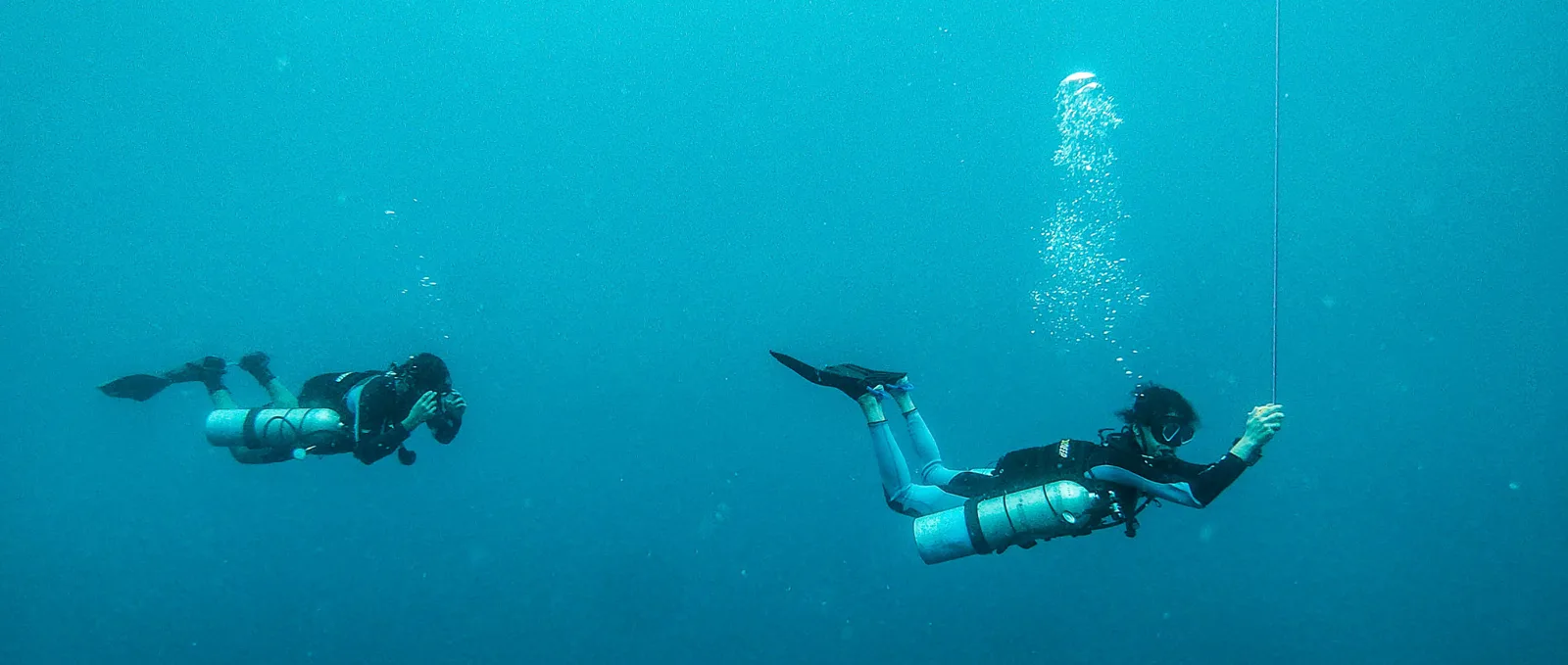
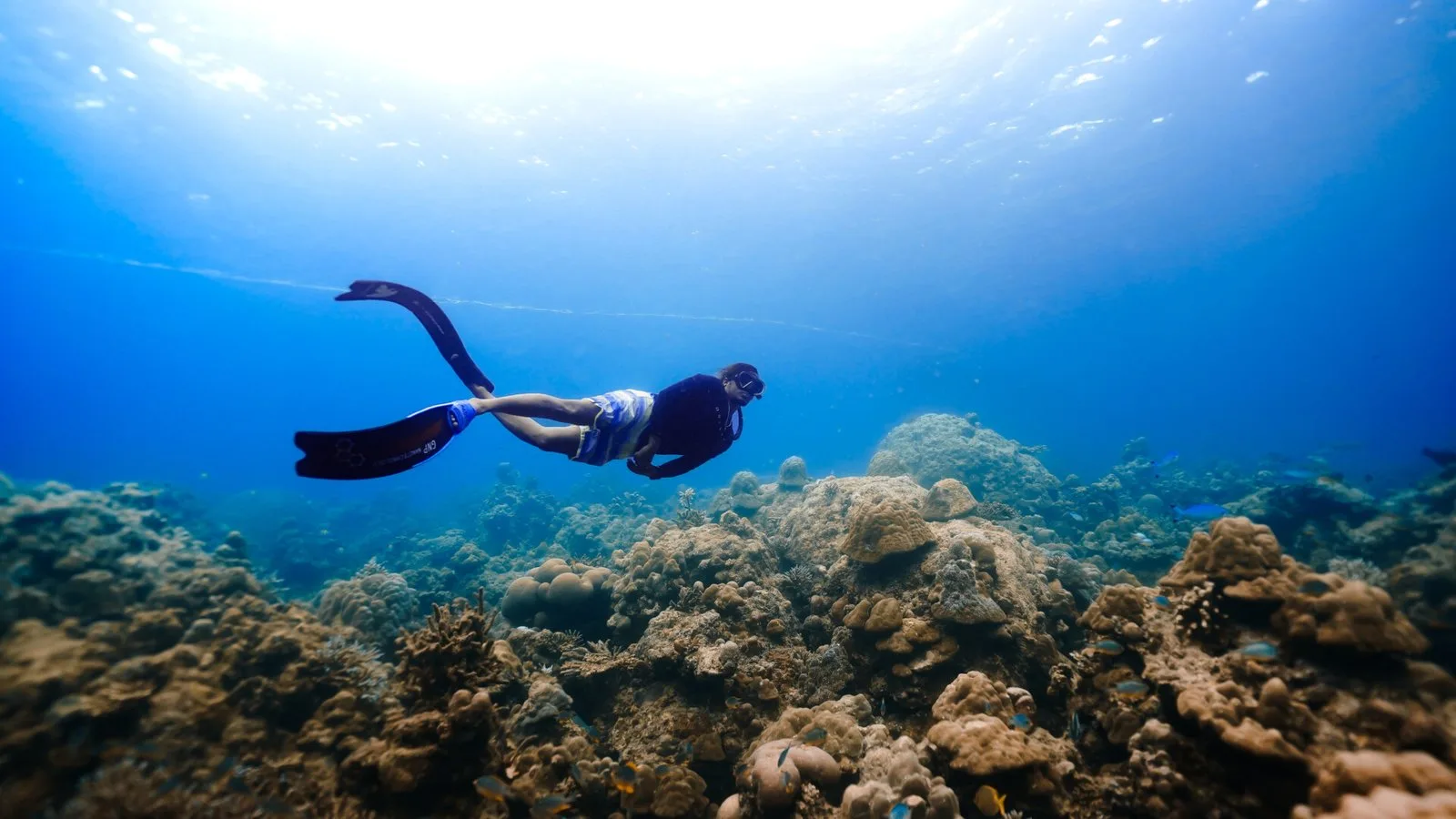
Underwater, Puducherry shifts between natural reef, artificial reef, drop-offs and wrecks, so the character of a dive depends heavily on the site chosen. Published depths run from about 5 metres to roughly 40 metres. Some locations are suitable for first dives, while others bring greater depth, swell or current. Visibility can range from 5 to 30 metres, with the lower end more likely after rain, coastal run-off or unsettled sea conditions. Expect boat diving from the shoreline, not a walk-in beach routine, and allow for a briefing that may change the plan on the day. The wrecks offer a different shape from the reefs, while the drop-offs add depth and blue-water exposure. This is not a destination to judge from one headline visibility figure: conditions vary markedly between sites and outings.
Barracudas and octopuses are the dependable encounters across the year, while turtles and rays appear according to the site and the individual outing. Nudibranchs are occasional finds for divers prepared to slow down over the reef rather than simply follow the larger shapes. The artificial reefs provide hard surfaces for tropical marine life, alongside the natural reef, drop-offs and wreck structures. Whale sharks are rare and should not be treated as a reason to choose a particular month. There is no strong seasonal wildlife calendar to build a trip around, so the sensible expectation is year-round tropical life with occasional larger-animal surprises. Good visibility may make photography easier, but the water can change with swell, rain and run-off, so a clear day is never guaranteed.
February to April is the most dependable window, when the sea is more often settled and visibility has its better chance. October and November can also work well as conditions improve after the monsoon. June to September is the awkward period: the rainy season brings more swell and rain, and coastal run-off commonly reduces visibility or prevents boat trips. The dry-season months are also when demand for boats and sites is higher, particularly around holidays. Build in spare days rather than fixing every dive in advance, because a calm forecast is more useful here than a wish list of sites.
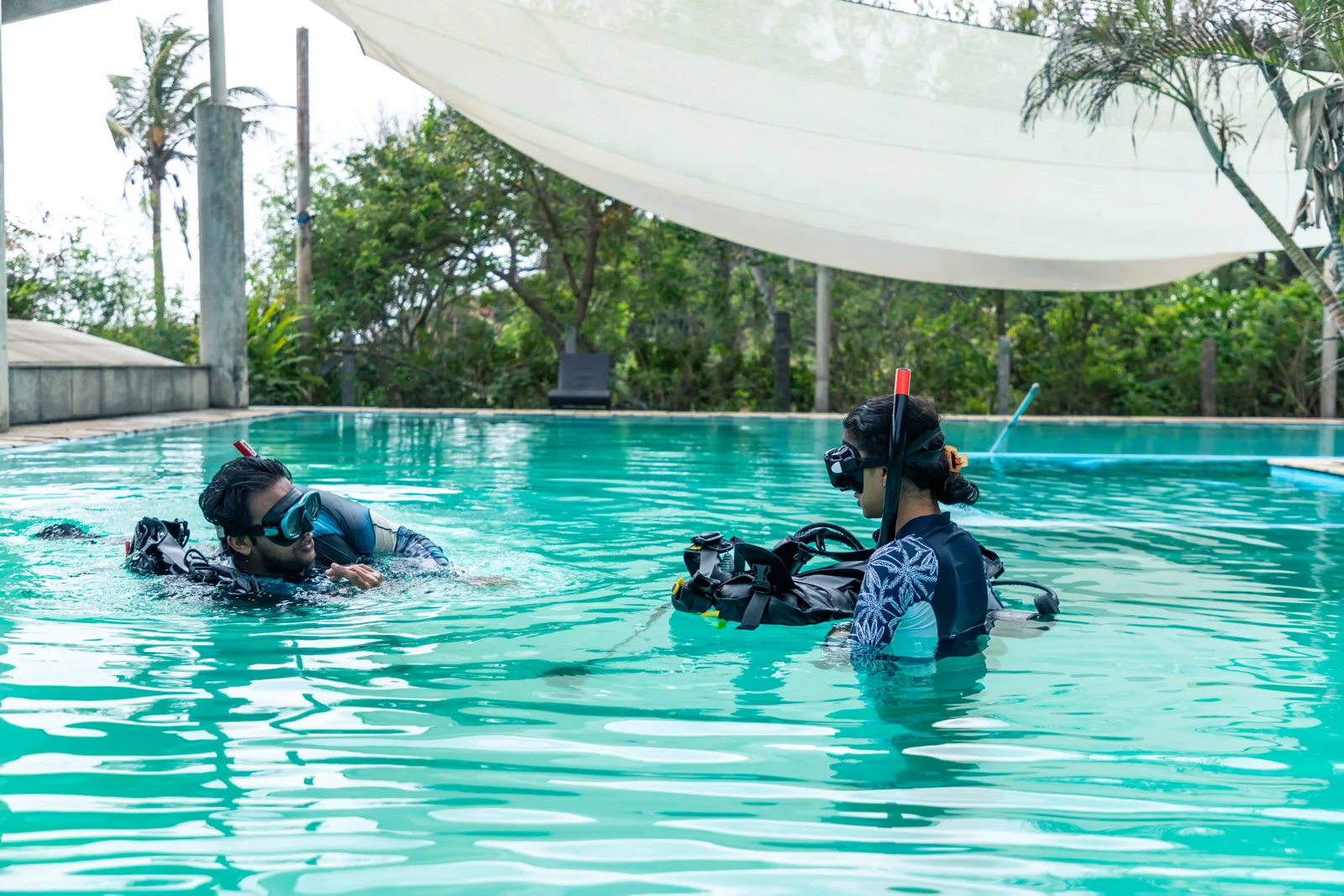
Puducherry can suit beginners because some sites are presented as suitable for initial training, but it is not exclusively shallow-water diving. Open Water divers, whether trained through BSAC, PADI or SSI, should match the site to their recent experience and the conditions on the day. Advanced Open Water, or an equivalent depth qualification, is useful for sites approaching 40 metres. Nitrox can be worthwhile during repetitive diving days, provided the diver is trained and the centre supports it.
From London or Manchester, reach Puducherry by road from Chennai, or use a domestic flight to Puducherry when one is operating. The flight option is not something to assume without checking for the dates of travel, so a Chennai road connection may be the more dependable structure for the journey. There is no regular sea ferry to arrange. Once in Puducherry, the diving starts from the town’s coast. Depending on where you stay, reaching the centre may mean walking, taking a taxi or using a local transfer. Keep the onward connections in mind when building the itinerary, because the boat diving and the road journey are separate parts of the trip.
Leave room in the plan for the sea to overrule you. A five to seven-day stay gives you a better chance of keeping several boat days available when swell or monsoon weather interrupts a departure. February to April is the safer choice if calm water and visibility matter most, while June to September is a poor period for a tightly packed diving schedule. Ask about the day’s visibility before committing to a photography-heavy site, and do not read a published 30 or 40-metre figure as a normal promise for every dive. Check the depth and your own certification before accepting a deeper site, particularly when moving beyond the beginner locations. Bring specialised camera accessories if you need them, rather than assuming every local centre will have the exact item. Arrange the first dives early in the stay, then keep a full day without immersion before flying.
Plan Puducherry as a five to seven-day land-based stay, with daily boat outings when the sea permits. That length leaves space to try different profiles, from artificial reefs and wrecks to deeper drop-offs, without turning one cancelled departure into a ruined holiday. Between dives, the historic quarter, French-influenced architecture, seafront and nearby cultural or spiritual sites give a non-diving companion plenty to do. Keep the final day for land-based activities rather than trying to fit in a last immersion.
Hello, I'm Marina, DivingDeal.com's AI assistant. I guide you through destinations, areas and countries.
Thinking about the whole trip and the flights? Talk it over with Edith →
Marina is an AI. Some links are affiliate links: DivingDeal may earn a commission, at no extra cost to you. Bookings are made with the partner.
February to April is the most dependable period, with calmer seas and a better chance of useful visibility. October and November may also work as conditions improve after the monsoon. June to September brings more rain, swell and coastal run-off, which can reduce visibility or prevent boat departures.
Puducherry includes sites suitable for first dives, so beginners can find appropriate training locations. Open Water divers should choose sites that match their recent experience and the day’s conditions. Deeper sites approaching forty metres are better suited to Advanced Open Water or equivalent depth qualifications, while Nitrox requires suitable training and centre support.
Puducherry combines natural and artificial reefs, wrecks and drop-offs, with depths ranging from shallow sites to water approaching forty metres. Barracudas and octopuses are dependable encounters throughout the year. Turtles, rays and nudibranchs appear occasionally, while artificial reef structures provide hard surfaces for tropical marine life.
Plan a shore-based stay with boat outings departing from Puducherry’s coast, and leave spare days because swell or weather can interrupt departures. A five to seven-day itinerary allows different reef, wreck and drop-off profiles. Arrange early dives, keep the final day for land activities, and leave a full day without immersion before flying.