

The Dive Master
Google 4.9/5 (3,632 reviews)
India · Indian Ocean
Vertical coral walls, barracuda-filled pinnacles, a 1955 cargo wreck and shallow turtle reefs shape Havelock's boat-diving appeal.
For subtitles in English: start the video firstthen click the gearat the top right of the video, select “Subtitles/CC”, then “Auto-translate” and choose “English”.
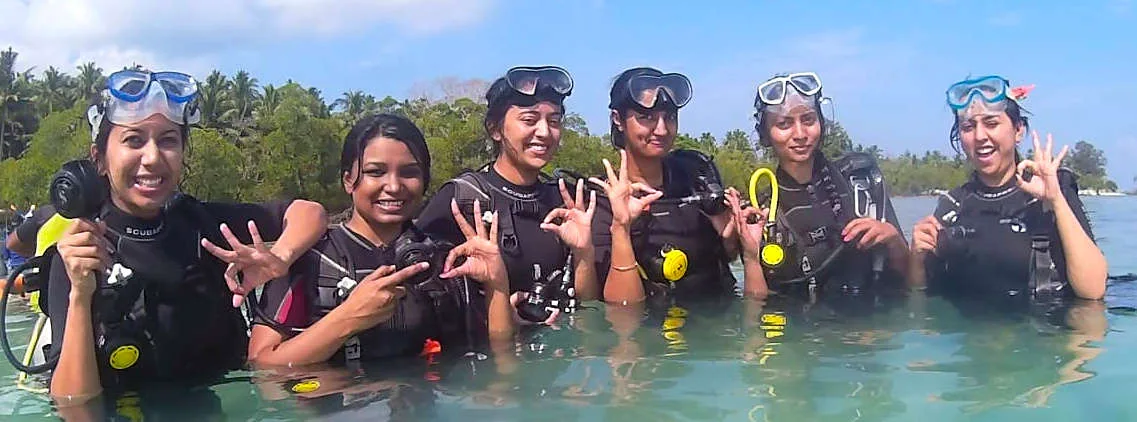
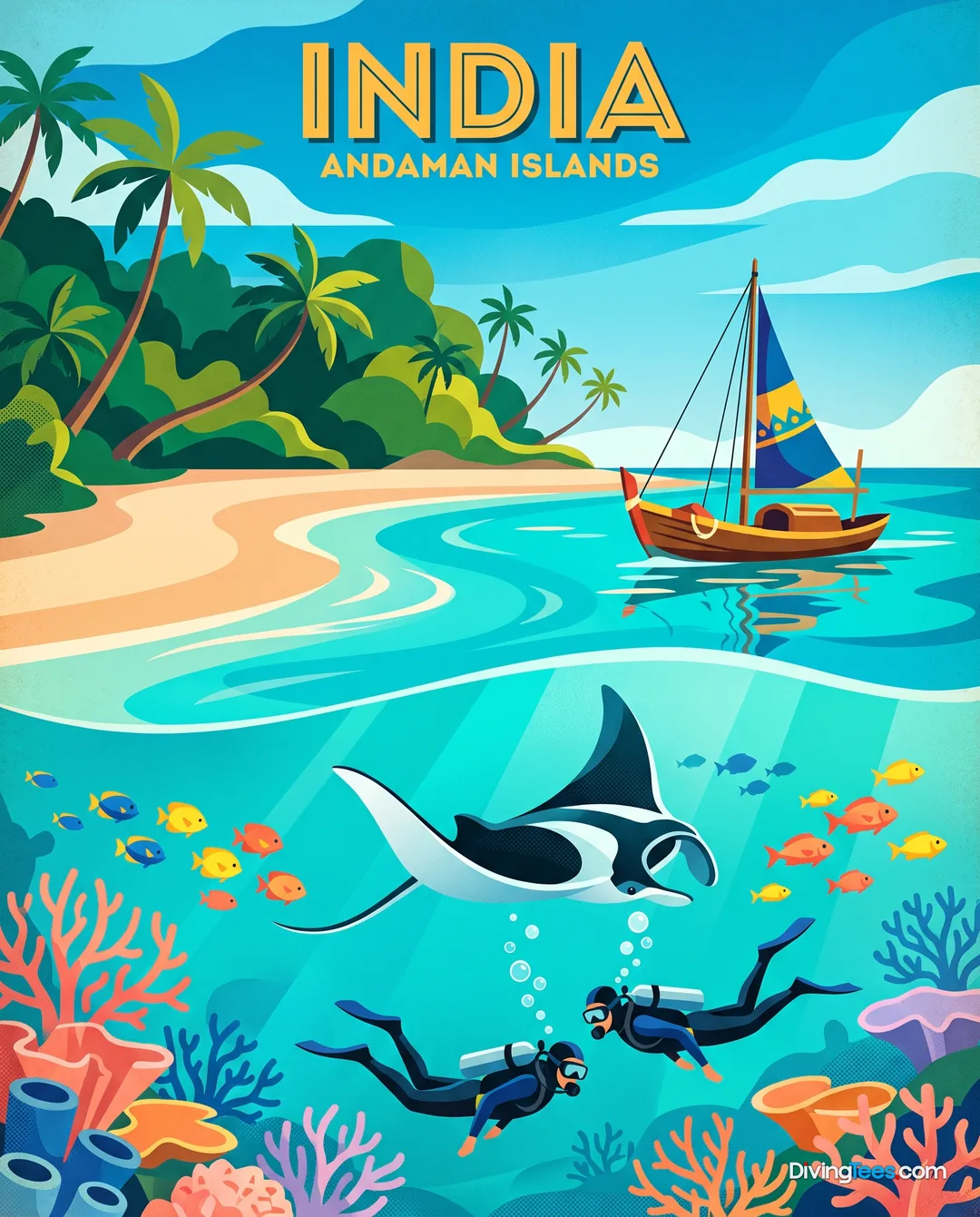
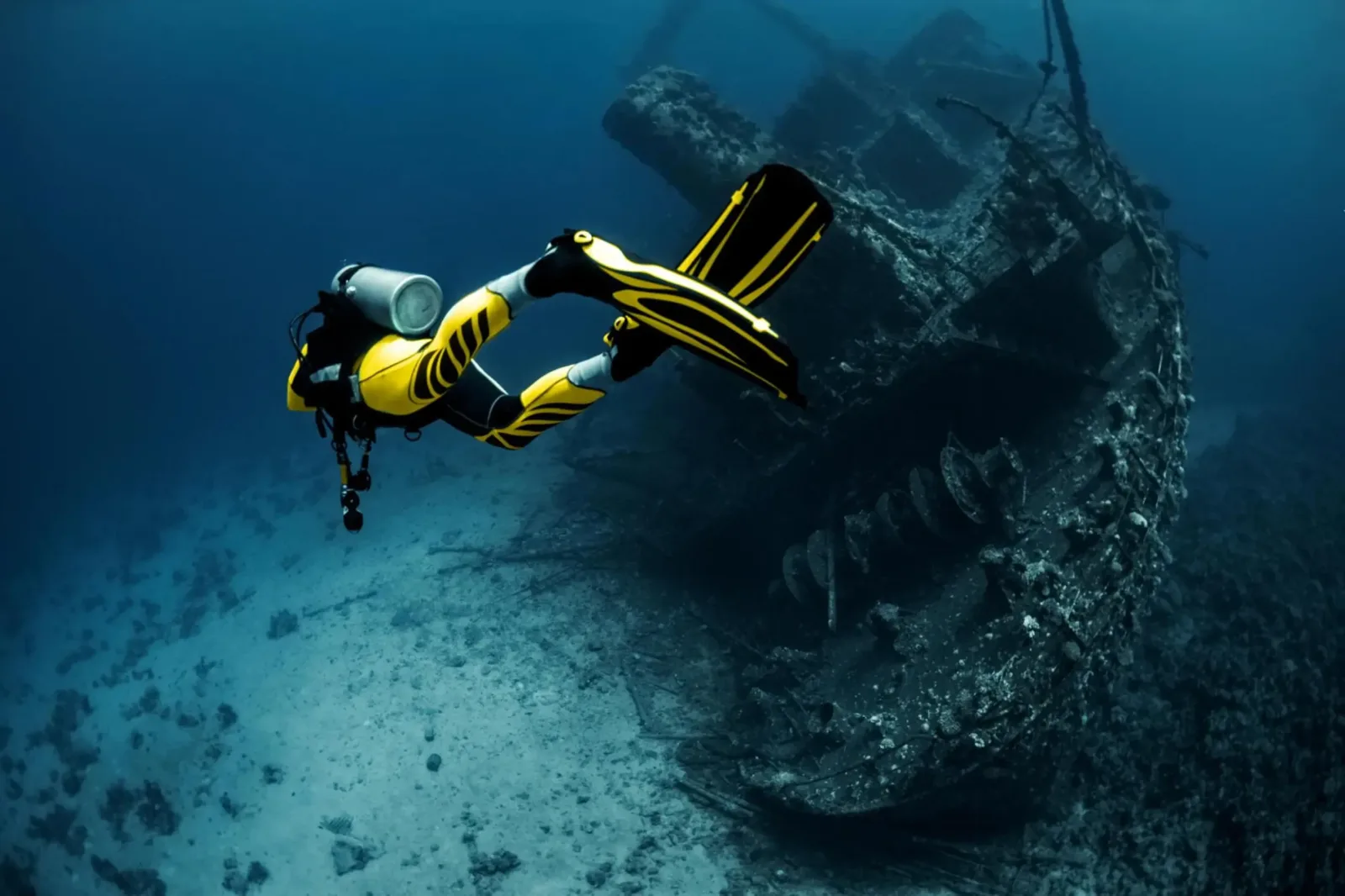
Havelock is an island base for boat diving rather than a single headline site. Its underwater scenery ranges from the vertical face of The Wall to rocky pinnacles, coral gardens and the Inchkeith Wreck, a 1955 cargo ship now supporting marine life. The arrangement suits divers who want several days of warm-water reef diving from one small island, with beaches and unhurried land time available between departures. It also works for travelling companions who do not dive.
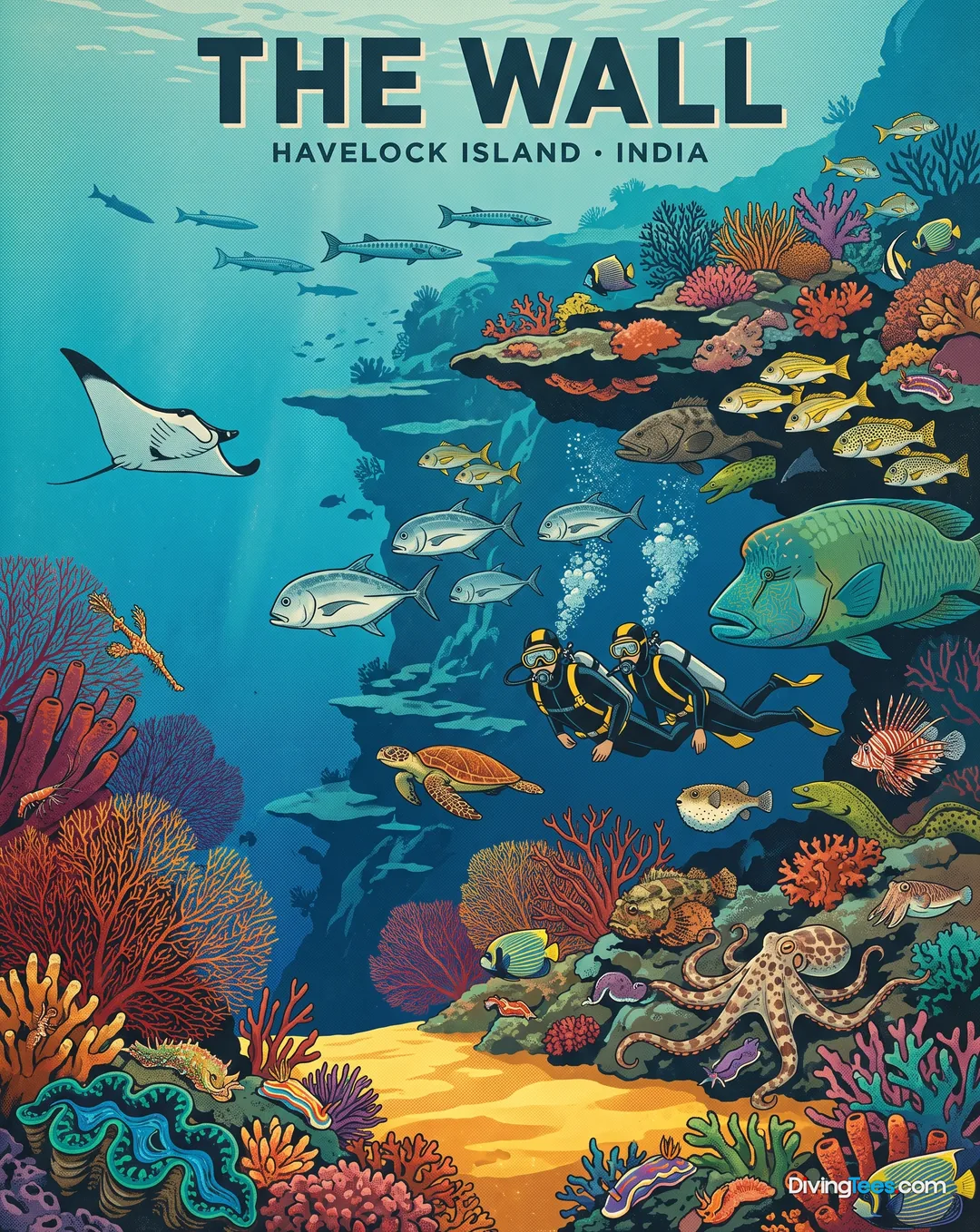
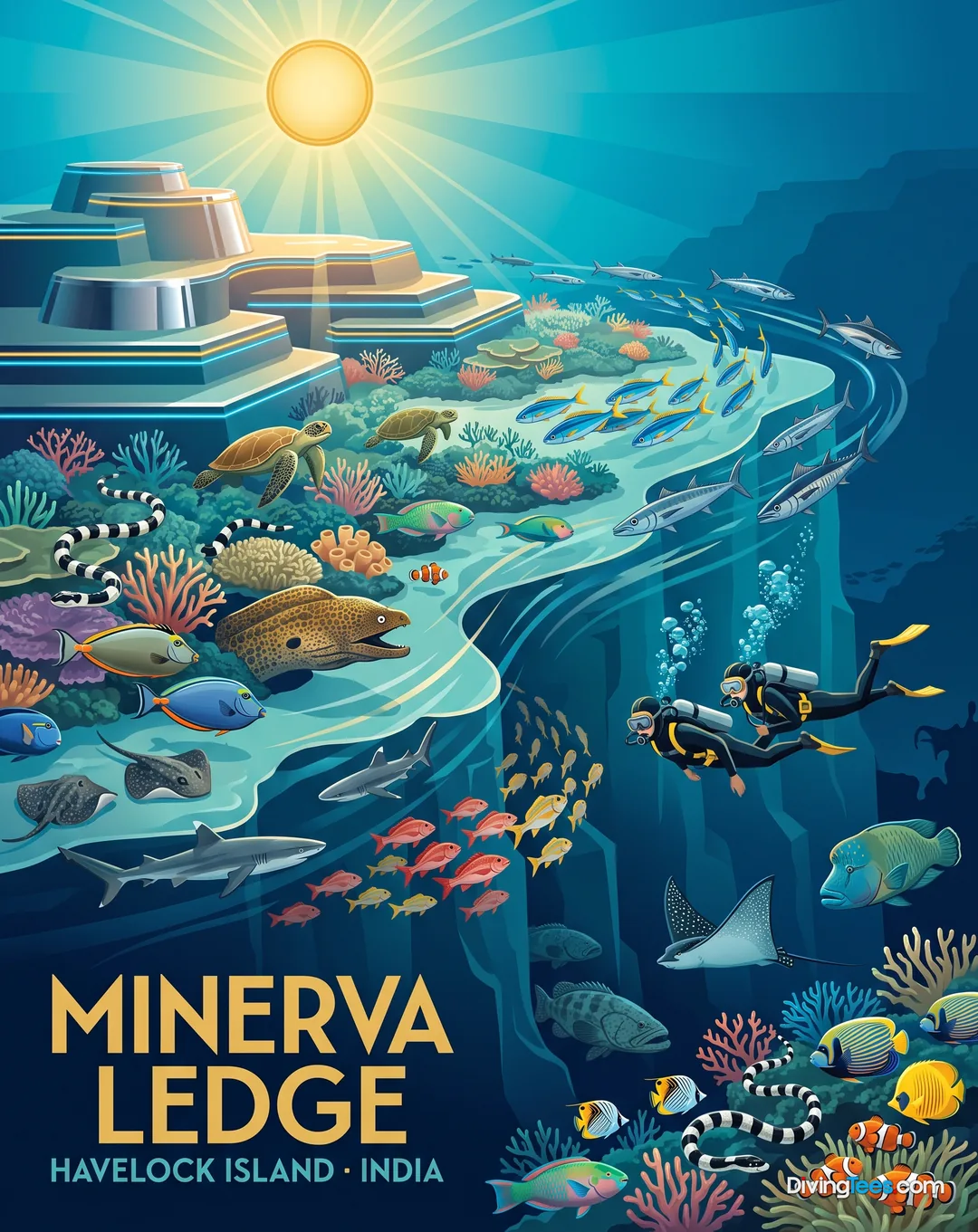
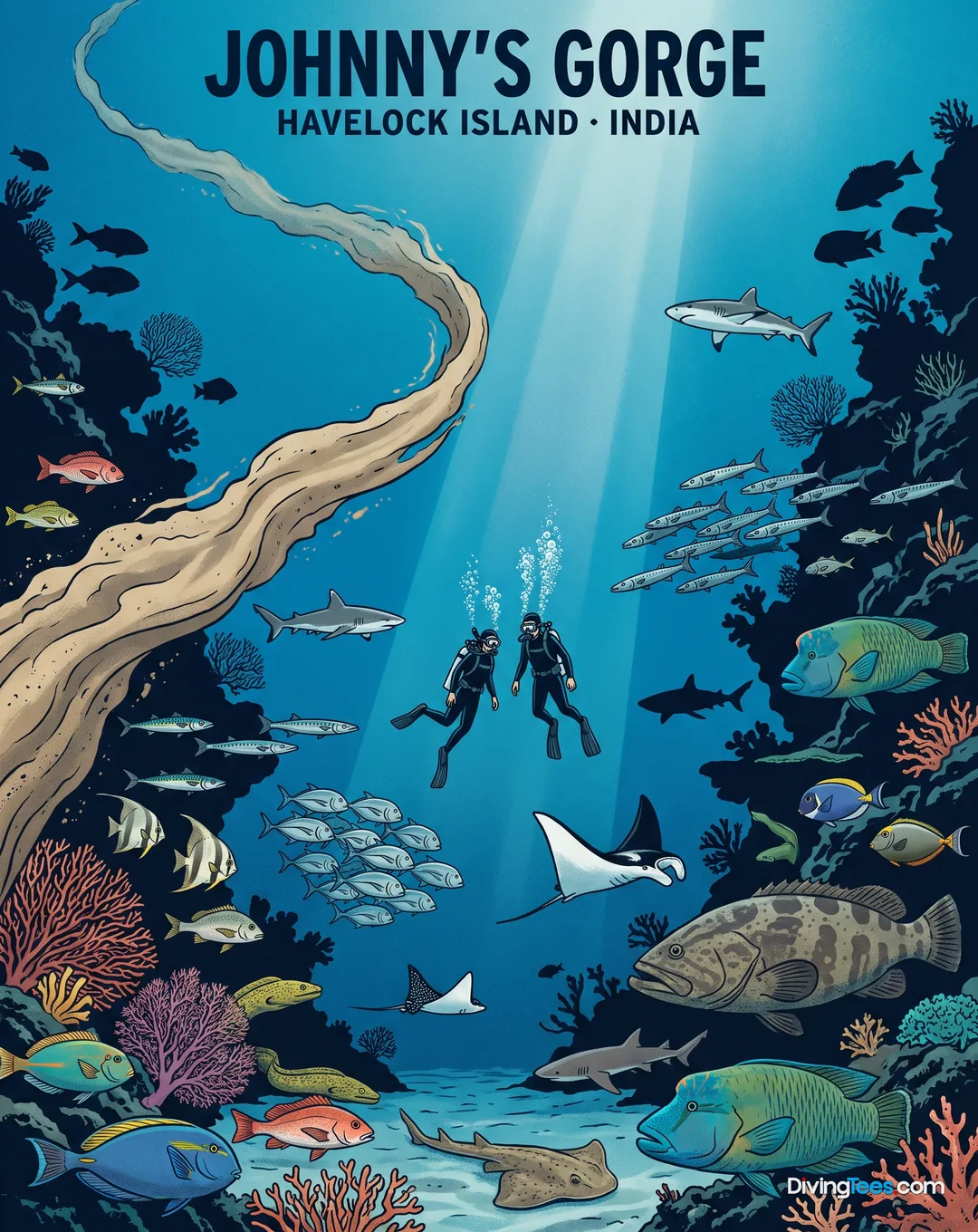
The diving is built around boat trips to reefs, ledges, walls and pinnacles, with a mixture of shallow coral work and deeper profiles. The Wall falls beyond 50 metres, while White House Rock reaches 50 metres and Dixon’s Pinnacle descends to 35 metres. These are not merely depth numbers: divers may follow a wall, work around a pinnacle or hold position while current brings pelagics into view. Current is variable across the area, but Johnny’s Gorge, Jackson’s Bar, Minerva Ledge and Dixon’s Pinnacle can be strong, particularly around exposed formations and tidal changes. Sheltered options include Turtle Beach, Tribe Gate and Nemo Reef. Visibility is often 20 to 30 metres, although the Inchkeith Wreck can be more moderate. Most outings are boat-based; Nemo Reef is the notable gentle shore-entry option.
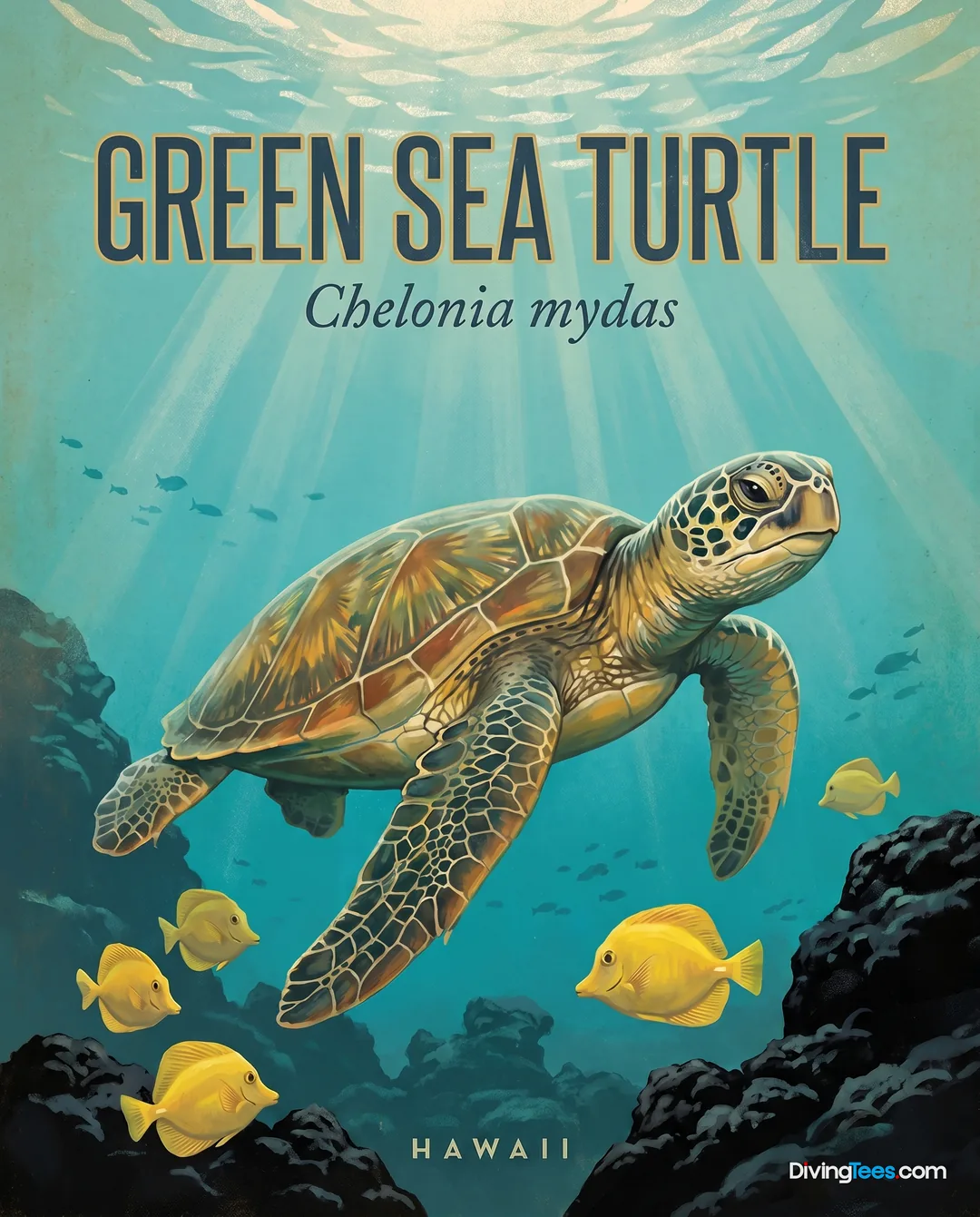
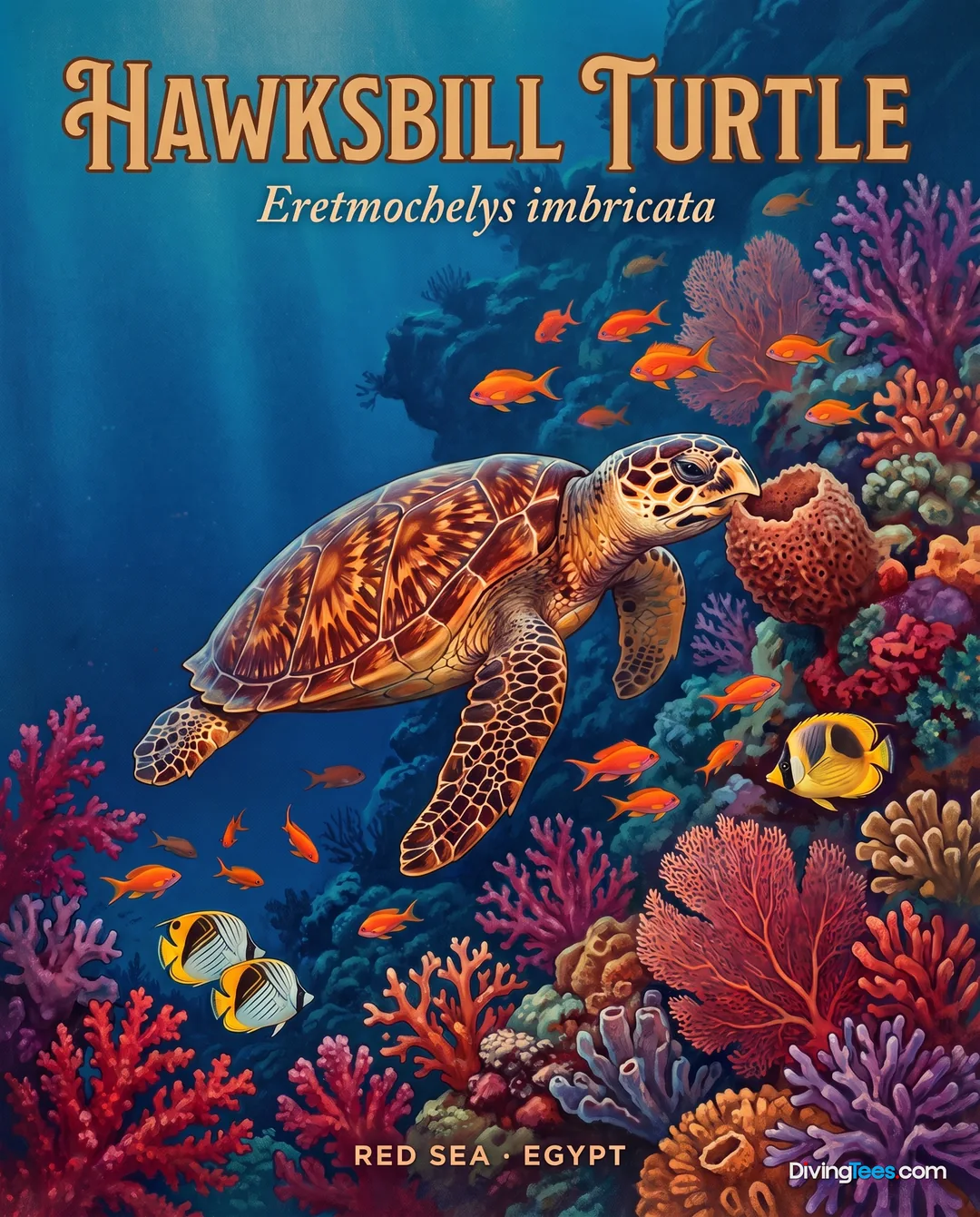
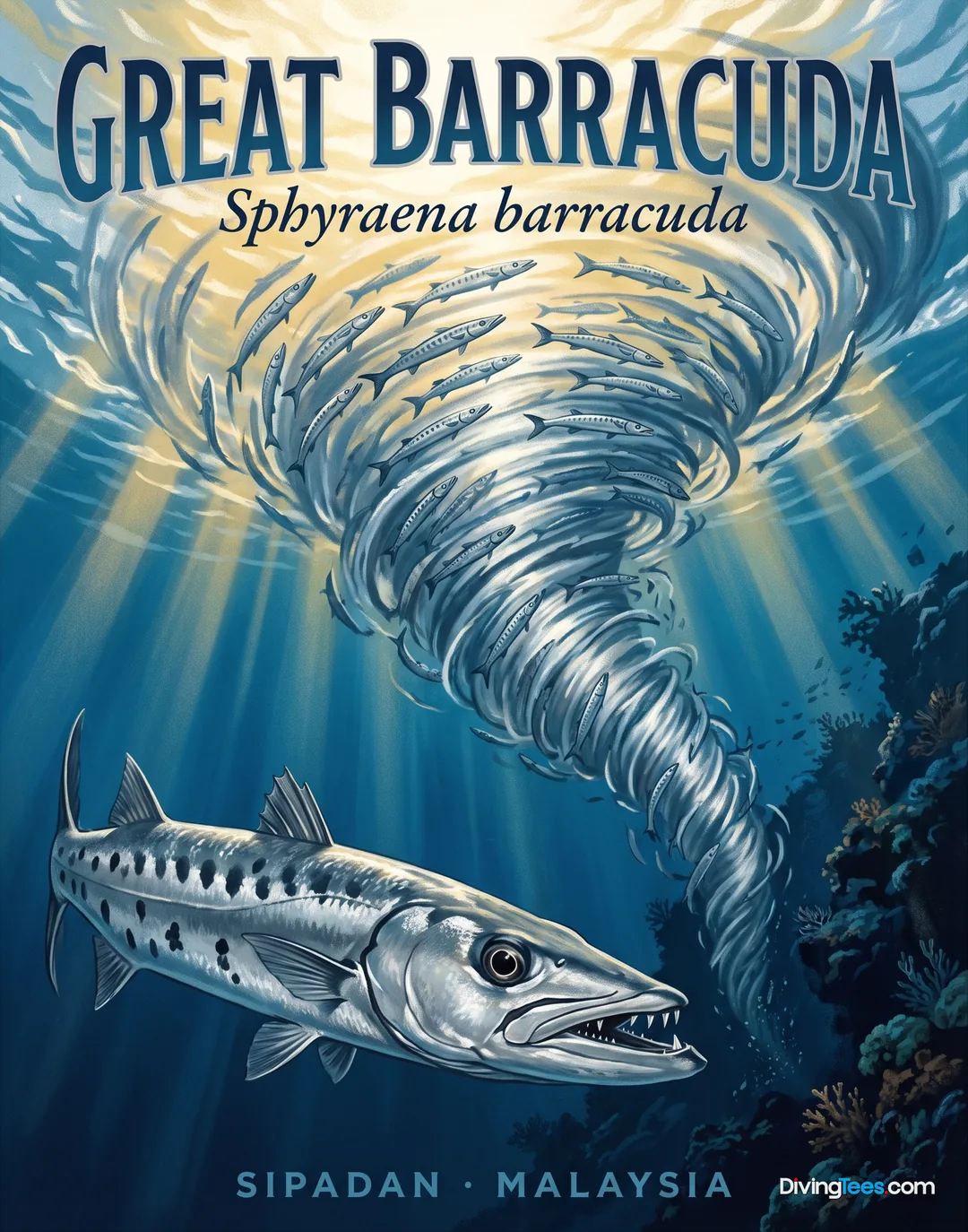
Havelock rewards patient reef scanning as much as big-animal expectation. The site material lists great barracuda, fusiliers, bigeye trevally, jacks, snappers, sweetlips, groupers, parrotfish and reef fish among the regular cast, with moray eels, octopus and scorpionfish occupying holes and ledges. Johnny’s Gorge is associated with reef sharks, barracuda and trevally, while Jackson’s Bar brings the possibility of tuna, rays and sharks in stronger current. The Wall and White House Rock combine soft corals with the chance of pelagic encounters. Turtle Beach is the calmer choice for green and hawksbill turtles, with the clearest water and most frequent turtle sightings reported from November to February. Manta rays and Napoleon wrasse are possible encounters, but they should be treated as a bonus rather than a timetable.
January to April is the most dependable window for Havelock's diving: the sea is at its calmest, making boat departures and exposed sites more manageable. Rainfall is generally lower from November to April, which also makes the island easier to enjoy between dives. October to May is a useful wider season for several named sites, including Turtle Beach, Tribe Gate and the Inchkeith Wreck, but conditions still depend on exposure and sea state. November to February is particularly attractive for clearer water and more frequent turtle sightings. The practical reason to favour the January-to-April core is simple: fewer compromises when planning repeated boat days.
The area caters for all levels, but the dive selected matters more than the destination label. Nemo Reef, Turtle Beach and the shallower sections of Tribe Gate suit beginners and relaxed refresher dives. Advanced Open Water, Deep or equivalent experience becomes valuable at The Wall, White House Rock, Dixon’s Pinnacle and the deeper part of Pilot Reef. Johnny’s Gorge and Jackson’s Bar demand confidence in strong, sometimes unpredictable current; logged experience matters more there than collecting a qualification. BSAC divers should discuss equivalent depth and current experience when booking.
From London Heathrow, Gatwick or Manchester, the journey begins with a flight to Port Blair and then continues by ferry or boat to Havelock. The sea crossing is not an optional finishing touch: Havelock is an island and cannot be reached by road. Domestic Indian connections make sensible margins important, particularly if a delayed arrival would leave a missed ferry and a broken dive schedule. Once on Havelock, divers normally stay near the local dive area and reach centres by walking or a short local transfer, depending on the accommodation. The simplest planning assumption is therefore flight, domestic connection, ferry, then a brief island transfer, not a straightforward airport-to-resort road journey.
Build in slack at Port Blair and on the ferry leg. A tight connection can cost more than a day of diving because the island transfer is the fixed link in the itinerary. If diving is the main reason for the trip, keep several consecutive days available: that gives weather and boat cancellations somewhere to go without consuming the whole stay. Do not arrive expecting a mainland resort with shore entries; most departures are by boat, while Nemo Reef is the gentler exception. Pack the exposure protection and small personal items preferred for reef diving rather than assuming a small island will replace every familiar piece of kit. The stronger sites are tide- and exposure-sensitive, so treat The Wall, Johnny’s Gorge, Jackson’s Bar and Dixon’s Pinnacle as conditional dives, not guaranteed daily appointments. For Rani Jhansi Marine National Park, arrange the required permit before arrival. In the water, careful buoyancy and no reef contact matter especially where the marine environment is managed.
A sensible stay is land-based, with diving arranged over several consecutive days and beach time left between boat departures. Use calmer sites such as Turtle Beach, Tribe Gate or Nemo Reef to settle in, then reserve stronger-current walls and pinnacles for days when sea conditions and personal energy align. The island also suits a non-diving companion: beaches, sheltered coastal time and low-effort exploration fill the surface intervals without turning the trip into a demanding touring itinerary.
Hello, I'm Marina, DivingDeal.com's AI assistant. I guide you through destinations, areas and countries.
Thinking about the whole trip and the flights? Talk it over with Edith →
Marina is an AI. Some links are affiliate links: DivingDeal may earn a commission, at no extra cost to you. Bookings are made with the partner.
Your last day stays dry: no diving in the 18-24 hours before a flight, the perfect window to see the destination from another angle.
Ratings and reviews collected by Viator and Tripadvisor.
Choose Havelock between January and April, when seas are generally calmest and boat trips to exposed sites are easier to manage. Rainfall is generally lower from November to April. For clearer water and more frequent green and hawksbill turtle sightings at Turtle Beach, November through February is particularly attractive.
Havelock suits different experience levels, depending on the site. Nemo Reef, Turtle Beach and shallow sections of Tribe Gate work for beginners and refresher dives. The Wall, White House Rock, Dixon’s Pinnacle and deeper Pilot Reef benefit from advanced or deep experience, while Johnny’s Gorge and Jackson’s Bar require confidence in strong, variable current.
Havelock offers vertical walls, rocky pinnacles, coral gardens and the Inchkeith Wreck, a 1955 cargo ship. You may see barracuda, fusiliers, trevally, jacks, snappers, sweetlips, groupers, moray eels, octopus and scorpionfish. Johnny’s Gorge is associated with reef sharks, barracuda and trevally, while Turtle Beach offers green and hawksbill turtles.
Plan a land-based stay with several consecutive days for boat diving, allowing weather and cancellations some flexibility. Your journey involves a flight to Port Blair, a ferry or boat to Havelock, and a local transfer. Build in slack for connections, arrange the required Rani Jhansi Marine National Park permit, and leave time for beaches or non-diving companions.