
Bigorno Diving Center
Google 5/5 (558 reviews)
Mauritius · Indian Ocean
Shallow coral gardens, drop-offs and wrecks reached by short boat trips, with sheltered lagoon water and Balaclava Marine Park nearby.
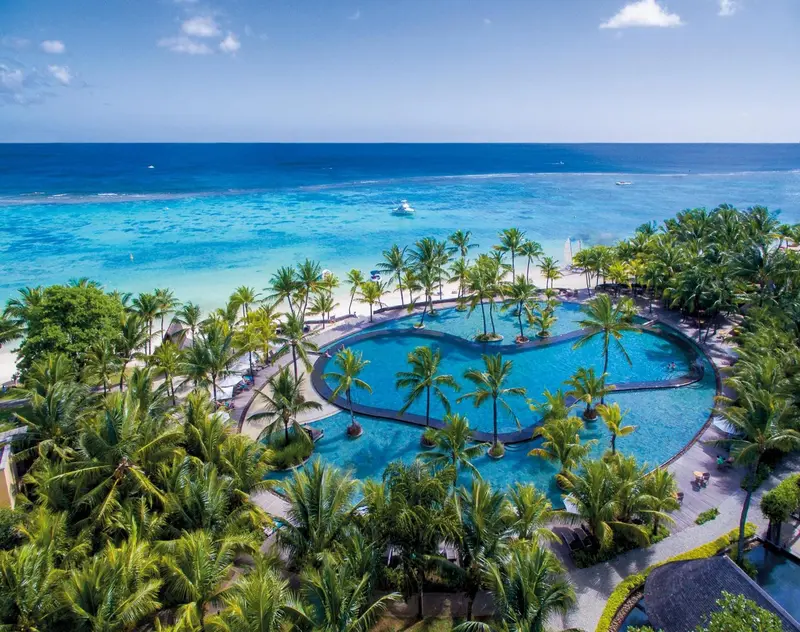
Coral gardens, sheltered water and short boat rides make Trou Aux Biches and Grand Baie a sensible base for a week of diving rather than a destination built around one signature site. Beginners can start in calmer, shallower areas, while experienced divers have drop-offs and wrecks to add depth and structure to the programme. The practical advantage is on land too: beaches, swimming, snorkelling and northern excursions give non-divers something substantial to do while the boat is away.
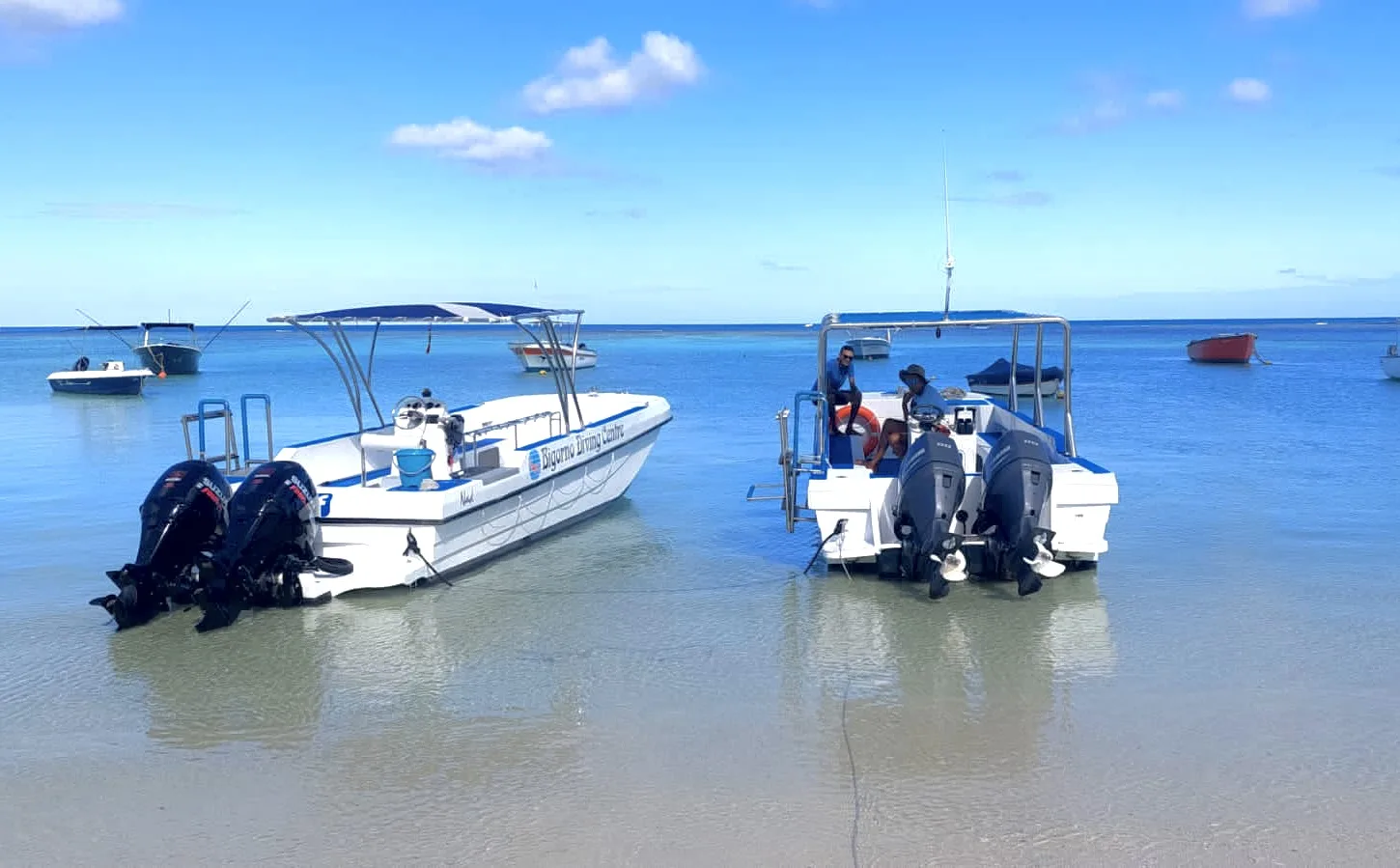
Most dives leave from small boats and reach the sites quickly, keeping the day straightforward and leaving room for a second outing or a land-based afternoon. Underwater, the north-west combines coral gardens and reef sections with drop-offs and wrecks, so the character changes from gentle, shallow exploration to more committed depth and penetration planning. Currents are generally light rather than a defining feature, and a drift dive is not the default expectation. Visibility is commonly around 15 to 25 metres from May to November, although rain, coastal run-off, swell and cyclonic disturbance can reduce it. Do not assume that a calm lagoon tells you what an exposed site will be like. Ask exactly whether the boat is heading for a reef, a wall or a wreck, because the same broad destination label covers very different dives.
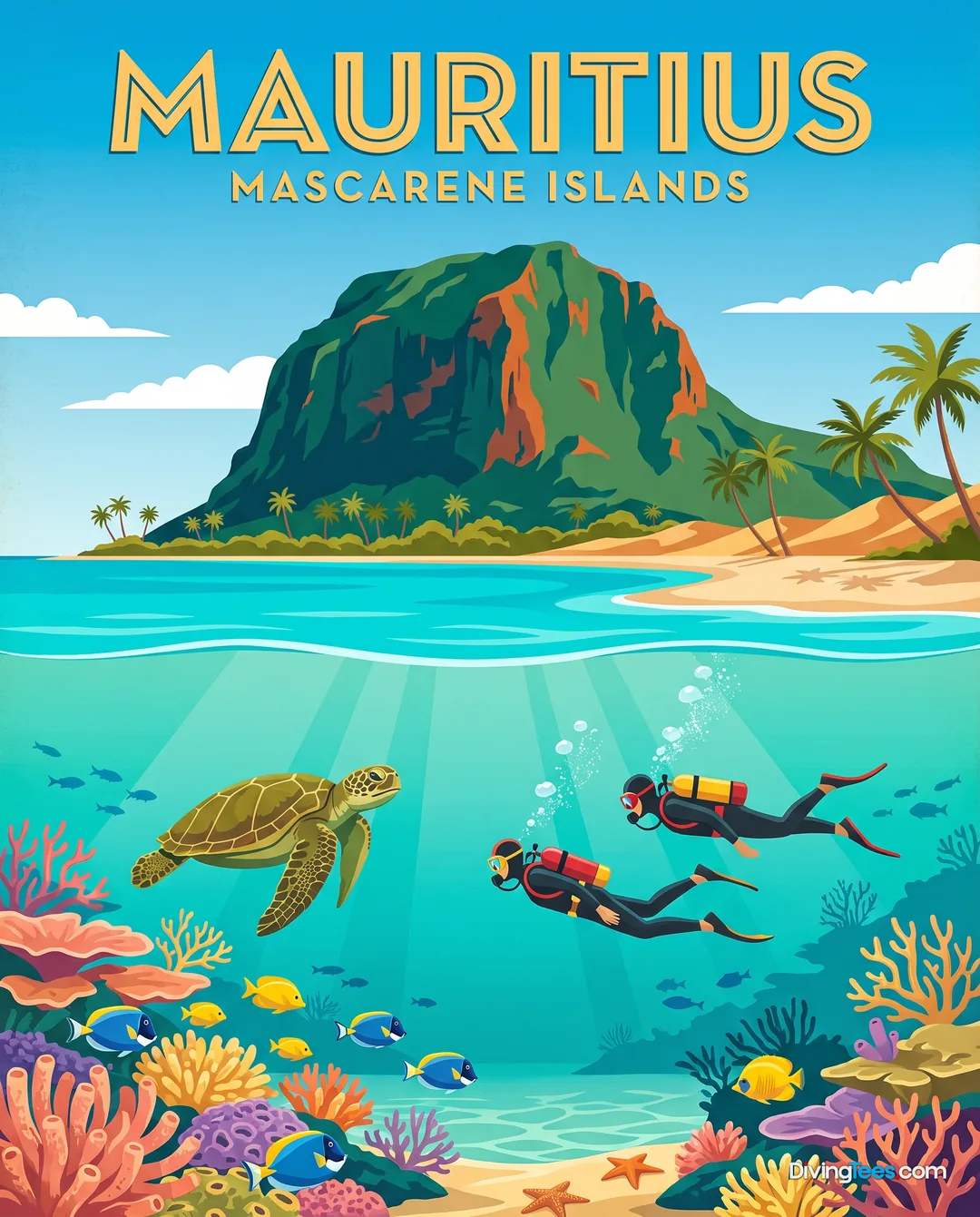
The underwater appeal here comes first from the contrast between coral gardens, reef structure, drop-offs and the artificial shapes of wrecks. Balaclava Marine Park adds protected lagoon habitats to that mix, with rules intended to keep fishing and removal of coral or shells out of the area. The experience is therefore less about travelling for one guaranteed animal encounter and more about reading the terrain in front of you: shallow coral on an easy first dive, then a wall or wreck where depth, position and buoyancy matter more. There is no dependable seasonal wildlife calendar to plan around, so choose the months for their sea and visibility rather than expecting a particular species. Surface intervals can then be spent on the beaches and lagoons that make this a useful base for mixed-interest parties.
May to November is the most dependable window, with generally steadier conditions and the clearest visibility, commonly 15 to 25 metres. January to March falls within the hot, wet rainy season and carries greater cyclone risk, so swell can close the more exposed sites and rain can cloud the water through coastal run-off. April and December are useful transition months, but conditions still deserve a flexible plan. The practical answer is to leave room for weather rather than booking every dive as an immovable objective. Morning departures usually find calmer water and less pressure on the busier sites, particularly during school holidays and the main tourist season.
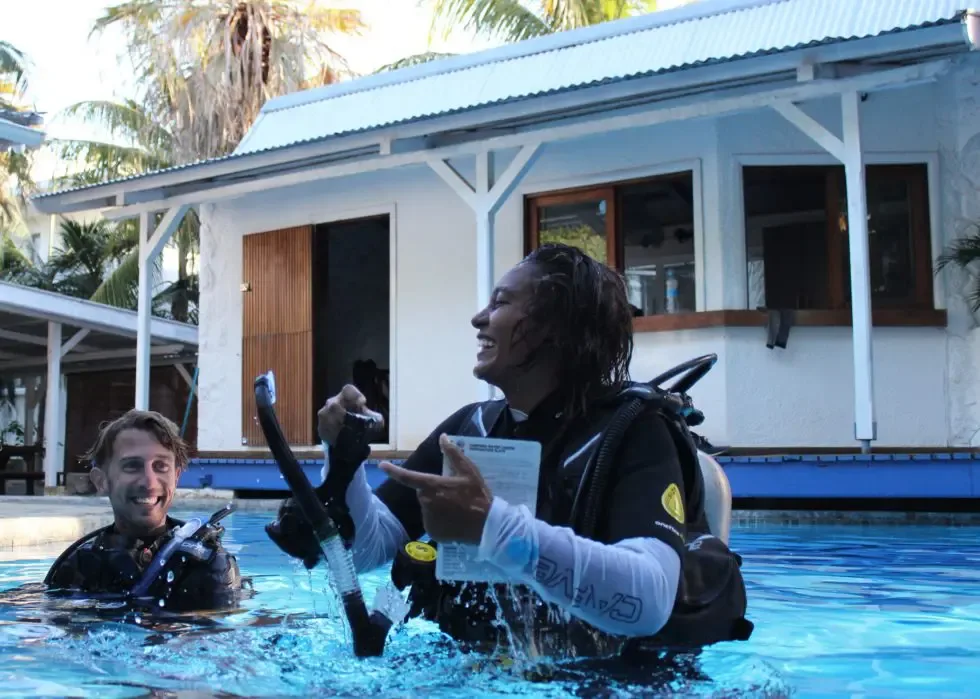
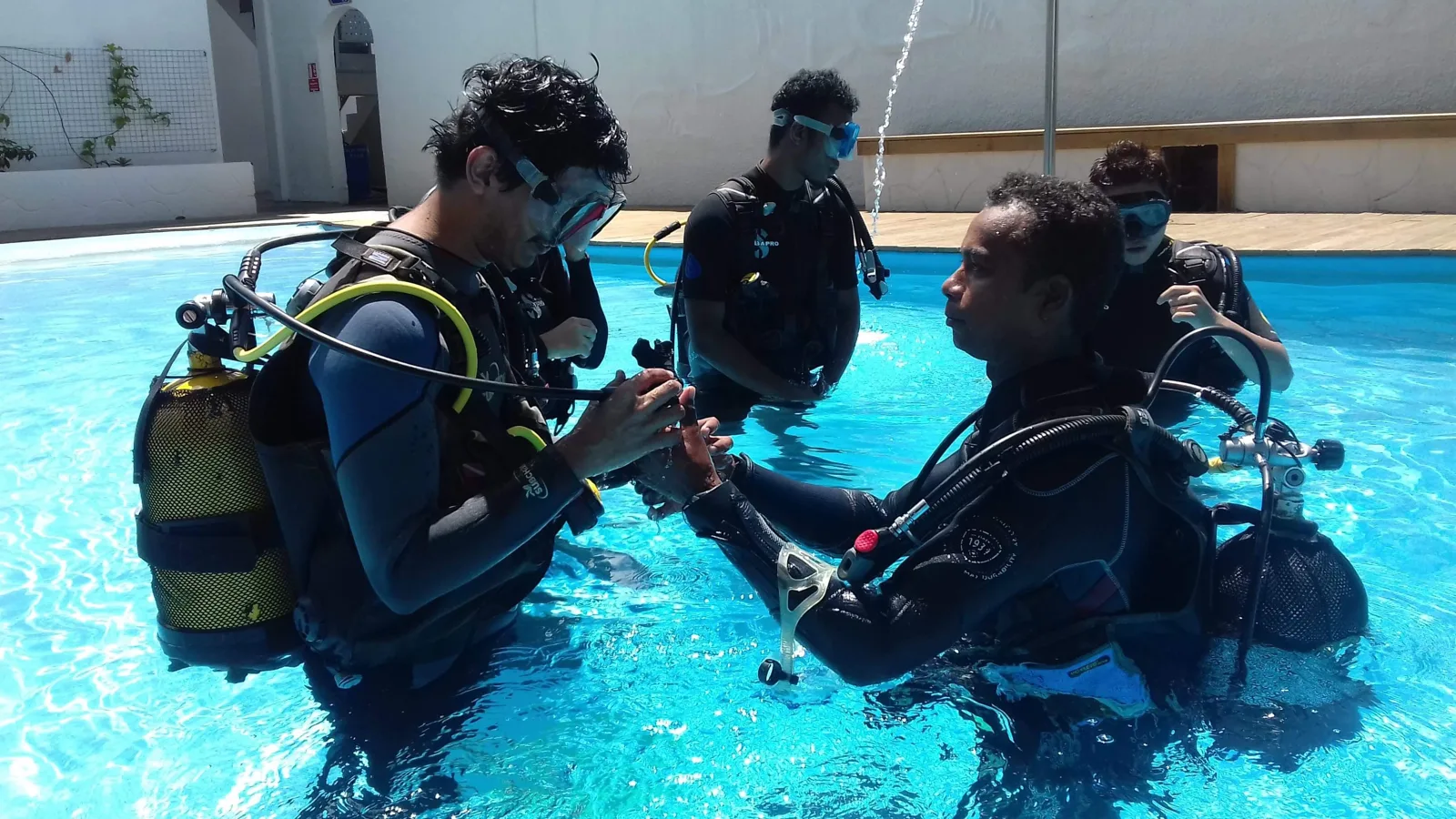
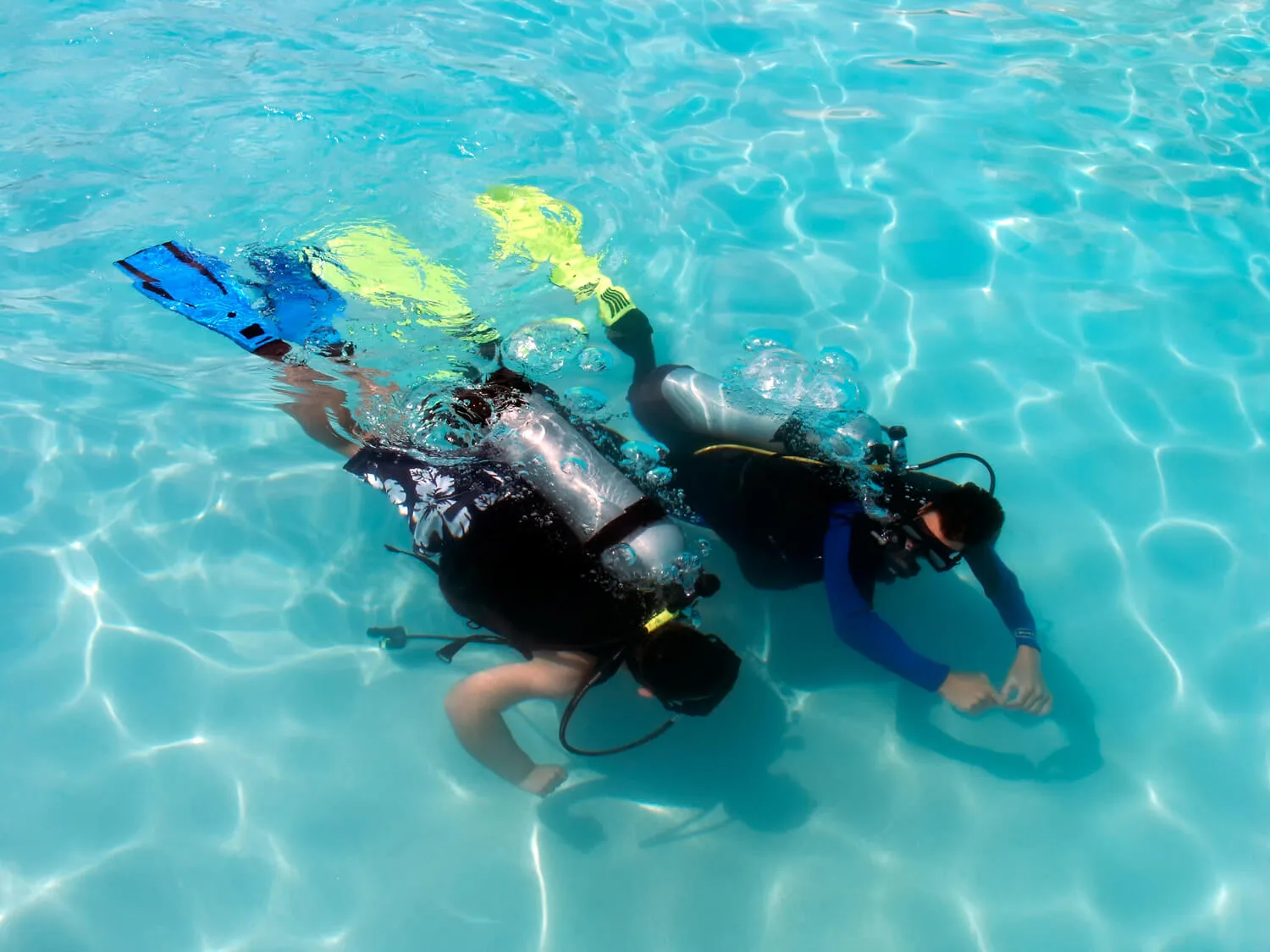
This suits the full range from first-time divers to experienced wreck and wall divers. Sheltered coral areas can accommodate introductory dives and early training, while deeper sites and wrecks reward an Advanced qualification and a measured approach. A Wreck qualification is useful when the plan involves structured wreck exploration, though the actual requirement depends on the wreck, depth and route. Nitrox may be worthwhile for repetitive days if the centre offers it. Check the profile before booking, rather than relying on a broad label such as wreck or wall.
From London Heathrow, London Gatwick or Manchester, allow roughly 14 to 18 hours of total travel, depending on the route and connection. There is no ferry or domestic flight to organise after arrival. Trou Aux Biches and Grand Baie are reached by road from Mauritius’s international airport, with the transfer usually taking about an hour, traffic and final destination permitting. Once there, some accommodation in Trou aux Biches is close enough to reach a dive centre on foot, but other stays need a centre shuttle or taxi. In Grand Baie, the useful distance depends heavily on the neighbourhood and the chosen departure point. Check where the boat actually leaves from before assuming that a nearby centre means a nearby jetty.
Build flexibility into the diving, especially in January and February. Do not make an exposed wreck or outer site the single purpose of the holiday, because swell and cyclonic weather can cancel it. Keep mornings for the boat when possible, and leave at least one reserve day for a moved or missed departure. Before paying a deposit, ask whether each planned outing is a reef, drop-off or wreck, its depth, and what qualification the route expects. That avoids arriving with an Advanced or Wreck plan that does not match the actual profile. Compare the boat’s departure point with the accommodation and arrange a taxi or shuttle in advance if they are not walkable. Pack extra thermal protection for repeated dives during the austral winter. Treat Balaclava Marine Park as a regulated area: do not fish, collect shells or coral, touch the reef, or settle onto the bottom. Keep a full day without diving before the flight home.
Plan on seven to ten days based ashore, with several diving days spread across the north-west and spare time for weather. Trou aux Biches is the quieter choice for a beach-led stay, while Grand Baie brings more services, water activities and excursions. Both work for companions who prefer swimming, snorkelling, boat trips or sightseeing. Keep one surface day for Pamplemousses, northern villages and markets, and use the final day as a land-based buffer before travelling home.
Hello, I'm Marina, DivingDeal.com's AI assistant. I guide you through destinations, areas and countries.
Thinking about the whole trip and the flights? Talk it over with Edith →
Marina is an AI. Some links are affiliate links: DivingDeal may earn a commission, at no extra cost to you. Bookings are made with the partner.