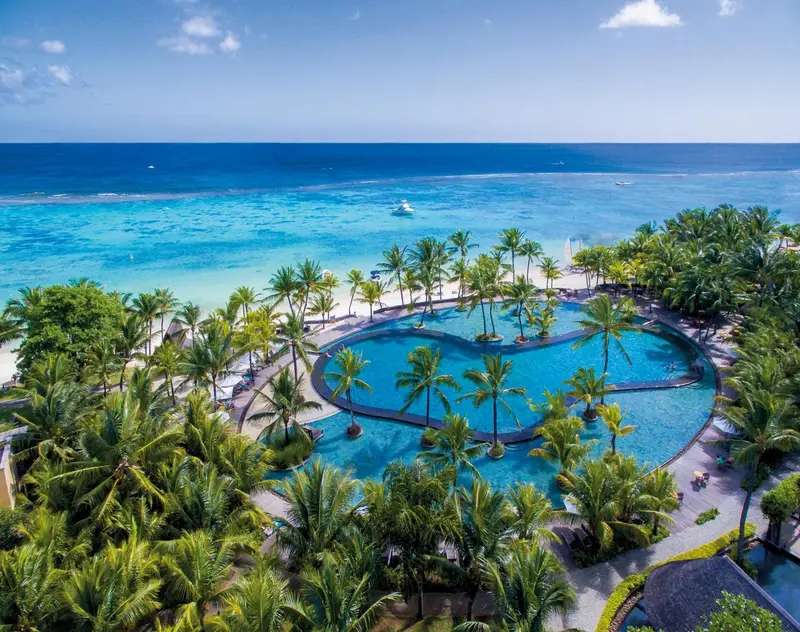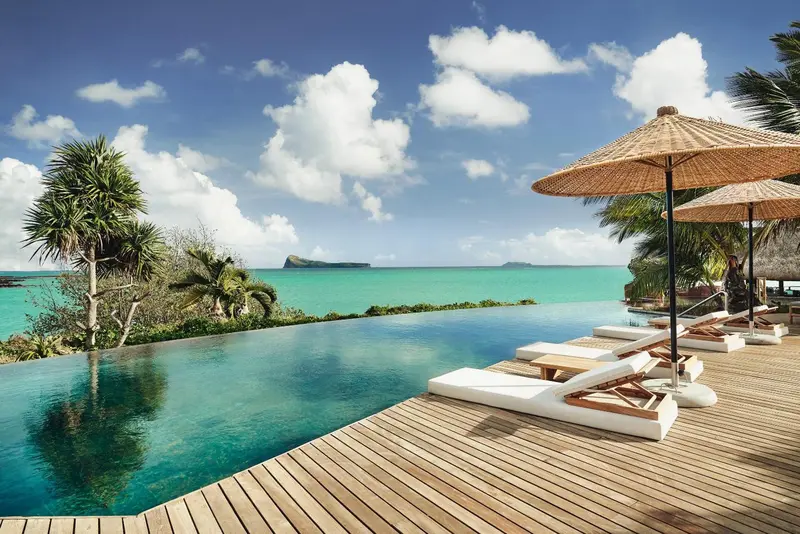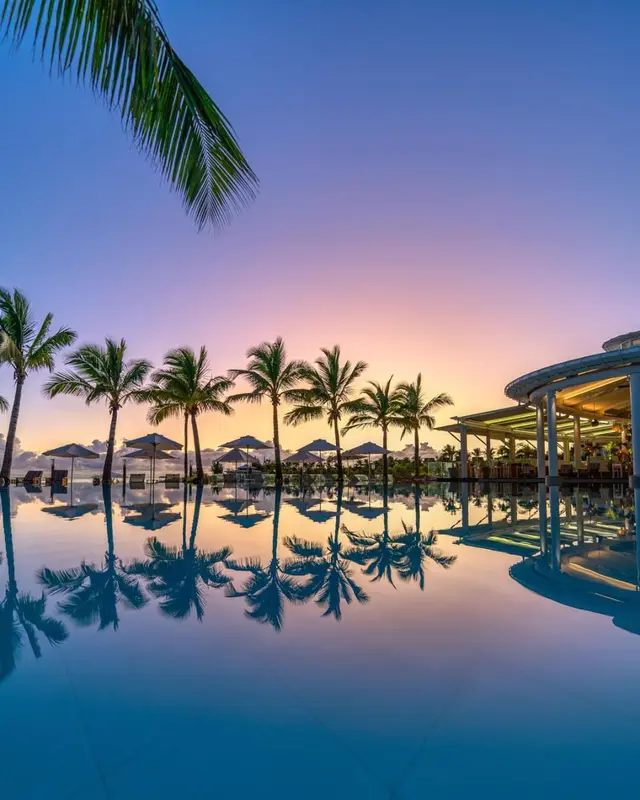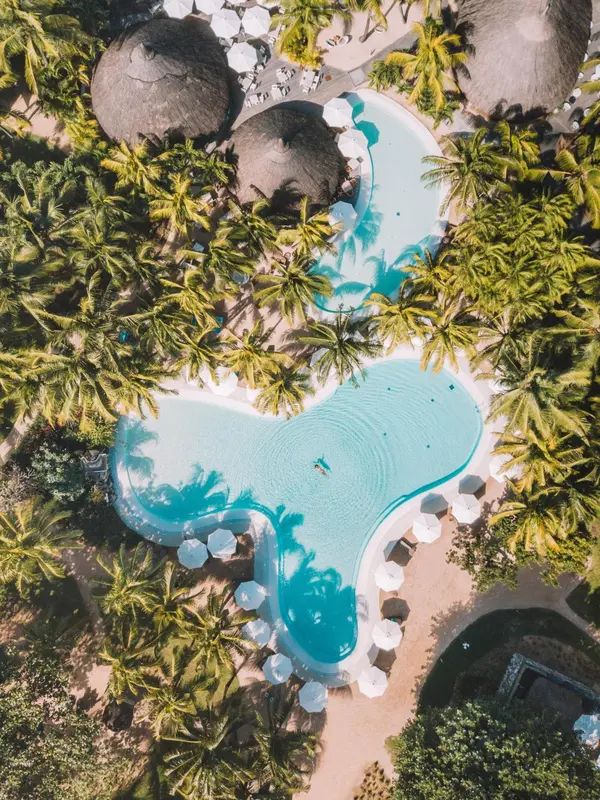
 Dive centre in the hotel
Victoria Beachcomber Resort & Spa
★★★★
Google 4.5/5 (2,853 reviews)
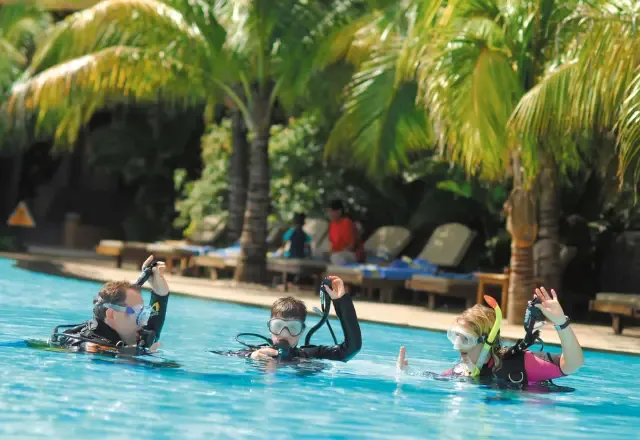
The dive centre
Diving World Victoria
PADI
Google 4.6/5 (32 reviews)
Mauritius · Indian Ocean
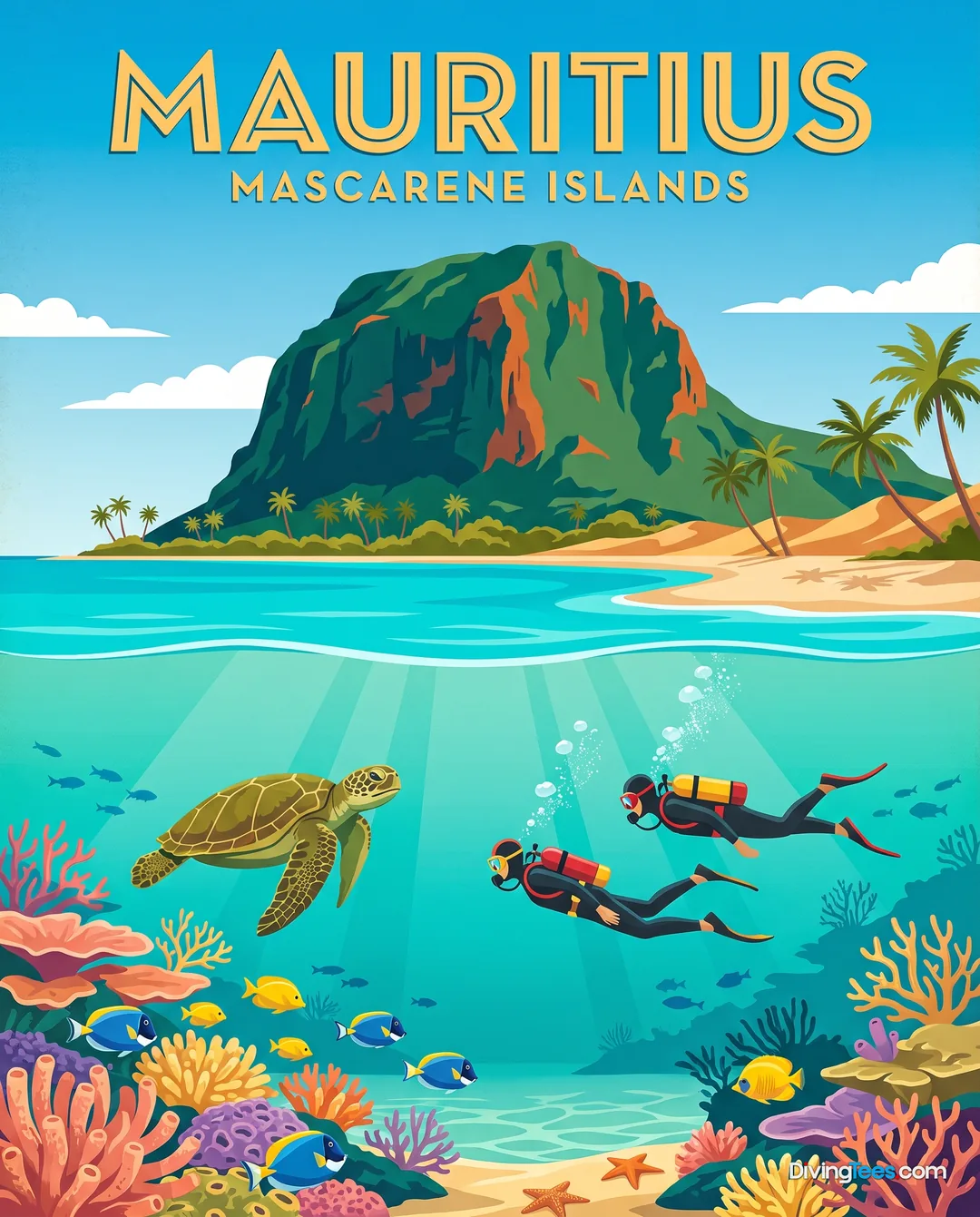
Granite pinnacles, purpose-sunk wrecks and coral gardens lead from Trou aux Biches into northern Mauritius, with calm shallows and deeper current-swept walls.
For subtitles in English: start the video firstthen click the gearat the top right of the video, select “Subtitles/CC”, then “Auto-translate” and choose “English”.
The Stella Maru lies upright on the sandy seabed off Trou aux Biches, while Coral Garden, granite outcrops and deeper walls provide very different days underwater. The village works best as a shore-based holiday with repeated boat departures, not as a single wreck destination or a liveaboard embarkation point. Divers can stay on the north-west coast, make day trips into the northern reefs, and leave room for beach time or other lagoon activities. Five to seven days gives the boat programme time to show its range.
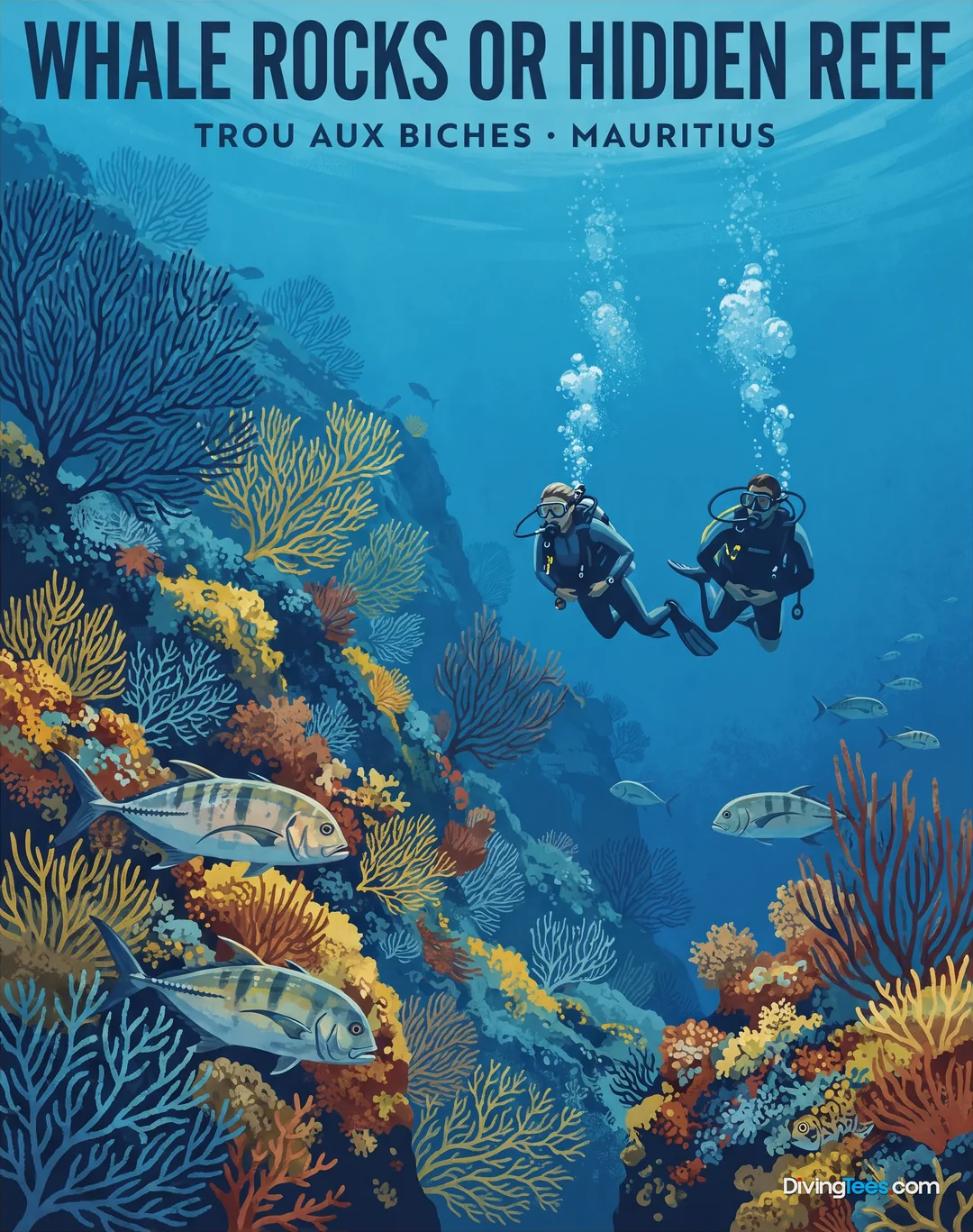
The diving is predominantly from boats, with reef formations, walls, pinnacles and artificial reefs rather than a shore-diving routine. Moray Reef stays in a quiet 11–13 metre range, while Coral Garden reaches 19 metres and Water Lily Reef 20 metres. The Stella Maru sits at 24 metres, and the Water Lily and Emily Wrecks lie between 20 and 25 metres. At the other end of the scale, Corsair Wall drops to 60 metres and brings variable, sometimes significant current. Whale Rocks can also become a drift dive in moving water. Conditions therefore range from calm, beginner-friendly reef exploration to dives requiring firm buoyancy control and current awareness. Visibility is generally good in the wider north-west area, with some sites described as exceptionally clear.
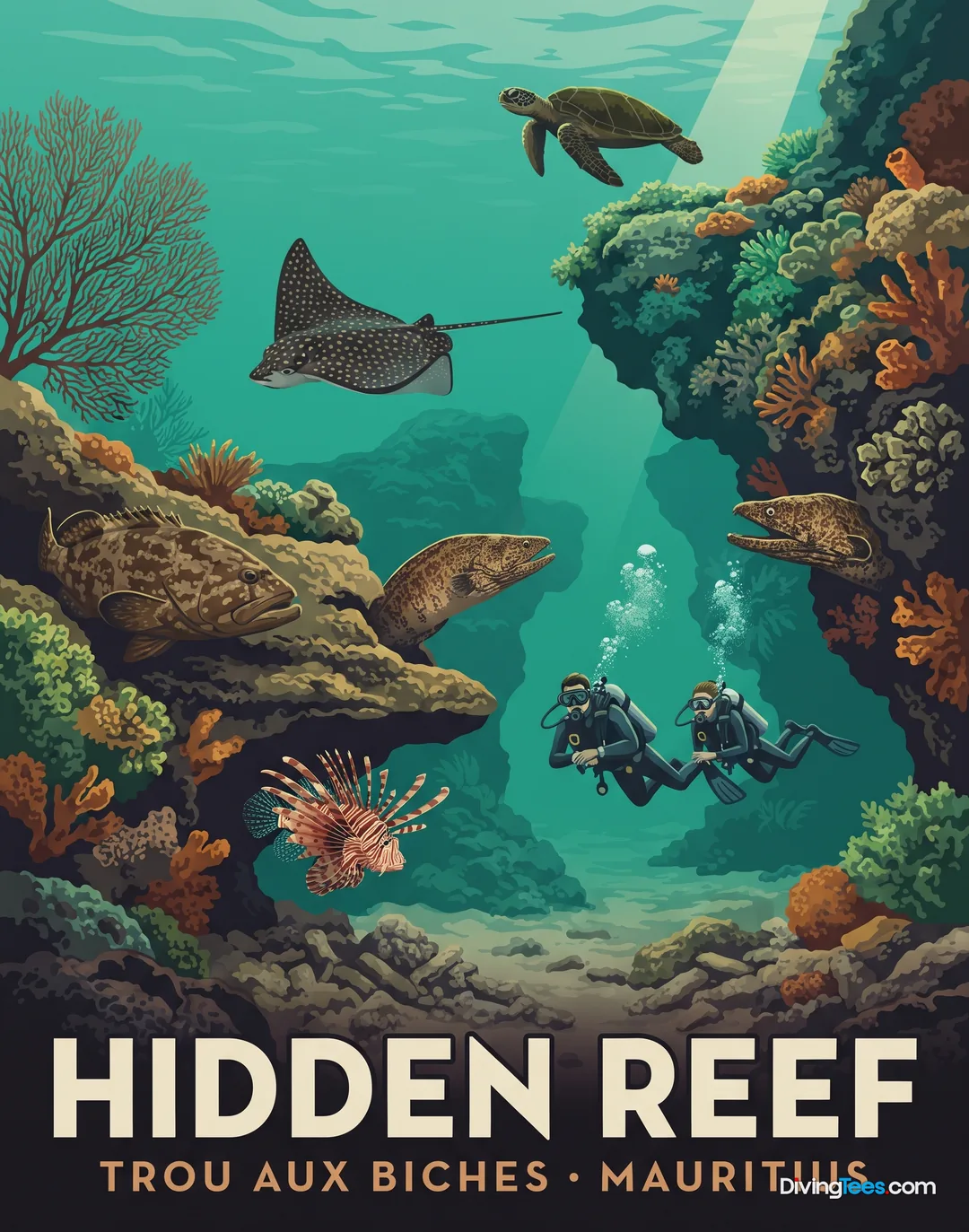
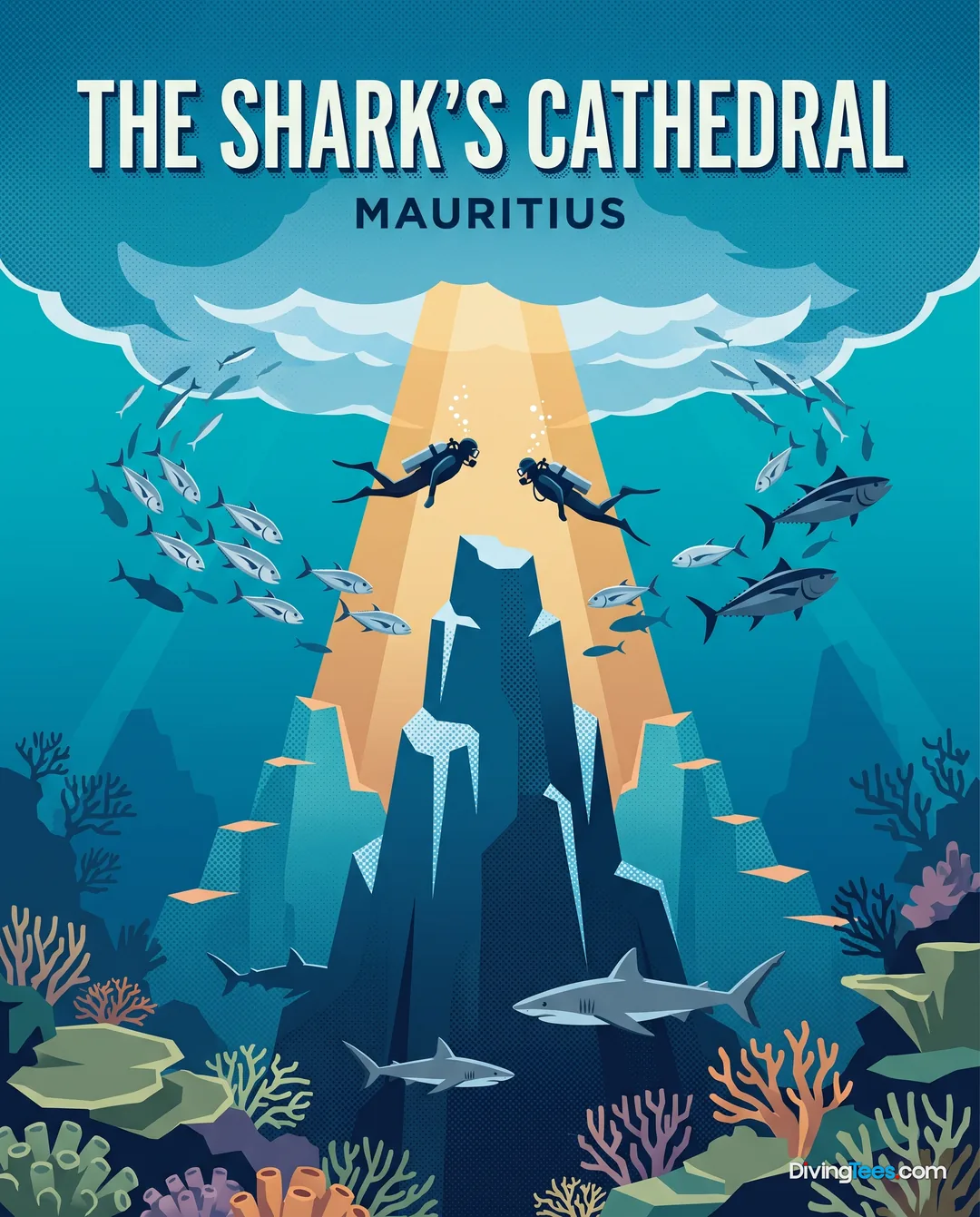
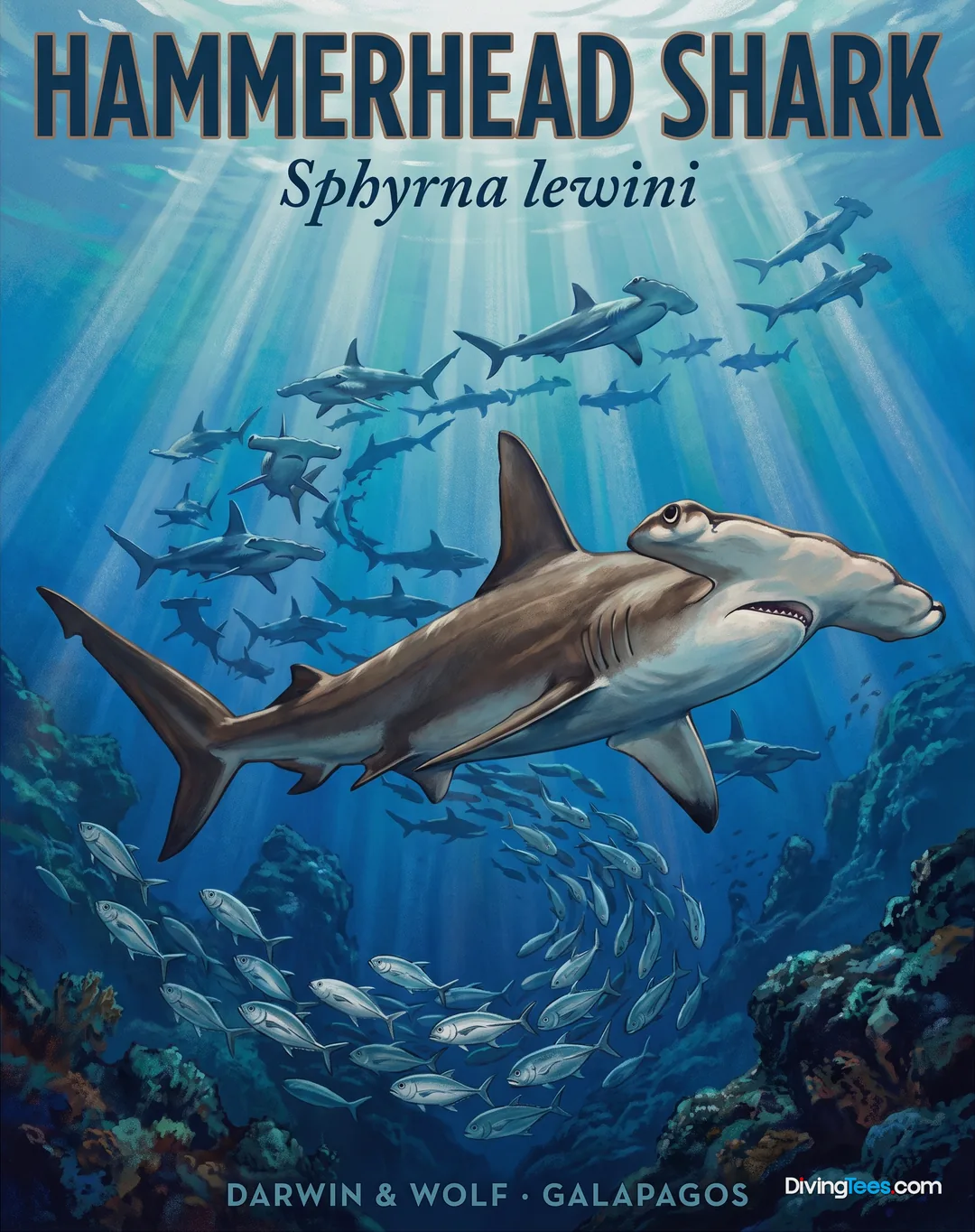
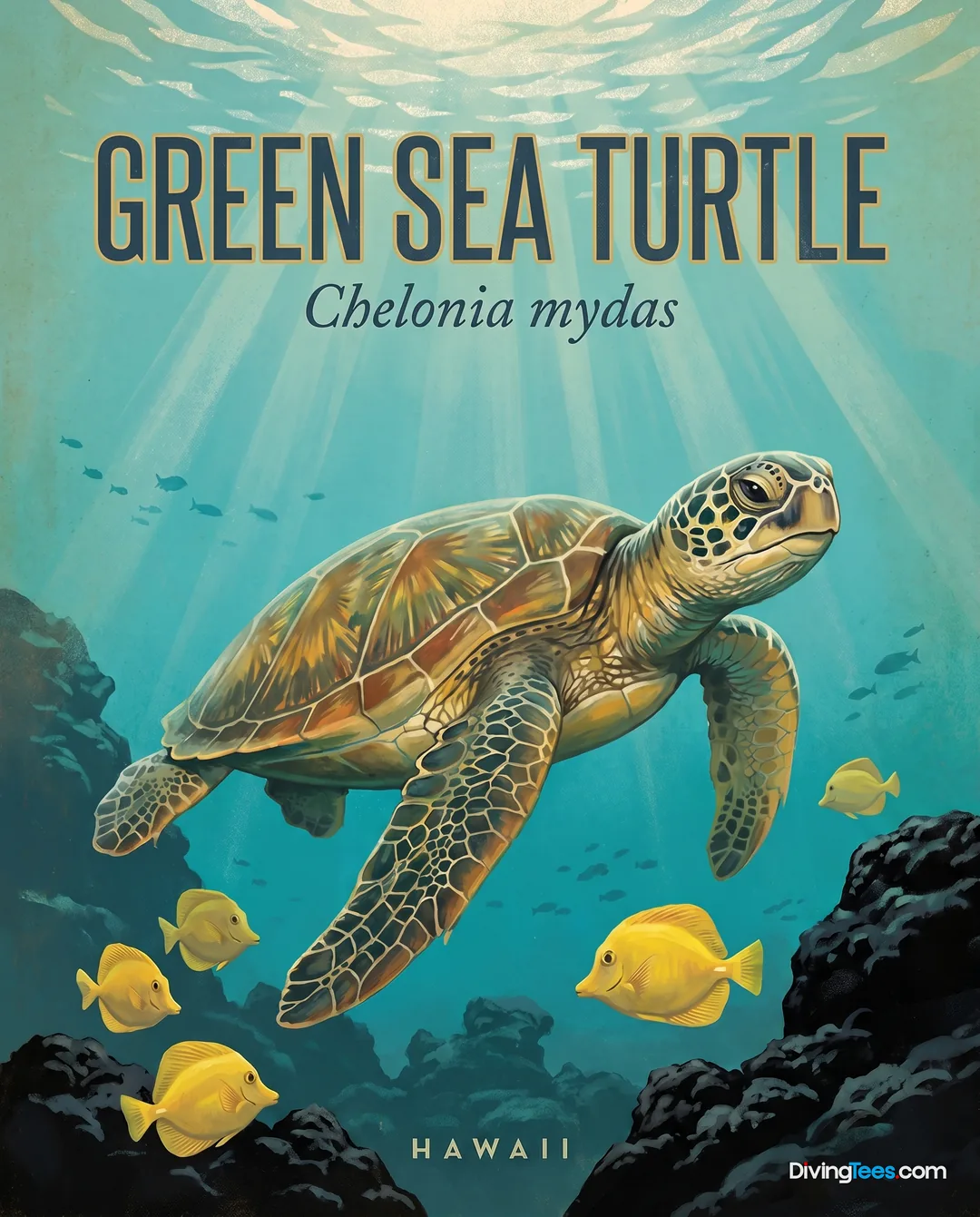
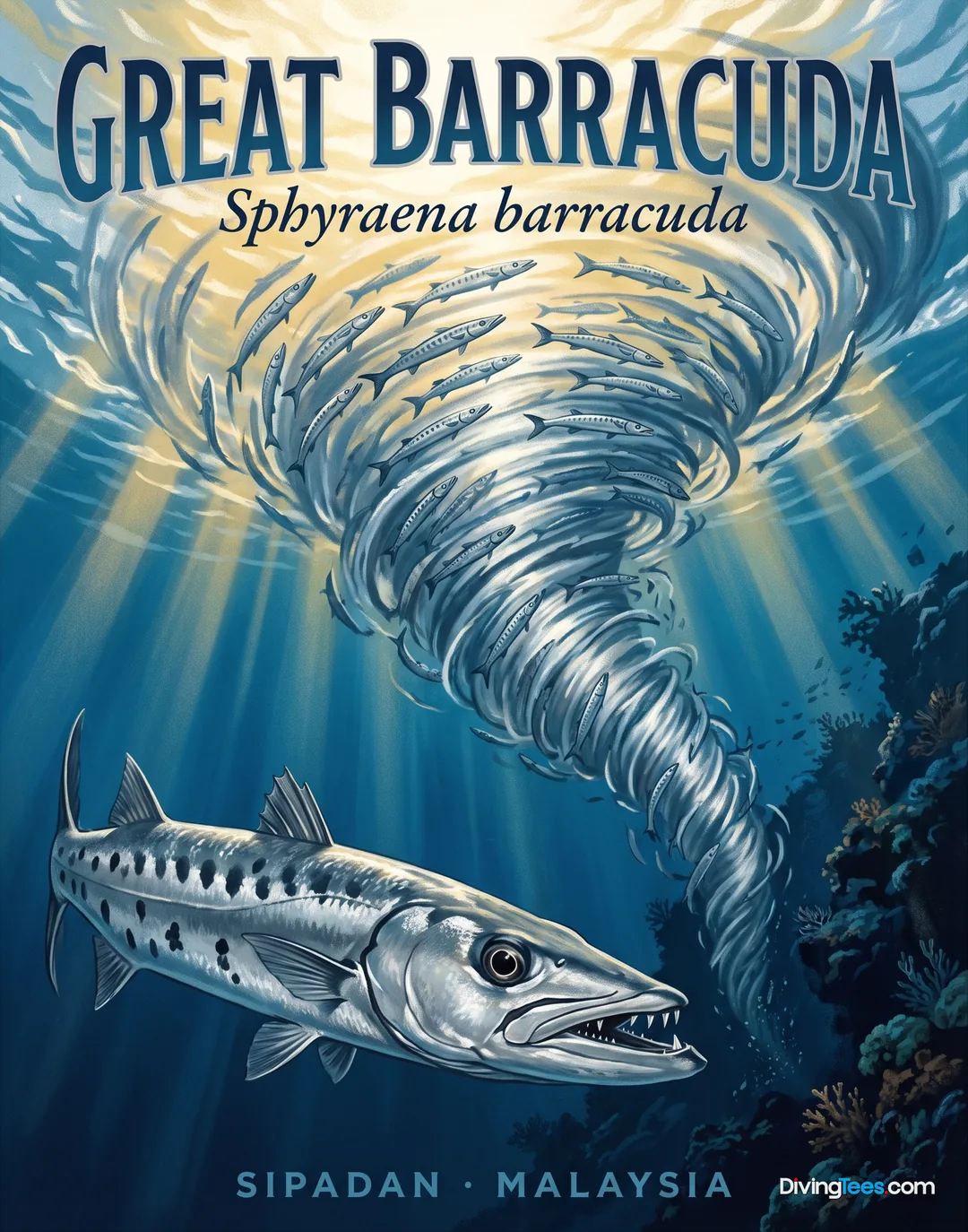
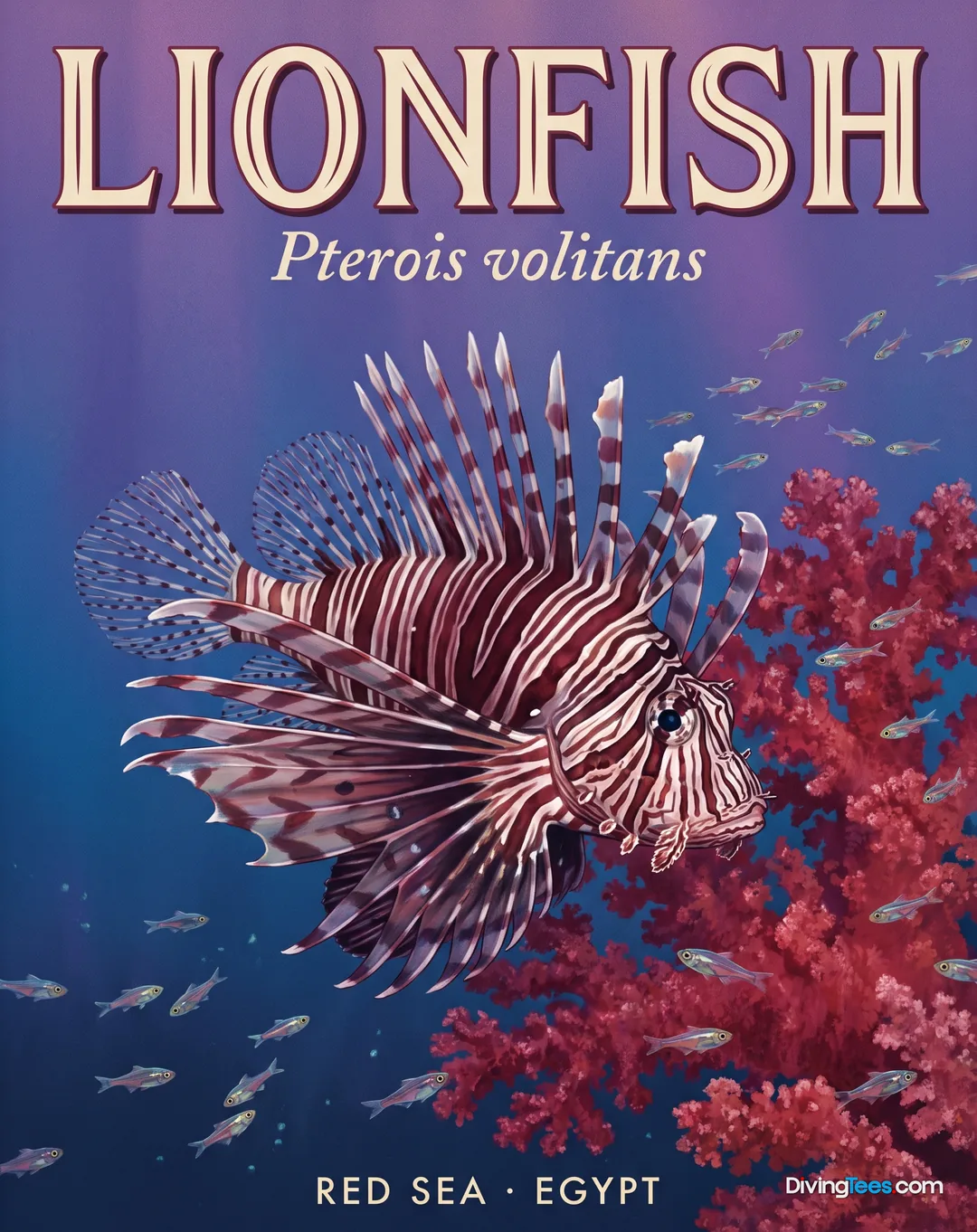
The reefs carry familiar tropical fish alongside useful subjects for a slower, observant dive. Butterflyfish, surgeonfish, Angelfish and Wrasse move over the coral, while Lionfish and Scorpionfish reward careful scanning of ledges and sand. Stonefish and nudibranchs suit photographers prepared to look rather than swim past. Moray Reef is noted for juvenile fish, young octopuses and several moray eels, including the rare megamouth moray, while Holt's Rock is known for unusually curious giant morays. Coral Garden offers the chance of a leafy scorpionfish. On the pinnacles, Jack, tuna and Great barracuda may pass, with sharks possible when currents run. No particular fish season is established here, but Shark's Cathedral is mainly visited from October to April.
The measured best period for diving is from December to May. May to November brings the lowest rainfall, so it can suit travellers who would rather accept a different seasonal balance in exchange for drier conditions. The two periods overlap in May, making that month a practical compromise on the available evidence. Shark's Cathedral is primarily accessible from October to April when local weather allows, so divers hoping to include that exposed pinnacle should keep that window in mind. The north-west coast is described as diveable throughout the year, and several sites report good visibility year-round.
Trou aux Biches can suit Open Water divers on calm sites such as Moray Reef, Aquarium of Grand Baie, Coral Garden and Pyramid Reef. The wrecks remain within recreational depths, although the Stella Maru is better approached with wreck awareness and the Water Lily and Emily Wrecks reach 25 metres. Whale Rocks asks for comfort in moving water and drift-diving technique. Corsair Wall is a serious deep dive for CMAS Three Star or PADI Tec-qualified divers. BSAC divers should match their qualification and logged experience to the equivalent depth and current demands.
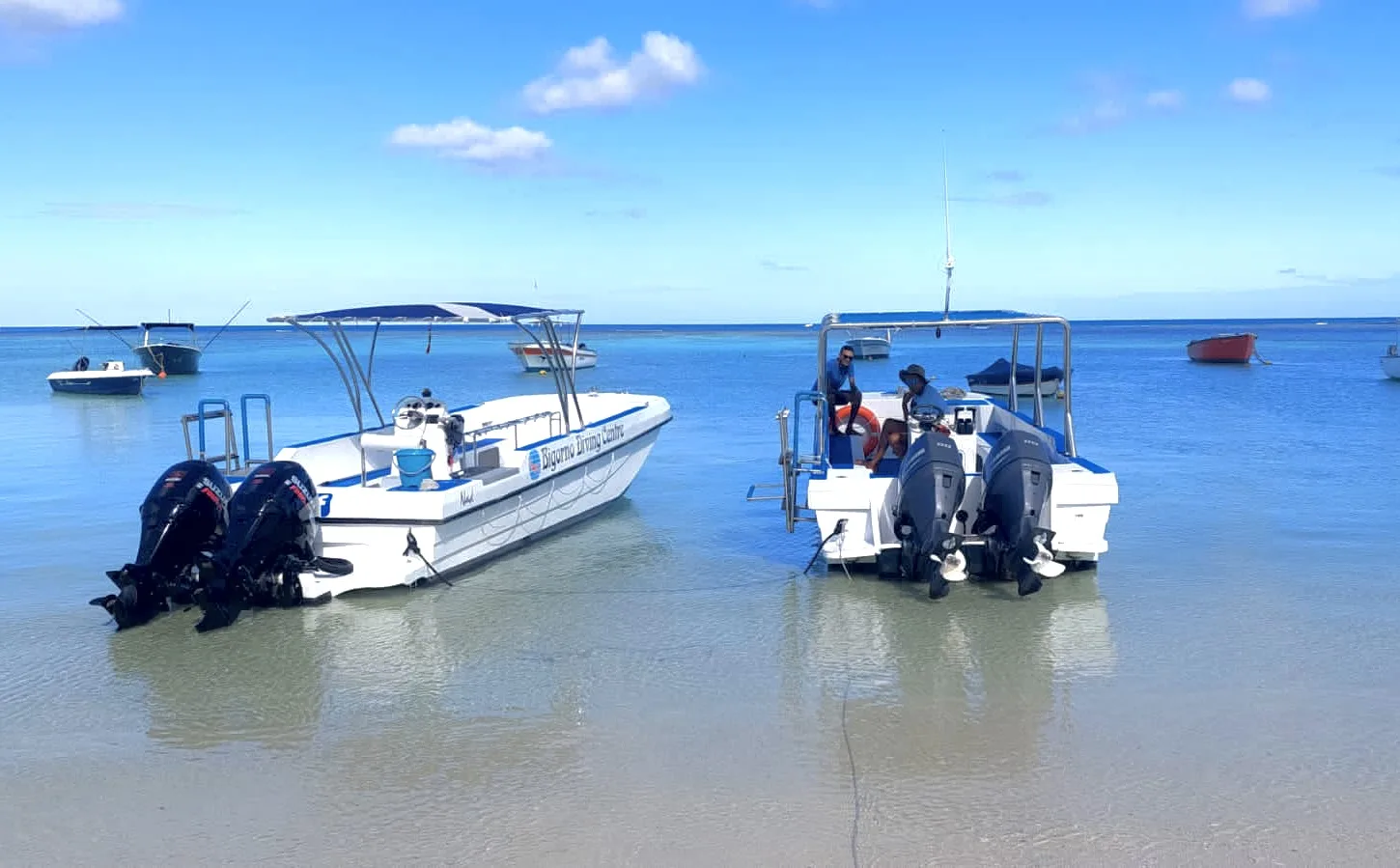
From London Heathrow, London Gatwick or Manchester, the practical arrangement is to reach Mauritius first and then continue overland to the north-west coast. Trou aux Biches is a coastal base rather than a dive-boat terminal built around a liveaboard operation, so the final transfer and the location of the accommodation matter. Once settled on the coast, divers generally reach the local dive operation on foot, by taxi or through a nearby pickup. Staying close to the waterfront reduces repeated early-morning transfers. The boat departures are organised locally, with the day’s diving taking place away from the beach rather than directly outside every hotel.
Treat Trou aux Biches as a boat-diving base, not as a shore-diving holiday. Before fixing the whole week, check that the planned programme moves between reefs, structures and wrecks; otherwise the stay can feel repetitive even though the individual dives differ. Keep accommodation close to the north-west waterfront, because repeated morning transfers add little to a diving day. If the aim is to include both reef photography and wrecks, allow enough days for the boat schedule rather than trying to compress everything into a short visit. Do not assume that the presence of the Stella Maru turns the area into a dedicated wreck destination. Conversely, do not book it expecting a liveaboard-style sequence of remote sites. Divers considering Corsair Wall or Whale Rocks should leave room for current-dependent changes and avoid treating a calm reef briefing as a guide to the whole area. There is no need to plan around a visitable marine park here; the useful planning question is which northern boat sites are running.
A five- to seven-day stay works well as a land-based diving holiday, with boat dives on successive days and a rest day available for the beach or lagoon. Keep one day flexible for the more exposed sites, particularly if Shark's Cathedral or current-sensitive walls are a priority. Non-divers and surface intervals are easy to combine with coastal activities, and a final quiet day by the lagoon suits a less hurried finish before flying home.
Hello, I'm Marina, DivingDeal.com's AI assistant. I guide you through destinations, areas and countries.
Thinking about the whole trip and the flights? Talk it over with Edith →
Marina is an AI. Some links are affiliate links: DivingDeal may earn a commission, at no extra cost to you. Bookings are made with the partner.
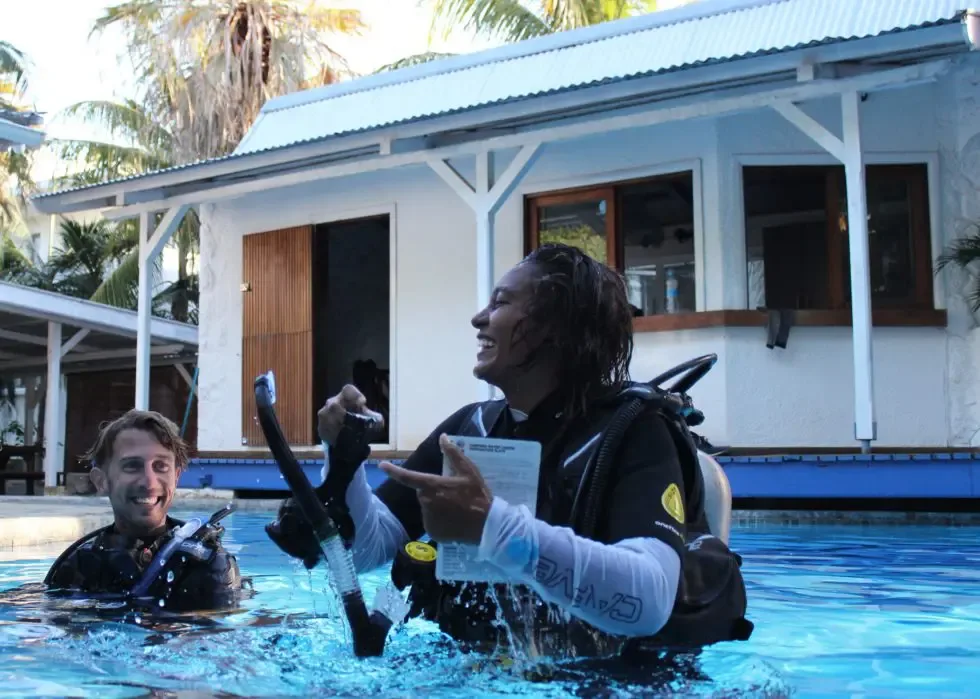
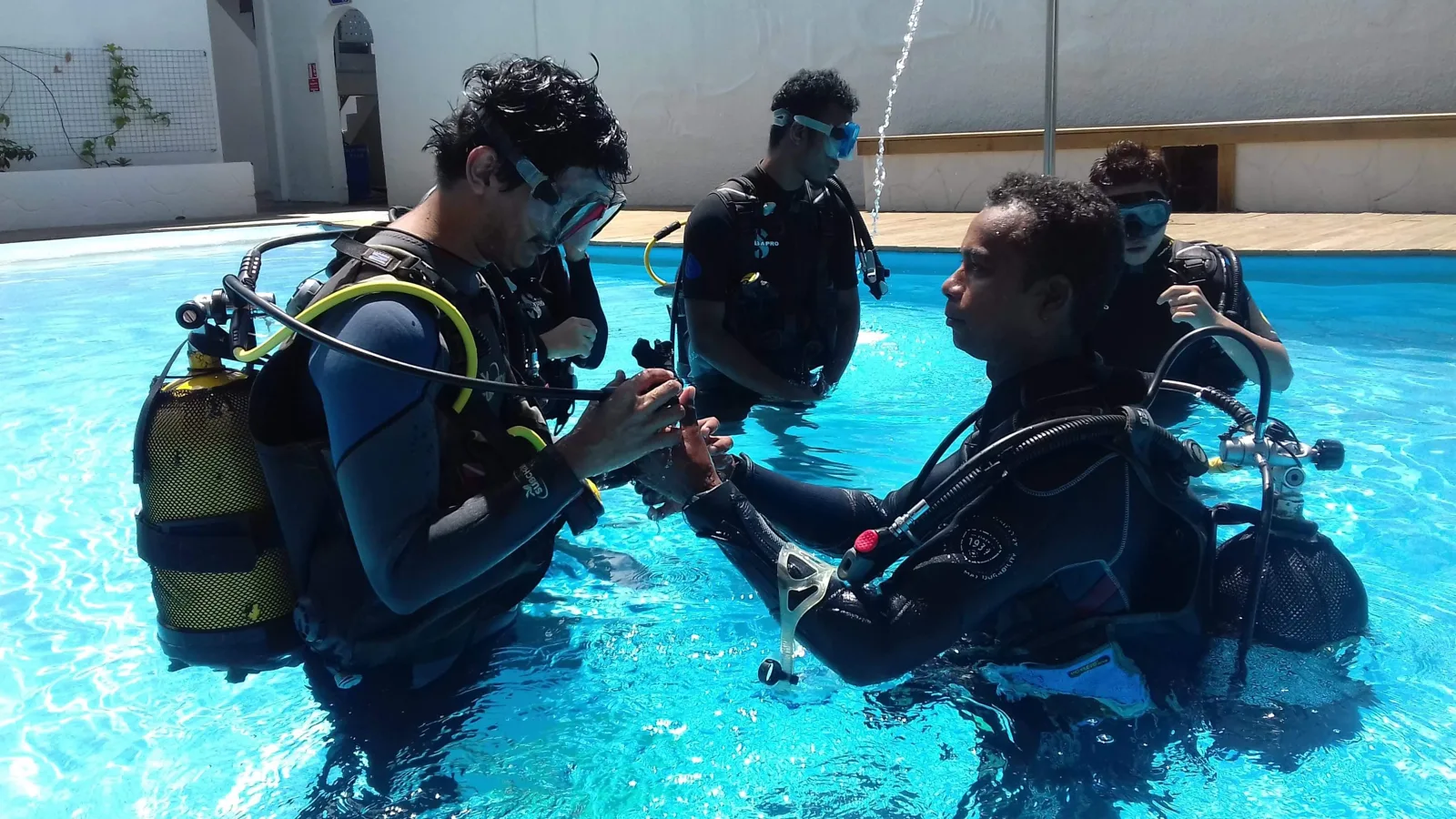
In each one, the dive centre is inside the hotel: step out of your room and go diving.
Dive centre in the hotel★★★★
Google 4.5/5 (2,853 reviews)
The dive centre
Diving World Victoria
PADI
Google 4.6/5 (32 reviews)
Your last day stays dry: no diving in the 18-24 hours before a flight, the perfect window to see the destination from another angle.
 Culture
⏱ 7 h · ★ 4.9 (23 reviews)
from £84$112€100
see on Viator ↗
 Culture
⏱ 4 h · ★ 4.9 (21 reviews)
from £63$84€75
see on Viator ↗
 Nature
⏱ 5 h
from £100$134€120
see on Viator ↗
Ratings and reviews collected by Viator and Tripadvisor.
Trou aux Biches is diveable throughout the year, with generally good visibility at several sites. December to May is the measured best period for diving, while May to November brings lower rainfall. May overlaps both periods and may suit travellers balancing diving conditions with a preference for drier weather. Shark’s Cathedral is mainly visited from October to April.
Trou aux Biches offers calm, beginner-friendly sites such as Moray Reef, Aquarium of Grand Baie, Coral Garden and Pyramid Reef for Open Water divers. The wrecks require comfort with recreational depth and wreck awareness. Whale Rocks needs moving-water and drift-diving skills, while Corsair Wall requires advanced deep-diving qualifications and current awareness.
Trou aux Biches combines coral gardens, granite formations, pinnacles, walls and purpose-sunk wrecks. You may see tropical fish, lionfish, scorpionfish, stonefish, nudibranchs, morays and octopuses. Giant morays are known at Holt’s Rock, while deeper pinnacles can bring jack, tuna, barracuda and sharks when currents run. Shark’s Cathedral is mainly visited seasonally.
Plan Trou aux Biches as a shore-based holiday with repeated boat departures, rather than a shore-diving routine, liveaboard embarkation or dedicated wreck trip. Stay near the north-west waterfront, allow several days for varied reefs, walls and wrecks, and keep one day flexible for exposed or current-dependent sites. Leave time for beach or lagoon activities.