

Orca Diving Ustica
Google 4.9/5 (500 reviews)
less than 1 km away as the crow flies
Italy · Mediterranean
Volcanic walls, red gorgonians, barracuda and dark caves define boat diving around Ustica, within Italy’s first marine protected area, created in 1986.
For subtitles in English: start the video firstthen click the gearat the top right of the video, select “Subtitles/CC”, then “Auto-translate” and choose “English”.
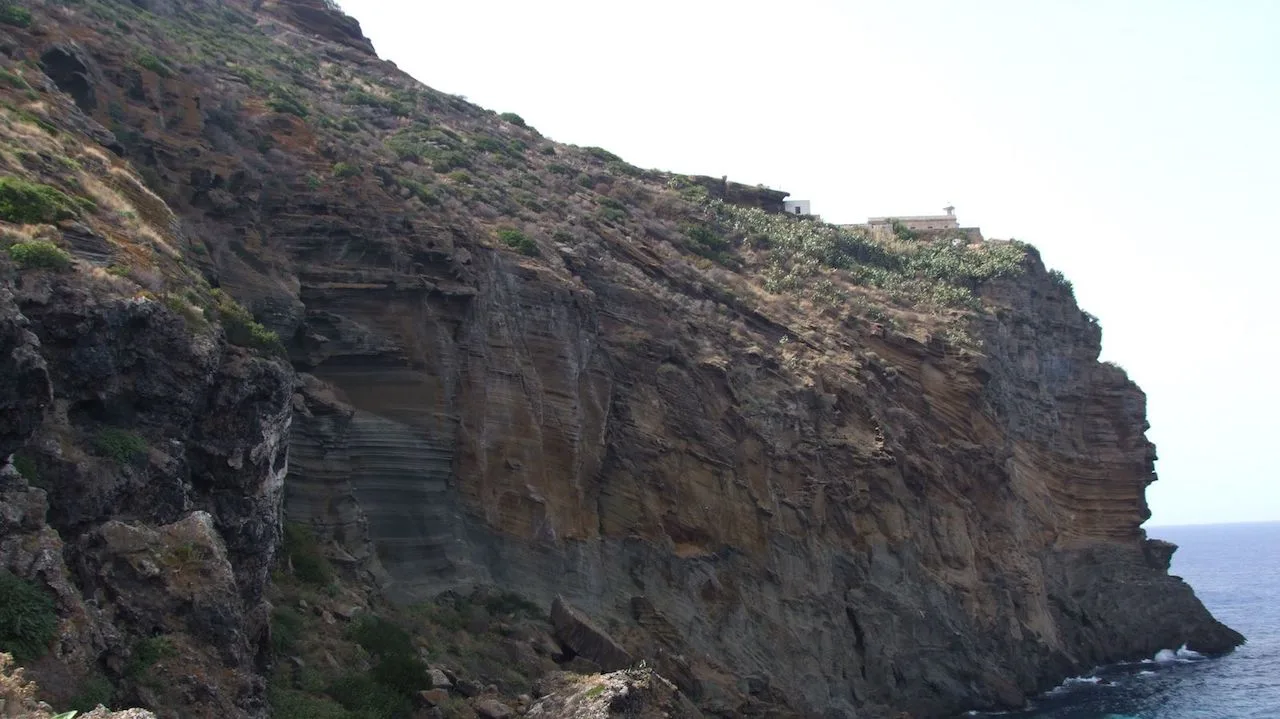
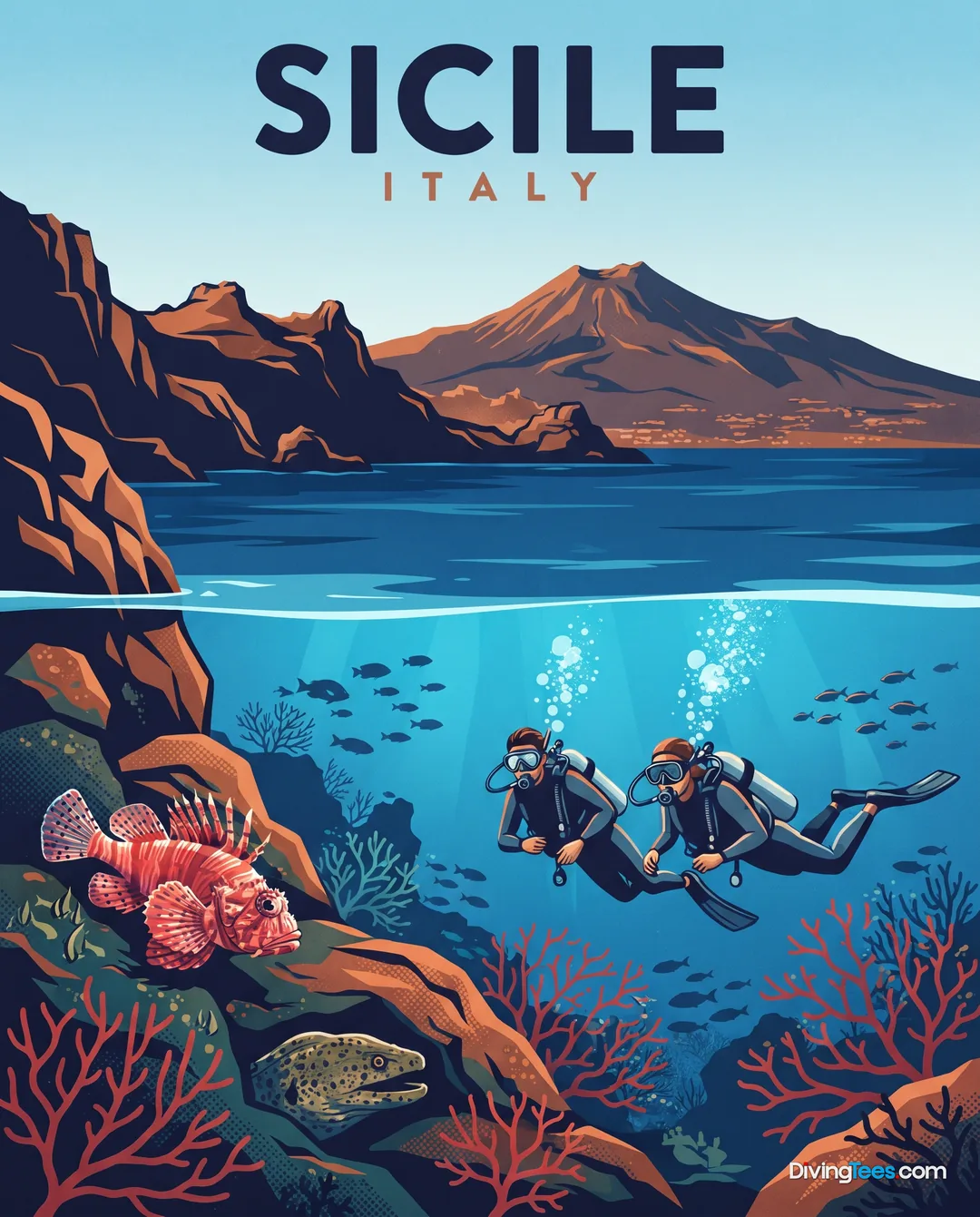
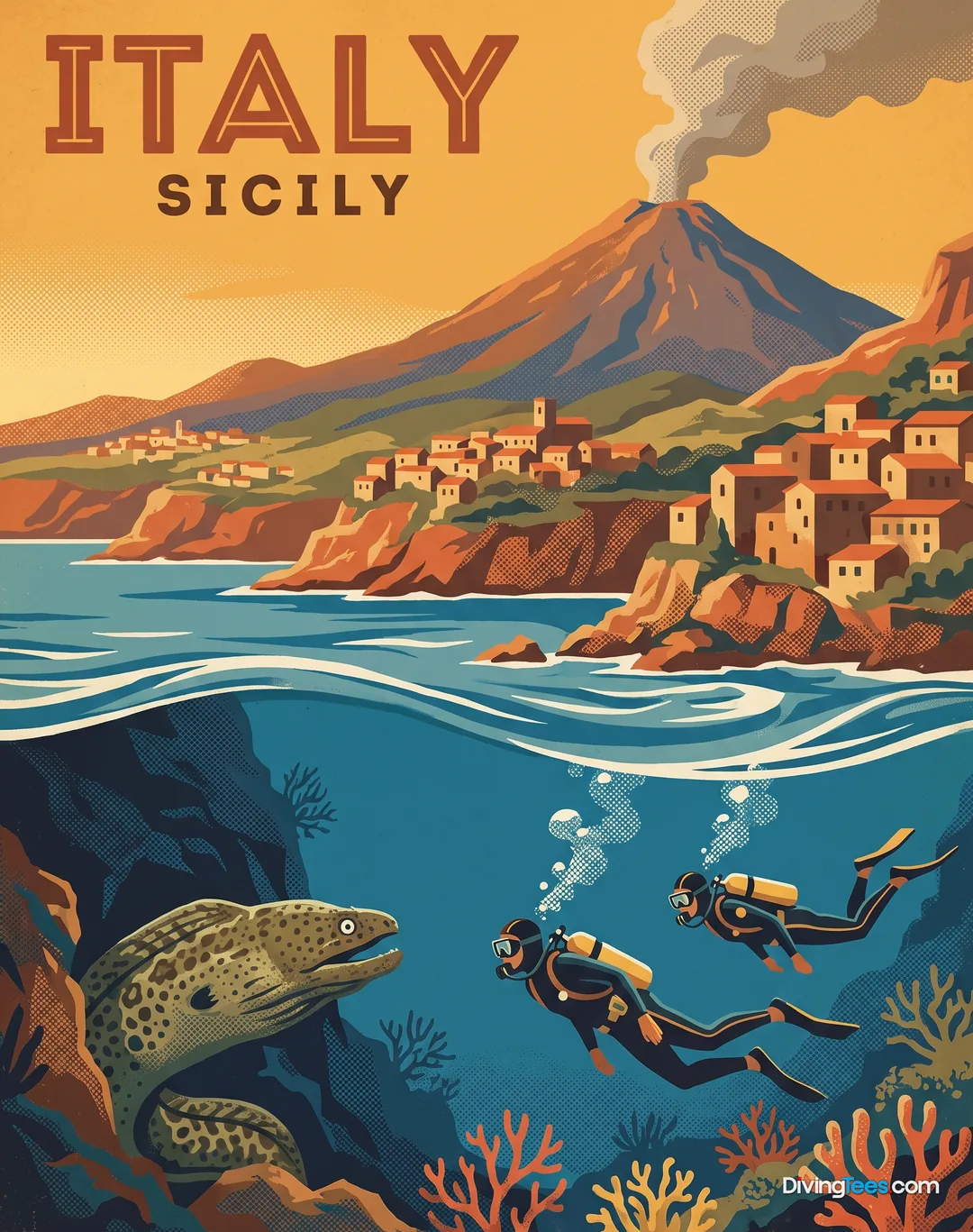
Ustica is a volcanic island where the underwater scenery matters as much as the fish: walls, pinnacles, boulder fields and caves drop away from boat routes around the coast. The setting is the Area Marina Protetta Isola di Ustica, established in 1986, so protected stretches still carry conspicuous fish life and red gorgonians. It is a land-based Italian island trip, not a liveaboard, with enough above-water variety for a non-diving companion.
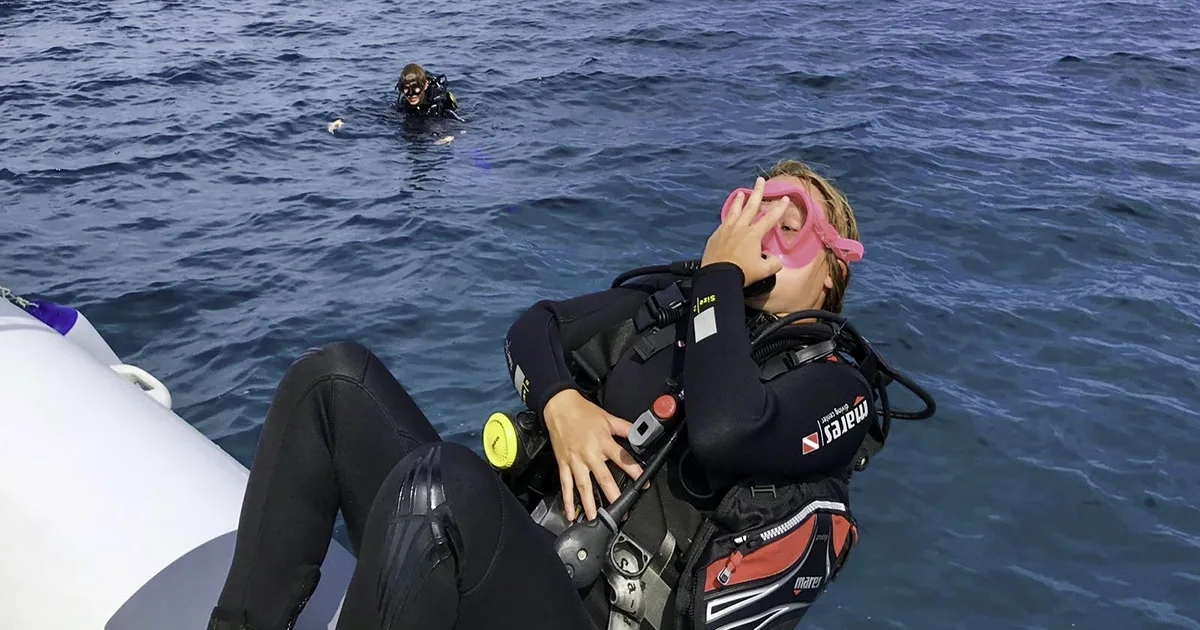
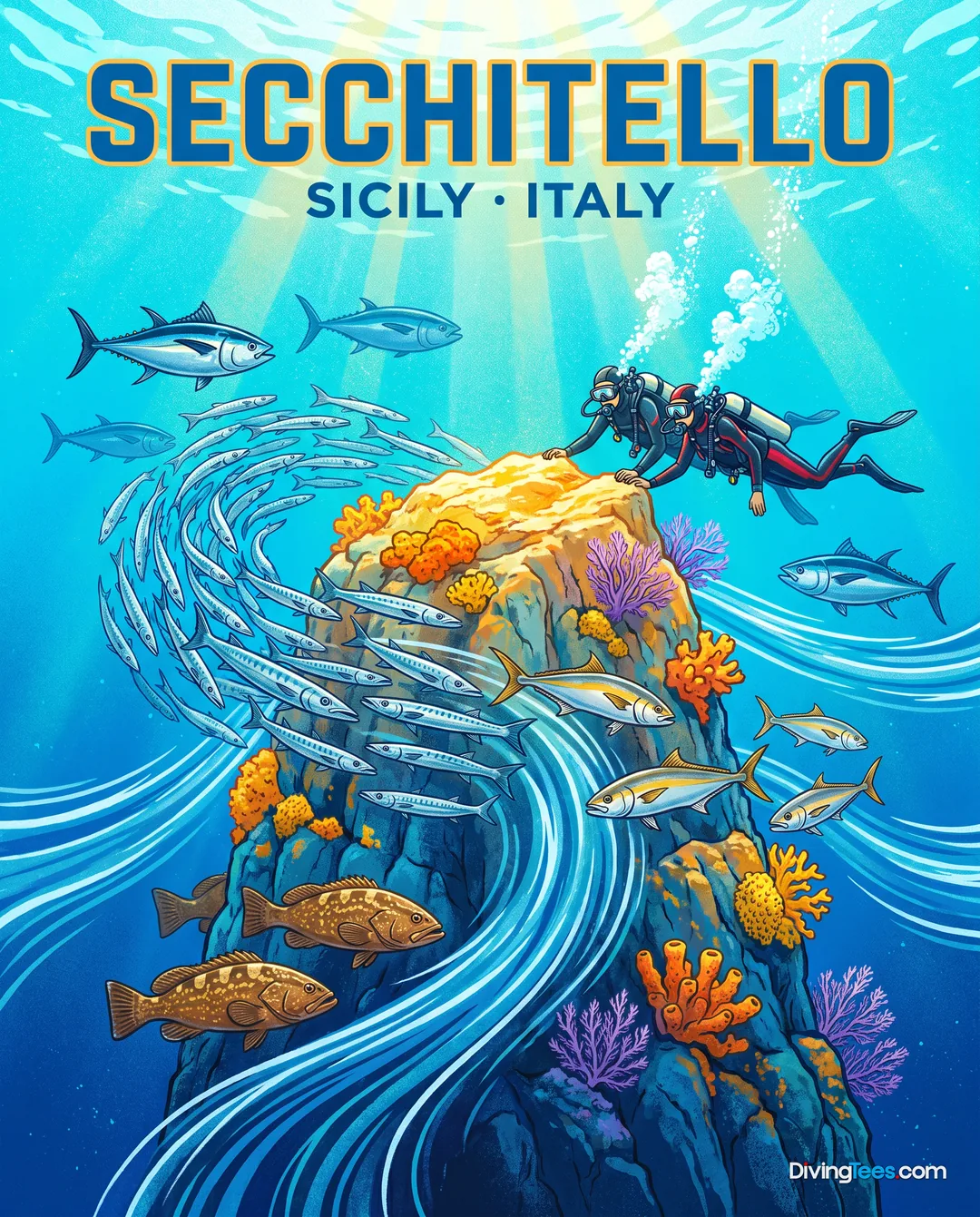
Most diving starts from Ustica harbour in local boats, heading for volcanic walls, isolated secche, rock falls and caves. The character changes markedly from one outing to the next. La Pastizza is sheltered, reaches 25 metres and has no current, while Secchitello is a serious pinnacle dive from 26 to 45 metres, with significant current and the possibility of a proper drift dive. Colombara gives the classic isolated-high-ground profile, with fish life concentrated around the rock. At Grotta dei Gamberi, the terrain becomes more committed, with a deep cave profile and a long penetration. Currents are variable rather than guaranteed, but moving water is part of Ustica’s appeal and its practical demands. Summer visibility can reach 30 to 40 metres, especially from June to September, although the local boat schedule and marine reserve zoning shape where you go each day.
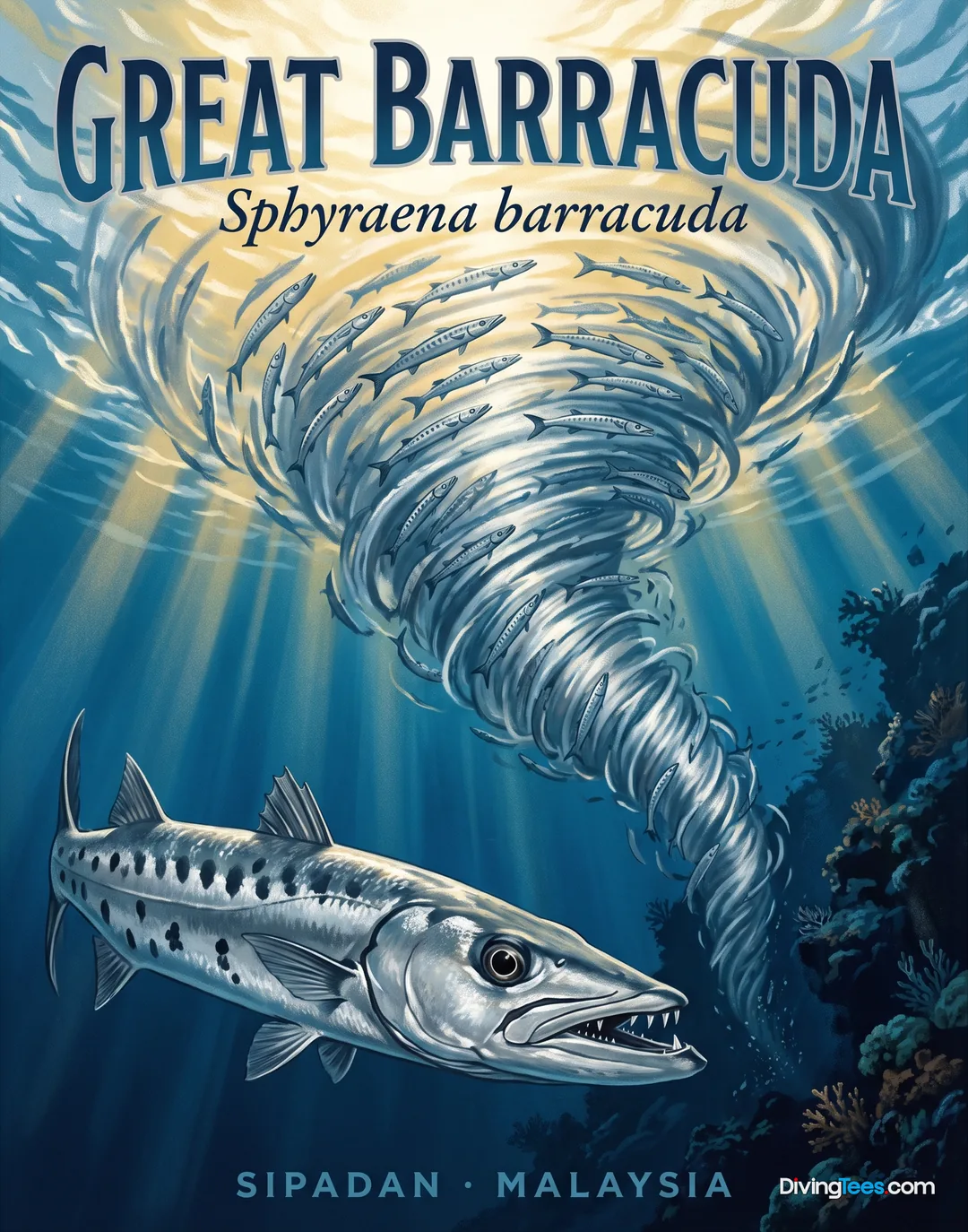
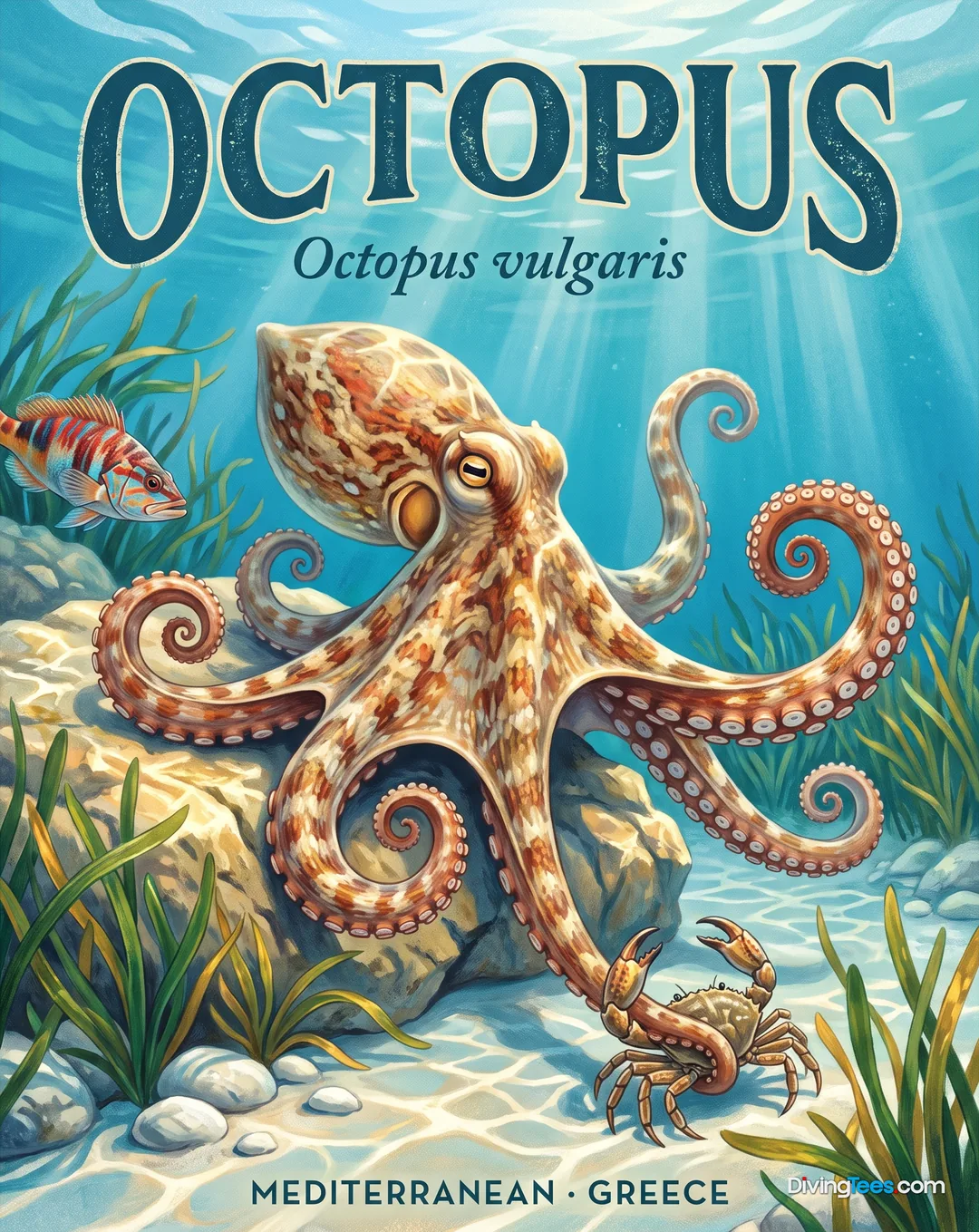
The protected rocky ground gives Ustica a distinctly Mediterranean cast. Brown grouper and marbled groupers hold station around walls and pinnacles, while moray eels and conger eels occupy cracks and darker recesses. Great barracuda and Greater amberjack add movement in open water, particularly around the isolated relief of sites such as Secchitello and Colombara. Red gorgonians bring colour to the deeper walls, with octopus, lobster and nudibranchs rewarding a slower look along the rock. These regular encounters are expected during the main diving season, from May to October. Turtles and dolphins are occasional visitors, while sightings of fin whales or sperm whales remain rare, so the dependable attraction is the resident reef community rather than a promise of pelagic encounters.
The diving season runs from early May to late October. May, June, September and October are sensible choices for divers who want fewer boats than in July and August, while June to September is the usual window for the clearest visibility. The edges of the season can be more dependent on sea conditions and ferry operations, so they reward a flexible itinerary rather than tightly connected travel. Winter, from November through March, is a poor fit for a planned diving holiday because both the marine programme and the island crossing become less dependable.
Ustica can suit beginners when the centre matches them to sheltered sites such as La Pastizza, but it is not a destination where every dive is entry-level. Open Water Diver, PADI, SSI or BSAC equivalent experience is enough for appropriate outings. Advanced Open Water or equivalent training becomes useful for deeper walls and pinnacles. Secchitello calls for genuine deep-diving experience, comfort in current and strong buoyancy control, while the longer penetration at Grotta dei Gamberi is for properly trained cave divers, not casual cave exploration.
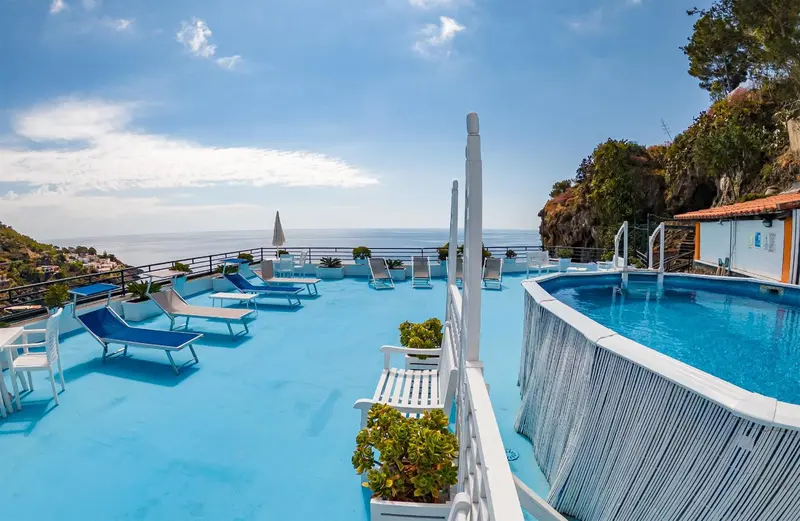
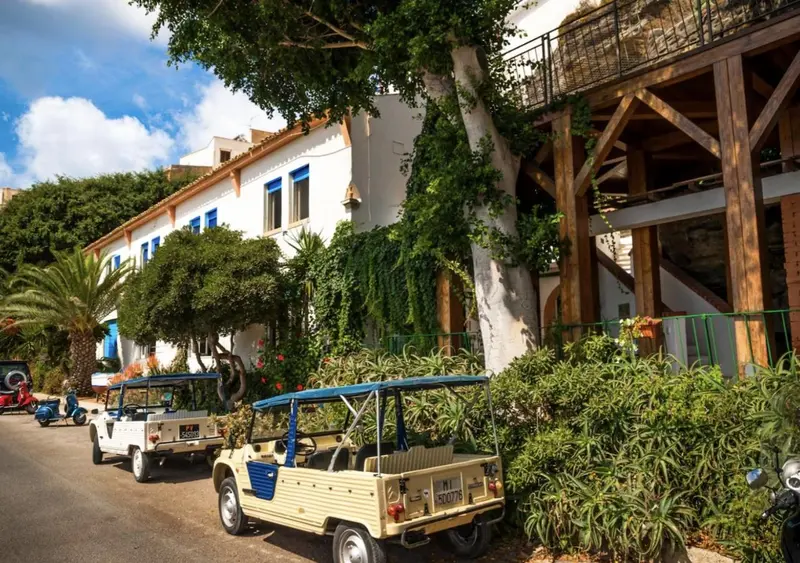
From London Heathrow, London Gatwick or Manchester, travel first to Palermo and allow roughly six to ten hours overall, depending on the connection and the onward transfer. The final leg is compulsory: a hydrofoil or ferry from Palermo to Ustica takes about an hour and a half. Sea conditions and sailing times can disrupt the plan, so leave a proper margin between arriving in Palermo and the boat departure. On Ustica, the village and harbour concentrate accommodation and diving activity. Depending on where you stay, the practical transfer is on foot or through transport arranged locally, but a shuttle should not be assumed for every property.
Treat the crossing as part of the itinerary, not a minor transfer. Do not put a tight flight connection before the Palermo sailing, and keep a margin after the final dive before returning to the mainland. Book several boat-diving days rather than filling every day with a fixed sequence, because sea conditions and the reserve’s zoned access can alter the programme. Ask which sites match your certification before accepting a cave or deep pinnacle, particularly when a site involves moving water or a long penetration. Check the applicable marine reserve zone before each outing: fishing and collecting are prohibited in the most protected areas, and navigation or anchoring may be restricted elsewhere. If you want quieter boats, favour May, June, September or October. Keep one day for the island itself, and do not assume that a shore entry will replace the local boat operation.
Plan on five to seven days on the island, giving yourself several mornings for boat diving and enough slack for a cancelled or rearranged outing. The village and harbour make a practical base, with centres and accommodation close together. A non-diving day can cover volcanic walking routes, coves, swimming, snorkelling or a boat trip to the sea caves. An accompanying non-diver has genuine alternatives, while divers can keep the final day clear before the ferry journey back to Sicily.
Hello, I'm Marina, DivingDeal.com's AI assistant. I guide you through destinations, areas and countries.
Thinking about the whole trip and the flights? Talk it over with Edith →
Marina is an AI. Some links are affiliate links: DivingDeal may earn a commission, at no extra cost to you. Bookings are made with the partner.
Your last day stays dry: no diving in the 18-24 hours before a flight, the perfect window to see the destination from another angle.
 Culture
⏱ 2 h · ★ 5.0 (46 reviews)
from £13$17€15
see on Viator ↗
 Culture
⏱ 2 h · ★ 5.0 (22 reviews)
from £13$17€15
see on Viator ↗
Ratings and reviews collected by Viator and Tripadvisor.
Ustica’s diving season runs from early May to late October. June through September is the usual window for clearest visibility, while May, June, September and October can offer fewer boats. The edges of the season depend more on sea conditions and ferry operations, so keep your itinerary flexible. Winter is less dependable for diving.
Ustica can suit beginners when a dive centre assigns sheltered sites such as La Pastizza. Open Water Diver or equivalent experience is enough for suitable outings. Advanced training helps with deeper walls and pinnacles. Secchitello requires deep-diving experience, current comfort and strong buoyancy control, while Grotta dei Gamberi requires proper cave-diving training.
Ustica offers volcanic walls, pinnacles, boulder fields and caves, with red gorgonians on deeper walls. You may encounter brown grouper, moray and conger eels, barracuda, Greater amberjack, octopus, lobster and nudibranchs. Grotta dei Gamberi has cave shrimp in darkness, while turtles and dolphins are occasional visitors and whales remain rare.
Plan a land-based island stay with several mornings available for boat diving from the harbour, plus flexibility for changing sea conditions and reserve access. Build in margin around the Palermo crossing and after your final dive. The village and harbour are practical bases, and a non-diving day can include walks, coves, swimming, snorkelling or sea caves.