
B&B Diving 2.0
Google 5/5 (28 reviews)
Italy · Mediterranean
Rocky walls, designated moorings and the steep promontory of Portofino shape boat dives from Camogli, with San Fruttuoso and the Ligurian coastline close at hand.
For subtitles in English: start the video firstthen click the gearat the top right of the video, select “Subtitles/CC”, then “Auto-translate” and choose “English”.
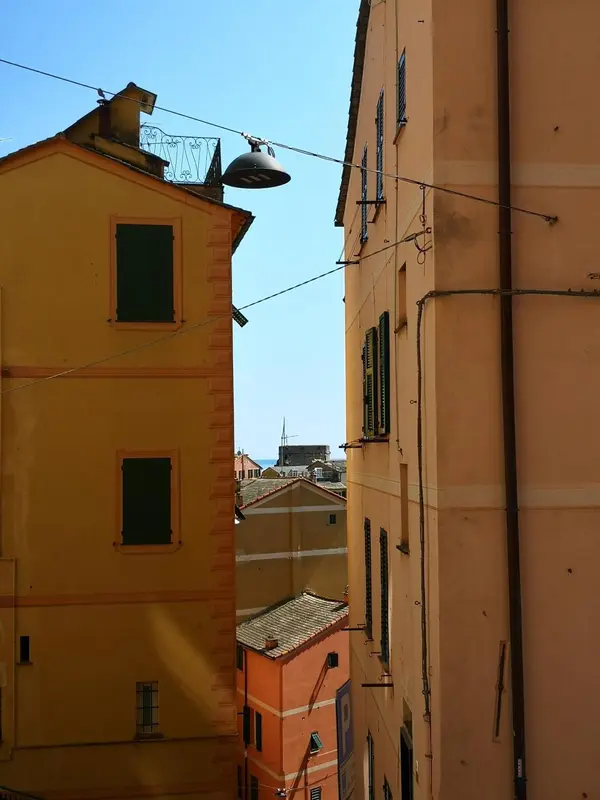
Camogli is a land-based diving base for the rocky promontory of Portofino. You board in Camogli or a neighbouring harbour, then head out to walls, steep rock faces and other reliefs within the Portofino Marine Protected Area. The village matters as much as the diving: its seafront, beaches and compact centre make this a practical choice for a non-diving partner. It is Mediterranean boat diving with a firm set of local rules, not a shore-diving holiday.
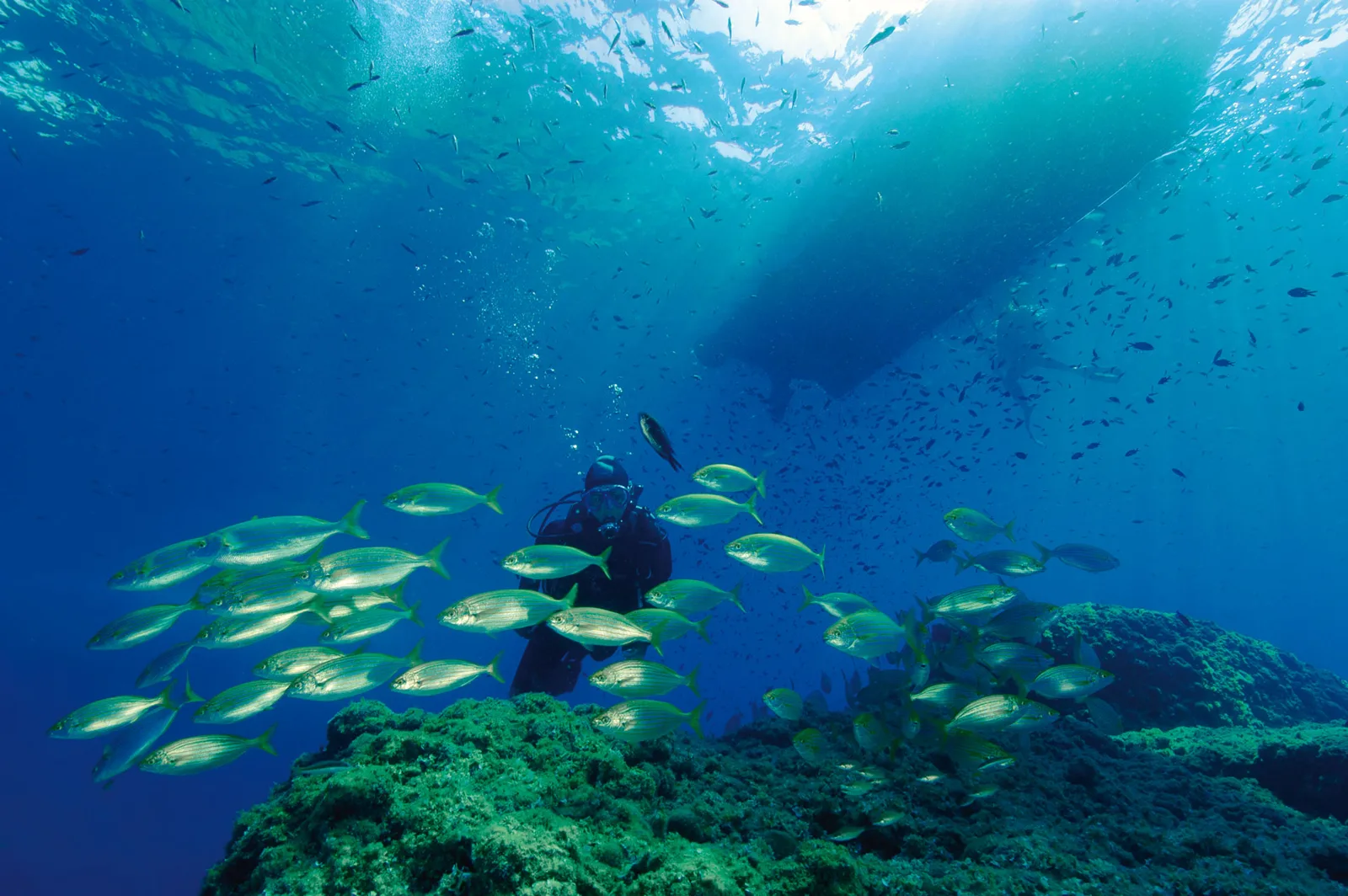
The underwater scenery is built around rocky walls, drop-offs and uneven reliefs around the Portofino promontory. Expect to leave Camogli by boat, descend at a regulated site and follow the rock rather than work from a beach entry. Currents are variable, so a calm-looking surface does not guarantee identical conditions below; the guide’s briefing and the planned mooring matter. Some dives can involve a downcurrent or a short drift dive, but neither should be assumed as the standard format. Boats must use designated moorings, because anchoring is forbidden inside the protected area. The character of the outing is therefore part geological exploration and part careful navigation through a managed marine space. Night diving is not a normal alternative here, since it is prohibited throughout the area unless specifically authorised.
Underwater, the focus is the rock itself: walls, vertical faces and broken relief that give attached marine life somewhere to grow. The protected setting also changes how you look at it. There is no anchoring, no deliberate contact with the bottom and no picking through the habitat, so the dive rewards slow observation and controlled buoyancy. Wildlife encounters are not tied here to a dependable seasonal headline. Keep your attention on cracks, ledges and the wall’s changing texture as the boat route and conditions determine the site. The marine life is part of a rocky protected environment, not a guaranteed checklist.
Camogli works best when you match your expectations to the boating calendar. Summer brings the greatest choice of coastal departures, but it also brings the heaviest tourist pressure and more activity around the promontory. Outside the high season, the village is generally quieter and easier to enjoy at a measured pace, although fewer boats may be running. Build some flexibility into the trip rather than treating a particular month as guaranteed. Navigation conditions, regulated moorings and the availability of local departures can all shape the programme. For quieter streets choose the shoulder periods; for the simplest access to boat diving, accept the busier summer rhythm.
The diving suits all levels when organised through the authorised local system, but certification alone is not the whole story. A newly qualified diver should be comfortable boarding a boat, descending onto a rocky wall and responding to variable current. Experienced BSAC, PADI and SSI divers will recognise the format, while those expecting an unrestricted independent dive should adjust their plans. Zone A is closed to diving except by special authorisation, and zone B has additional conditions for guided and individual dives.
From London or Manchester, plan to reach Genoa first, then continue to Camogli by road or train. Camogli has no airport of its own, so the final approach is an overland connection rather than a direct arrival at the resort. Coastal boat services also serve the Portofino promontory seasonally, but they are dependent on navigation conditions and should not be the backbone of a tightly timed itinerary. Once in Camogli, many accommodation options and the diving meeting points can be reached on foot, although the exact distance depends on the berth and the centre’s departure point. Allow time between connections, particularly if a boat departure is part of the plan.
Book through an authorised centre rather than assuming that a site around Camogli is available for independent diving. Before boarding, ask which protection zone the boat is visiting: the rules differ between zones A, B and C, and zone A is closed except by special authorisation. Do not expect to drop in from the beach as your default option, since the local programme is mainly boat-based. Check how the boat will secure itself, because anchoring is forbidden and designated moorings must be used. Keep a spare day in the itinerary in case navigation or the regulated moorings force a change of site or departure harbour. Compare departures from Camogli with those from nearby ports if a trip is full or cancelled, but remember that the same protected promontory does not mean identical logistics. Finally, do not build the holiday around a night dive: it is prohibited throughout the area unless specifically authorised.
Treat Camogli as a shore-based holiday rather than a liveaboard stop. Stay near the harbour or your meeting point if carrying equipment, since the village is compact but the exact embarkation point varies. Between dives, the seafront and historic centre are easy to explore, while San Rocco and Punta Chiappa offer coastal walking. Boat excursions can take non-divers towards Portofino, Santa Margherita Ligure or San Fruttuoso, whose abbey is also reached by trail.
Hello, I'm Marina, DivingDeal.com's AI assistant. I guide you through destinations, areas and countries.
Thinking about the whole trip and the flights? Talk it over with Edith →
Marina is an AI. Some links are affiliate links: DivingDeal may earn a commission, at no extra cost to you. Bookings are made with the partner.
Summer offers the greatest choice of coastal departures, but the promontory is busier and tourist activity is heavier. Shoulder periods bring quieter streets and a more measured pace, although fewer boats may operate. Keep your itinerary flexible because navigation conditions, regulated moorings and local departure availability can change the programme.
Camogli suits divers of all levels when organised through the authorised local system, but you should be comfortable boarding a boat, descending onto a rocky wall and responding to variable current. Certification alone is not enough preparation for every diver. Independent diving is restricted, with additional conditions in some protection zones.
Diving around Camogli focuses on rocky walls, vertical faces, drop-offs and broken relief around the Portofino promontory. Cracks, ledges and changing rock textures provide places for attached marine life. Conditions and boat routes influence each site, so wildlife is part of a protected rocky environment rather than a guaranteed checklist.
Reach Genoa first, then continue to Camogli by road or train, allowing time between connections. Book through an authorised centre and confirm the protection zone, departure point and designated mooring arrangements. Stay near the harbour or meeting point, keep a spare day for changes, and plan walks or boat excursions between dives.