
Argonauta La Maddalena
Google 5/5 (122 reviews)
Italy · Mediterranean
Granite walls, Posidonia meadows and clear water shaped by Bonifacio Strait currents define boat diving around La Maddalena.
For subtitles in English: start the video firstthen click the gearat the top right of the video, select “Subtitles/CC”, then “Auto-translate” and choose “English”.
Granite walls drop into clear water around an island chain shaped by wind, current and strict protection. La Maddalena is principally a boat-diving destination, with centres on the island reaching rocky outcrops, boulder fields, walls, cavities and Posidonia meadows across the archipelago and northern Sardinia. The setting suits a proper week rather than a quick break, leaving room to follow the weather, explore different islands and enjoy the shore between outings.
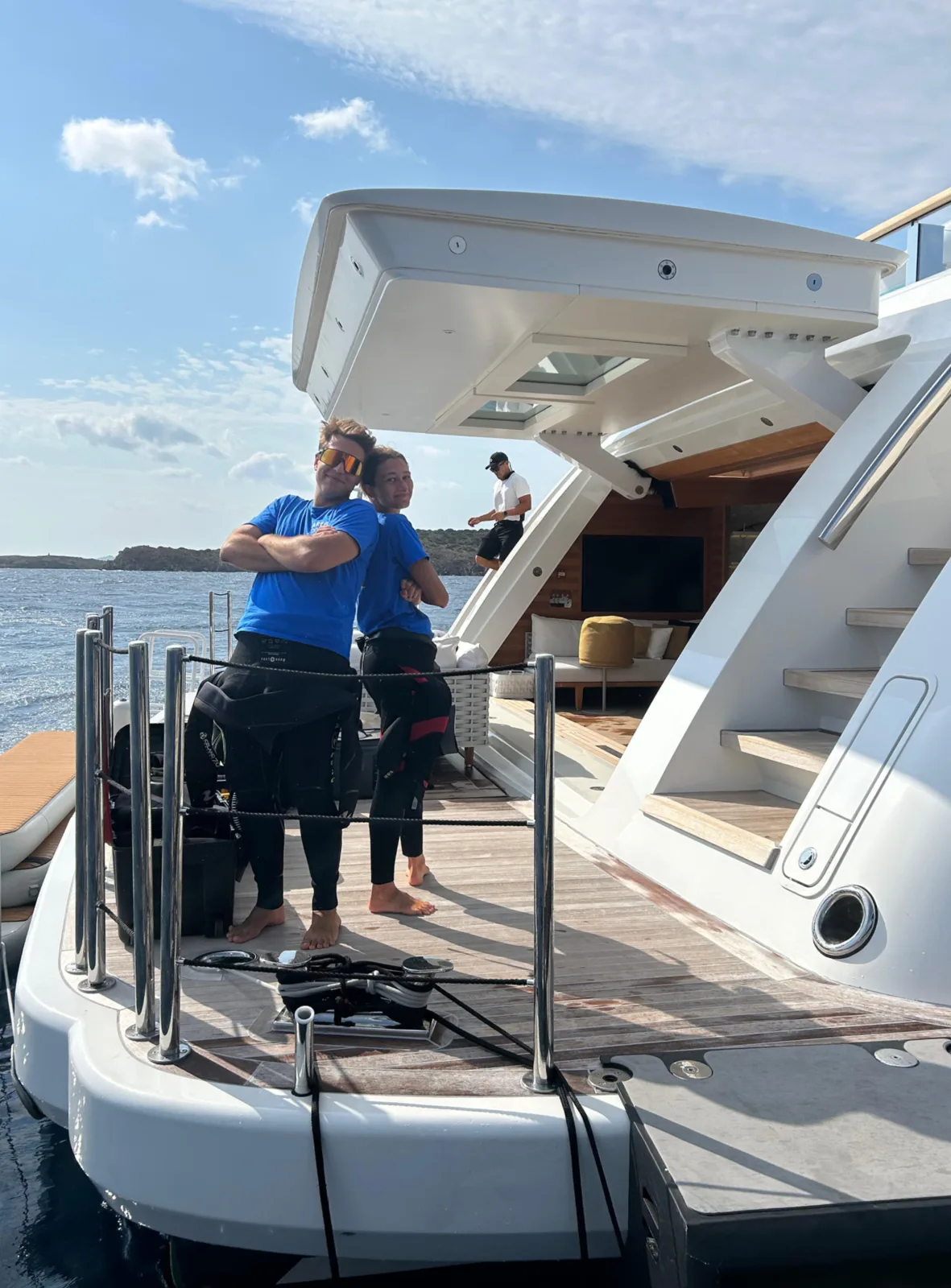
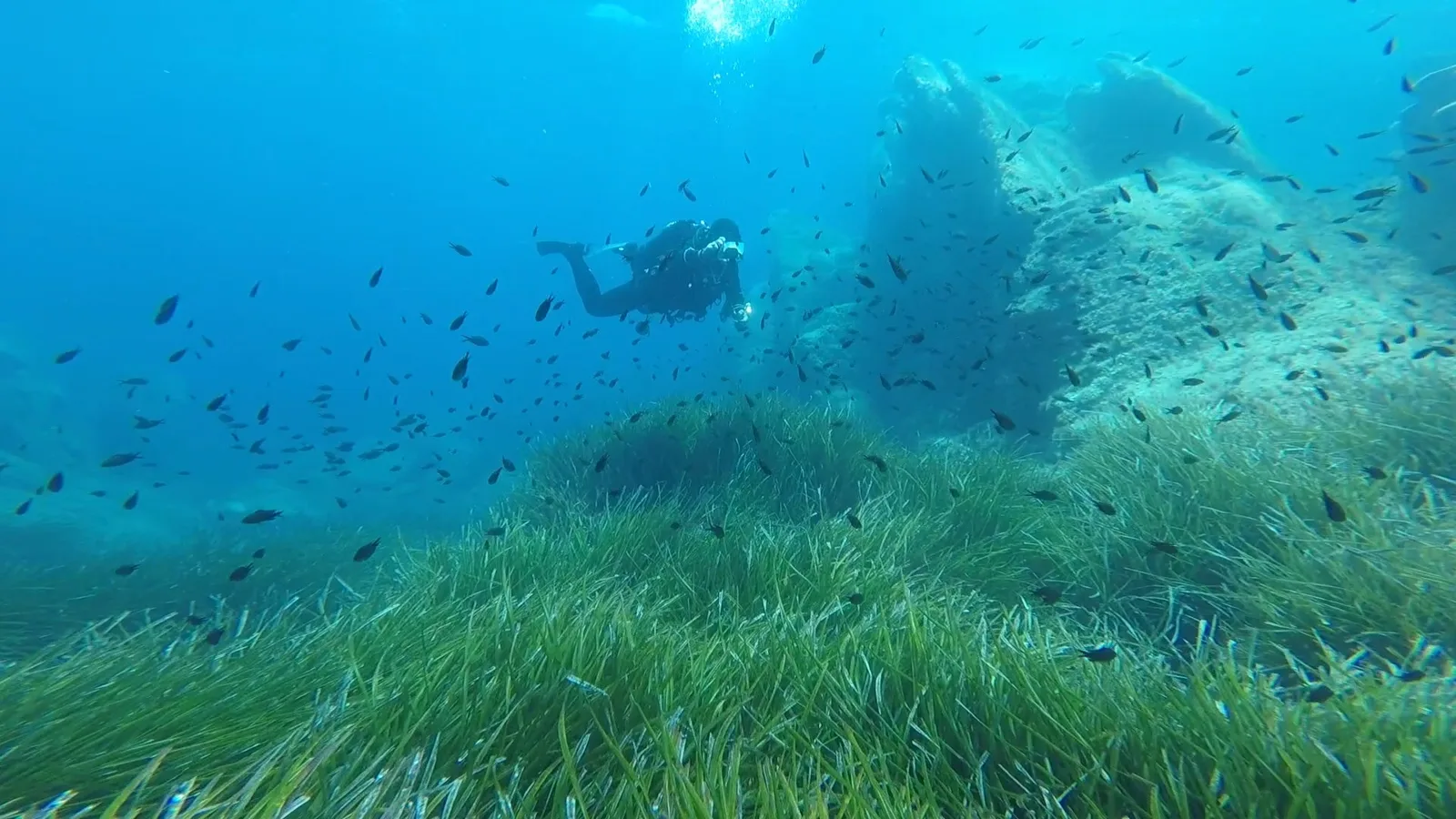
The underwater scenery is Mediterranean granite: walls, slabs, broken boulders, cavities and rocky slopes beside broad Posidonia meadows. Most diving is arranged from a day boat, rather than from the shore, and the choice of island depends on wind, sea state and the current running through the more exposed passages. Current is variable, so a sheltered tour can sit alongside a livelier drift dive on another day. Visibility is often around 20 to 25 metres, helped by water movement through the Bonifacio Strait, though wind, swell, suspended sediment and plankton can change that quickly. Expect a briefing-led dive, a controlled return to the boat and a safety stop in surroundings that may feel entirely different once the boat crosses into another channel.
Marine life here is closely tied to the structure of the habitat. Posidonia meadows provide protected seagrass ground, while granite walls, cracks, cavities and boulder fields create the places where Mediterranean life gathers and shelters. The protected status of the archipelago keeps these habitats at the centre of the diving experience, even though the busy summer boating season puts pressure on the surrounding waters. Clearer water can make the texture of the rock and the edge of the seagrass particularly easy to read, while plankton blooms or stirred-up sediment reduce that advantage. June and the quieter months after August are useful for spending longer looking closely, rather than sharing every attractive patch of reef with passing boats.
June, September and October are the sensible months for combining diving with a less crowded archipelago. July and August bring the heaviest boating pressure around the famous islands and anchorages, while the wind can still alter the programme at any time of year. June offers the start of the long Mediterranean diving season; September and October retain useful diving conditions while the holiday traffic eases. Allow several diving days rather than fixing every outing in advance, because exposed passages may be unsuitable when wind and swell build. Morning departures are especially worthwhile in high summer, when fewer boats have yet reached the popular areas.
La Maddalena can suit beginners, provided the centre selects a sheltered site and treats the local current honestly. PADI, SSI and BSAC divers should find the destination straightforward at the level of their training, but certification alone does not make every passage suitable. More experienced divers will appreciate the ability to move between sheltered granite terrain and current-affected channels. Your useful preparation is modest: be comfortable with boat procedures, follow the local briefing and ask how the planned site responds to wind and tide before entering the water.
From London Heathrow or Gatwick, or from Manchester, the usual journey is by air to Olbia, followed by the road transfer to Palau and the compulsory ferry to La Maddalena. The Palau to La Maddalena crossing takes about 20 minutes, but the connection matters: flights, road travel and ferry departures are seasonally variable, so leave room between them before fixing accommodation or a first boat outing. A ferry from mainland Italy can also be possible, depending on the route chosen. Once on the island, accommodation and centres in the town may be reachable on foot; elsewhere, allow for a taxi, hire car or a centre-arranged shuttle.
Book an operator authorised for the national park, because a diver’s qualification does not by itself open every protected site. Ask before the first outing whether the plan lies in an integral protection zone or an MB zone, and what that means for access, mooring and the dive itself. Check where the boat will moor: sand is the correct alternative to Posidonia, and anchoring in seagrass damages a protected habitat. Keep several diving days free for changes caused by wind, especially if the programme includes exposed passages. In July and August, request the earliest practical departure and ask about less familiar areas away from the busiest emblematic islands. Do not assume that a non-authorised boat can simply substitute for a booked trip. Finally, allow time for the Palau ferry connection before committing to accommodation or a first morning departure.
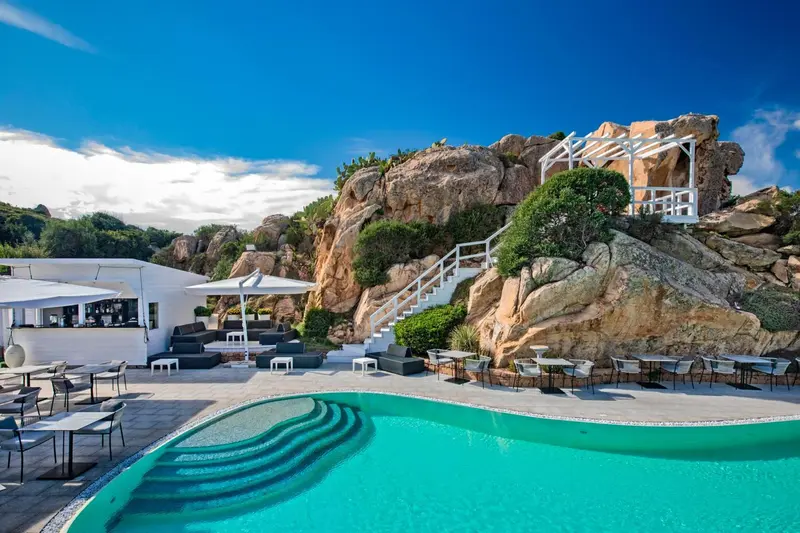
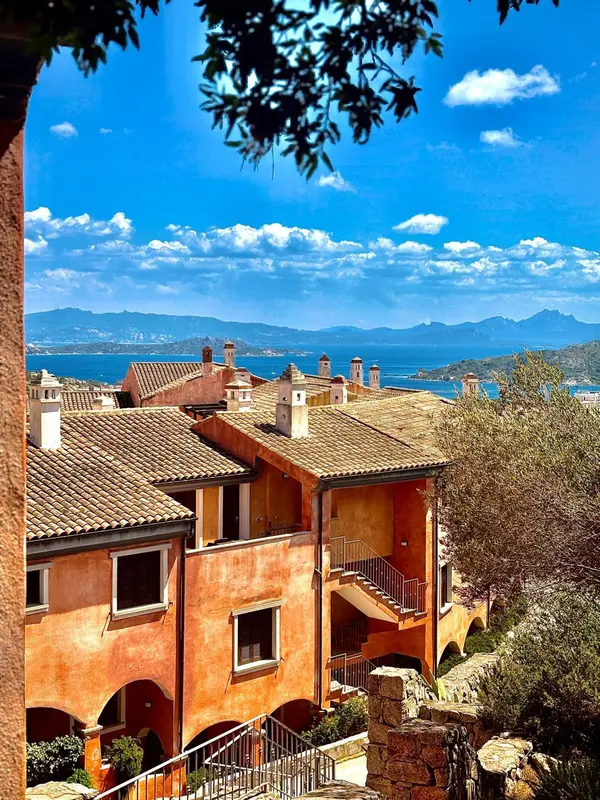
A week on La Maddalena works well: several boat-diving days, a weather margin and time to see the islands above water. Staying in or near the town keeps some centres and embarkation points within walking distance, while accommodation farther out usually means a taxi or car. Keep one day for an archipelago excursion, a beach reached by boat or Caprera’s coastal paths. Villages, harbours, fortifications, kayaking and sailing fill the gaps when conditions or the programme keep you ashore.
Hello, I'm Marina, DivingDeal.com's AI assistant. I guide you through destinations, areas and countries.
Thinking about the whole trip and the flights? Talk it over with Edith →
Marina is an AI. Some links are affiliate links: DivingDeal may earn a commission, at no extra cost to you. Bookings are made with the partner.
Choose June, September or October to combine diving with a quieter archipelago. July and August bring heavier boating pressure around popular islands and anchorages. Wind can change the programme at any time, so keep several diving days flexible. Morning departures are useful in high summer, before more boats reach the dive areas.
La Maddalena can suit beginners when a centre selects a sheltered site and explains the local current clearly. PADI, SSI and BSAC divers should find suitable diving within their training. More experienced divers can explore current-affected channels. You should be comfortable with boat procedures, follow briefings and ask how wind and tide affect the site.
Around La Maddalena, you can explore granite walls, slabs, broken boulders, cavities and rocky slopes beside Posidonia meadows. Protected habitats provide shelter for Mediterranean marine life. Boat dives reach different islands and channels, where visibility is often clear, although wind, swell, suspended sediment and plankton can change underwater conditions.
Plan a week with several boat-diving days, a weather margin and time ashore. Fly to Olbia, travel to Palau and take the compulsory ferry to La Maddalena, leaving room for seasonal connections. Book a national-park-authorised operator, keep outings flexible, and check access, mooring and site conditions before diving.