
Pelagos D.C. Lampedusa
Google 4.8/5 (57 reviews)
Italy · Mediterranean
Cliffs, arches, rocky outcrops, barracuda and the exposed shoals of Lampione make Lampedusa a distinctly boat-led Mediterranean diving base.
For subtitles in English: start the video firstthen click the gearat the top right of the video, select “Subtitles/CC”, then “Auto-translate” and choose “English”.
Cliffs, arches and rocky outcrops define Lampedusa below the surface, with the island’s boats heading from the harbour towards walls, fissures, boulder fields and offshore shoals. The closer sites can suit a first Mediterranean dive or a relaxed series of immersions, while Lampione adds a more exposed day on the open water. Lampedusa works best as a base for a week on land, with enough flexibility to follow the weather rather than forcing every dive into a fixed plan.
Most diving is by boat, not from the beach. Around Lampedusa, expect rocky walls, arches, cracks, boulder slopes and shallower coastal ground, with routes chosen according to wind and sea conditions. Currents are variable, so a calm-looking itinerary can still involve a moving-water descent or a need to manage the group carefully on the ascent and safety stop. Visibility is generally regarded as high, although swell, suspended particles and local plankton can reduce it. The more ambitious outing is Lampione, where the longer run offshore brings greater exposure and demands settled weather. Nearby sites are suitable for all levels, but the open-water character of a distant shoal is different from an easy coastal dip. Bring a full suit for repeated boat dives, and expect the day to be organised around the boat’s departure and return rather than independent shore access.
Barracuda are a regular possibility from June into October, often giving the open rocky scenery a more purposeful, moving presence. Groupers are also encountered regularly from May to October, while marine turtles can appear between June and September. Grey sharks are an occasional sighting from July to September, not a dependable feature of every trip. These seasonal windows are useful when planning, but they are not guarantees, and the character of the dive remains the rock, the wall and the changing light through arches and fissures. The Area Marina Protetta Isole Pelagie protects rocky habitats and seagrass beds, although summer pressure is heavier around the best-known coves and beaches. June and September offer a quieter chance to enjoy the water without the height of the July and August rush.
June to September is the most straightforward period for Lampedusa diving. Air links and boat departures are generally more regular, and the weather gives the greatest choice of nearby and offshore itineraries. July and August bring the busiest boats and the heaviest pressure around popular coastal coves, so June or September often provide a better balance. Late autumn and winter are quieter, but wind, sea conditions and transport schedules make a planned programme less dependable. If Lampione matters, allow a spare day or two rather than relying on one departure. A five-millimetre suit is the sensible all-round choice for repeated dives, even in the warmest part of summer.
Lampedusa can suit beginners, provided the first dive is on a sheltered, shallow coastal site rather than an exposed offshore shoal. Divers qualified through BSAC, PADI or SSI will find the local boat diving familiar, while an Advanced Open Water qualification is useful for deeper walls and more exposed routes. Comfort in open water matters more than chasing a particular qualification for Lampione. Anyone who is uneasy with a longer sea passage should build confidence on the closer sites before committing to the offshore trip.
From London Heathrow, London Gatwick or Manchester, allow a full day for the journey, normally with a connection in Italy or Sicily. Lampedusa has flights from Sicily, including Palermo and Trapani, with direct services from Italian cities mainly seasonal and subject to the timetable. The alternative is a ferry or fast boat from Porto Empedocle in Sicily, a crossing of several hours that depends on the service and the sea. Build in time between connections, particularly if combining air and ferry travel. Once on the island, accommodation in the centre is generally within walking distance of the harbour or dive operations. Further out, a scooter, taxi or arranged shuttle is the practical answer.
Keep weather margin in the itinerary, especially if Lampione is the reason for coming. Do not build a short trip around one offshore departure, and do not put the flight home immediately after the final dive, because a rough sea can disrupt both the boat plan and the onward connection. Ask which Area Marina Protetta Isole Pelagie zone applies to each outing, and what authorisation the trip covers. The rules vary by zone, surface signalling is required for daytime diving, and anchoring may be prohibited where moorings are provided. Start with a sheltered coastal dive before choosing the open-water option. Group offshore trips on the calmest days and keep closer sites for windy weather. June or September usually ease pressure on boats without pushing you into the unreliable winter transport period. Pack a proper suit for repeated immersions, and leave at least one reserve day if Lampione or Linosa is important.
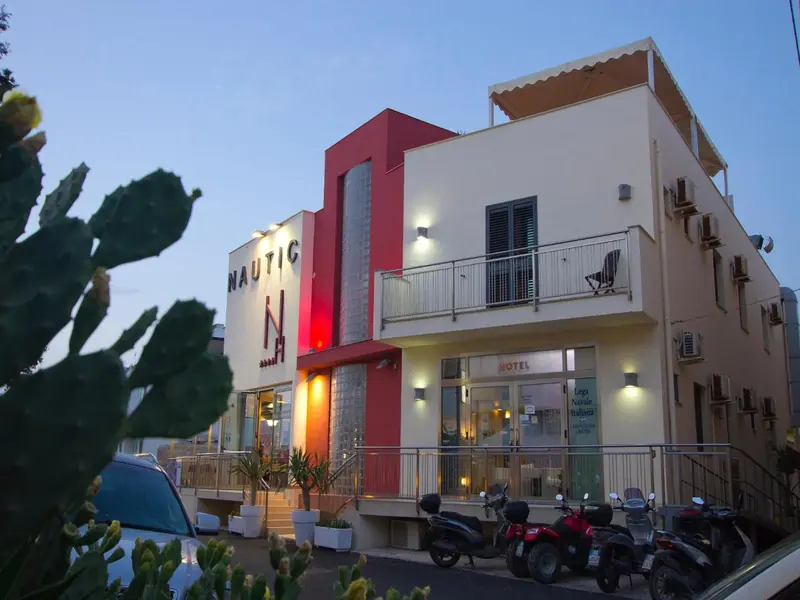
Plan Lampedusa as a five- to seven-day stay on land rather than as a liveaboard requirement. Boats leave from the harbour for the sites around the island, while the day’s route can be adjusted when wind makes an exposed itinerary uncomfortable. Staying centrally keeps the harbour and diving arrangements within an easy walk; accommodation farther out calls for a scooter, taxi or shuttle. Non-divers have beaches and coves, coastal walks, boat excursions, turtle conservation activities and, when the connection works, a day on Linosa.
Hello, I'm Marina, DivingDeal.com's AI assistant. I guide you through destinations, areas and countries.
Thinking about the whole trip and the flights? Talk it over with Edith →
Marina is an AI. Some links are affiliate links: DivingDeal may earn a commission, at no extra cost to you. Bookings are made with the partner.
June to September offers the most dependable choice of nearby and offshore boat itineraries, with more regular air links and departures. June and September are generally quieter than July and August. Barracuda are regularly seen from June into October, while turtles may appear from June to September and grey sharks from July to September.
Lampedusa can suit beginners if you start at a sheltered, shallow coastal site. Divers qualified through BSAC, PADI or SSI will find the boat diving familiar. An Advanced Open Water qualification is useful for deeper walls and exposed routes, while comfort in open water matters particularly for the longer Lampione outing.
You can explore rocky walls, cliffs, arches, fissures, cracks and boulder fields, with changing light and generally high visibility. Barracuda are a regular possibility from June into October, and groupers from May to October. Marine turtles may appear from June to September, while grey sharks are occasional from July to September.
Plan Lampedusa as a five- to seven-day stay on land, with boat diving organised from the harbour. Keep spare time for weather changes, especially if Lampione matters, and avoid placing your flight immediately after the final dive. Staying centrally keeps the harbour and dive operations walkable; elsewhere, use a scooter, taxi or shuttle.