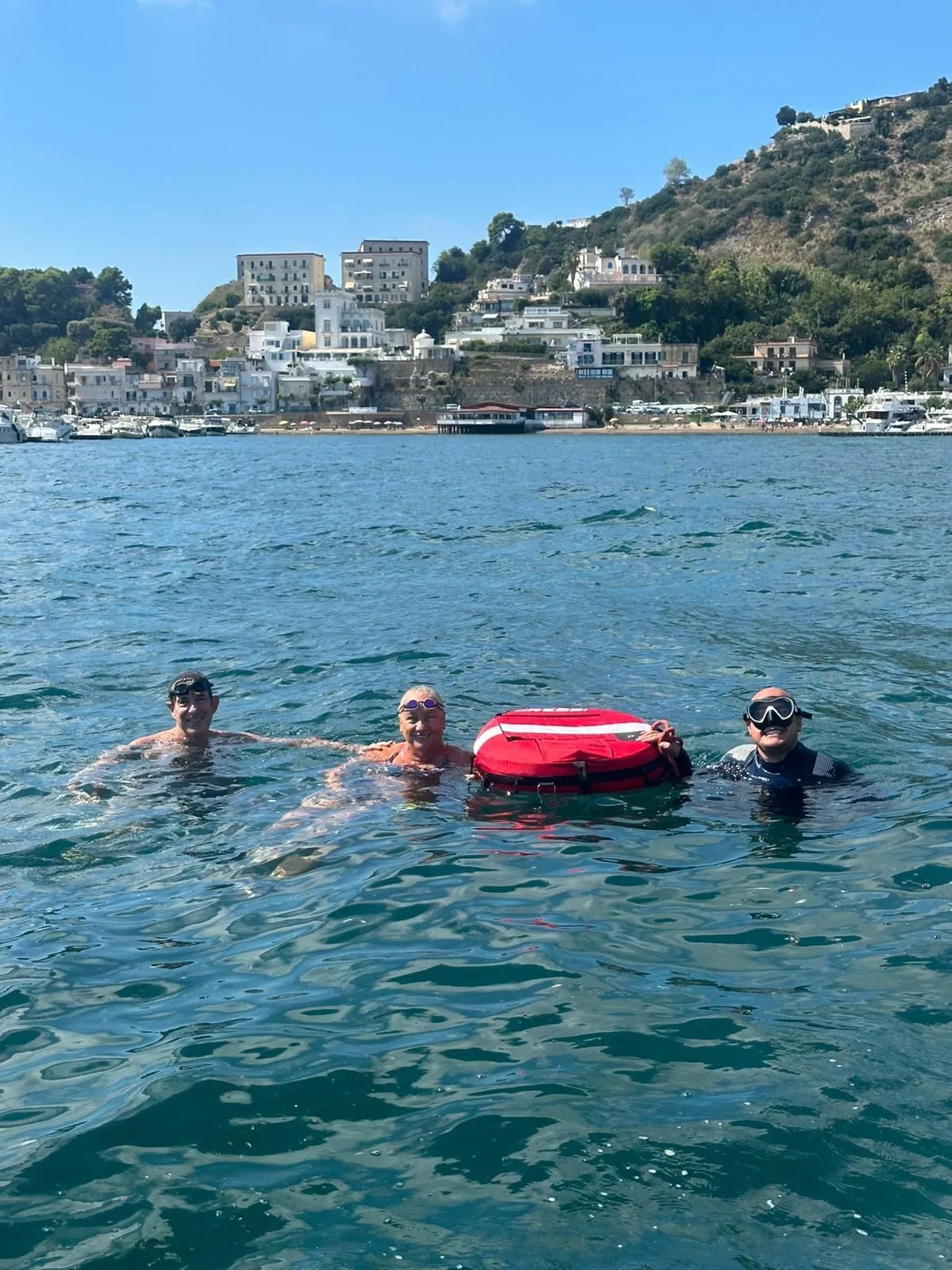

Sea World Baia
Google 4.9/5 (249 reviews)
Italy · Mediterranean
Roman ruins at Baia, volcanic seabeds around Pozzuoli and boat days to Ischia and Procida give Napoli its distinctive underwater shape.
For subtitles in English: start the video firstthen click the gearat the top right of the video, select “Subtitles/CC”, then “Auto-translate” and choose “English”.
Baia's Roman ruins are the reason to come, but they are only one part of the picture. From the western shore of the Gulf of Naples, a diver can move between shallow archaeological ground, volcanic seabeds around Pozzuoli, Bacoli and Nisida, and boat-led outings to Ischia or Procida. Napoli works as a shore-based trip rather than a liveaboard destination. Its appeal lies in putting ancient history, volcanic geology and Italian city life within the same holiday, with enough variety for a diving partner who prefers to stay dry.
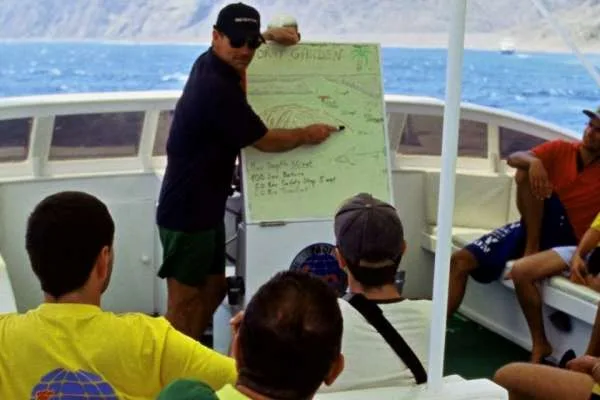
The diving changes character from one departure point to the next. Baia is a shallow, guided archaeological experience, with submerged Roman remains treated as protected heritage rather than as a conventional wreck. Around Pozzuoli, Bacoli and Nisida, volcanic ground supplies the other defining texture, while Ischia and Procida add island routes and potentially deeper itineraries. Currents are variable, so a calm local outing and a more committed island day should not be treated as interchangeable. Visibility also responds to swell, coastal run-off, plankton and boat traffic, rather than following a dependable figure. Most diving is organised from shore-based centres with day boats. Advanced certification is useful for deeper or more demanding island plans, and wreck training has a place where an operator includes a wreck or submerged structure.
Napoli is not a destination built around a named procession of large animals. Underwater, the interest comes from the meeting of marine life with archaeological and volcanic ground. Animals and plants inhabit the protected areas around Baia, Ischia and Procida, while the rules specifically prohibit damaging or removing them. What you see will therefore depend on the exact site, recent sea conditions and the balance between urban, coastal and island environments. Baia is chiefly about Roman remains and the way life sits around them, not about searching for a signature seasonal species. Around the volcanic coast and islands, allow the habitat to set the rhythm of the dive rather than planning around a wildlife calendar.
May, June, September and October are the most sensible months for a first visit. Spring and early autumn usually bring less crowded boats and coastal sites than July and August, when traffic rises around the islands and the more heavily visited parts of the bay. The diving season runs broadly from spring into autumn, so there is no need to force the trip into the height of summer. These shoulder months also make it easier to combine a Baia visit with a separate island day without every outing competing with peak holiday traffic. Conditions still vary with swell, coastal run-off and plankton, so visibility is best treated as a condition of the day, not a fixed seasonal promise.
The destination suits all levels, provided the individual itinerary matches the diver's experience. Baia can include shallow guided visits, but the route and conditions should be agreed in advance rather than assumed from the word archaeological. Advanced certification is useful for deeper dives and some island itineraries. Wreck certification is relevant when the plan includes an actual wreck or submerged structure. The essential qualification at Baia is not a particular agency badge, whether BSAC, PADI or SSI, but acceptance of the park's guided format and its equipment restrictions.
From London Heathrow, Gatwick or Manchester, reach Naples by air, using a direct European service where available. From Naples, the western diving coast is reached by road or urban transport towards Pozzuoli, Bacoli and Baia, rather than by staying in the historic centre. Taxi transfers can simplify early starts, while a coastal base may reduce daily travel. Ischia and Procida require a ferry or hydrofoil from a Naples port, with crossings generally taking under two hours depending on the departure port and vessel. Build those crossings into the itinerary as fixed transport, not as an optional add-on. A sea-weather disruption can affect an island day even when a coastal dive remains possible, so leave a margin before any onward journey.
Treat Baia as a scheduled archaeological visit, not as an ordinary independent shore dive. The park requires authorised guides, limits an immersion to eight visitors with one guide for every four, and bans mixed gases and rebreathers. Boats must use the designated mooring buoys, and nothing can be touched, moved or collected, whether it looks like a loose tile, amphora fragment or piece of geology. Put Baia on its own day and keep Ischia or Procida separate, because a ferry leaves less room to reshuffle the plan. If several dives begin from the western coast, staying near the port can save repeated road transfers from central Naples. Check the permitted Baia format and equipment before travelling, and pack thermal protection suitable for spring or autumn rather than assuming every centre carries the same hire range.
Allow four to seven days for a useful balance between Baia, the volcanic coast and one or two island days. Naples itself is a workable base, but repeated starts towards Baia and Pozzuoli add road transfers; staying near the western coast or a departure harbour can make the diving days simpler. Keep island transport grouped into a separate day, then leave time for the archaeological sites, museums, Campi Flegrei and the food and streets of Naples. A non-diving companion has plenty to do without treating the trip as a beach-only holiday.
Hello, I'm Marina, DivingDeal.com's AI assistant. I guide you through destinations, areas and countries.
Thinking about the whole trip and the flights? Talk it over with Edith →
Marina is an AI. Some links are affiliate links: DivingDeal may earn a commission, at no extra cost to you. Bookings are made with the partner.
May, June, September and October suit a first visit, with spring and early autumn generally bringing quieter boats and coastal sites than July and August. Diving runs broadly from spring into autumn, while visibility varies with swell, coastal run-off and plankton, so conditions remain a day-to-day consideration.
Napoli suits different experience levels when your itinerary matches your ability. Baia offers shallow guided visits, while deeper or more demanding island plans make advanced certification useful. Wreck certification matters when an operator includes a wreck or submerged structure. Baia also requires acceptance of its guided format and equipment restrictions.
Napoli combines submerged Roman ruins at Baia with volcanic seabeds around Pozzuoli, Bacoli and Nisida, plus island routes around Ischia and Procida. Marine life and plants inhabit protected areas around Baia and the islands, but sightings depend on the site, recent conditions and the balance between coastal, urban and island environments.
Plan Napoli as a shore-based trip, with Baia scheduled separately from an Ischia or Procida day. Reach the islands by ferry or hydrofoil and allow for sea-weather disruption. Staying near the western coast or a departure harbour can reduce road transfers. A four-to-seven-day stay balances Baia, volcanic coast and island outings.