RAID
Full Dive
Google 5/5 (134 reviews)
Italy · Mediterranean
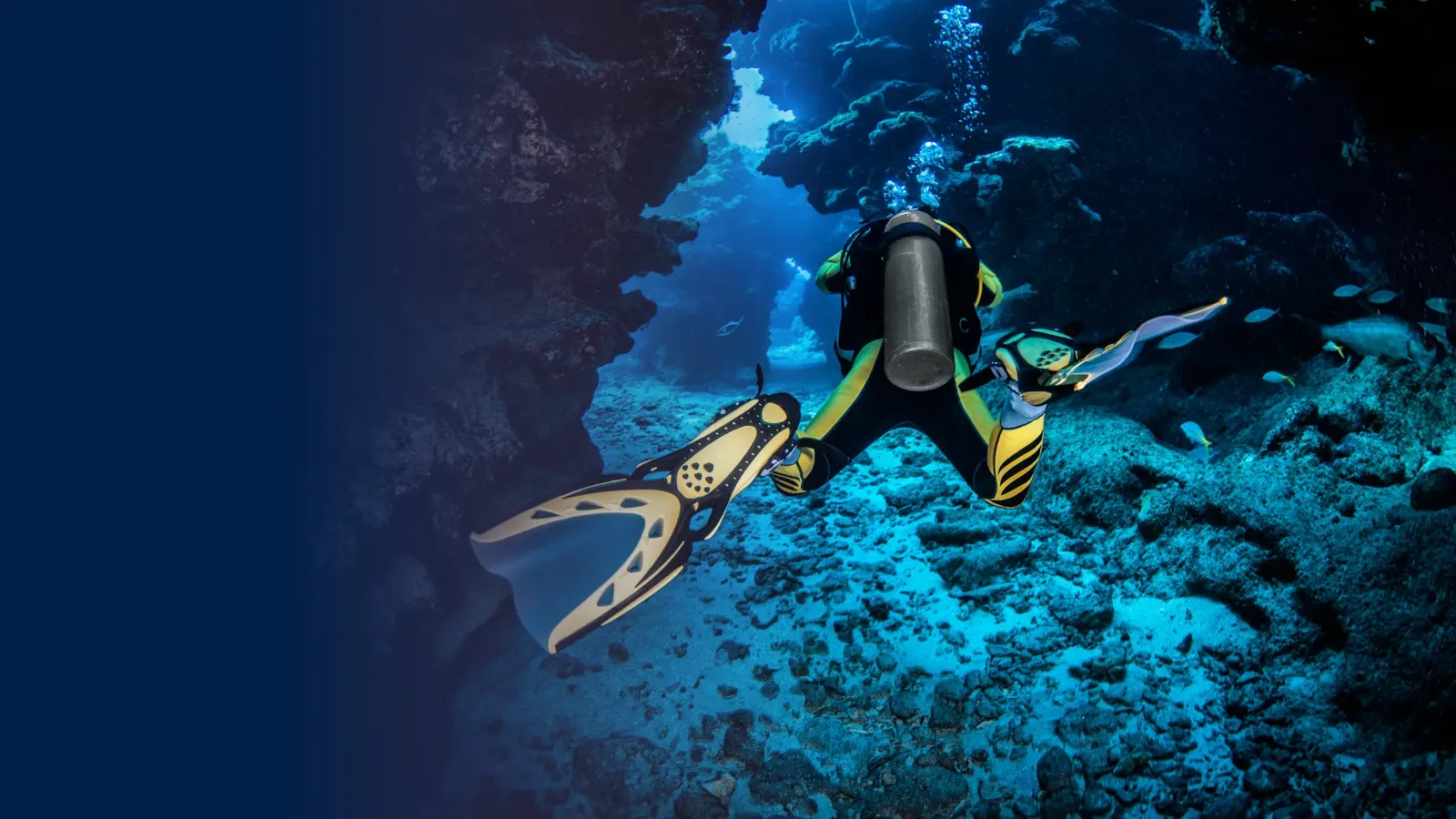
Rocky walls, caves, overhangs, gorgonians and seagrass unfold from Porto Ercole, with boat days reaching Giannutri and the island of Giglio.
For subtitles in English: start the video firstthen click the gearat the top right of the video, select “Subtitles/CC”, then “Auto-translate” and choose “English”.
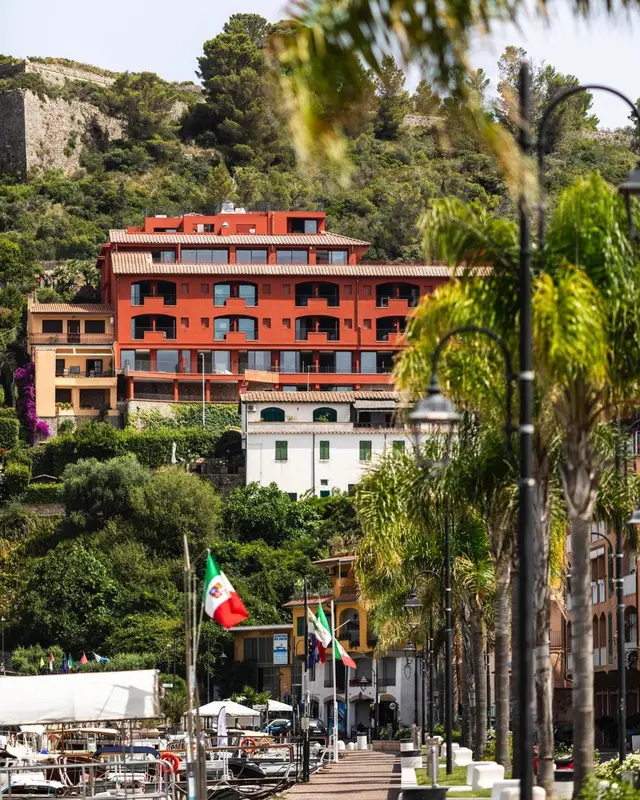
Porto Ercole is a shore-based diving base on Monte Argentario, where most days begin beside the harbour and continue by boat or semi-rigid along the peninsula’s rocky coast. The underwater scenery is made of walls, caves, overhangs, gorgonians and seagrass rather than tropical coral. It also works as a base for longer outings to Giannutri and the island of Giglio. Above water, a compact harbour village, Spanish fortifications, coves and coastal paths give non-divers plenty to do.
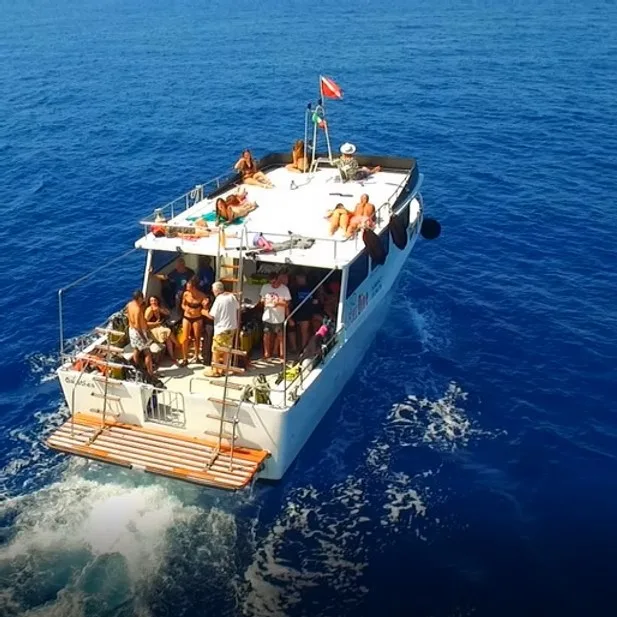
The local diving is predominantly boat-based, with departures from the waterfront and sectors selected according to the sea conditions. Around Monte Argentario, expect rocky Mediterranean relief, open caves, overhangs and walls, with gorgonians and seagrass adding colour and structure to the scenery. Currents are variable, so a site that looks straightforward on the chart may feel quite different on the day. Visibility is best treated as condition-dependent rather than as a fixed promise. The format ranges from guided recreational dives to technical training and outings towards Giannutri or Giglio. Those island trips are full-day affairs, not a quick extension of a coastal morning. Some centres also arrange shore entries, but the practical assumption should be that Porto Ercole is a boat-diving base.
Gorgonians are among the most distinctive things to look for on the rocky sections, standing above Mediterranean reef and giving walls and overhangs a more three-dimensional appearance. Posidonia seagrass forms another important part of the underwater landscape, particularly where the rock gives way to shallower ground. Fish life is present around the structure and vegetation, but Porto Ercole is not presented as a destination built around one guaranteed animal encounter. The attraction is the combination of rock, shelter, seagrass and open water, with the character of each dive changing between the Argentario coast, Giannutri and Giglio. Keep fins and hands clear of the gorgonians and seagrass, and leave the landscape exactly as found.
Porto Ercole can be dived throughout the year, with the sensible choice of dates governed by sea conditions rather than a rainy season or monsoon cycle. Wind and the state of the water determine which part of Monte Argentario is workable, and whether a planned island outing can run at all. That makes flexibility more valuable than chasing a supposedly perfect month. Keep the itinerary loose enough to accept a coastal day when Giannutri or Giglio is unsuitable. The same approach also helps when deciding between a simple recreational dive, a longer boat day or a technical plan.
The destination suits beginners as well as experienced divers, provided the site matches the diver and the conditions. Baptisms, recreational training and guided dives are available, while more demanding depth profiles and technical work require appropriate experience. An Advanced qualification is useful for deeper diving, Wreck for wreck sites, and Nitrox for days involving several dives. Anyone considering a cave, overhang or rock passage should establish whether it is an open feature or a genuine penetration before entering.
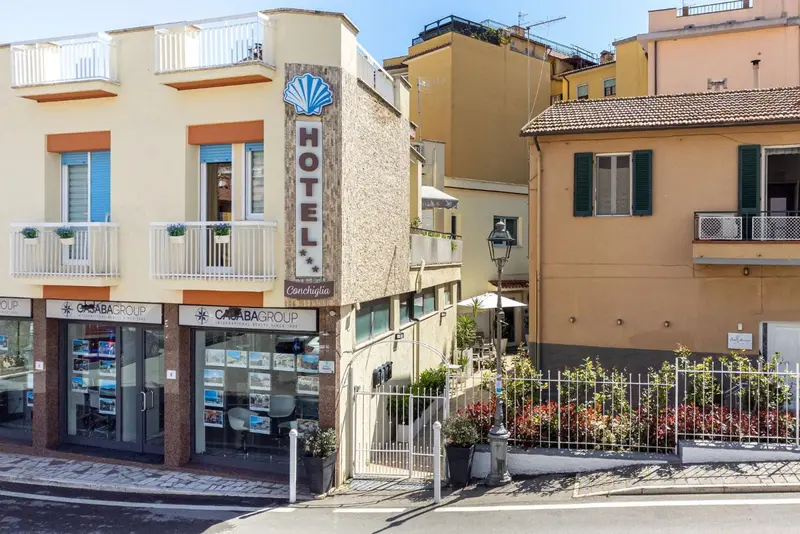
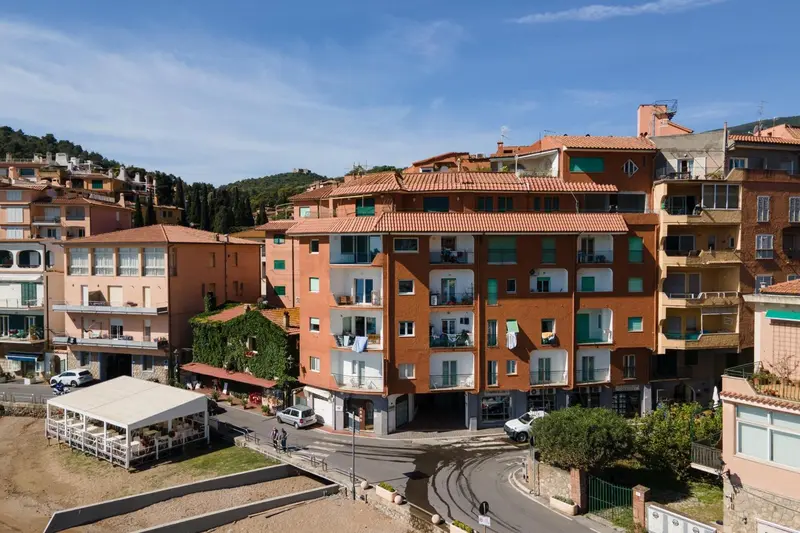
From London Heathrow, London Gatwick or Manchester, plan the journey around a final road approach to Porto Ercole. Allow time for the change from air travel to the overland leg, rather than treating the destination as an airport-side resort. Once there, staying in the village can make the waterfront and dive boats reachable on foot. A lodging outside Porto Ercole will normally mean arranging local transport for early departures and returning after a boat day. The practical advantage of arriving at Porto Ercole itself is that several diving operations and their boats are concentrated along the harbour front, rather than requiring a separate move to another base on Monte Argentario.
Book from Porto Ercole if that is where you intend to dive, rather than assuming a departure from Porto Santo Stefano will be interchangeable. Before committing to Giannutri or Giglio, check that the trip is still running in the expected sea conditions and allow the whole day for it. Ask exactly what the plan involves: a single dive, a full-day outing or technical diving are very different propositions. For caves, overhangs and rock passages, confirm whether the feature is open on both sides or involves real penetration. Do not build the holiday around shore entries, because the local operation is mainly organised from boats and semi-rigids. The Pelagos Sanctuary is not a reason to assume every site is a no-take reserve, so follow the actual local rules, touch neither gorgonians nor Posidonia, feed no fish and leave nothing in the water.
A stay here is best organised ashore, with coastal boat days mixed with dives close to Monte Argentario and, when conditions permit, a full day at Giannutri or Giglio. Staying in Porto Ercole can simplify the walk to the waterfront boats. Non-divers can explore the harbour and Spanish fortifications, visit coves by boat or snorkel, follow coastal paths, or take a day into the villages and landscapes of the Tuscan Maremma. It is a destination where diving need not fill every day.
Hello, I'm Marina, DivingDeal.com's AI assistant. I guide you through destinations, areas and countries.
Thinking about the whole trip and the flights? Talk it over with Edith →
Marina is an AI. Some links are affiliate links: DivingDeal may earn a commission, at no extra cost to you. Bookings are made with the partner.
You can dive in Porto Ercole throughout the year, with sea conditions guiding the best choice of dates. Wind and water state affect which parts of Monte Argentario are workable and whether Giannutri or Giglio trips can run. Keep your itinerary flexible so coastal diving remains an option.
Porto Ercole suits beginners and experienced divers when the site matches your training and the conditions. Baptisms, recreational courses and guided dives are available, while deeper profiles and technical diving require suitable experience. Before entering caves, overhangs or rock passages, confirm whether they are open features or genuine penetrations.
Diving in Porto Ercole reveals Mediterranean rocky walls, caves, overhangs, gorgonians and Posidonia seagrass. Fish gather around the rock and vegetation, while the scenery changes between Monte Argentario, Giannutri and Giglio. The appeal is the varied structure and open water rather than a guaranteed encounter with one particular animal.
Stay in Porto Ercole if you want the waterfront and dive boats within walking distance. Plan mainly for boat diving, with coastal outings mixed with full-day trips to Giannutri or Giglio when conditions allow. Book locally, check the departure point and schedule, and leave room for non-diving time around the harbour, fortifications and coves.