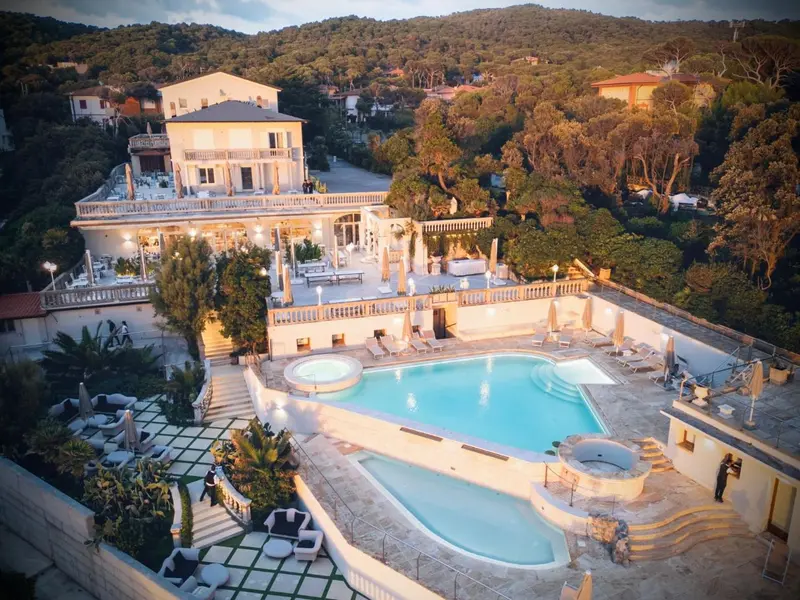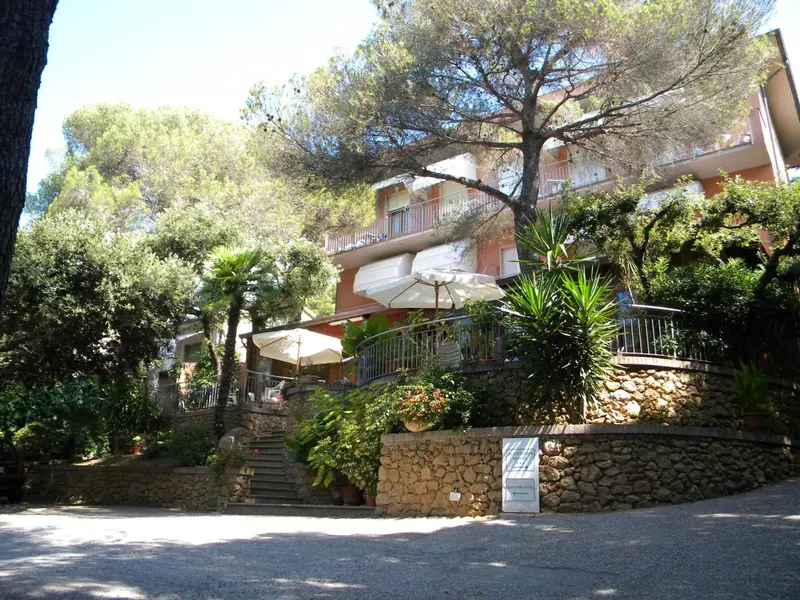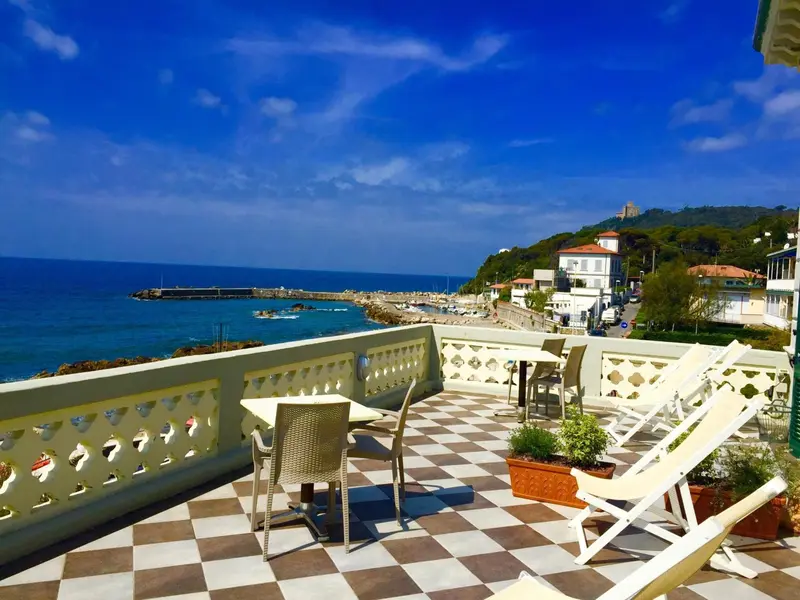
Locanda Garzelli
Google 4.5/5 (802 reviews)
Italy · Mediterranean
Rocky coves, pebble beaches, the Scoglio della Ballerina, and corbs around 15–20 metres shape Quercianella’s understated coastal diving along the Tuscan shore.
For subtitles in English: start the video firstthen click the gearat the top right of the video, select “Subtitles/CC”, then “Auto-translate” and choose “English”.
Quercianella is a shore-based Tuscan base where rocky coves, pebble beaches and small harbours set the rhythm of a diving holiday. You can enter from the coast for a guided dive or join a boat running along the shoreline, then spend the surface interval among pine woods and sheltered inlets. The attraction is Mediterranean rock rather than coral: fish close in, deeper ledges offshore, and a practical mix of diving and easy days above water.
The underwater landscape follows the coast: rock, boulders, pebble edges and broken coves rather than a single headline reef. Shore dives suit a straightforward look at coastal fish, while boat outings can reach the more open sectors where corbs and small groupers are reported around 15–20 metres. Currents are variable, so the same rocky ground may call for a calm, deliberate finning pace or a drift dive when conditions dictate; treat any downcurrent as a reason to stay close to the guide and site plan. Visibility is generally described as fairly good, with an indicative 7–8 metres, but sand and mud can cloud the water, particularly towards Vada. This is day-boat and guided coastal diving, not a liveaboard itinerary, and the character changes noticeably between a near-shore entry and an offshore drop.
Near the shore, look for mullet, sea bass, white seabream and gilthead seabream moving over the rock, with salema and octopus tucked into the broken ground. Conger eels and moray eels are year-round possibilities, as are the familiar Mediterranean fish found around the coves. Corbs and small groupers are associated with the deeper, more offshore ground around 15–20 metres, so a boat trip is the sensible request if those are the target. Larger pelagic fish are possible but rare, and no particular month is attached to them. June to October is the local window for warmer water and stronger fish-watching prospects, while conger eels, moray eels, salema and octopus keep the place interesting outside that period.
June through October is the most straightforward time to plan Quercianella, because the water is warmer and local advice links these months with better fish sightings. It is a useful fit for a coastal holiday: guided shore dives, boat trips and snorkelling in the coves can all sit within the same stay. That does not make the rest of the year off-limits for scuba, but it does make the warmer-season window the safer bet if fish life is central to the trip. Expect visibility to vary with the bottom beneath you, with sand and mud more likely to reduce it than the rocky coves.
Divers of all levels can use Quercianella’s coastal format, provided the chosen site and conditions match their experience. Beginners can start with a guided shore dive in suitable conditions, while more experienced divers may prefer the offshore sectors around 15–20 metres, where corbs and small groupers are reported. BSAC, PADI and SSI qualifications should all fit the normal recreational approach, with no specialist brevet required by the character of the diving described. Variable currents still call for sensible site selection and a properly planned safety stop.
From London Heathrow, London Gatwick or Manchester, work towards Livorno or Castiglioncello, then take the SS1/Aurelia coastal road to Quercianella. The final approach is by road, with no ferry, internal flight or sea crossing required. Allow for the connection between your arrival point and the coast rather than assuming the dive base begins at the transport hub. Once in the area, centres and small ports are spread along the shoreline, so check the meeting point for each day’s dive and arrange how you will reach it. Some accommodation is close to the sea, but walkability should be confirmed rather than assumed.
Treat Quercianella as a rocky-coast trip, not a hunt for a grand reef or tropical scenery. Before committing to a day, ask whether the plan is a shore entry or an offshore boat sector: the difference affects depth, terrain and the chance of corbs and small groupers. Compare departure points along the coast, because small harbours and local centres do not all put you in the water from the same place. For a non-diving day, Scoglio della Ballerina is a practical snorkelling option, reached from the beach by a short swim or by paddling. Choose rocky or pebble access with care, rather than expecting one long sandy launch. Keep Vada in mind when reading visibility claims: sand and mud can make it cloudier. Leave the liveaboard idea at home, and do not mistake Quercianella for a coral-reef destination.
Build the stay around day dives from Quercianella or nearby coastal bases, with shore sessions and boat outings alternating according to conditions and preference. The local format works well for a mixed group: one person can snorkel the coves or Scoglio della Ballerina while others dive, then everyone can use the pebble beaches, pine-wood walks and small harbours. Canoeing, sailing and other water activities provide further options. Accommodation may be near the sea, but check its actual relationship with the chosen meeting point before relying on walking.
Hello, I'm Marina, DivingDeal.com's AI assistant. I guide you through destinations, areas and countries.
Thinking about the whole trip and the flights? Talk it over with Edith →
Marina is an AI. Some links are affiliate links: DivingDeal may earn a commission, at no extra cost to you. Bookings are made with the partner.
June through October suits you if warmer water and stronger fish-sighting prospects matter. You can still scuba dive outside this period, when conger eels, moray eels, salema and octopus remain possible. Visibility varies with the seabed, and sand or mud can cloud the water more than the rocky coves.
Quercianella accommodates divers of all levels when the site and conditions match your experience. You can begin with a guided shore dive in suitable conditions, while experienced divers may choose offshore ground around fifteen to twenty metres. Variable currents require sensible site selection, a guide-aware approach and a properly planned safety stop.
You can explore rocky coves, boulders, pebble edges and broken coastal ground rather than coral. Near shore, mullet, sea bass, seabream, salema and octopus move among the rocks. Conger eels and moray eels are possible year-round, while boat trips may reach corbs and small groupers around fifteen to twenty metres.
Build your stay around guided shore dives and boat outings from Quercianella or nearby coastal bases, checking each day’s meeting point and departure harbour. Mix diving with snorkelling at Scoglio della Ballerina, pebble beaches, pine-wood walks, canoeing or sailing. Accommodation may be near the sea, but confirm whether it is walkable from your chosen centre.