
Bully Diving - Barricata
Google 4.5/5 (47 reviews)
Italy · Mediterranean
Paguro’s steel structure rises from about ten metres, dropping towards a 33-metre crater, with deeper wrecks waiting offshore.
For subtitles in English: start the video firstthen click the gearat the top right of the video, select “Subtitles/CC”, then “Auto-translate” and choose “English”.
Ravenna is an Adriatic wreck destination built around boat diving from Marina di Ravenna and the neighbouring coastal resorts. Its defining feature is the Paguro platform, a structure that sank in the 1960s and now stands as an artificial reef. The diving ranges from relatively shallow wreck exploration to serious technical profiles on the Atlantide, Tirpitz and Ravenna. Away from the water, Ravenna adds mosaics, early Christian monuments, pinewoods, lagoons and beaches, making a land-based stay workable for divers and non-divers alike.
The diving here is about steel, sand and offshore structures rather than natural reef. Paguro gives the clearest sense of place: the upper sections lie at roughly ten metres, while the crater falls to about 33 metres. Depending on the plan, you may be looking over the main platform, entering structures, or descending into the deeper section. Visibility is a recognised part of the challenge and can make orientation less straightforward than the shallow depth suggests. Currents are variable, so the boat briefing matters, particularly where a profile may become a drift dive. Outings are organised from the coast, commonly as a full day or as two dives, with the boat itself part of the logistics. Deeper wrecks offshore move the emphasis from recreational wreck diving to technical planning.
Paguro’s attraction is its transformation from industrial structure to artificial reef. The steelwork and the crater provide surfaces and shelter for fish, giving the dive more life than a bare offshore wreck might suggest. What you meet is tied closely to the structure itself, with fish habitat concentrated around the platform rather than spread across a natural reef. There is no reliable seasonal wildlife spectacle to plan a trip around, so the appeal is the combination of marine life, industrial remains and changing visibility. On the deeper wrecks, the main encounter remains the wreck environment and its surrounding water, rather than a guaranteed list of passing animals.
Ravenna is best treated as a weather-led wreck destination rather than one with a single guaranteed diving season. Choose a period when the boat programme and sea conditions give you a sensible chance of reaching the offshore sites, because variable visibility and currents can change the character of Paguro once you are in the water. This is especially important for the crater and any planned penetration. Build some flexibility into the stay instead of tying every day to one particular wreck. The reason is simple: the destination’s interest lies offshore, and a calm-looking plan on paper still depends on the boat reaching the intended sector.
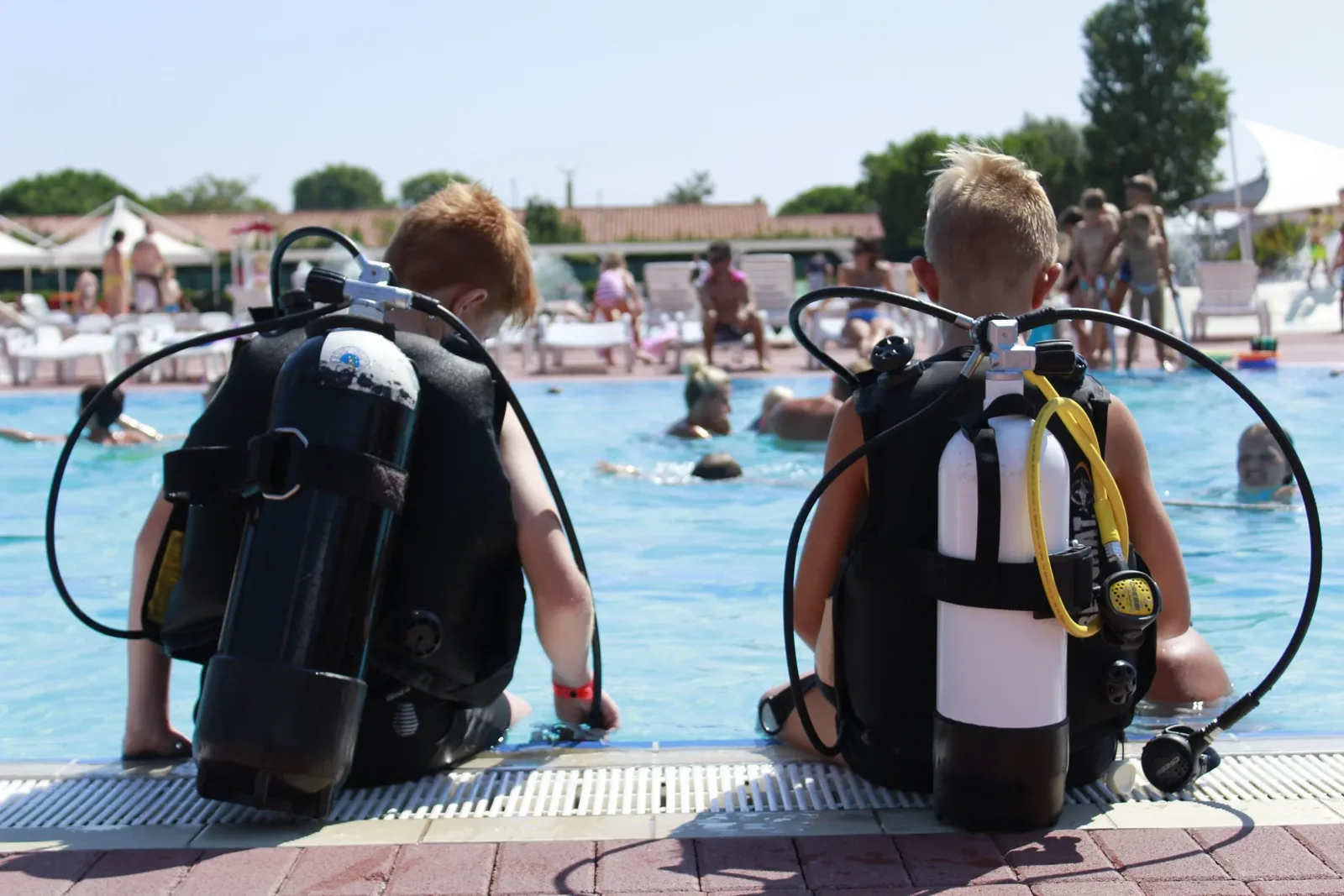
Paguro can suit beginners or equivalent-level divers when the operator confirms a suitable profile, but its shallow upper sections should not be mistaken for an uncomplicated dive. Experience with variable visibility, wreck orientation and boat procedures is valuable. A wreck qualification is appropriate for wreck exploration and any penetration. Advanced certification or equivalent helps with deeper profiles, while the Atlantide, Tirpitz and Ravenna require the technical qualifications and gases specified for the planned dive, including trimix on some profiles. BSAC, PADI and SSI divers should confirm equivalence before booking.
From London Heathrow or Gatwick, or from Manchester, reach Ravenna by air and continue overland to the coast. The destination is not reached by a compulsory ferry or island crossing. The practical route is by road to Ravenna, then onwards to Marina di Ravenna, Lido Adriano or another nearby coastal station, where the boat departs. Allow time for the connection from the arrival airport and arrange how you will reach the harbour before the first morning’s outing. Once locally based, keeping accommodation near the departure harbour reduces early transfers. The exact road journey depends on the airport and coastal station selected.
Treat Paguro as an exposed wreck dive, not as a shallow training site simply because part of it begins at about ten metres. Before confirming, ask which sector is planned, the maximum depth, whether penetration is included and whether the dive reaches the crater, which descends to roughly 33 metres. Visibility can make a familiar wreck harder to read, so the planned route and ascent point deserve attention at the briefing. Do not assume a beach entry: the main sites are offshore and require a boat. For the Atlantide, Tirpitz and Ravenna, check the required technical qualification and gas mix rather than trying to stretch a recreational plan. Keep clear of the Fuori Ravenna protection zone’s restrictions: fishing and anchoring are prohibited there, as are navigation, transit and stopping within the regulated area. Finally, base yourself near the port rather than in Ravenna’s historic centre if early boat departures are planned.
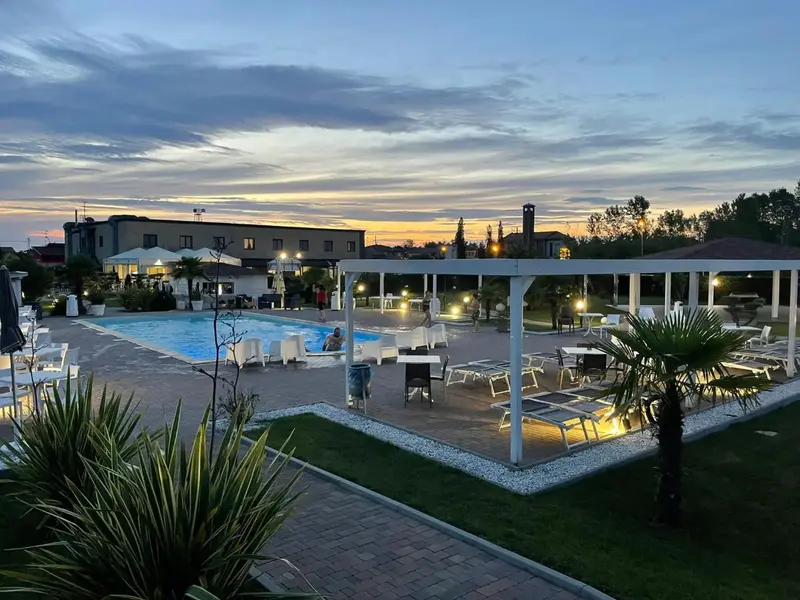
This is a land-based diving holiday, with outings arranged from the coastal stations rather than from a liveaboard. A day can be organised around one or two boat dives, leaving non-diving time for Ravenna’s mosaics and monuments, the beaches, or cycling through pinewoods and lagoon landscapes. Marina di Ravenna keeps the diving practical, while the historic city gives the stay a second focus. Choose the base according to the harbour used, since transfers between accommodation and boat departure vary by location.
Hello, I'm Marina, DivingDeal.com's AI assistant. I guide you through destinations, areas and countries.
Thinking about the whole trip and the flights? Talk it over with Edith →
Marina is an AI. Some links are affiliate links: DivingDeal may earn a commission, at no extra cost to you. Bookings are made with the partner.
Ravenna is a weather-led wreck destination rather than one with a single guaranteed diving season. Choose a period when the boat programme and sea conditions offer a sensible chance of reaching offshore sites. Keep your itinerary flexible, because visibility, currents and the ability to reach a planned sector can change the dive.
Paguro may suit beginners or equivalent-level divers when an operator confirms a suitable profile, but shallow sections do not make it uncomplicated. Wreck experience, orientation skills and familiarity with boat procedures help. A wreck qualification suits exploration or penetration, while Atlantide, Tirpitz and Ravenna require the technical qualifications and gases specified for the planned dive.
Ravenna focuses on steel, sand and offshore structures rather than natural reef. At Paguro, you can explore an artificial reef formed by a sunken industrial structure, with steelwork and a crater providing shelter for fish. Deeper wrecks offer a wreck environment and surrounding water, while visibility changes how clearly you read the site.
Plan a land-based stay around boat departures from Marina di Ravenna or a nearby coastal station. Staying near the harbour reduces early transfers, while flexible days help accommodate sea conditions. Arrange airport connections and transport to the port in advance. Between dives, you can visit Ravenna’s mosaics and monuments, beaches, pinewoods and lagoons.