Discovery Diving Sardegna
Google 5/5 (453 reviews)
Italy · Mediterranean
Limestone drop-offs, rocky shoals, brown groupers and seasonal dolphins shape boat diving from San Teodoro into the Tavolara–Punta Coda Cavallo protected area.
For subtitles in English: start the video firstthen click the gearat the top right of the video, select “Subtitles/CC”, then “Auto-translate” and choose “English”.
San Teodoro is a shore-based diving holiday built around boat trips into the Tavolara–Punta Coda Cavallo Marine Protected Area. The underwater scenery is limestone rather than a collection of artificial attractions: walls, shoals, boulder fields and deeper drop-offs, with brown groupers and seabreams among the regular encounters. It also works well for a mixed party. While divers head out from San Teodoro, Capo Coda Cavallo or Porto San Paolo, non-divers have beaches, coastal walks and boat excursions towards Tavolara and Molara.
Expect boat diving on limestone relief, rocky shoals, scree and drop-offs, rather than a shore-diving routine from the resort. Some profiles are comfortable for newer divers, while deeper shoals and walls can fall towards about 40 metres. Currents are variable, so a calm-looking site is not a promise of a completely static dive, and the briefing matters when a route follows a wall or leaves the buoy line. The park's zoning also shapes the outing: authorised boats use designated moorings in regulated areas, and the skipper chooses among sectors around San Teodoro, Capo Coda Cavallo, Molara and Tavolara according to local conditions. Ask what is planned before boarding, particularly if you want a shallow first dive or prefer to avoid a deeper profile. This is a proper boat-based day, not an unlimited choice of spots from the beach.
The dependable cast is Mediterranean and close to the rock. Brown groupers and spotted or gold-spotted groupers occupy the limestone, while seabreams and gilthead seabreams move over the shoals and around the boulder fields. Gorgonians add colour to the walls. Bonito, barracuda, amberjack and sunfish are more occasional encounters, with their appearance varying through the year rather than following a guaranteed calendar. Dolphins and dolphinfish can also turn up on seasonal boat trips, often as part of the journey as much as the dive itself. The sensible approach is to enjoy the groupers and shoaling seabreams as the reliable reward, while treating larger passing animals as a bonus.
May, June and September are the most agreeable months for combining diving with a stay in San Teodoro. They avoid the heaviest beach traffic of July and August, which matters when early departures involve a drive to a neighbouring harbour. These months also leave more room in the itinerary for several sectors of the protected area, rather than trying to fit every outing around peak-season activity. There is no need to build the holiday around a declared closure, but sea conditions can still alter a boat plan. September keeps the coastal holiday appeal while making the resort feel less crowded, and May or June suit divers who want time on land between outings.
San Teodoro suits beginners as well as experienced divers, provided the chosen profile matches the qualification and comfort level. Introductory and shallow rocky sites give less experienced divers a useful first look at the park's groupers and seabreams. Advanced training is valuable for the deeper shoals and drop-offs, some reaching towards 40 metres, where depth control and gas planning become more important. BSAC, PADI and SSI divers should check the day's depth and current expectations rather than assuming every boat dive is equivalent.
From London Heathrow, London Gatwick or Manchester, the journey is organised around reaching Olbia, then continuing by road. San Teodoro is not reached by a compulsory ferry crossing, and the regular maritime links serving Sardinia arrive mainly at Olbia before the onward drive. From there, follow the coastal roads towards San Teodoro, Capo Coda Cavallo or Porto San Paolo, depending on the boat departure. Allow for the fact that the most convenient harbour may not be beside your accommodation. A hire car is often the simplest way to manage early starts and different departure points, although a local transfer can work if your diving and lodging are based in the same sector.
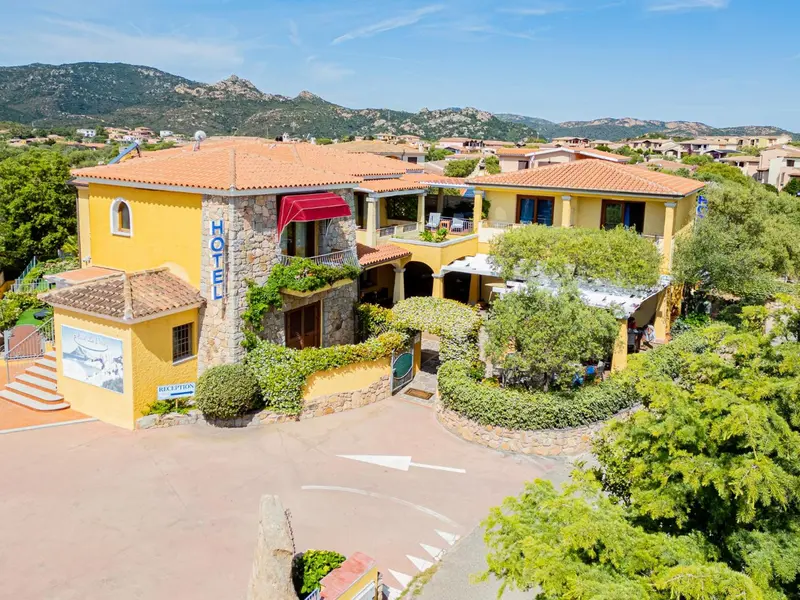
Check the departure harbour before booking the room. San Teodoro, Capo Coda Cavallo and Porto San Paolo serve different sectors, and a property that looks close on a map may still mean an awkward morning transfer. Confirm that the planned boat is authorised for the relevant marine-park zone, especially if the itinerary mentions Zone A or Zone B. Zone A is not for independent or freely organised diving, and buoyed sites can limit both boats and diver numbers. Do not arrive with a private boat assuming you can anchor wherever the water looks inviting: anchoring is controlled, and rocky bottoms are not a casual alternative to an approved buoy or permitted sand or gravel area. Ask for a shallow rocky site first if this is your introduction. Build in several sectors rather than relying on one plan, and keep a non-diving day before flying, since boat trips may cover distant parts of the protected area.
A practical stay lasts five to seven days, allowing several boat outings and some slack when the sea changes the plan. Base yourself according to the harbour you will use most often, not simply the centre of San Teodoro. A hire car or local transfer may be needed between accommodation and departure point. Leave time for beaches, coastal walks and excursions to Tavolara or Molara, which makes the destination work for couples and families as well as dive-focused travellers.
Hello, I'm Marina, DivingDeal.com's AI assistant. I guide you through destinations, areas and countries.
Thinking about the whole trip and the flights? Talk it over with Edith →
Marina is an AI. Some links are affiliate links: DivingDeal may earn a commission, at no extra cost to you. Bookings are made with the partner.
May, June and September suit a diving stay in San Teodoro because they avoid the heaviest beach traffic of July and August. September retains the coastal holiday atmosphere with fewer crowds, while May and June leave room for time ashore between boat outings. Sea conditions can still change plans.
San Teodoro suits beginners and experienced divers when the profile matches your qualification and comfort. Introductory and shallow rocky sites offer a gentler start, while deeper shoals and limestone drop-offs require stronger depth control and gas planning. Currents vary, so check the day’s depth and current expectations during the briefing.
Diving from San Teodoro brings you over limestone walls, rocky shoals, boulder fields, scree and deeper drop-offs. Brown groupers, spotted or gold-spotted groupers, seabreams and gilthead seabreams are regular sights, with gorgonians on the walls. Bonito, barracuda, amberjack, sunfish, dolphins and dolphinfish are occasional or seasonal encounters.
Plan your San Teodoro stay around the harbour serving your boat, since departures may use San Teodoro, Capo Coda Cavallo or Porto San Paolo. Reaching Olbia and continuing by road is necessary, and a hire car can simplify early starts. Allow several boat outings, flexible time for sea changes, and non-diving activities.