
Nautica
Google 4.6/5 (128 reviews)
Italy · Mediterranean
Limestone cliffs, coloured rock walls and calcified caves shape boat dives from Santa Maria Navarrese along the Baunei coast and Gulf of Orosei
For subtitles in English: start the video firstthen click the gearat the top right of the video, select “Subtitles/CC”, then “Auto-translate” and choose “English”.
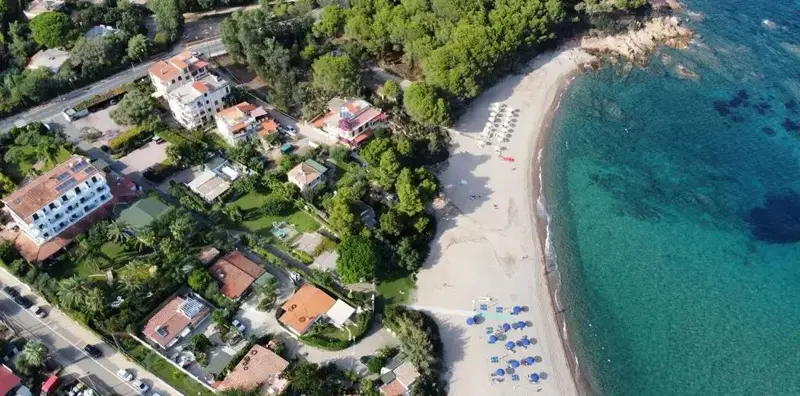
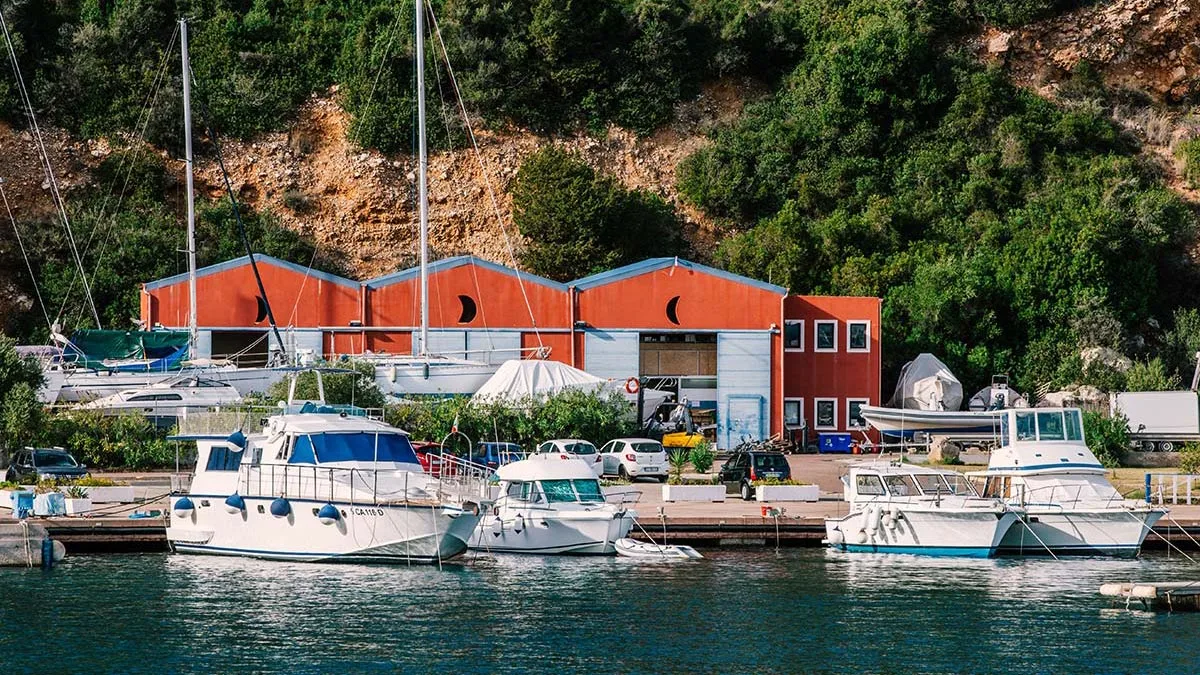
Santa Maria Navarrese is a shore-based base for reaching the limestone coast of Baunei and the southern Gulf of Orosei by boat. Underwater, the landscape follows the cliffs above it: coloured rock walls, drop-offs and caves rather than shore reefs or wrecks. It suits a week built around several sea trips, with enough spare time for changing conditions and for seeing the same coves from the surface. Non-divers have beaches, boat excursions and coastal walking close at hand.
The character of diving here is geological. Boats leave Santa Maria Navarrese for rocky ground beneath the Baunei cliffs, where walls, tombants and limestone caves provide the main route through a dive. Some sites are suitable for beginners, while others offer greater depth for certified divers, so the day’s plan needs to match both certification and sea conditions. Currents are variable rather than a defining feature, but exposure and wave state can alter which part of the coast is practical. Visibility is often described as clear, although it can vary with conditions. Expect a boat outing, not a shore dive from the village, and check whether the booking is a double dive or a mixed diving and snorkelling trip. The most characteristic scenery lies offshore, reached from the harbour.
The strongest wildlife impression here comes from the meeting of Mediterranean life with bare, sculpted rock. Colour on the walls, dark cave mouths and the changing light beneath the cliffs give the dive its detail, while crevices and rocky ledges provide the places where smaller life gathers. This is a destination for observing what the rock holds on the day, rather than planning around a named seasonal animal encounter. Calm conditions help with both the underwater view and the surface scenery, especially where a dive is combined with a cove visit. The appeal is the complete setting: a submerged limestone wall, a cave entrance, and the coastal landscape continuing above the water.
May, June, September and October are the most sensible months for a diving stay. The nautical season is operating, yet the beaches and boat excursions are generally less crowded than in July and August. That matters here because the characteristic dives depend on getting a boat along the Baunei coast and into the Gulf of Orosei, and sea conditions can change the plan. July and August bring more traffic and visitors, while the quieter months offer a better balance of space and workable scheduling. November through March fall outside the main period for regular diving and nautical departures.
The destination works for newly qualified divers as well as experienced BSAC, PADI or SSI divers, provided the chosen site matches the diver’s depth and comfort in open water. Local outings cover different depths, so an introductory dive can sit alongside a more demanding wall or cave profile during the same stay. Experience with boat diving is useful, but not a prerequisite. Be prepared for a flexible plan: exposure along the coast and the state of the sea may decide which limestone formations are visited.
From London Heathrow, London Gatwick or Manchester, allow a full day for the journey, with a connection possible before the road transfer in Sardinia. The usual air gateways are Olbia, Cagliari and Alghero. From whichever airport is used, Santa Maria Navarrese is reached by road, normally with a hire car or a pre-arranged transfer. No ferry is needed to reach the village itself. Seasonal boat links from Arbatax and other points in the Gulf of Orosei are useful for coastal excursions, but they are not the normal route from Britain. A car is helpful once there, particularly if accommodation lies outside the village or the itinerary includes Baunei beaches and walking trails.
Treat the harbour as the starting point for the real diving. The characteristic walls and caves of Baunei are reached by boat, so do not book Santa Maria Navarrese expecting a shore-diving week. Before committing to a trip, ask which depth range and sites fit your certification, and establish whether the outing is a genuine double dive or a mixed diving and snorkelling itinerary. Keep several days available rather than filling every morning, because an exposed coast can become inaccessible when the sea turns. July and August call for advance booking of boat places, but the quieter months are easier on the schedule. Leave one complete day free for a coastal boat excursion or a Baunei walk, which also gives you useful cover for a weather cancellation. If your accommodation is beyond the village, arrange a car or taxi rather than assuming a diver shuttle. A cove excursion is not automatically a dive trip.
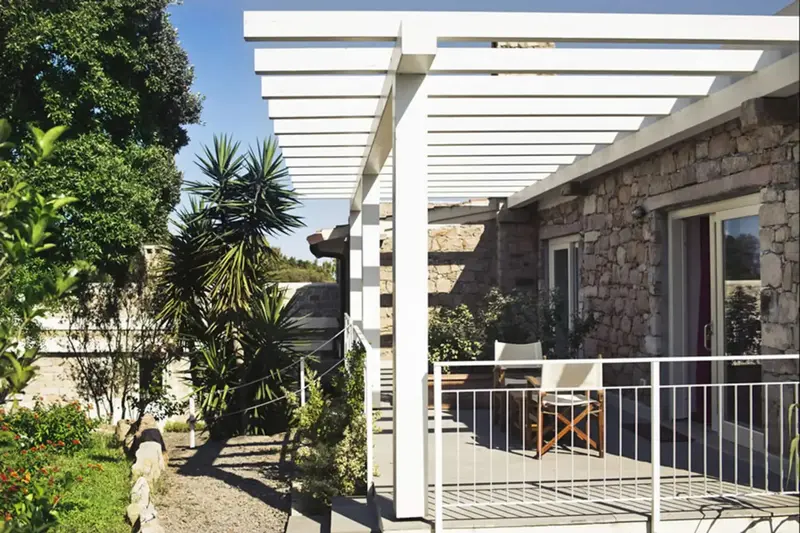
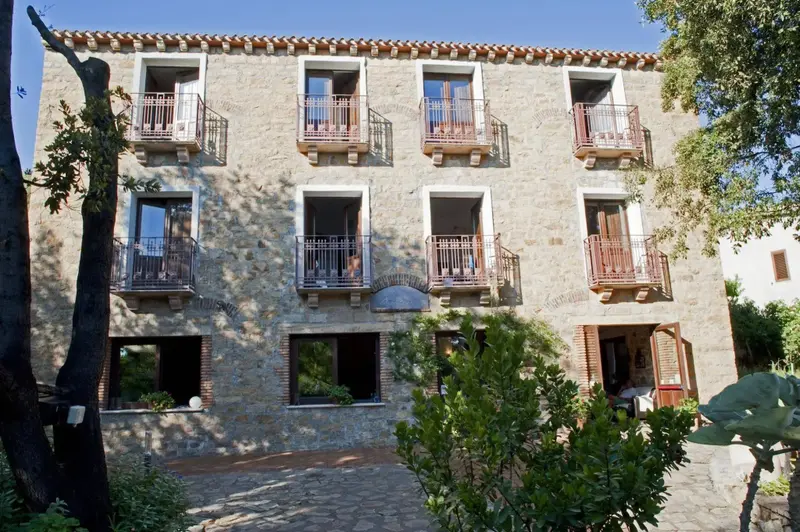
A five to seven-day stay gives the practical balance: several boat outings, a weather reserve and days for the Baunei coast above water. Accommodation in the village may be close enough to walk to the harbour, while places farther out usually call for a car or taxi. Use non-diving days for coves, coastal paths, a surface boat trip or the village and harbour. Keep the final day quiet before flying, without a demanding activity after diving.
Hello, I'm Marina, DivingDeal.com's AI assistant. I guide you through destinations, areas and countries.
Thinking about the whole trip and the flights? Talk it over with Edith →
Marina is an AI. Some links are affiliate links: DivingDeal may earn a commission, at no extra cost to you. Bookings are made with the partner.
May, June, September and October suit a diving stay, with the nautical season operating and fewer beach and boat visitors than in July and August. Sea conditions can change plans along the exposed Baunei coast and Gulf of Orosei. November through March fall outside the main period for regular diving departures.
Santa Maria Navarrese suits newly qualified divers and experienced BSAC, PADI or SSI divers, provided each site matches your certification, depth experience and comfort in open water. Some outings visit beginner-friendly sites, while others reach greater depths. Boat-diving experience is useful but not required, and the plan may change with sea conditions.
Diving in Santa Maria Navarrese focuses on the limestone coast beneath the Baunei cliffs and into the southern Gulf of Orosei. Boat sites feature coloured rock walls, drop-offs, tombants, crevices, rocky ledges and limestone caves. Dark cave mouths, changing light and smaller Mediterranean life add detail to the sculpted underwater scenery.
Plan Santa Maria Navarrese around several boat outings from the harbour, while leaving spare days for changing weather and a coastal walk or cove excursion. Ask whether each booking is a double dive or a mixed diving and snorkelling trip, and confirm suitable depths. A five to seven-day stay allows diving, weather cover and non-diving time.